Watermelon is a refreshing summer favorite for humans, and it's no surprise that many dogs show interest when their owners enjoy a slice. The juicy red flesh is sweet, hydrating, and packed with nutrients—but what about the seeds? Can dogs safely eat watermelon with seeds, or should pet owners be cautious? Understanding the potential risks and benefits is essential for responsible pet care.
While watermelon itself is generally safe and even healthy for dogs in moderation, the presence of seeds introduces complications. This guide breaks down the science behind canine digestion, veterinary recommendations, and practical steps you can take to safely share this fruit with your furry companion—without putting their health at risk.
Is Watermelon Safe for Dogs?
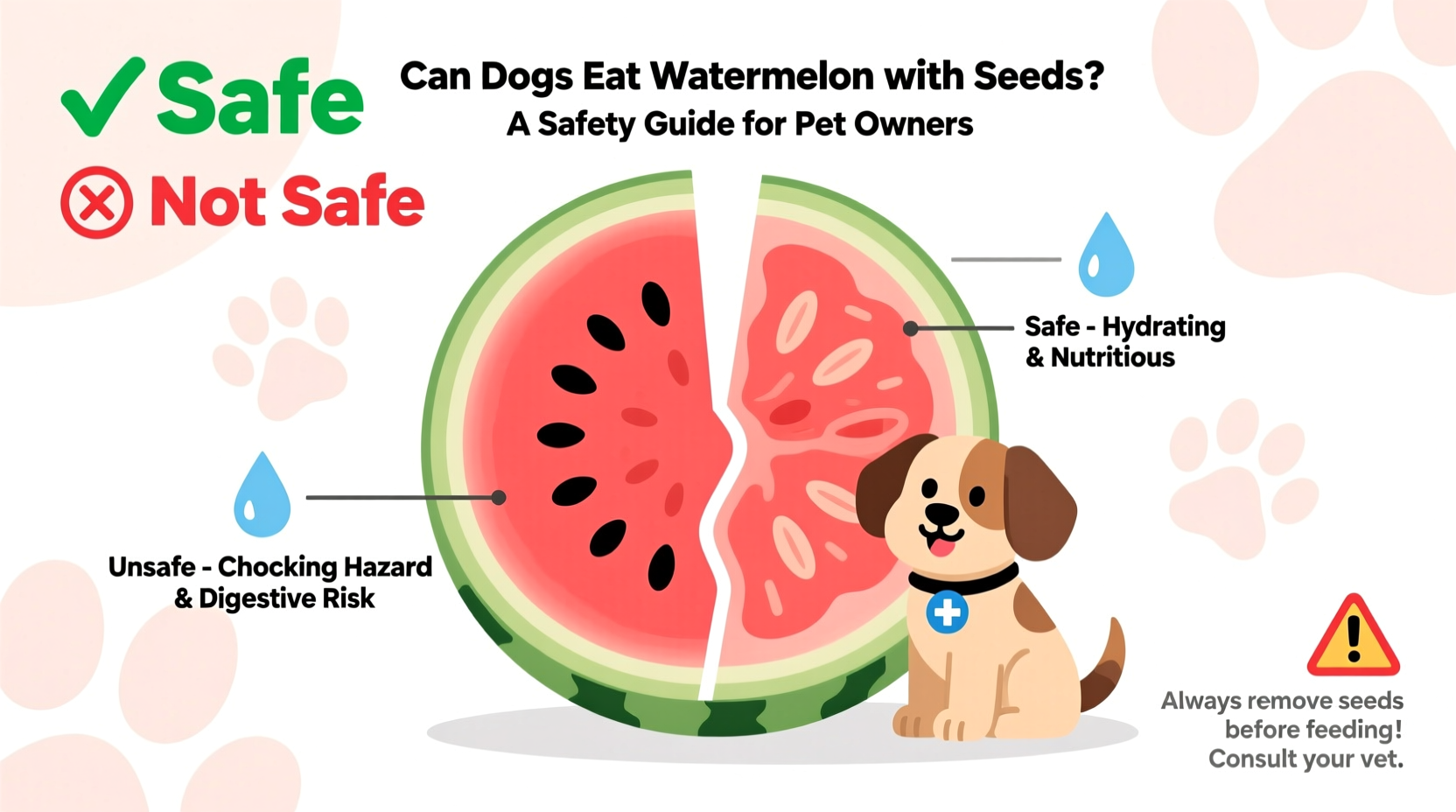
Yes, watermelon (specifically the seedless, rind-free flesh) is considered safe and even beneficial for dogs when served appropriately. It’s composed of over 90% water, making it an excellent source of hydration, especially during hot weather. It also contains vitamins A, B6, and C, as well as potassium and antioxidants like lycopene, which support immune function and overall wellness.
However, not all parts of the watermelon are safe. The rind is tough and difficult to digest, potentially causing gastrointestinal blockages. More concerning are the seeds, which pose both digestive and physical risks if ingested in quantity.
Tip: Always remove seeds and rind before offering watermelon to your dog—even a few seeds can lead to discomfort.Why Watermelon Seeds Are a Concern
Watermelon seeds contain small amounts of compounds that can be problematic for dogs. While a single seed may pass through the digestive tract without issue, consuming multiple seeds can lead to complications. Here’s why:
- Digestive Obstruction: Whole seeds are hard and indigestible. In large numbers, they can clump together and cause intestinal blockages, especially in small breeds.
- Cyanogenic Glycosides: Like apple seeds and cherry pits, watermelon seeds contain trace amounts of cyanide-producing compounds. While the amount in a few seeds is unlikely to be toxic, ingestion of many seeds could theoretically contribute to cyanide exposure over time.
- Choking Hazard: Especially for smaller dogs, seeds can become lodged in the throat or esophagus.
The risk increases significantly if your dog consumes a whole slice of seeded watermelon without supervision. Cases have been reported where dogs required medical intervention after eating several seeded slices, leading to vomiting, abdominal pain, and in rare cases, surgery to remove obstructions.
“While watermelon is a healthy treat, the seeds and rind should always be removed. I’ve seen dogs come in with mild stomach upset from just a few seeds, and in more serious cases, partial bowel obstructions.” — Dr. Laura Simmons, DVM, Small Animal Practitioner
Safe Ways to Serve Watermelon to Your Dog
To ensure your dog enjoys the benefits of watermelon without the risks, follow these preparation steps:
- Choose seedless watermelon: Opt for commercially grown seedless varieties whenever possible. These are widely available and eliminate the primary concern.
- If using seeded watermelon, remove all seeds manually: Cut the fruit into chunks and inspect each piece carefully. Even small black seeds should be removed.
- Peel off the rind: The green outer layer is too fibrous for dogs to digest and can lead to gastrointestinal distress.
- Cut into bite-sized pieces: This prevents choking and makes it easier for your dog to chew and swallow.
- Start with a small portion: Offer one or two small cubes and monitor your dog for any adverse reactions such as diarrhea or vomiting.
Benefits of Watermelon for Dogs (When Prepared Safely)
When served correctly, watermelon offers several health advantages for dogs:
- Hydration: High water content helps prevent dehydration, particularly during exercise or in hot climates.
- Vitamin Support: Vitamin A supports vision and skin health; vitamin C acts as an antioxidant; vitamin B6 aids in protein metabolism.
- Potassium: Essential for muscle function and electrolyte balance.
- Low Calorie: A great alternative to high-calorie commercial treats, especially for overweight or senior dogs.
- Dental Stimulation: Chewing on frozen watermelon cubes can help reduce plaque buildup and provide mental stimulation.
Despite these benefits, watermelon should never replace balanced meals. It should be given as an occasional treat, making up no more than 10% of your dog’s daily caloric intake.
Do’s and Don’ts: Watermelon Feeding Checklist
📋 **Checklist: Safe Watermelon Feeding Practices**- ✅ Do choose seedless watermelon or remove all seeds manually.
- ✅ Do cut the fruit into small, manageable pieces.
- ✅ Do serve only the red flesh—never the rind.
- ✅ Do supervise your dog while eating.
- ✅ Do start with a small amount to test tolerance.
- ❌ Don’t feed watermelon with seeds.
- ❌ Don’t give large quantities at once.
- ❌ Don’t use watermelon as a meal replacement.
- ❌ Don’t allow access to discarded rinds or seeded scraps.
Risks of Accidental Seed Ingestion: A Real Example
💬 **Mini Case Study / Real Example**Max, a 3-year-old Pomeranian, loved being near his family during backyard barbecues. One summer afternoon, he snuck a large slice of seeded watermelon left unattended on a picnic table. His owners didn’t realize until later that evening when Max began vomiting and showed signs of abdominal discomfort.
They rushed him to the emergency vet, where X-rays revealed a cluster of watermelon seeds and fibrous material partially obstructing his small intestine. After a night of observation and fluid therapy, Max passed the material naturally—but the experience was stressful and costly.
This case highlights how quickly things can go wrong, even with a seemingly harmless food. Supervision and proper preparation are key to preventing such incidents.
Comparing Watermelon Types: What’s Safest for Dogs?
| Type of Watermelon | Safe for Dogs? | Preparation Required | Risk Level |
|---|---|---|---|
| Seedless watermelon (flesh only) | Yes | Remove rind, cut into small pieces | Low |
| Seeded watermelon (with seeds removed) | Yes | Manually remove all seeds, peel rind | Moderate (risk of missed seeds) |
| Whole seeded watermelon (as-is) | No | N/A – unsafe | High |
| Watermelon rind | No | N/A – indigestible | High (blockage risk) |
| Watermelon juice (unsweetened, no additives) | Occasionally | Dilute with water, serve in small amounts | Low to Moderate (high sugar content) |
How Much Watermelon Is Too Much?
Portion control is crucial. While watermelon is low in fat and calories, it contains natural sugars that can contribute to weight gain or digestive upset if overfed. Here’s a general guideline based on size:
- Small dogs (under 20 lbs): 1–2 tablespoons or 1–2 small cubes per serving.
- Medium dogs (20–50 lbs): ¼ to ½ cup of diced watermelon.
- Large dogs (over 50 lbs): Up to 1 cup, maximum.
Treats, including fruits like watermelon, should never exceed 10% of your dog’s total daily diet. Overfeeding can lead to diarrhea, gas, or even insulin spikes in diabetic dogs.
Frequently Asked Questions
Can puppies eat watermelon with seeds?
No. Puppies have more sensitive digestive systems and smaller gastrointestinal tracts. Seeds pose a higher risk of obstruction, and their developing bodies are less equipped to handle foreign substances. Always serve seedless, rind-free watermelon in tiny portions—if at all—and only after consulting your vet.
What should I do if my dog eats watermelon seeds?
If your dog consumes only a few seeds, monitor them closely for signs of discomfort, vomiting, or changes in bowel movements. Most will pass uneventfully. However, if they eat a large number of seeds or show symptoms like lethargy, bloating, or refusal to eat, contact your veterinarian immediately. Early intervention can prevent serious complications.
Are seedless watermelons completely safe?
Seedless watermelons are much safer but not entirely risk-free. They may still contain immature white seeds, which are softer but can accumulate in large amounts. Additionally, overfeeding any fruit can cause diarrhea due to high water and sugar content. Always serve in moderation and remove the rind.
Conclusion: Enjoy Summer Treats Safely
Watermelon can be a healthy, hydrating treat for dogs when prepared with care. The key lies in removing all seeds and rind, controlling portion sizes, and supervising your pet during snack time. While the fruit itself offers valuable nutrients and refreshment, the seeds present real risks that no pet owner should overlook.
By following the guidelines outlined here—choosing seedless varieties, cutting thoughtfully, and monitoring your dog’s reaction—you can safely share this summer favorite without compromising their health. Remember, even safe foods can become dangerous without proper handling.
🚀 Take action today: Before your next picnic or pool day, prepare a batch of frozen seedless watermelon cubes for your dog. Share this guide with fellow pet owners to spread awareness and keep more dogs safe this season!








