
Celery is a crisp, water-rich vegetable commonly found in human kitchens, often chopped into salads or used as a snack with dips. But when it comes to pet rats—intelligent, social, and highly sensitive omnivores—the question of whether celery is safe requires careful consideration. While many fruits and vegetables are excellent additions to a rat’s diet, others can pose health risks due to high water content, oxalates, or fibrous textures. This article provides a comprehensive, science-informed analysis of feeding celery to pet rats, covering its nutritional profile, potential benefits, risks, preparation methods, and practical feeding guidelines. Whether you're a new rat owner or an experienced caregiver, understanding how celery fits into a balanced rodent diet is essential for maintaining long-term health.
Definition & Overview: What Is Celery?
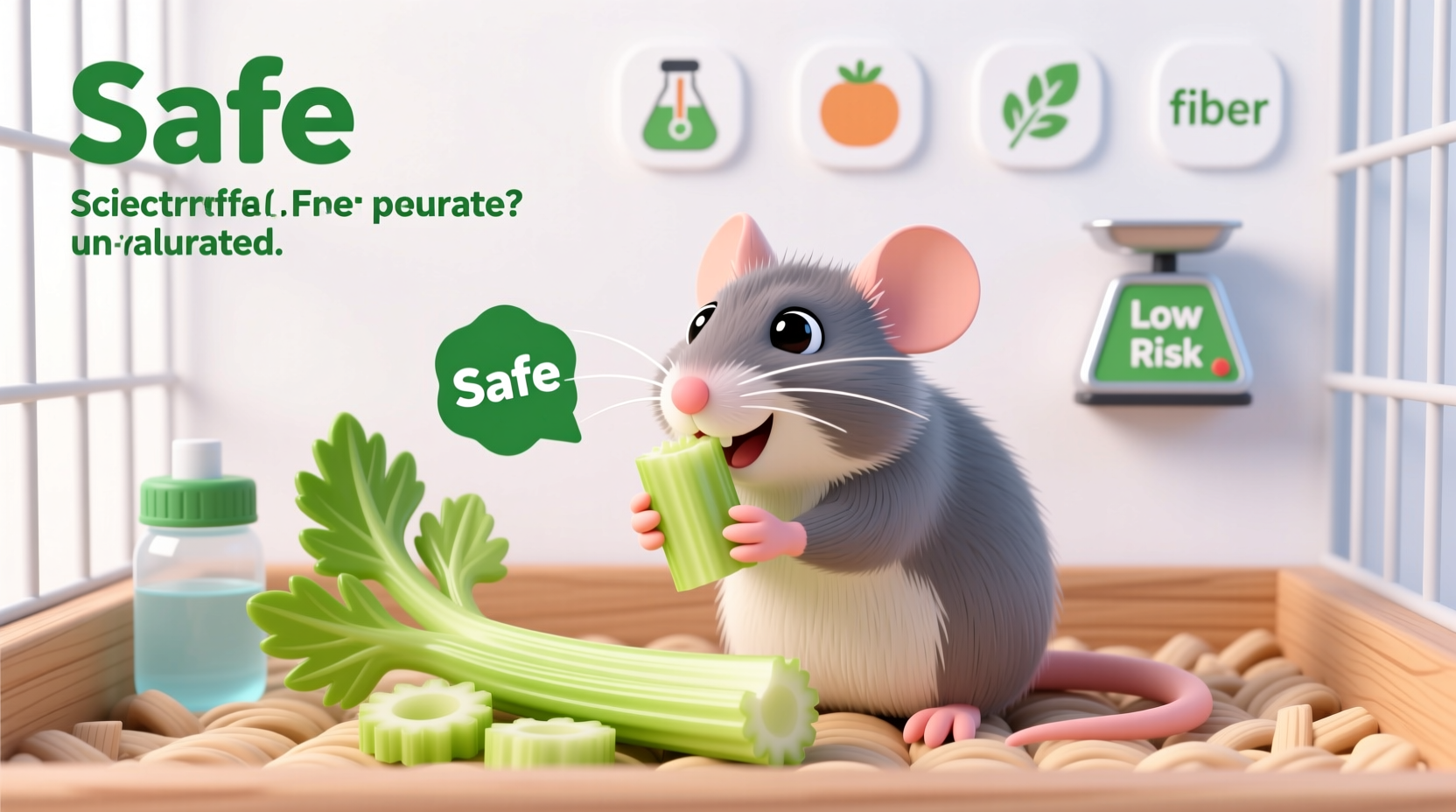
Celery (*Apium graveolens*) is a marshland plant species in the Apiaceae family, cultivated for its edible leaf stalks (petioles), leaves, and seeds. The most commonly consumed form is the Pascal celery, recognized by its long, pale green, ribbed stalks and mild, slightly peppery flavor. Native to the Mediterranean region, celery has been used for centuries both as food and medicine. In culinary contexts, it serves as an aromatic base in soups, stews, and stir-fries, while also being eaten raw for its crunchy texture and refreshing taste.
For small animals like rats, celery presents a unique case. It is low in calories and rich in water, vitamins, and phytonutrients, but its fibrous structure and certain chemical compounds raise concerns about digestibility and safety. Unlike humans, rats have specific gastrointestinal sensitivities and metabolic needs that must be considered when introducing any new food—even seemingly harmless vegetables like celery.
Key Characteristics of Celery
Understanding the physical and chemical makeup of celery helps determine its suitability for rat consumption. Below is a breakdown of its primary attributes:
| Characteristic | Description |
|---|---|
| Flavor Profile | Mildly bitter, earthy, with a subtle peppery note; becomes more pronounced in older stalks. |
| Aroma | Fresh, green, slightly herbal; more intense when crushed or chopped. |
| Texture | Crisp and fibrous, especially along the outer ribs; stringy when raw. |
| Water Content | Approximately 95%, making it one of the most hydrating vegetables. |
| Nutritional Highlights | Rich in vitamin K, potassium, folate, and antioxidants like apigenin and luteolin. |
| Oxalate Level | Moderate; may contribute to kidney stone formation in susceptible individuals. |
| Shelf Life (Refrigerated) | 1–2 weeks when stored properly in a crisper drawer. |
Can Rats Eat Celery? Evaluating Safety and Nutrition
The short answer is yes—celery can be fed to pet rats, but only in moderation and with proper preparation. Rats are omnivorous rodents with a natural inclination toward varied diets, including grains, insects, fruits, and vegetables. A well-balanced rat diet should consist primarily of high-quality lab blocks or pellets (70–80%), supplemented with fresh foods (10–20%) and occasional treats.
Celery contributes several beneficial nutrients:
- Vitamin K: Supports blood clotting and bone health.
- Potassium: Essential for nerve function and fluid balance.
- Folate (B9): Important for cell division and DNA synthesis.
- Antioxidants: Compounds like apigenin have anti-inflammatory properties studied in rodent models.
- Hydration: High water content can help maintain fluid balance, especially in warm environments.
However, these benefits come with caveats. The very qualities that make celery healthy for humans can pose challenges for rats:
- High Water Content: Excessive intake can lead to loose stools or diarrhea, particularly if combined with other watery foods like cucumber or lettuce.
- Fibrous Strings: The longitudinal vascular bundles in celery stalks are difficult for rats to chew and digest fully, posing a choking hazard or risk of intestinal irritation.
- Oxalates: While not extremely high, celery contains moderate levels of oxalic acid, which can bind calcium and potentially contribute to urinary crystals in predisposed animals.
- Pesticide Residue: Conventionally grown celery consistently ranks among the top produce items for pesticide contamination, making thorough washing or organic sourcing critical.
Practical Usage: How to Feed Celery to Pet Rats Safely
If you choose to include celery in your rat’s diet, follow these evidence-based guidelines to maximize safety and nutrition:
Step-by-Step Preparation Guide
- Select Fresh Stalks: Choose firm, bright green or pale green stalks without wilting, yellowing, or slimy spots.
- Wash Thoroughly: Rinse under cool running water for at least 30 seconds. For added safety, soak in a vinegar-water solution (1 part vinegar to 3 parts water) for 10 minutes, then rinse again.
- Peel the Strings: Use a vegetable peeler or knife to remove the tough outer fibers from each stalk. These strings are indigestible and can cause gastrointestinal discomfort.
- Chop into Small Pieces: Cut celery into ½-inch cubes or thin slices to reduce choking risk and encourage even chewing.
- Serve Raw or Lightly Steamed: Raw celery retains more nutrients, but light steaming (1–2 minutes) softens fibers and improves digestibility. Avoid boiling, which leaches nutrients.
- Limit Quantity: Offer no more than one teaspoon of prepared celery per rat, once or twice a week, as part of a mixed vegetable portion.
- Monitor for Reactions: Watch for changes in stool consistency, appetite, or behavior over the next 24 hours after first feeding.
Pro Tip: Combine celery with nutrient-dense foods like cooked sweet potato, blueberries, or scrambled egg to create balanced, flavorful meals. Avoid pairing with other high-water vegetables on the same day to prevent digestive upset.
Recommended Weekly Vegetable Rotation (Example)
| Day | Vegetables Offered | Celery Included? |
|---|---|---|
| Monday | Broccoli florets, carrot shreds | No |
| Wednesday | Celery (peeled, diced), zucchini, parsley | Yes (small amount) |
| Saturday | Spinach, bell pepper, pea | No |
Variants & Types of Celery: Are Some Safer Than Others?
While Pascal celery is the most common type, several variants exist, each with different implications for rat feeding:
- Pascal (Green) Celery: The standard grocery store variety. Most studied and safest option when prepared correctly.
- Golden or Blanched Celery: Grown without sunlight exposure, resulting in paler, milder stalks. Lower in some phytonutrients but also less bitter; acceptable in moderation.
- Celeriac (Celery Root): A different cultivar grown for its bulbous root. Higher in starch and carbohydrates—unsuitable for regular feeding due to obesity risk.
- Leaf Celery (Smallage): Features thinner stalks and more aromatic leaves. Leaves are safe in tiny amounts, but stalks are tougher and more fibrous than Pascal.
- Celery Seeds: Highly concentrated in essential oils and compounds like apiol. Toxic in large quantities; not recommended for rats.
The leaves of celery are actually more nutrient-dense than the stalks, containing higher levels of calcium, vitamin C, and antioxidants. However, they should be offered sparingly—no more than a quarter teaspoon of finely chopped leaf per rat weekly—due to their stronger flavor and potential for digestive irritation.
Comparison with Similar Vegetables
Celery is often grouped with other crunchy, low-calorie vegetables. Understanding how it compares helps inform safer substitutions and dietary balance.
| Vegetable | Water Content | Fiber Texture | Safety for Rats | Notes |
|---|---|---|---|---|
| Celery | ~95% | Fibrous, stringy | Safe in moderation (peeled) | Requires prep; limit frequency |
| Cucumber | ~96% | Soft, minimal fiber | Safe occasionally | Very low nutrition; high water risk |
| Carrot | ~88% | Firm, non-stringy | Safe regularly | Higher sugar; rich in beta-carotene |
| Green Bell Pepper | ~92% | Crisp, smooth | Safe frequently | Excellent source of vitamin C |
| Lettuce (Iceberg) | ~96% | Tender, fragile | Not recommended | Low nutrition, high water; linked to diarrhea |
Compared to iceberg lettuce—which offers little beyond hydration and carries a higher risk of digestive issues—celery provides more measurable nutritional value. However, its fibrous nature demands greater preparation effort.
Practical Tips & FAQs
Q: Can baby rats eat celery?
A: No. Juvenile rats (under 6 weeks) require easily digestible, calorie-dense foods to support rapid growth. Introduce celery only after weaning and in minuscule amounts, gradually increasing as the rat matures.
Q: Is cooked celery safer than raw?
A: Light steaming can soften fibers and improve digestibility, but overcooking reduces nutrient content. Steam for no more than 2 minutes and cool completely before serving.
Q: Can celery cause choking in rats?
A: Yes, if served in large pieces or with strings intact. Always dice finely and remove fibrous strands to minimize risk.
Q: How should I store leftover celery?
A: Wrap in aluminum foil or place in an airtight container in the refrigerator crisper. Proper storage maintains crispness for up to two weeks. Discard if limp, discolored, or slimy.
Q: Are there health conditions that make celery unsafe?
A: Rats with a history of urinary tract issues, kidney stones, or chronic diarrhea should avoid celery due to its oxalate content and laxative effect from high water and fiber.
Q: Can rats eat celery leaves?
A: Yes, in very small amounts. The leaves are more nutritious than stalks but also more potent. Chop finely and offer no more than once a week.
Storage Tip: To revive limp celery, cut the base and stand stalks in cold water for a few hours. This rehydrates cells and restores crunch—ideal for both human and rat servings.
Expert Insight: What Veterinarians Say
“While celery isn’t toxic to rats, it shouldn’t be a staple. Its high water and fiber content can disrupt gut motility, especially in small animals with fast metabolisms. When fed, it must be peeled, chopped, and strictly limited. I’ve seen cases where owners fed ‘healthy’ vegetables like celery daily, only to see their rats develop chronic soft stools. Moderation and variety are key.”
— Dr. Elena Rodriguez, DVM, Exotic Companion Mammal Specialist
Summary & Key Takeaways
Celery can be safely included in a pet rat’s diet when approached with caution and proper preparation. It offers valuable nutrients such as vitamin K, potassium, and antioxidants, but its high water content, fibrous texture, and moderate oxalate levels necessitate strict limits on quantity and frequency.
To summarize:
- Celery is **not toxic** to rats but should be fed **only in moderation**—once or twice weekly at most.
- Always **peel the fibrous strings** and **dice into small pieces** to prevent choking and aid digestion.
- Wash thoroughly or use organic celery to minimize **pesticide exposure**.
- Avoid celery for rats with **urinary or digestive sensitivities**.
- Prefer **Pascal or golden celery**; avoid celeriac and celery seeds.
- Pair celery with more nutrient-dense vegetables rather than using it as a primary treat.
Rats thrive on dietary diversity and mental stimulation through food exploration. Offering a rotating selection of safe, fresh vegetables—not just celery—supports both physical health and behavioral enrichment. As with any dietary change, introduce new foods gradually and observe your pets closely.
Final Recommendation: Treat celery as an occasional, supplemental item—not a dietary cornerstone. Prioritize vegetables with better nutrient-to-risk ratios, such as bell peppers, broccoli, carrots, and peas, while using celery sparingly for texture variety and hydration support.









