
Cinnamon is a beloved spice in kitchens around the world, prized for its warm aroma and versatility in both sweet and savory dishes. However, when it comes to pets—especially cats—the question of whether cinnamon is safe becomes critically important. Unlike humans, cats have highly sensitive metabolic systems that react differently to many common household substances. While a sprinkle of cinnamon on an apple pie poses no threat to people, even small amounts can be harmful to felines. Understanding the physiological effects, exposure routes, and potential toxicity of cinnamon in cats is essential for responsible pet ownership. This article examines the science behind cinnamon’s impact on cats, outlines the risks associated with ingestion and inhalation, and provides practical guidance for pet-safe use in the home.
Definition & Overview: What Is Cinnamon?
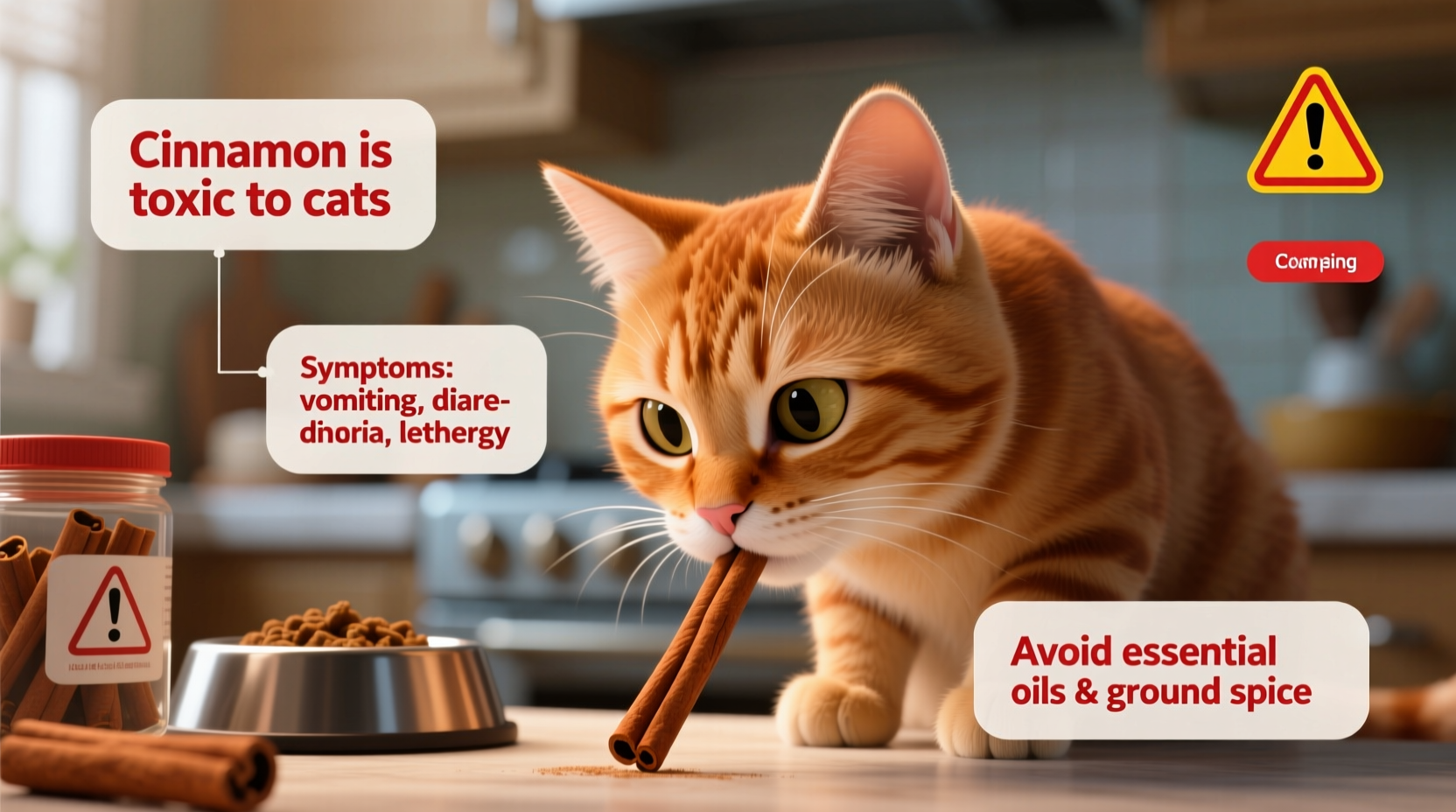
Cinnamon is a spice derived from the inner bark of several tree species from the genus Cinnamomum. When harvested, the bark is dried and either rolled into quills (sticks) or ground into powder. It has been used for thousands of years in traditional medicine, culinary applications, and preservation due to its antimicrobial properties. The two most common commercial types are Ceylon cinnamon (Cinnamomum verum), often called “true” cinnamon, and cassia cinnamon (Cinnamomum cassia), which is more widely available and less expensive.
In human cuisine, cinnamon adds warmth, sweetness, and complexity to baked goods, breakfast cereals, spiced teas, curries, and marinades. Its flavor profile is characterized by a balance of sweetness, slight bitterness, and aromatic warmth. Beyond taste, cinnamon contains bioactive compounds such as cinnamaldehyde, eugenol, and coumarin, which contribute to its scent, flavor, and biological activity. While these compounds offer health benefits in controlled human consumption, they present significant concerns when ingested or inhaled by cats.
Key Characteristics of Cinnamon
| Characteristic | Description |
|---|---|
| Flavor Profile | Warm, sweet, slightly spicy with woody undertones; cassia is stronger and more pungent than Ceylon. |
| Aroma | Intensely aromatic due to volatile oils, especially cinnamaldehyde. |
| Form | Available as ground powder, whole sticks (quills), essential oil, and extract. |
| Active Compounds | Cinnamaldehyde (primary), coumarin (higher in cassia), eugenol. |
| Heat Level | Not a hot spice like chili, but produces a warming sensation on mucous membranes. |
| Culinary Function | Flavor enhancer, preservative, natural sweetener alternative. |
| Shelf Life | Ground: 6–12 months; sticks: 2–3 years; essential oil: up to 5 years if stored properly. |
Why Cinnamon Poses Risks to Cats
Cats are obligate carnivores with livers that lack certain glucuronyl transferase enzymes required to metabolize phenolic compounds efficiently—a trait shared with other animals like dogs and ferrets. This makes them particularly vulnerable to essential oils and plant-based chemicals found in spices such as cinnamon. The primary concern lies in **cinnamaldehyde**, the compound responsible for cinnamon’s flavor and scent, which can irritate tissues and disrupt cellular function in small mammals.
When cats are exposed to cinnamon—especially in concentrated forms like essential oils—they may experience toxic reactions ranging from mild irritation to life-threatening conditions. The American Society for the Prevention of Cruelty to Animals (ASPCA) lists cinnamon as a potentially toxic substance for cats, noting symptoms related to gastrointestinal, respiratory, and neurological distress.
Toxicity depends not only on the amount but also on the form of exposure:
- Ingestion: Eating cinnamon powder or consuming food containing large amounts.
- Inhalation: Breathing in powdered cinnamon or diffused essential oil vapors.
- Dermal Contact: Skin exposure to cinnamon oil, leading to irritation or chemical burns.
Even seemingly harmless uses—such as using cinnamon as a natural insect repellent or air freshener—can endanger cats due to airborne particles or accidental grooming after contact.
Variants & Types: Differences in Risk Levels
Not all cinnamon is created equal in terms of safety risk. There are notable differences between types that affect their toxicity potential:
Cassia Cinnamon (Cinnamomum cassia)
The most common form sold in supermarkets, especially in North America. It contains high levels of **coumarin**, a naturally occurring anticoagulant that can cause liver damage in high doses. In cats, whose livers process toxins inefficiently, coumarin poses a significant risk even in small quantities. Cassia also has higher concentrations of cinnamaldehyde, increasing its irritant potential.
Ceylon Cinnamon (Cinnamomum verum)
Known as “true” cinnamon,” this variety is lighter in color, more delicate in flavor, and significantly lower in coumarin. While still not safe for cats, Ceylon cinnamon presents a reduced risk compared to cassia due to milder chemical composition. However, it remains unsuitable for feline consumption because of residual cinnamaldehyde content.
Cinnamon Essential Oil
By far the most dangerous form. Concentrated up to 90% cinnamaldehyde, just a few drops can induce severe poisoning. Diffusing cinnamon oil in homes with cats is strongly discouraged. Cases reported to veterinary poison control centers include seizures, low blood pressure, and liver failure following oil exposure.
Expert Tip: Never apply any essential oil—including diluted blends—topically on or near cats. Their grooming behavior increases ingestion risk, and their skin absorbs compounds rapidly.
Comparison with Similar Ingredients
Cinnamon is sometimes confused with other warming spices, but its chemical makeup and risks differ significantly from alternatives commonly used in households.
| Spice | Safe for Cats? | Key Difference from Cinnamon |
|---|---|---|
| Nutmeg | No – toxic | Contains myristicin, which causes hallucinations and tachycardia in cats; slower onset but equally dangerous. |
| Ginger | Mildly safe in trace amounts | Less irritating; sometimes used under veterinary supervision for nausea, but not recommended without consultation. |
| Allspice | No – moderate risk | Contains eugenol (like cloves); similar hepatotoxic potential but less studied in cats. |
| Cloves | No – highly toxic | Very high eugenol content; more acutely toxic than cinnamon; unsafe in any form. |
| Vanilla Extract | No – due to alcohol | Not a spice, but often paired with cinnamon; ethanol content makes it poisonous regardless of vanilla itself. |
“Essential oils should never be considered ‘natural equals safe.’ For cats, many plant extracts are potent toxins at microscopic levels.” — Dr. Sarah Wooten, DVM, Veterinary Journalist
Practical Usage: How Humans Can Use Cinnamon Safely Around Cats
Cinnamon does not need to be eliminated entirely from the home, but its use must be carefully managed to protect feline health. Responsible usage involves awareness of exposure pathways and implementing preventive measures.
Kitchen Practices
Using cinnamon in cooking is acceptable if done thoughtfully:
- Store cinnamon containers securely closed and out of reach—preferably in cabinets inaccessible to pets.
- Avoid leaving bowls of cinnamon-laced batter or dough unattended during preparation.
- Clean countertops thoroughly after use to remove residual powder that could be inhaled or licked.
- Do not feed cats any human food containing cinnamon, including pastries, oatmeal, or flavored treats.
Avoiding Airborne Exposure
Inhalation is one of the most underestimated risks:
- Never use powdered cinnamon in DIY cleaning or pest-repellent sprays if you own cats.
- Avoid using cinnamon-scented candles, incense, or reed diffusers in enclosed spaces where cats spend time.
- If using a diffuser elsewhere in the house, ensure excellent ventilation and restrict cat access until vapors dissipate completely.
Skin and Fur Applications
Some holistic pet guides incorrectly suggest using diluted cinnamon oil for flea control. This practice is dangerous and ineffective:
- Cinnamaldehyde damages delicate feline skin and mucous membranes.
- Topical application can lead to dermatitis, chemical burns, and secondary infections.
- Grooming spreads the oil systemically, increasing absorption and organ stress.
Always consult a veterinarian before applying any topical treatment, and opt for FDA-approved flea preventatives instead.
Signs of Cinnamon Toxicity in Cats
Recognizing early symptoms of cinnamon poisoning can save a cat’s life. Onset varies depending on exposure method and quantity, typically appearing within 2–12 hours.
Common Symptoms Include:
- Vomiting and diarrhea (sometimes with blood)
- Drooling or pawing at the mouth (oral irritation)
- Coughing, wheezing, or labored breathing (from inhaled powder or vapor)
- Lethargy or weakness
- Low blood sugar (hypoglycemia)
- Abnormally low heart rate or blood pressure
- Liver dysfunction (jaundice, elevated liver enzymes)
- In severe cases: seizures, coma, or death
If you suspect your cat has ingested or inhaled cinnamon—especially essential oil—contact your veterinarian or an emergency animal poison control center immediately. Provide details about the product type, estimated amount, and time of exposure.
What to Do If Your Cat Is Exposed
Action steps depend on the nature of exposure:
- Ingestion: Do not induce vomiting unless instructed by a vet. Remove remaining cinnamon source. Note the quantity consumed and bring packaging if possible.
- Inhalation: Move the cat to fresh air immediately. Minimize stress and monitor breathing. Seek veterinary evaluation even if symptoms seem mild.
- Skin/Fur Contact: Bathe the cat gently with mild dish soap and lukewarm water to remove residue. Wear gloves to avoid self-exposure. Rinse thoroughly.
- Eye Exposure: Flush eyes with sterile saline solution for several minutes. Seek urgent care.
Treatment may involve intravenous fluids, activated charcoal (if recent ingestion), oxygen therapy, and supportive medications. Prognosis is generally good with prompt intervention, but delays increase complications.
Practical Tips & FAQs
Q: Can cats have foods with a tiny amount of cinnamon?
A: While trace amounts (e.g., incidental contact with a cinnamon-dusted surface) are unlikely to cause harm, intentional feeding—even in small doses—is not advised. Due to variability in individual sensitivity and cumulative exposure risks, it's safest to avoid entirely.
Q: Is organic or \"natural\" cinnamon safer?
A: No. Organic labeling refers to farming practices, not chemical composition. Organic cinnamon still contains cinnamaldehyde and coumarin, making it equally hazardous to cats.
Q: Are cinnamon plants toxic too?
A: True cinnamon trees (Cinnamomum verum) are not commonly grown indoors, but related species like Cinnamomum camphora (camphor tree) are highly toxic. Avoid growing aromatic Cinnamomum species in homes with cats.
Q: Can I use cinnamon to stop my cat from chewing cords?
A: No. Using strong scents like cinnamon as deterrents risks inhalation and oral exposure. Instead, use pet-safe bitter sprays designed for feline use and cover cords with protective tubing.
Q: How long does cinnamon stay toxic in the environment?
A: Powdered cinnamon can remain airborne or settle on surfaces for hours. Clean affected areas with a damp cloth or HEPA-filter vacuum. Essential oil residues may persist longer, especially on fabrics.
Quick Checklist: Cat-Safe Spice Use at Home
- ✅ Store spices in sealed, cat-proof containers
- ✅ Avoid diffusing essential oils in multi-pet homes
- ✅ Clean spills and residues immediately
- ✅ Read labels on homemade cleaners and potpourri
- ✅ Keep emergency vet and poison control numbers accessible
Summary & Key Takeaways
Cinnamon, while safe and beneficial for humans, presents real dangers to cats due to their unique physiology. The active compounds in cinnamon—particularly cinnamaldehyde and coumarin—can cause gastrointestinal, respiratory, and hepatic damage even in small amounts. Cassia cinnamon and essential oils pose the greatest risk, but no form should be considered safe for feline exposure.
The safest approach is prevention: keep cinnamon products securely stored, avoid airborne dispersal methods, and never use cinnamon-based remedies on or near cats. Awareness of toxicity signs allows for rapid response, improving outcomes in accidental exposure cases.
Ultimately, a kitchen rich in spices doesn’t have to exclude cats—but it does require mindful handling. By understanding the science behind feline sensitivities, pet owners can enjoy culinary creativity while ensuring their cats remain healthy and protected.
Stay informed. Stay cautious. Your cat’s health depends on it.









