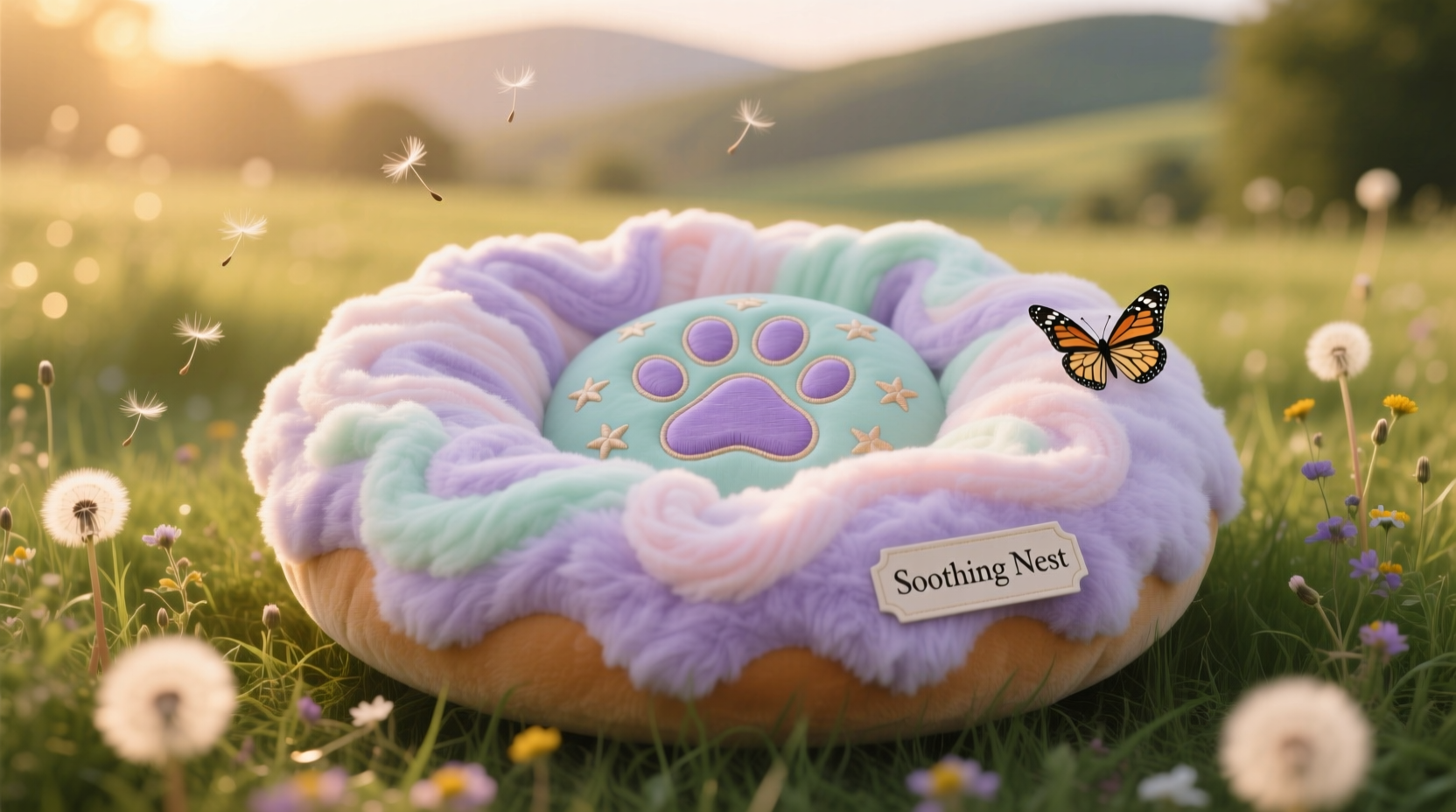
Pets, like humans, need quality rest to maintain physical health and emotional well-being. For many animals—especially older dogs, anxious cats, or breeds prone to joint issues—a standard flat cushion isn’t enough. Enter the calming donut bed: a circular, bolstered pet bed designed to offer full-body support, warmth retention, and a sense of security. More than just a cozy nest, this type of bed mimics the natural nesting behavior seen in wild canines and felines, providing a sanctuary where pets feel protected while they sleep.
Engineered with elevated edges, memory foam bases, and soft, plush fabrics, these beds are increasingly recommended by veterinarians and animal behaviorists for pets experiencing stress, arthritis, or recovery from surgery. The combination of ergonomic design and sensory comfort makes the calming donut bed an essential addition to any pet-friendly home.
The Science Behind Pet Sleep and Comfort
Sleep is critical for cognitive function, immune response, and tissue repair in animals. Dogs typically sleep 12–14 hours a day, while cats can spend up to 16–20 hours resting. However, not all sleep is equal. Disrupted or uncomfortable sleep leads to irritability, weakened immunity, and behavioral issues such as excessive barking or litter box avoidance.
The design of the calming donut bed supports deeper, more restorative sleep by addressing three key needs:
- Thermoregulation: The raised rim traps body heat, creating a warm microclimate that helps pets stay comfortable, especially in cooler environments.
- Pressure relief: High-density memory foam or orthopedic inserts reduce pressure on joints, hips, and shoulders—vital for senior pets or those with arthritis.
- Emotional safety: The circular shape with high sides offers a “den-like” enclosure, reducing anxiety by simulating a protected space.
“Many pets instinctively seek enclosed spaces when stressed. A donut bed’s curved walls provide tactile feedback that calms the nervous system.” — Dr. Lena Reyes, DVM, Animal Behavior Specialist
Key Features That Define a High-Quality Calming Donut Bed
Not all donut beds deliver the same level of comfort or durability. To ensure you’re investing in a product that truly supports your pet’s well-being, consider the following features:
| Feature | Why It Matters | What to Look For |
|---|---|---|
| Memory Foam Base | Distributes weight evenly and reduces joint strain | At least 2–3 inches of high-density foam (≥ 2.5 lb/cu ft) |
| Bolstered Edges | Supports head, neck, and paws; enhances sense of security | Firm but pliable fill (e.g., polyester fiber clusters) |
| Machine-Washable Cover | Ensures hygiene without damaging the structure | Removable zip cover with durable, pet-safe fabric |
| Nonslip Bottom | Prevents sliding on hardwood or tile floors | Rubberized or grippy backing material |
| Hypoallergenic Materials | Reduces risk of skin irritation or allergies | Oeko-Tex certified fabrics, non-toxic dyes |
Who Benefits Most from a Calming Donut Bed?
While all pets can enjoy the comfort of a donut-style bed, certain individuals experience transformative benefits:
- Senior pets: Arthritis and reduced mobility make firm yet cushioned support essential. Orthopedic versions help maintain joint alignment during long rest periods.
- Anxious animals: Pets with noise phobias (e.g., fear of thunderstorms or fireworks) often burrow into enclosed spaces. The high walls provide a tactile barrier that reduces overstimulation.
- Post-surgical recovery: After procedures, pets need stable, low-impact sleeping surfaces. The contoured design prevents rolling and encourages proper posture.
- Small breeds and cats: Toy dogs and felines naturally curl into tight positions. A donut bed accommodates this instinct while preventing stiffness.
Mini Case Study: Luna the Rescue Cat
Luna, a 3-year-old domestic shorthair, was adopted after living in a noisy urban shelter. She exhibited signs of environmental anxiety—hiding under furniture, refusing to sleep in open areas. Her new owner introduced a calming donut bed filled with memory foam and lined with faux sheepskin. Within two days, Luna began resting inside it overnight. Over three weeks, her confidence grew, and she started using the bed as a daytime retreat. The structured edge gave her a place to lean against, reducing hypervigilance. Her veterinarian noted improved grooming habits and reduced stress-related overgrooming.
How to Introduce the Bed to Your Pet
Even the most comfortable bed won’t help if your pet avoids it. Follow this step-by-step approach to encourage adoption:
- Place it in a quiet, familiar area—near their favorite resting spot or beside your bed.
- Add familiar scents—drape a recently worn shirt or place a used blanket inside to create positive associations.
- Use treats and praise—toss small rewards into the center and reward any interaction, even sniffing.
- Gradually increase exposure—leave it out consistently; avoid forcing them in.
- Maintain cleanliness—wash the cover weekly to preserve freshness and appeal.
“Pets respond best to gradual habit formation. Pairing the bed with positive stimuli builds trust faster than coercion.” — Rachel Tran, Certified Pet Trainer
Care and Maintenance Checklist
To extend the life of your pet’s donut bed and ensure ongoing hygiene, follow this simple checklist:
- ✅ Vacuum surface weekly to remove loose fur and dust
- ✅ Spot-clean spills immediately with pet-safe enzymatic cleaner
- ✅ Machine-wash the cover every 1–2 weeks (cold water, gentle cycle)
- ✅ Air-dry completely before reassembling—never use a dryer on memory foam components
- ✅ Rotate the bed monthly to prevent uneven wear
- ✅ Inspect stitching and seams quarterly for fraying or damage
Frequently Asked Questions
Can puppies and kittens use calming donut beds safely?
Yes, provided the bed is appropriately sized and the materials are non-toxic. Avoid beds with loose threads or removable parts that could be chewed. Supervise young pets initially to ensure they can enter and exit easily.
Do calming donut beds help with separation anxiety?
Indirectly, yes. While they don’t treat the root cause of anxiety, the enclosed design provides a secure environment that can reduce symptoms. Pair the bed with training techniques and consult a behaviorist for comprehensive care.
How long do these beds typically last?
A well-maintained donut bed lasts 2–5 years depending on material quality and usage. Memory foam degrades slower than polyester fill, especially when protected from moisture and direct sunlight.
Final Thoughts: Investing in Your Pet’s Rest
A calming donut bed is more than a luxury—it’s a functional tool that supports your pet’s physical health and emotional balance. By combining ergonomic support with psychological comfort, it addresses fundamental needs that flat mats simply can’t meet. Whether your companion is aging, recovering, or simply seeking a safer place to nap, this thoughtful upgrade can lead to quieter nights, reduced stress, and a stronger bond between you and your pet.
💬 Have you noticed a change in your pet’s behavior since using a donut bed? Share your story in the comments and help other pet owners discover the benefits of supportive, calming sleep solutions.








