A burning sensation during urination is a common but often distressing symptom that affects millions of people each year. While it’s frequently linked to minor infections that resolve with prompt care, it can also signal more serious underlying conditions. Understanding the root causes, recognizing when to seek medical help, and knowing how to manage symptoms effectively are crucial steps toward recovery and long-term urinary health.
Common Causes of Burning During Urination
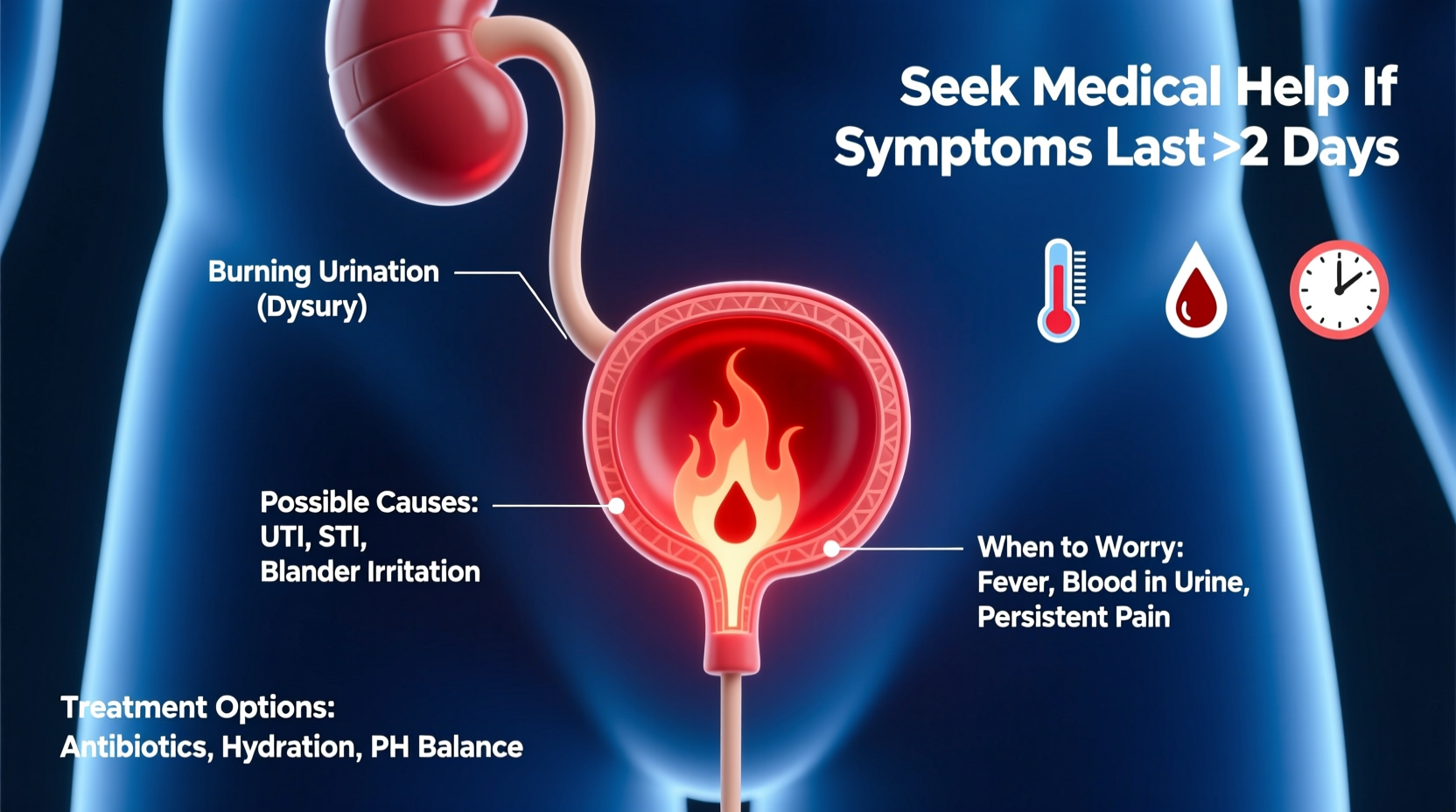
The most frequent cause of painful or burning urination is irritation in the urethra or bladder. This discomfort arises from inflammation, infection, or chemical exposure. The following are among the leading contributors:
- Urinary Tract Infections (UTIs): Bacteria, most commonly *E. coli*, enter the urethra and travel to the bladder, causing cystitis. Women are especially prone due to shorter urethral length.
- Sexually Transmitted Infections (STIs): Chlamydia, gonorrhea, and trichomoniasis can inflame the urethra and produce burning with urination, often accompanied by discharge.
- Yeast Infections: Though typically associated with vaginal itching, yeast overgrowth can irritate nearby tissues and contribute to discomfort during urination.
- Chemical Irritants: Soaps, douches, scented toilet paper, spermicides, or laundry detergents may trigger localized irritation, especially in sensitive individuals.
- Interstitial Cystitis (IC): A chronic condition causing bladder pressure, pain, and persistent urge to urinate—often misdiagnosed as recurrent UTIs.
- Prostatitis: In men, inflammation of the prostate gland can mimic UTI symptoms, including burning and frequent urination.
Treatment Options Based on Cause
Effective treatment depends entirely on identifying the underlying issue. Self-diagnosis can be misleading, but understanding typical interventions helps guide conversations with healthcare providers.
For Bacterial Infections (UTIs & STIs)
Antibiotics are the standard treatment. Common prescriptions include:
- Nitrofurantoin or trimethoprim-sulfamethoxazole for uncomplicated UTIs
- Azithromycin or doxycycline for chlamydia
- Ceftriaxone for gonorrhea
It’s essential to complete the full course even if symptoms improve quickly.
For Yeast Infections
Antifungal medications—either oral (fluconazole) or topical (creams, suppositories)—are used to restore microbial balance. Over-the-counter options like miconazole are effective for mild cases.
For Chemical Irritation
Symptoms usually resolve within 24–48 hours once the irritant is removed. Switch to fragrance-free, hypoallergenic products and wear breathable cotton underwear.
For Chronic Conditions (e.g., Interstitial Cystitis)
Management involves a multi-pronged approach:
- Dietary modifications (avoiding acidic, spicy, or caffeinated foods)
- Bladder training techniques
- Prescription medications such as pentosan polysulfate sodium
- In some cases, physical therapy or nerve stimulation
“Not all burning sensations point to infection. We see many patients who’ve been treated repeatedly for UTIs but actually have interstitial cystitis or vulvodynia.” — Dr. Lena Torres, Urogynecologist at Pacific Women’s Health Center
When to Worry: Red Flags That Demand Medical Attention
While occasional burning may resolve on its own, certain symptoms indicate a need for immediate evaluation. Delaying care can lead to complications like kidney infections or pelvic inflammatory disease.
| Symptom | Potential Concern | Action Required |
|---|---|---|
| Fever above 101°F (38.3°C) | Possible kidney infection (pyelonephritis) | Seek urgent care or ER visit |
| Back or flank pain | Kidney involvement | Immediate medical assessment |
| Blood in urine (hematuria) | Severe infection, stones, or other pathology | Consult doctor within 24 hours |
| Persistent symptoms beyond 2–3 days | Resistant infection or misdiagnosis | Schedule appointment promptly |
| Recurrent episodes (≥2 in 6 months) | Chronic condition or anatomical issue | Comprehensive urological evaluation |
Step-by-Step Guide: What to Do If You Experience Burning When You Pee
- Assess your symptoms: Note onset, severity, presence of fever, discharge, or frequency changes.
- Stay hydrated: Drink water to flush bacteria from the urinary tract.
- Avoid irritants: Stop using scented soaps, douches, or tight synthetic clothing.
- Use over-the-counter relief cautiously: Phenazopyridine (Azo) can numb the urinary tract temporarily but doesn’t treat infection.
- Collect a midstream urine sample if possible: Some clinics request this for testing.
- Contact a healthcare provider: Especially if symptoms persist beyond 24–48 hours or red flags appear.
- Follow prescribed treatment fully: Even if you feel better, finish antibiotics to prevent resistance.
Real Example: Recognizing More Than Just a UTI
Sophie, a 34-year-old teacher, experienced recurring burning with urination for nearly eight months. Each time, she was diagnosed with a UTI and given antibiotics, but symptoms returned within weeks. After her third round, she sought a second opinion. A urine culture revealed no bacterial growth, prompting further investigation. She was eventually diagnosed with interstitial cystitis. With dietary changes, bladder physiotherapy, and low-dose amitriptyline, her symptoms improved significantly within two months. Her case underscores the importance of questioning recurring diagnoses and advocating for thorough testing.
Prevention Checklist
Reducing the risk of urinary discomfort involves consistent, simple habits:
- ✅ Wipe front to back after using the toilet
- ✅ Urinate shortly after sexual intercourse
- ✅ Stay well-hydrated throughout the day
- ✅ Wear cotton-lined underwear and loose-fitting clothes
- ✅ Avoid douching and harsh feminine hygiene sprays
- ✅ Limit intake of bladder irritants: caffeine, alcohol, spicy foods
Frequently Asked Questions
Can dehydration cause burning when I pee?
Yes. Concentrated urine due to low fluid intake can irritate the lining of the bladder and urethra, creating a stinging sensation. Increasing water intake often provides quick relief if no infection is present.
Is it possible to have a UTI without a fever?
Absolutely. Most uncomplicated UTIs affect only the lower urinary tract (bladder and urethra) and present with urgency, frequency, and burning—but no fever. Fever typically indicates the infection has reached the kidneys.
I’m a man and I feel burning when I pee—what could it be?
In men, causes include UTIs (less common than in women), STIs, prostatitis, or urethral strictures. Given the lower baseline risk, persistent symptoms warrant prompt evaluation to rule out structural or inflammatory issues.
Final Thoughts: Take Control of Your Urinary Health
Burning during urination should never be ignored—even if it seems minor. While many causes are treatable and temporary, dismissing symptoms can allow conditions to progress. Whether it’s adjusting personal care habits, seeking timely medical advice, or investigating chronic patterns, proactive care makes a significant difference. Listen to your body, document your symptoms, and don’t hesitate to ask for specialized testing when needed.
💬 Your health matters. If you’ve experienced persistent urinary discomfort, talk to a healthcare provider today. Share this article to help others recognize when burning isn’t just “part of being a woman” or “something to tough out.”








