Burning shoulder pain is more than just discomfort—it can disrupt daily activities, interfere with sleep, and limit mobility. Unlike dull or aching pain, a burning sensation often signals nerve involvement, inflammation, or soft tissue damage. Understanding the root cause is essential for effective treatment. Whether the pain stems from an injury, repetitive strain, or an underlying medical condition, timely intervention can prevent long-term complications and restore function.
Common Causes of Burning Shoulder Pain
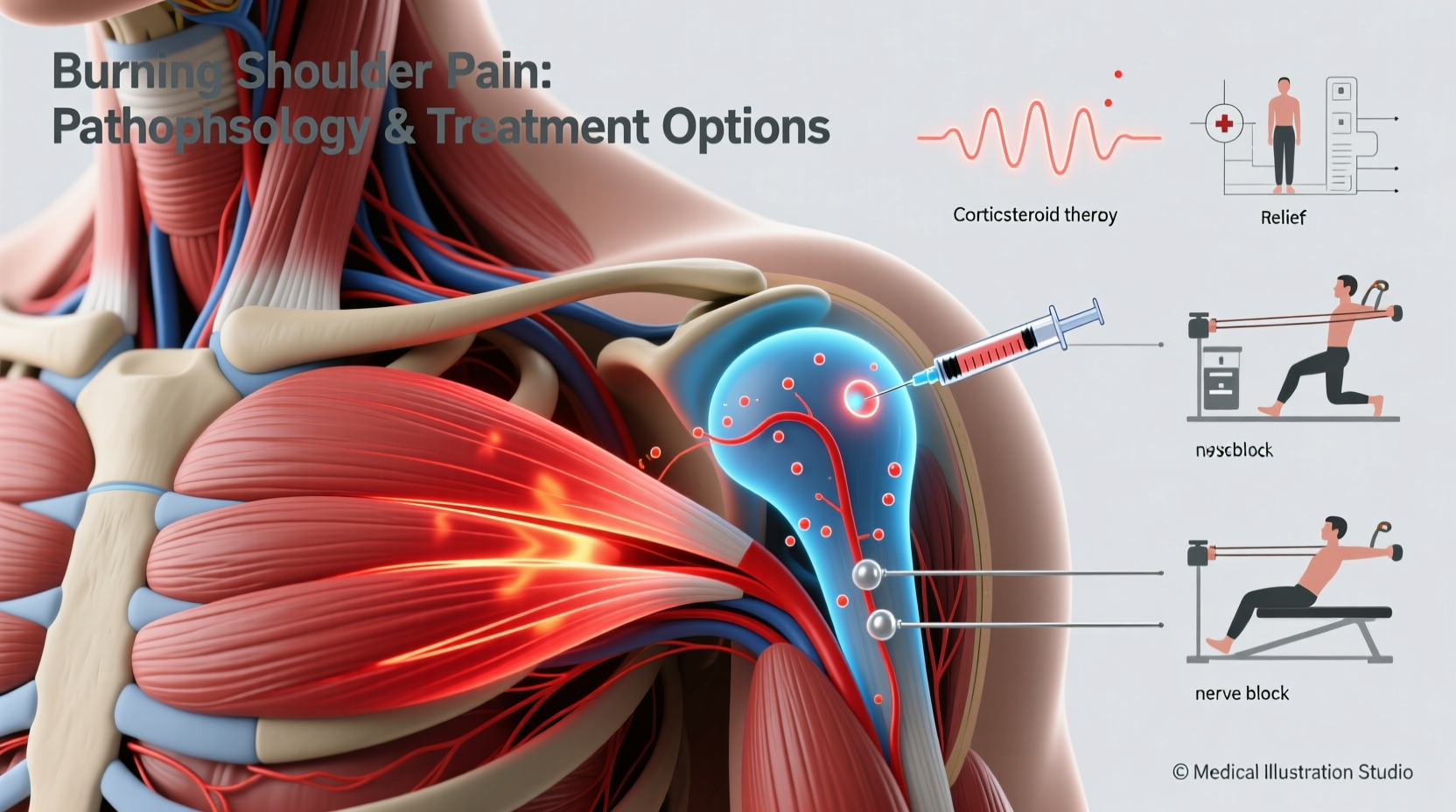
A burning sensation in the shoulder is rarely due to a single factor. It typically arises from irritation or damage to nerves, muscles, tendons, or surrounding tissues. Some of the most frequent causes include:
- Pinched Nerve (Cervical Radiculopathy): When a nerve in the neck is compressed—often due to a herniated disc or bone spur—it can send radiating pain into the shoulder, accompanied by tingling or numbness.
- Rotator Cuff Injury: Tears or inflammation in the group of muscles and tendons that stabilize the shoulder may produce a deep, burning ache, especially during overhead movements.
- Brachial Plexus Injury: This network of nerves running from the spine to the arm can be damaged through trauma or overuse, leading to sharp, burning pain.
- Thoracic Outlet Syndrome: Compression of nerves or blood vessels between the collarbone and first rib can cause burning, tingling, and weakness in the shoulder and arm.
- Shingles (Herpes Zoster): A viral infection that affects nerve pathways, shingles can cause intense burning pain before a rash appears, often on one side of the body including the shoulder.
- Poor Posture and Muscle Imbalance: Chronic slouching or forward head posture increases tension in the upper trapezius and cervical muscles, contributing to nerve irritation and a burning sensation.
- Diabetic Neuropathy: In individuals with diabetes, high blood sugar levels can damage peripheral nerves, sometimes manifesting as burning pain in the shoulders or arms.
Treatment Options for Relief
Effective treatment depends on accurately identifying the underlying cause. However, several evidence-based approaches can provide significant relief across multiple conditions.
Medical Interventions
- Medications: Nonsteroidal anti-inflammatory drugs (NSAIDs) like ibuprofen help reduce inflammation and pain. For nerve-related pain, doctors may prescribe gabapentin or pregabalin.
- Corticosteroid Injections: Used for severe inflammation, such as in rotator cuff tendinitis or cervical radiculopathy, these injections deliver targeted relief.
- Physical Therapy: A physical therapist can design a program to strengthen supporting muscles, improve posture, and relieve nerve compression.
- Surgery: Reserved for cases unresponsive to conservative treatment, surgical options include decompression of pinched nerves or repair of torn tendons.
Non-Medical and Home-Based Relief Strategies
- Rest and Activity Modification: Avoid movements that worsen symptoms, especially repetitive overhead motions.
- Cold and Heat Therapy: Apply ice packs for 15 minutes every few hours during the first 48 hours to reduce inflammation. Afterward, use heat to relax tight muscles.
- Stretching Exercises: Gentle stretches for the neck, shoulders, and upper back can alleviate tension and improve range of motion.
- Ergonomic Adjustments: Modify your workspace to maintain neutral spine alignment—raise your monitor to eye level and use an ergonomic chair.
“Persistent burning pain should never be ignored. Early diagnosis and intervention significantly improve outcomes, especially when nerves are involved.” — Dr. Lena Patel, Neurologist and Pain Management Specialist
Step-by-Step Guide to Managing Acute Burning Shoulder Pain
When burning shoulder pain first appears, follow this structured approach to manage symptoms and determine whether professional care is needed.
- Assess the Onset: Note when the pain started, any triggering activity, and whether it radiates down the arm or up into the neck.
- Apply Ice: Use a cold pack wrapped in a thin towel for 15–20 minutes every 2–3 hours during the first day.
- Limit Aggravating Activities: Stop lifting, reaching overhead, or any movement that intensifies the sensation.
- Take OTC Pain Relief: Use ibuprofen or acetaminophen as directed, unless contraindicated by other health conditions.
- Perform Gentle Stretches: Try chin tucks, shoulder rolls, and cross-body arm stretches slowly and without force.
- Monitor Symptoms: If pain persists beyond 72 hours, worsens, or includes numbness/weakness, schedule a doctor’s visit.
- Seek Evaluation: A healthcare provider may order imaging (MRI, X-ray) or nerve conduction studies to pinpoint the cause.
Do’s and Don’ts: Quick Reference Table
| Do’s | Don’ts |
|---|---|
| Use proper posture while sitting and working | Slouch or hunch over digital devices |
| Engage in low-impact exercises like swimming or walking | Lift heavy weights with poor form |
| Practice regular shoulder and neck stretches | Ignore persistent or worsening pain |
| Consult a specialist if neurological symptoms appear | Self-diagnose or delay medical evaluation |
| Stay hydrated and manage chronic conditions like diabetes | Smoke, which can impair circulation and nerve health |
Real-Life Example: Recovery from Thoracic Outlet Syndrome
Sarah, a 34-year-old graphic designer, began experiencing a constant burning sensation along her left shoulder and down her arm after transitioning to a remote work setup. She initially dismissed it as stress-related tension. Over time, the pain intensified, accompanied by occasional numbness in her fingers. After visiting a neurologist, she was diagnosed with thoracic outlet syndrome caused by prolonged poor posture and tight scalene muscles.
Her treatment plan included physical therapy twice a week, ergonomic adjustments to her desk setup, and daily stretching routines. Within six weeks, Sarah reported a 70% reduction in burning pain and regained full sensation in her hand. Her case highlights how lifestyle factors can contribute to nerve compression—and how structured interventions lead to recovery.
Prevention Checklist
To reduce the risk of developing burning shoulder pain, incorporate these habits into your routine:
- ✅ Maintain neutral spine alignment while sitting and standing
- ✅ Take breaks every 30–60 minutes during desk work
- ✅ Strengthen core and scapular stabilizing muscles
- ✅ Avoid carrying heavy bags on one shoulder
- ✅ Practice mindful breathing to reduce upper trapezius tension
- ✅ Stay physically active with balanced strength and flexibility training
- ✅ Manage systemic conditions like diabetes and hypertension
Frequently Asked Questions
Can anxiety cause burning shoulder pain?
Yes. Anxiety can lead to muscle tension, particularly in the neck and shoulders, which may compress nerves and create a burning sensation. Hyperventilation associated with panic attacks can also alter blood pH and increase nerve sensitivity.
Is burning shoulder pain a sign of a heart attack?
It can be, especially in women. While left shoulder pain is more commonly linked to cardiac issues, burning or radiating pain accompanied by chest pressure, nausea, dizziness, or shortness of breath warrants immediate emergency evaluation.
How long does nerve-related shoulder pain last?
With proper treatment, mild nerve irritation can resolve in 2–6 weeks. More severe cases, such as cervical radiculopathy, may take 3–6 months. Chronic neuropathic pain requires ongoing management.
Conclusion: Take Control of Your Shoulder Health
Burning shoulder pain is not something to push through. Whether it stems from nerve compression, muscular strain, or an underlying condition, addressing it early improves the likelihood of full recovery. From simple posture corrections to targeted therapies, effective solutions exist. Listen to your body, apply consistent self-care, and consult a healthcare provider when needed.
🚀 Your next step matters. Start with one change today—adjust your workstation, perform a stretch, or book that overdue check-up. Share your experience or questions below to connect with others managing similar challenges.








