Burning heel pain is more than just discomfort—it can disrupt daily life, hinder mobility, and signal underlying health issues. Unlike sharp or dull aches, a burning sensation in the heel often points to nerve involvement, inflammation, or systemic conditions. Understanding the root causes and knowing which treatment paths offer real relief is essential for recovery and long-term foot health.
Common Causes of Burning Heel Pain
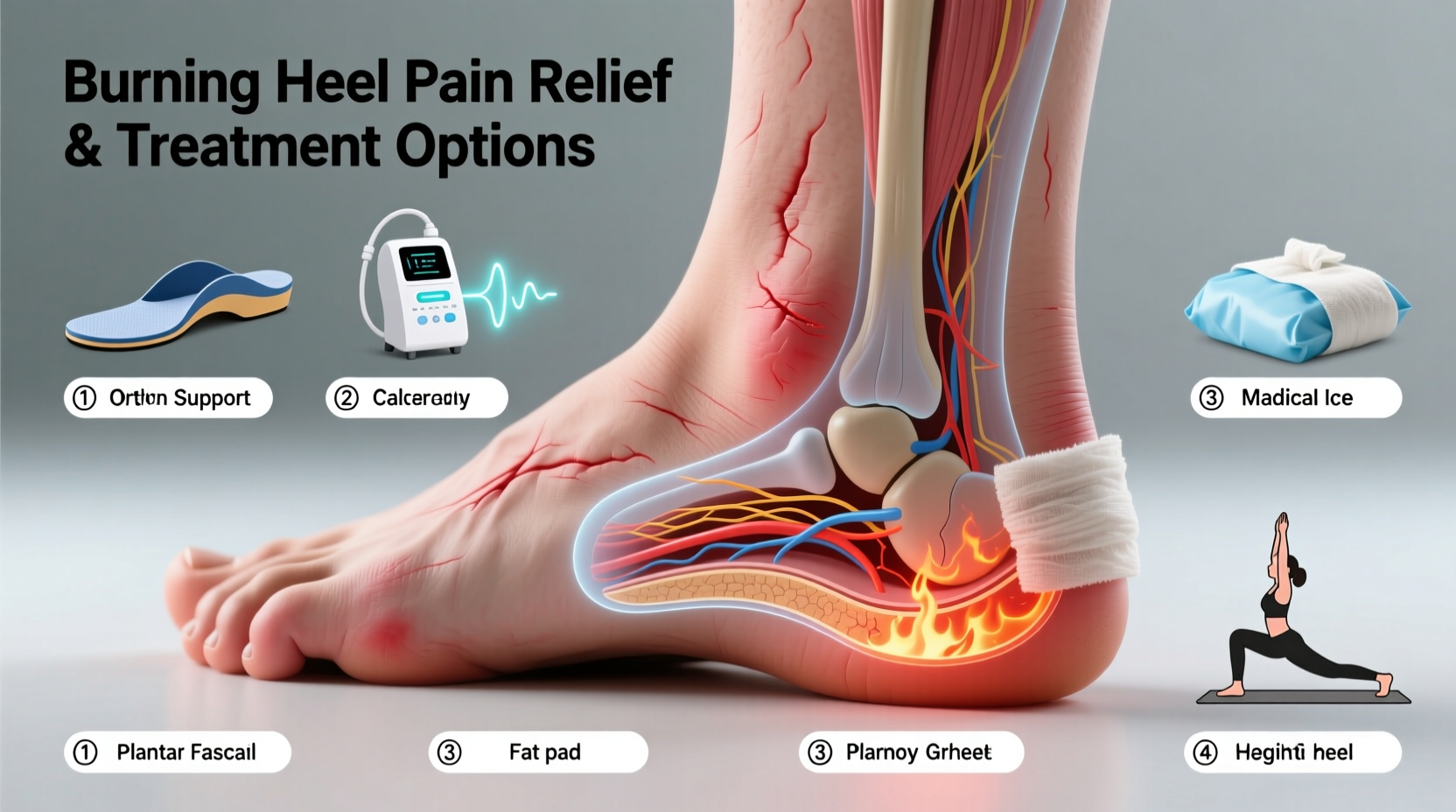
A persistent burning feeling in the heel rarely appears without reason. Several medical and lifestyle factors contribute to this symptom, ranging from mechanical stress to neurological disorders.
- Plantar fasciitis: Though typically associated with stabbing pain, chronic cases can evolve into a burning sensation due to prolonged inflammation of the plantar fascia—the thick band supporting the arch.
- Peripheral neuropathy: Often linked to diabetes, this condition damages nerves in the feet, leading to tingling, numbness, and a distinct burning pain, especially at night.
- Tarsal tunnel syndrome: Similar to carpal tunnel in the wrist, this occurs when the posterior tibial nerve is compressed behind the ankle, causing radiating burning pain into the heel.
- Nerve entrapment or sciatica: Lumbar spine issues can refer pain down the leg and into the heel via the sciatic nerve, mimicking localized foot problems.
- Poor footwear: Shoes lacking support or cushioning increase pressure on the heel and may irritate nerves over time.
- Heel bursitis: Inflammation of the bursa—a fluid-filled sac near the Achilles insertion—can produce a hot, burning ache.
- Infections or autoimmune conditions: Rarely, cellulitis or rheumatoid arthritis can manifest with burning heel symptoms.
Evidence-Based Treatment Options
Effective treatment depends on accurate diagnosis. However, several interventions have demonstrated consistent success across multiple studies and clinical practices.
Non-Surgical Approaches
- Custom orthotics: Tailored shoe inserts correct biomechanical imbalances, reducing strain on the plantar fascia and nerves.
- Physical therapy: Stretching exercises for the calf muscles, Achilles tendon, and plantar fascia improve flexibility and reduce nerve compression.
- Medications: Over-the-counter NSAIDs (e.g., ibuprofen) help manage inflammation. For neuropathic pain, doctors may prescribe gabapentin or pregabalin.
- Corticosteroid injections: Used sparingly, these can reduce severe inflammation in plantar fasciitis or bursitis.
- Radiofrequency ablation or nerve blocks: For refractory tarsal tunnel syndrome, targeted nerve modulation may provide lasting relief.
Surgical Considerations
Surgery is rare but considered when conservative measures fail after 6–12 months. Procedures include:
- Decompression of the tibial nerve in tarsal tunnel syndrome.
- Plantar fascia release for chronic plantar fasciitis.
- Removal of cysts or scar tissue impinging nerves.
“Persistent burning heel pain should never be dismissed as simple overuse. Nerve conduction studies and imaging are often needed to uncover the true cause.” — Dr. Alan Reyes, Podiatric Neurology Specialist
Relief Strategies You Can Start Today
While medical treatment addresses the root issue, immediate relief strategies can significantly improve quality of life.
| Method | How It Helps | Frequency/Duration |
|---|---|---|
| Cold therapy | Reduces inflammation and numbs nerve pain | 15–20 minutes, 3x daily |
| Heel cushions or gel pads | Shock absorption and pressure redistribution | Wear during all standing/walking activities |
| Night splints | Keeps plantar fascia stretched overnight | While sleeping |
| Dry neurostimulation (TENS) | Interrupts pain signals using low-voltage current | 20–30 minutes, 1–2x daily |
| Foot elevation | Decreases swelling and improves circulation | Several times daily, 15+ minutes |
Step-by-Step: Managing Burning Heel Pain at Home
Follow this structured plan to reduce symptoms and prevent worsening:
- Day 1–3: Rest and avoid prolonged standing. Apply ice 3 times daily. Begin gentle toe stretches.
- Day 4–7: Introduce calf stretches twice daily. Wear supportive shoes even indoors. Use OTC pain relief as needed.
- Week 2: Add resistance band exercises to strengthen foot intrinsic muscles. Evaluate footwear—replace worn-out shoes.
- Week 3–4: Monitor progress. If no improvement, schedule a podiatry consultation. Consider orthotic fitting.
- Ongoing: Maintain a stretching routine, wear proper footwear, and control systemic conditions like diabetes.
Real-Life Example: Maria’s Recovery Journey
Maria, a 58-year-old teacher with type 2 diabetes, began experiencing intense burning in her right heel after long school days. Initially dismissing it as fatigue, she noticed the pain worsened at night and was accompanied by tingling. After visiting a podiatrist, she was diagnosed with diabetic peripheral neuropathy and early-stage plantar fasciitis.
Her treatment plan included custom orthotics, nightly use of a dorsal night splint, and a regimen of pregabalin for nerve pain. She also started a daily walking program with supportive shoes and incorporated seated foot stretches between classes. Within eight weeks, her burning sensation reduced by 70%, and she regained confidence in her mobility.
Maria’s case underscores the importance of early intervention and addressing both structural and systemic contributors.
Do’s and Don’ts: Quick Checklist
Your Action Plan
- ✅ Do see a doctor if pain persists beyond two weeks.
- ✅ Do test blood sugar levels if you have risk factors for diabetes.
- ✅ Do stretch your calves and feet daily.
- ✅ Do invest in high-quality, supportive footwear.
- ❌ Don’t ignore numbness or nighttime pain escalation.
- ❌ Don’t walk barefoot on hard surfaces.
- ❌ Don’t self-diagnose; burning pain requires professional evaluation.
Frequently Asked Questions
Can burning heel pain be a sign of diabetes?
Yes. Diabetic peripheral neuropathy commonly causes burning, tingling, or electric-like sensations in the feet, often starting in the heels or toes. Uncontrolled blood sugar damages nerves over time. Early detection through neurological exams can prevent complications.
Is it safe to exercise with burning heel pain?
It depends on the cause. Low-impact activities like swimming or cycling are generally safe and promote circulation. However, running or jumping can aggravate plantar fasciitis or nerve irritation. Always consult a healthcare provider before resuming exercise.
How long does it take for burning heel pain to go away?
Recovery varies. Mild cases related to overuse may resolve in 2–6 weeks with rest and care. Neuropathic or chronic conditions may require months of treatment. Consistency with therapy and adherence to medical advice greatly influence outcomes.
Take Control of Your Foot Health
Burning heel pain is not something you must endure. Whether stemming from nerve damage, inflammation, or mechanical stress, effective solutions exist. The key lies in identifying the underlying cause and taking deliberate, informed steps toward healing. From choosing the right footwear to seeking timely medical guidance, every decision shapes your recovery trajectory.
💬 Have you experienced burning heel pain? Share your story or tips in the comments—your insight could help someone find relief.








