
Small bumps on the hands are more common than many realize. While most are harmless, they can cause discomfort, affect appearance, or signal an underlying condition. Whether you've noticed tiny blisters, firm lumps, or itchy patches, understanding what’s behind these bumps is key to proper care. From benign growths like cysts to inflammatory conditions such as eczema, this guide explores the most frequent causes, treatment options, and when to seek medical advice.
Common Causes of Bumps on the Hands
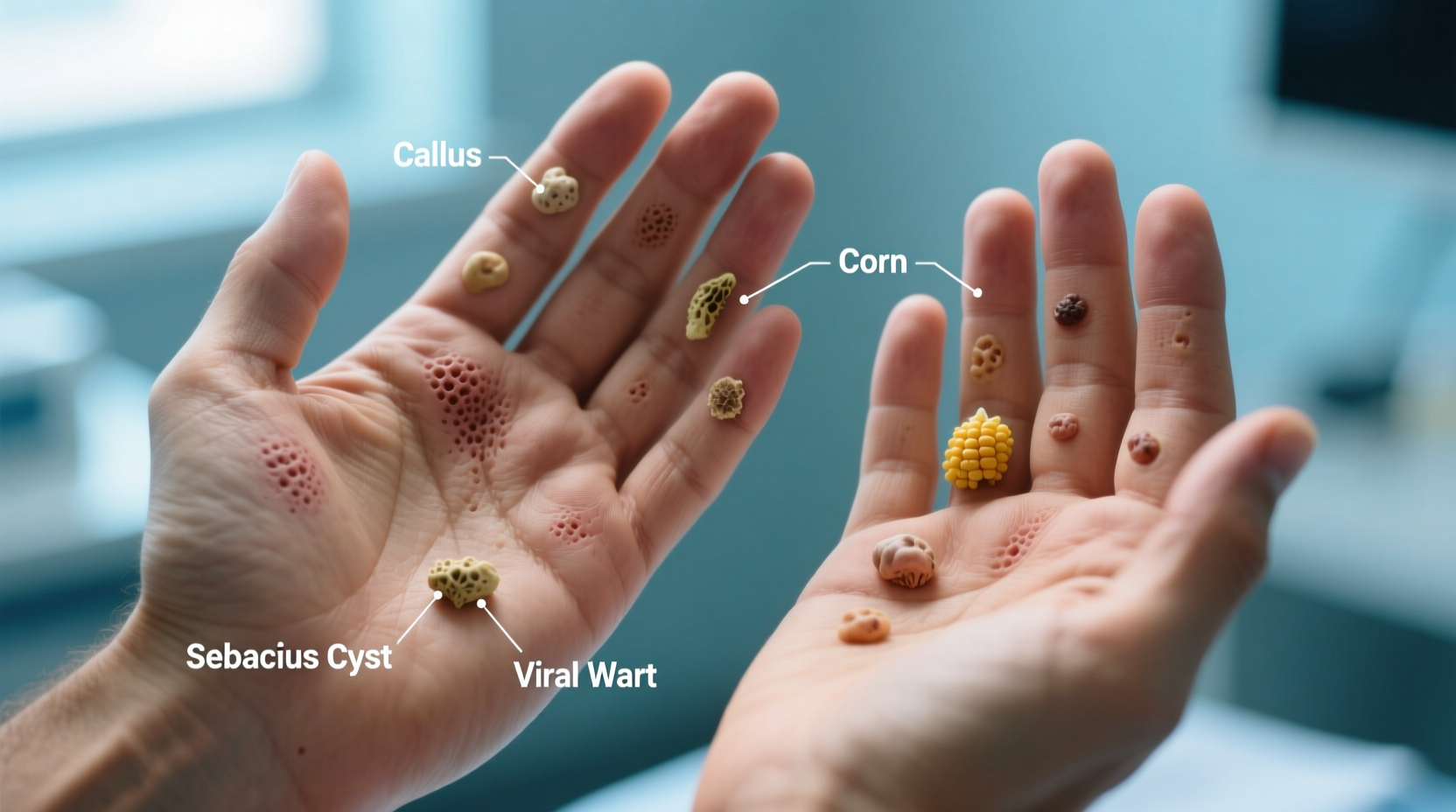
Bumps on the hands can arise from a range of sources—some related to skin health, others to deeper tissue issues. Identifying the type of bump helps determine whether home care is sufficient or if professional evaluation is needed.
1. Hand Warts (Viral Infections)
Caused by the human papillomavirus (HPV), warts appear as rough, grainy growths that may be flesh-colored, white, or slightly darker. They often develop where the skin has small cuts or abrasions and can spread through touch.
2. Dyshidrotic Eczema
This form of eczema produces deep-seated, itchy blisters on the palms, sides of fingers, and sometimes soles of the feet. Flare-ups are often triggered by stress, seasonal changes, or exposure to allergens like nickel or cobalt.
3. Ganglion Cysts
These fluid-filled sacs typically form near joints or tendons, especially on the wrist or base of fingers. They vary in size and may change over time. Though usually painless, they can become uncomfortable with movement.
4. Skin Tags and Calluses
Skin tags are soft, benign flaps of tissue, while calluses are thickened areas caused by friction. Both are generally harmless but may be bothersome cosmetically or physically.
5. Contact Dermatitis
Exposure to irritants like detergents, chemicals, or plants (e.g., poison ivy) can lead to red, bumpy rashes. Allergic reactions produce similar symptoms but involve immune system activation.
Tip: Avoid picking or scratching bumps on your hands—this can worsen irritation, delay healing, or introduce infection.Treatment Options Based on Cause
Treatment depends entirely on the diagnosis. Using the wrong approach—like applying steroid cream to a fungal infection—can make things worse. Below is a breakdown of effective interventions for each condition.
| Condition | Recommended Treatment | When to See a Doctor |
|---|---|---|
| Warts | Salicylic acid, cryotherapy (freezing), or minor surgical removal | If spreading rapidly, painful, or unresponsive to OTC treatment |
| Dyshidrotic Eczema | Topical corticosteroids, moisturizers, antihistamines for itching | If blisters become infected or flare-ups occur frequently |
| Ganglion Cysts | Observation, aspiration (fluid drainage), or surgical excision | If causing pain, limiting motion, or growing quickly |
| Contact Dermatitis | Avoid trigger, use fragrance-free products, apply hydrocortisone cream | If rash spreads or develops signs of infection (pus, fever) |
| Fungal Infections | Antifungal creams (clotrimazole, terbinafine) | If not improving after two weeks of treatment |
“Many hand bumps are benign, but persistent or changing lesions should always be evaluated. Early assessment prevents complications.” — Dr. Lena Patel, Board-Certified Dermatologist
Step-by-Step Guide to Managing Hand Bumps at Home
For mild cases, conservative care can reduce symptoms and promote healing. Follow this practical sequence:
- Identify the Pattern: Note when the bump appeared, its texture, color, and any triggers (e.g., cleaning, gardening).
- Clean Gently: Wash the area with lukewarm water and mild, fragrance-free soap. Pat dry—do not rub.
- Apply Appropriate Treatment: Use over-the-counter remedies suited to suspected cause (e.g., hydrocortisone for inflammation, salicylic acid for warts).
- Maintain Moisture: Apply a hypoallergenic hand cream several times daily, especially after washing.
- Protect Your Hands: Wear gloves during chores involving water, detergents, or soil to prevent further irritation.
- Monitor Changes: Track size, color, pain level, and response to treatment over 7–10 days.
Mini Case Study: Managing Recurring Blistering Eczema
Sarah, a 34-year-old florist, began noticing itchy, fluid-filled bumps on her palms every spring. Initially dismissing them as dry skin, she later found the blisters cracked and became painful, interfering with her work. After visiting a dermatologist, she was diagnosed with dyshidrotic eczema, likely aggravated by frequent contact with floral preservatives and wet soil.
Her treatment plan included prescription-strength topical steroids for flare-ups, daily application of ceramide-based moisturizer, and wearing protective gloves while handling flowers. Within six weeks, her symptoms improved significantly. By identifying her triggers and maintaining a consistent skincare routine, Sarah reduced recurrence and regained comfort in her daily tasks.
Prevention Checklist
- ✔️ Wash hands with gentle, fragrance-free soap
- ✔️ Moisturize immediately after washing
- ✔️ Wear gloves when using cleaning agents or gardening
- ✔️ Avoid sharing towels, razors, or personal items that touch the hands
- ✔️ Trim nails regularly to prevent micro-tears from scratching
- ✔️ Manage stress through mindfulness or exercise (stress can trigger eczema)
- ✔️ Check for metal allergies if bumps appear after wearing rings or watches
Frequently Asked Questions
Are bumps on the hands contagious?
Some are. Warts caused by HPV and fungal infections like ringworm can spread through direct contact or shared objects. However, cysts, eczema, and skin tags are not contagious.
Can diet affect hand bumps?
Indirectly, yes. Deficiencies in zinc or vitamin B complex may contribute to skin fragility. Additionally, some people report eczema flare-ups linked to food sensitivities, though this varies individually. A balanced diet supports overall skin resilience.
When should I worry about a bump on my hand?
Seek medical attention if the bump is rapidly growing, bleeding, ulcerating, very painful, or accompanied by fever or swelling. Also consult a doctor if it doesn’t improve within 2–3 weeks of self-care.
Conclusion: Take Charge of Your Hand Health
Bumps on the hands are often manageable with informed care. Recognizing the differences between cysts, infections, and inflammatory conditions empowers you to respond appropriately. While many cases resolve with simple measures, knowing when to consult a dermatologist ensures serious issues aren’t overlooked. Your hands are constantly exposed—they deserve consistent protection and attention.
💬 Have you dealt with persistent hand bumps? Share your experience or questions below—your story could help someone find relief.








