A bump in the mouth can be alarming, but it’s more common than many people realize. These small growths or swellings may appear on the gums, inner cheeks, tongue, lips, or roof of the mouth. While some are harmless and resolve on their own, others may signal underlying health issues requiring medical attention. Understanding the possible causes, recognizing associated symptoms, and knowing when to seek treatment are essential steps toward maintaining oral health.
Common Causes of Oral Bumps
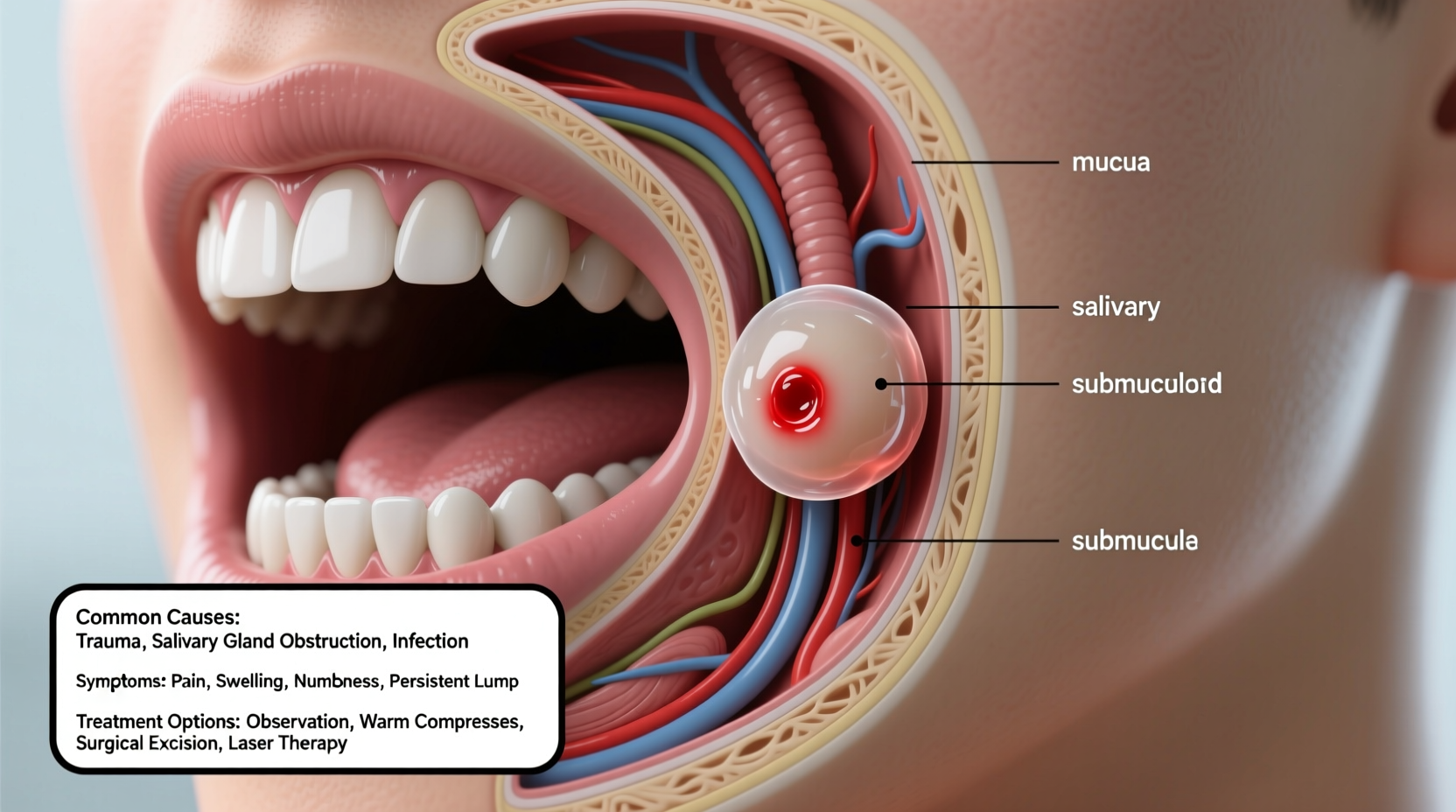
Oral bumps vary widely in appearance, location, and cause. Some develop due to minor trauma, while others stem from infections, systemic conditions, or even precancerous changes. The most frequently encountered causes include:
- Canker sores (aphthous ulcers): Small, painful ulcers with a white or yellow center and red border. They typically form inside the cheeks, lips, or under the tongue.
- Cold sores (herpes simplex virus): Fluid-filled blisters that often appear on the lip margins but can spread inside the mouth. Highly contagious and recurring.
- Oral mucoceles: Painless, fluid-filled cysts caused by blocked salivary glands, commonly found on the inner lower lip.
- Irritation fibromas: Benign overgrowths of connective tissue due to chronic irritation—such as from biting or ill-fitting dentures.
- Gingival abscesses: Localized pus collections resulting from bacterial infection, often linked to food impaction or poor dental hygiene.
- Pyogenic granuloma: A rapidly growing, red nodule that bleeds easily, often triggered by hormonal changes or minor trauma.
- Oral thrush (candidiasis): A fungal infection causing creamy white lesions, typically seen in infants, elderly individuals, or those with weakened immune systems.
- Oral lichen planus: An inflammatory condition producing lacy white patches or open sores, possibly related to autoimmune activity.
- Oral cancer: Persistent, non-healing sores, lumps, or red/white patches that may be accompanied by pain, difficulty swallowing, or numbness.
Symptoms Associated with Mouth Bumps
The symptoms accompanying an oral bump provide critical clues about its origin. While some bumps are asymptomatic, others cause discomfort or interfere with daily functions. Key indicators include:
- Pain or tenderness at the site
- Burning sensation, especially with acidic foods
- Swelling or increased size over time
- Bleeding upon brushing or eating
- Change in texture (hard, soft, smooth, rough)
- Color variations (white, red, yellow, purple)
- Difficulty speaking, chewing, or swallowing
- Presence of fever or swollen lymph nodes (in infectious cases)
For example, a canker sore tends to be painful and self-limiting within 1–2 weeks, whereas a persistent lump that doesn’t heal after three weeks warrants evaluation for malignancy.
Treatment Options Based on Cause
Effective treatment depends entirely on identifying the underlying cause. Self-care may suffice for minor irritations, but professional diagnosis is crucial for recurrent or suspicious lesions.
| Condition | Typical Symptoms | Treatment Approach |
|---|---|---|
| Canker Sores | Painful ulcer, round shape, red halo | Topical anesthetics, antimicrobial rinses, vitamin B12 supplementation |
| Cold Sores | Clustered blisters, tingling before outbreak | Antiviral creams (acyclovir), oral antivirals for frequent recurrences |
| Mucocele | Clear or bluish soft bump, movable | Observation; surgical removal if persistent |
| Fibroma | Firm, smooth, same-color bump | Excision if bothersome, remove source of irritation |
| Oral Abscess | Throbbing pain, swelling, pus | Drainage, antibiotics, root canal or extraction if tooth-related |
| Oral Thrush | White plaques, removable with scraping | Antifungal lozenges or oral medication (fluconazole) |
| Oral Cancer | Persistent sore, induration, bleeding | Biopsy, surgery, radiation, chemotherapy |
“Any lesion that persists beyond two to three weeks without improvement should be evaluated by a dentist or oral medicine specialist.” — Dr. Lena Patel, Board-Certified Oral Pathologist
Step-by-Step Guide: What to Do When You Notice a Bump
If you discover a bump in your mouth, follow this structured approach to determine the next steps:
- Observe and document: Note the date of appearance, location, size, color, and whether it's painful.
- Check for possible triggers: Recent dental work? Accidental bite? New toothpaste or mouthwash?
- Practice gentle oral hygiene: Brush with a soft-bristled brush and use alcohol-free mouthwash.
- Avoid irritants: Stay away from spicy, acidic, or crunchy foods that could aggravate the area.
- Monitor for changes: Track healing progress over 7–10 days.
- Seek professional evaluation: If the bump grows, bleeds, or fails to heal within three weeks, schedule a dental or medical consultation.
- Prepare for assessment: Be ready to discuss your medical history, medications, tobacco/alcohol use, and duration of symptoms.
Mini Case Study: Recurring Mucocele in a Teenager
16-year-old Marco noticed a soft, bluish bump on his lower lip that appeared and disappeared every few months. Each time, he would accidentally bite the area during meals. His dentist diagnosed a recurrent mucocele caused by repeated trauma to a minor salivary gland. After discussing options, Marco opted for minor surgical excision to prevent future episodes. Post-procedure, he was advised to avoid lip-biting habits and use a protective wax if wearing orthodontic braces. The bump did not return within the following year.
Prevention and Daily Care Checklist
While not all oral bumps can be prevented, certain practices reduce risk and support faster recovery:
- ✔️ Maintain excellent oral hygiene with twice-daily brushing and flossing
- ✔️ Use a soft-bristled toothbrush to minimize tissue trauma
- ✔️ Replace toothpaste containing sodium lauryl sulfate if prone to canker sores
- ✔️ Avoid tobacco and limit alcohol consumption
- ✔️ Schedule regular dental checkups (every 6 months)
- ✔️ Protect your mouth during sports with a mouthguard
- ✔️ Stay hydrated to support saliva flow and oral defense
- ✔️ Manage stress, which can trigger cold sores and canker ulcers
Frequently Asked Questions
Can a bump in the mouth be cancerous?
Yes, although rare, oral cancer can present as a persistent lump, ulcer, or discolored patch. Risk factors include tobacco use, heavy alcohol consumption, HPV infection, and prolonged sun exposure (for lip lesions). Early detection significantly improves outcomes, so timely evaluation is vital.
How long does a typical mouth bump last?
Most benign bumps like canker sores or minor irritations resolve within 7–14 days. Mucoceles may persist longer but are usually harmless unless frequently traumatized. Any bump lasting more than three weeks should be professionally assessed.
Is it safe to pop a bump in the mouth?
No. Attempting to pop or cut an oral bump can introduce infection, worsen inflammation, or delay healing. Leave drainage and removal to trained professionals using sterile techniques.
Conclusion: Take Charge of Your Oral Health
A bump in the mouth isn’t always a cause for alarm, but it should never be ignored if it persists or causes discomfort. With awareness of common causes and appropriate responses, you can protect your oral health and catch potential issues early. Simple lifestyle adjustments and consistent dental care go a long way in preventing recurrence and ensuring long-term wellness.
💬 Your mouth speaks volumes about your health. If you’ve experienced an unexplained bump, share your story or consult your dentist today—it could make all the difference.








