Brittle, splitting nails are more than just a cosmetic concern—they can signal underlying health issues or result from everyday habits that weaken nail structure. Whether your nails peel at the tips, crack along the sides, or flake in layers, understanding the root causes is the first step toward lasting improvement. With targeted treatments and consistent preventive care, it’s entirely possible to restore strength and resilience to your nails.
Understanding Brittle and Splitting Nails
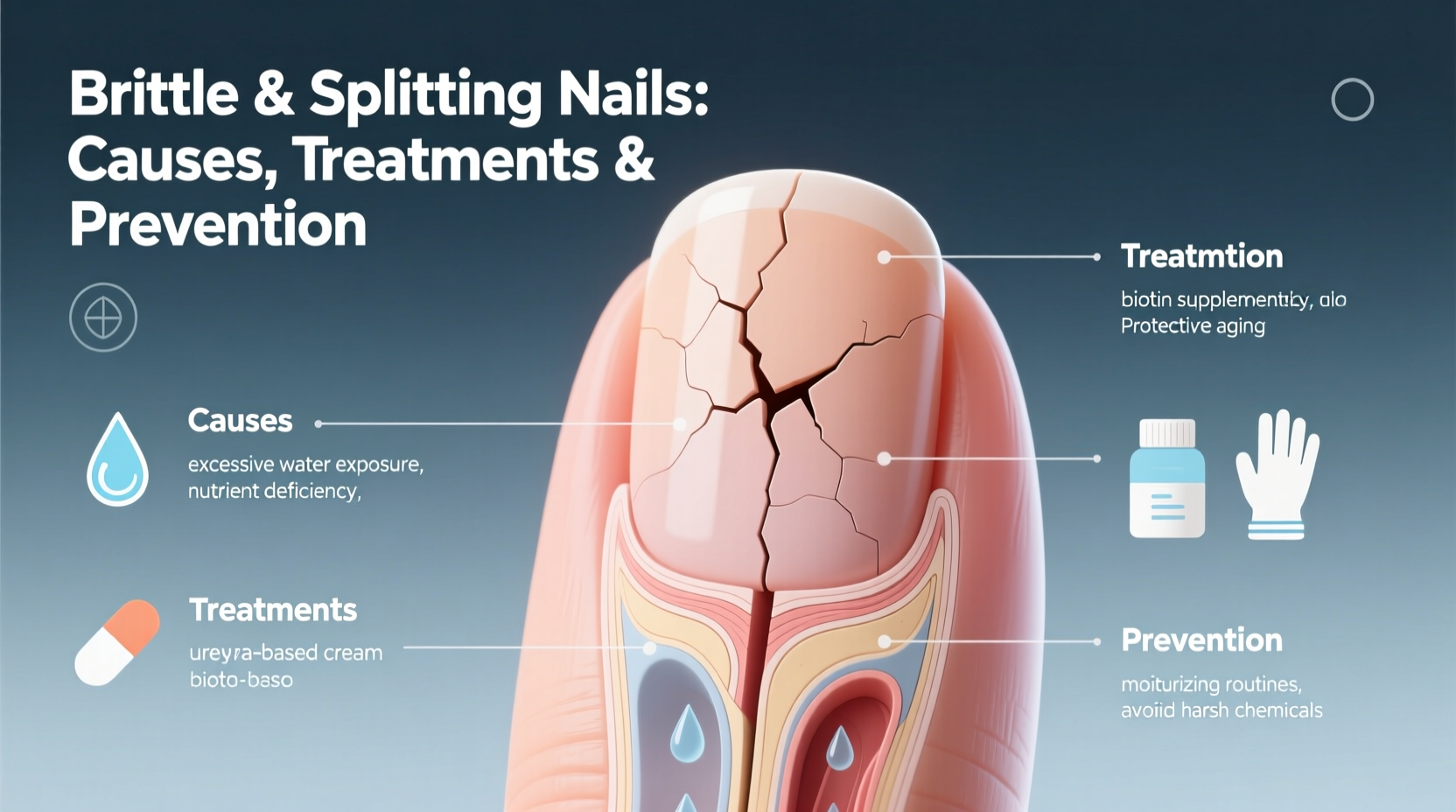
Nail brittleness refers to nails that are dry, thin, and prone to breaking, while splitting—also known as onychoschizia—typically occurs in layers, especially at the free edge. This condition affects up to half of adults at some point, with women over 40 being particularly susceptible due to hormonal changes and cumulative environmental exposure.
The nail plate is made primarily of keratin, a tough protein also found in hair and skin. When this structure becomes dehydrated or damaged, it loses flexibility and integrity. Repeated stress, chemical exposure, or nutritional deficiencies can accelerate deterioration, leading to painful splits and unsightly ridges.
Tip: Avoid using your nails as tools—for example, opening bottles or scraping off stickers—as this increases the risk of micro-tears and splitting.Common Causes of Nail Weakness
Nail problems rarely stem from a single factor. Instead, they’re often the result of overlapping influences ranging from lifestyle to systemic health. Recognizing these contributors is essential for effective intervention.
- Frequent water exposure: Constant wetting and drying weakens the nail matrix, causing layers to separate.
- Harsh chemicals: Acetone-based removers, detergents, and cleaning agents strip natural oils.
- Nutritional deficiencies: Lack of biotin, iron, zinc, or essential fatty acids impairs keratin production.
- Aging: Natural decline in circulation and cell turnover reduces nail thickness and moisture retention.
- Hypothyroidism: Low thyroid function is strongly linked to dry, brittle nails.
- Anemia: Iron deficiency can lead to koilonychia (spoon-shaped nails) and fragility.
- Over-filing or aggressive manicures: Thinning the nail surface increases vulnerability to peeling.
“Brittle nails are often a mirror of internal health. A dermatologist should evaluate persistent cases to rule out endocrine or autoimmune conditions.” — Dr. Lena Patel, Board-Certified Dermatologist
Effective Treatments for Splitting Nails
While results take time—nails grow slowly, about 3 mm per month—consistent treatment can yield noticeable improvements within 6 to 8 weeks. The key is combining external protection with internal support.
Topical Solutions
Strengthening nail hardeners containing formaldehyde resins or hydrolyzed wheat protein can reinforce the nail surface. However, overuse may cause stiffness and increased breakage. Opt for gentler formulas with calcium, keratin, or plant-based polymers if your nails are already thin.
Apply a moisturizing base coat daily, especially after handwashing. Cuticle oils rich in jojoba, almond, or vitamin E penetrate deeply and help seal in hydration. Massage the oil into the nail bed and surrounding skin to boost circulation.
Nutritional Supplements
Biotin (vitamin B7) is the most researched supplement for nail strength. Clinical studies show that 2.5 mg of biotin daily improves thickness and reduces splitting in 6 months. Other supportive nutrients include:
| Nutrient | Role in Nail Health | Dietary Sources |
|---|---|---|
| Biotin | Promotes keratin infrastructure | Eggs, nuts, sweet potatoes |
| Vitamin E | Protects against oxidative damage | Spinach, avocados, sunflower seeds |
| Iron | Supports oxygen delivery to nail matrix | Red meat, lentils, fortified cereals |
| Omega-3 Fatty Acids | Enhances moisture retention | Fatty fish, chia seeds, walnuts |
Prevention Strategies for Long-Term Nail Health
Preventing recurrence requires daily habits that protect and nourish nails. Unlike skin, nails cannot regenerate quickly, so consistency is critical.
Step-by-Step Guide to Daily Nail Care
- Wear gloves when washing dishes, cleaning, or gardening to minimize water and chemical exposure.
- Limited polish remover use: Choose acetone-free formulas and limit removal to once every 7–10 days.
- Gentle filing: Use a glass or fine-grit file in one direction only to prevent fraying.
- Morning and night oiling: Apply cuticle oil upon waking and before bed.
- Hydrate hands regularly: Use a thick hand cream after every wash, focusing on fingertips.
- Keep nails short: Slightly rounded, shorter nails are less likely to catch and split.
Do’s and Don’ts of Nail Maintenance
| Do | Don’t |
|---|---|
| Use non-acetone polish remover | Soak nails in acetone for extended periods |
| Moisturize after handwashing | Peel off gel polish or scrape residue |
| Take breaks between manicures | Apply acrylics or gels continuously |
| Eat a balanced diet rich in protein | Bite or pick at nails and cuticles |
| Stay hydrated throughout the day | Ignore signs of infection like discoloration or swelling |
Real-Life Example: Recovery from Chronic Nail Damage
Sarah, a 48-year-old nurse, struggled with severely splitting fingernails for years. Her job required frequent handwashing and glove use, leaving her nails dry and layered. Over-the-counter strengtheners worsened the issue by making her nails too rigid.
After consulting a dermatologist, she was advised to stop all nail polish and hardeners for two months. She began wearing cotton-lined vinyl gloves during shifts, applied jojoba oil three times daily, and started taking 5 mg of biotin. Within three months, her nails grew out stronger and showed significantly less peeling. Six months later, she safely resumed light polish use with a protective base coat.
Sarah’s case highlights how occupational exposure combined with improper products can compound damage—and how a structured recovery plan can reverse long-standing issues.
Frequently Asked Questions
Can thyroid problems cause brittle nails?
Yes. Hypothyroidism slows metabolism and reduces sweat and oil gland activity, leading to dry, fragile nails. If you have other symptoms like fatigue, weight gain, or cold intolerance, consider getting your thyroid levels checked.
How long does it take to see improvement in nail strength?
Visible progress typically appears in 6 to 8 weeks, but full correction may take 4 to 6 months—the time it takes for a fingernail to fully regrow. Consistency with treatment is crucial for lasting results.
Is it safe to use nail hardeners every day?
Not always. Some hardeners contain formaldehyde or toluene, which can dehydrate nails over time. Use them sparingly and alternate with moisturizing treatments. Discontinue use if nails become more brittle or discolored.
Final Thoughts and Call to Action
Brittle, splitting nails don’t have to be a permanent frustration. By identifying contributing factors—whether environmental, behavioral, or nutritional—you can implement practical changes that lead to real improvement. The journey to stronger nails isn’t about quick fixes but sustainable habits: protecting them from trauma, feeding them the right nutrients, and treating them with daily care.
Your nails are a reflection of your overall well-being. Small adjustments today can lead to healthier, more resilient nails tomorrow. Start with one change—like wearing gloves or adding biotin to your routine—and build from there. Share your experience or questions in the comments below; your story might inspire someone else to begin their own nail recovery journey.
💬 Have you overcome brittle nails? What worked for you? Join the conversation and help others discover what truly works.








