
Skin concerns around the eyes are more common than many realize. Unlike acne on the forehead or chin, breakouts near the eyes can be subtle, persistent, and particularly frustrating due to the sensitivity of the area. These blemishes often appear as small whiteheads, red bumps, or inflamed cysts along the upper or lower eyelid, at the inner or outer corners, or just beneath the lash line. Because the skin here is thinner and more delicate, standard acne treatments may cause irritation or dryness if used incorrectly. Understanding the root causes—ranging from skincare habits to underlying health conditions—is essential for effective treatment and long-term prevention.
Common Causes of Breakouts Around the Eyes
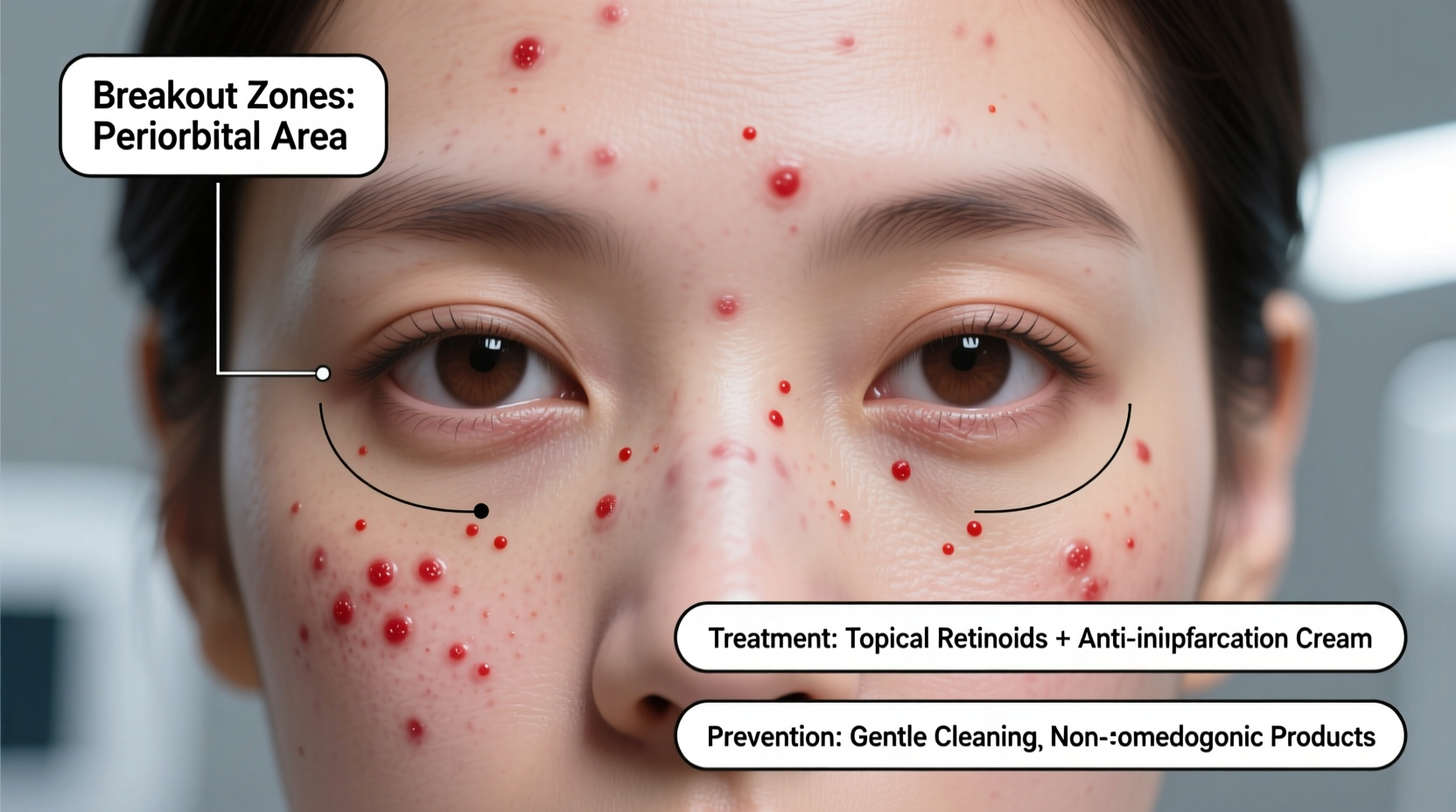
Breakouts in this region rarely stem from a single factor. Instead, they’re typically the result of a combination of environmental, behavioral, and physiological influences. Identifying the likely culprit helps tailor an appropriate response.
- Clogged hair follicles: The eye area contains sebaceous glands that produce oil. When dead skin cells and excess sebum accumulate, follicles become blocked, leading to milia or small pimples.
- Comedogenic skincare products: Heavy creams, occlusive eye lotions, or makeup containing oils, silicones, or waxes can trap debris and block pores, especially if not fully removed at night.
- Poor hygiene habits: Touching the face with unwashed hands, using old makeup brushes, or sleeping with makeup on increases bacterial buildup and irritation.
- Allergic reactions: Contact dermatitis from mascara, eyeliner, or fragrance-laden eye creams can mimic breakouts with red, itchy bumps.
- Diet and hormonal fluctuations: High sugar intake, dairy consumption, and hormonal shifts (especially during menstruation) can trigger inflammation and excess oil production.
- Stress and lack of sleep: Elevated cortisol levels increase sebum production and weaken the skin’s barrier function, making it more prone to micro-infections.
Effective Treatment Approaches
Treating breakouts around the eyes requires a gentle yet targeted strategy. Harsh exfoliants or high-concentration acne actives like undiluted salicylic acid or benzoyl peroxide should be avoided near the eyes unless specifically formulated for sensitive zones.
- Cleanse gently twice daily: Use a non-comedogenic, fragrance-free cleanser to remove impurities without stripping moisture.
- Apply targeted spot treatments: Look for low-dose retinoids (e.g., adapalene 0.1%) or sulfur-based formulas designed for sensitive areas. Apply sparingly with a clean fingertip.
- Use warm compresses for stubborn bumps: For closed comedones or milia, a warm, damp cloth applied for 5–10 minutes twice a day may help soften keratin plugs.
- Incorporate hydrating but lightweight serums: Niacinamide (5%) reduces inflammation and regulates oil production without irritation.
- Consult a dermatologist for persistent cases: If lesions persist or worsen, professional extraction or prescription medication (like topical antibiotics or tretinoin) may be necessary.
“Treating acne near the eyes demands caution. The skin is only 0.5 mm thick—less than half that of the cheek—so aggressive ingredients can cause peeling, stinging, or even eczema.” — Dr. Lena Patel, Board-Certified Dermatologist
Prevention Checklist
Preventing future flare-ups hinges on consistent, mindful habits. Follow this checklist to reduce recurrence:
- Switch to non-comedogenic, ophthalmologist-tested eye products
- Replace eye makeup every 3–6 months
- Wash pillowcases twice weekly in hot water
- Avoid touching your eyes throughout the day
- Remove all makeup before bed using a micellar water or oil-free makeup remover
- Limit dairy and high-glycemic foods if breakouts correlate with diet
- Stay hydrated and maintain a regular sleep schedule
Do’s and Don’ts: A Quick Reference Table
| Do’s | Don’ts |
|---|---|
| Use eye creams labeled “non-comedogenic” | Apply heavy petroleum-based products directly on eyelids |
| Patch test new products behind the ear first | Pop or squeeze bumps near the eye |
| Clean makeup brushes weekly | Share mascara or eyeliner with others |
| Stick to lukewarm water when washing your face | Rub your eyes vigorously when removing makeup |
Real-Life Example: Sarah’s Experience with Recurring Eye Bumps
Sarah, a 32-year-old graphic designer, noticed recurring tiny white bumps forming along her lower lash line. Initially dismissing them as stress-related, she tried scrubbing the area with a foaming cleanser, which only caused redness. After two months of no improvement, she consulted a dermatologist. Upon review, her nighttime eye cream—a rich anti-aging formula with shea butter and dimethicone—was identified as the likely offender. The dermatologist advised discontinuing the product and switching to a gel-based hydrator with hyaluronic acid. Within three weeks, the bumps began to fade. Sarah also started cleaning her makeup sponges weekly and replaced her six-month-old concealer. Today, she experiences far fewer flare-ups and credits the change to product awareness and consistency.
Frequently Asked Questions
Are milia the same as acne around the eyes?
No. Milia are small, hard, white cysts formed by trapped keratin, not bacteria or inflammation. They don’t have a head and aren’t painful. While they resemble whiteheads, they require different care—often needing professional extraction or gradual exfoliation with gentle retinoids.
Can I use my regular acne treatment near my eyes?
Only if the product is explicitly safe for use around the eyes. Many acne treatments contain high concentrations of active ingredients that can cause burning, redness, or allergic reactions in this delicate zone. Always check the label or consult a dermatologist before applying.
When should I see a doctor for eye-area breakouts?
If bumps persist beyond four weeks despite proper hygiene and non-comedogenic products, or if you experience pain, swelling, blurred vision, or spreading redness, seek medical advice. These could indicate infection (like a stye or blepharitis) rather than simple acne.
Step-by-Step Prevention Plan
Follow this five-step routine to proactively protect the eye area:
- Morning cleanse: Wash face with a mild, sulfate-free cleanser. Rinse thoroughly and pat dry.
- Lightweight hydration: Apply a water-based eye serum with niacinamide or peptides.
- Sun protection: Use a mineral sunscreen (zinc oxide-based) if applying near the eye contour—avoid getting it into the eyes.
- Evening removal: Use a gentle oil-free makeup remover to dissolve eye makeup completely.
- Night repair: Apply a non-greasy eye cream and avoid layering multiple heavy products.
Conclusion
Breakouts around the eyes are manageable with the right knowledge and habits. The key lies in respecting the fragility of the skin in this area while addressing root causes like product choice, hygiene, and lifestyle factors. Small adjustments—such as switching to non-comedogenic formulas, cleansing consistently, and avoiding physical irritation—can yield significant improvements over time. Skin health is cumulative, and patience is essential. With mindful care, most people can achieve a smoother, clearer eye contour and prevent future flare-ups.
💬 Have you struggled with breakouts near your eyes? Share your journey or tips in the comments—your insight could help someone find relief.








