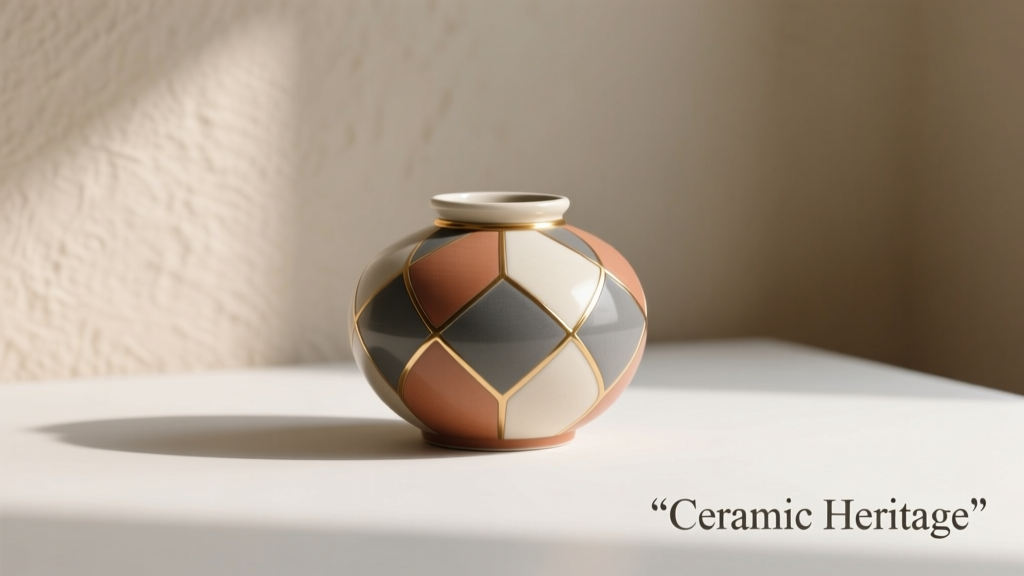
Types of Bowl Sections
A bowl section—also known as a sectioned bowl or compartmentalized dish—is a versatile piece of tableware designed to separate different foods within a single serving vessel. These bowls are widely used in homes, restaurants, and events to enhance food presentation, prevent flavor mixing, and improve portion control. Bowl sections come in various styles, each tailored to specific functional and aesthetic needs.
Nested Section Bowls
Bowls that stack neatly into one another, optimizing storage and space efficiency.
Advantages
- Space-saving stacked storage
- Easy organization in cabinets or drawers
- Available in vibrant color sets for visual distinction
- Ideal for serving appetizers or snack assortments
Limitations
- Limited capacity per individual bowl
- May not be suitable for large meals
- Can be less stable when fully stacked
Best for: Picnics, snack organization, compact kitchens, and entertaining guests
Rotating or Spin Bowls
Turntable-style sectioned bowls that rotate on a central base for easy access.
Advantages
- Interactive and fun serving experience
- 360-degree access without reaching across
- Perfect for shared meals and group settings
- Great for parties, buffets, and holiday gatherings
Limitations
- Requires more table space
- Mechanical parts may wear over time
- Not always dishwasher-safe
Best for: Family dinners, festive occasions, and buffet-style events
Divided Dinnerware Bowls
Single bowls with internal partitions that separate food items within one dish.
Advantages
- Prevents food from mixing (e.g., sauces and sides)
- Reduces number of dishes used per meal
- Excellent for portion control and balanced meals
- Highly practical for children and meal prep
Limitations
- Partitions may be difficult to clean thoroughly
- Less flexibility in portion sizing
- May not accommodate large food pieces
Best for: Family meals, daycare centers, meal prepping, and households with kids
Geometric Section Bowls
Stylish bowls with angular or uniquely shaped compartments, often used for aesthetic appeal.
Advantages
- Modern, artistic design enhances table presentation
- Serves as functional decor when not in use
- Ideal for formal dining and gourmet plating
- Available in materials like ceramic, metal, or acrylic
Limitations
- May be more expensive than standard bowls
- Angular edges can be harder to clean
- Less common in standard kitchen sets
Best for: Formal dinners, restaurants, and stylish home entertaining
Stackable Section Plates
Flat or shallow compartmentalized plates designed for stacking and efficient storage.
Advantages
- Optimized for storage and transport
- Ideal for catering and large events
- Minimizes food cross-contamination
- Great for serving multiple small dishes at once
Limitations
- Not suitable for soups or liquids
- Shallow depth limits portion size
- May lack visual distinction between sections
Best for: Buffets, catering services, outdoor events, and institutional dining
| Type | Primary Use | Storage Efficiency | Ideal Setting | Best For |
|---|---|---|---|---|
| Nested Section Bowls | Snacks & Appetizers | Excellent | Home, Outdoor Events | Compact kitchens, entertaining |
| Rotating or Spin Bowls | Shared Meals | Fair | Parties, Family Gatherings | Festive occasions, group dining |
| Divided Dinnerware Bowls | Full Meals | Good | Households, Institutions | Children, meal prep, daily use |
| Geometric Section Bowls | Presentation & Style | Medium | Formal Dining, Restaurants | Decorative use, gourmet meals |
| Stackable Section Plates | Buffet Service | Excellent | Catering, Events | Large-scale serving, transport |
Pro Tip: When using divided or sectioned bowls for meal prep, label the compartments or use color-coded sets to distinguish between food types—especially helpful for dietary restrictions or portion management.
Design of Section Bowls: Functionality, Aesthetics, and Practical Applications
The design of section bowls is a thoughtful balance between functionality, durability, and visual appeal. These multi-compartment vessels are widely used across various settings—from casual dining and buffets to organized kitchen storage and elegant table décor. Their versatility makes them essential in both household and commercial environments. Whether serving appetizers at a party, organizing snacks for children, or enhancing the presentation of a gourmet meal, section bowls serve multiple roles that extend beyond mere food containment.
Beyond utility, the aesthetic value of section bowls contributes significantly to table settings and interior design. The right bowl can elevate the visual presentation of food, support portion control, and streamline meal prep. Below is a comprehensive exploration of the key design elements that influence the performance, safety, and style of section bowls.
Key Design Elements of Section Bowls
Material Selection
The choice of material is one of the most critical factors in the design of section bowls, directly affecting their durability, safety, sustainability, and overall appearance. Common materials include glass, ceramic, porcelain, stainless steel, wood, and BPA-free plastics—each offering unique benefits.
Ceramic and porcelain bowls are prized for their elegant finish and heat retention, making them ideal for formal dining or serving warm dishes. They often feature hand-painted patterns or glazes that enhance their decorative appeal. Glass options provide a modern, transparent look and are excellent for showcasing layered salads or colorful fruit arrangements.
Plastic section bowls, particularly those made from durable polypropylene or melamine, are lightweight, shatter-resistant, and cost-effective—perfect for outdoor events, picnics, or high-traffic environments like school cafeterias. Wooden bowls offer a rustic, natural aesthetic and are popular in farmhouse-style kitchens, though they require careful maintenance to prevent cracking or bacterial growth.
Shape and Size Configuration
While traditional section bowls typically feature a circular base with two to four internal compartments, modern designs now include geometric shapes such as hexagons, squares, and ovals to suit contemporary tableware trends. The shape influences not only visual appeal but also space efficiency on tables and in storage.
Size variations allow for customization based on portion needs. Larger section bowls (10–14 inches in diameter) are ideal for family meals, buffets, or salad bars, providing ample space for diverse food items. Compact versions (6–8 inches) are perfect for individual servings, kids’ meals, or organizing small snacks and condiments.
Designers also consider compartment ratios—some bowls feature equal sections for balanced variety, while others have one large primary section with smaller side compartments for dips, dressings, or garnishes—enhancing both functionality and meal composition.
Color and Pattern Design
Vibrant colors and intricate patterns play a crucial role in both usability and décor. Brightly colored compartments help distinguish between different types of food, which is especially helpful in buffet setups, bento-style meals, or allergen-conscious environments where cross-contact must be avoided.
Manufacturers often incorporate seasonal themes, cultural motifs, or minimalist designs to match various interior styles. From sleek monochrome finishes to handcrafted artisan patterns, the visual design of a section bowl can transform a simple meal into an engaging sensory experience.
In commercial settings, color-coded bowls improve service efficiency and support branding efforts. For example, restaurants may use specific hues to represent dietary categories (e.g., green for vegan, red for spicy), enhancing customer communication without relying solely on labels.
Accessibility and Usability Features
Modern section bowls are designed with user convenience in mind. Most high-quality models are labeled as microwave-safe and dishwasher-safe, ensuring easy reheating and cleaning—key considerations for busy households and food service operations.
Ergonomic features such as rounded edges, wide rims, and non-slip silicone bases enhance safety and stability, reducing the risk of spills during transport or on smooth surfaces. Some advanced designs include stackable profiles or nesting capabilities to save cabinet space.
For individuals with limited dexterity or mobility, section bowls with high walls and deep compartments help prevent food mixing and make self-feeding easier. These features are particularly valuable in assisted living facilities, pediatric care, and special needs environments.
| Design Element | Functional Benefit | Best Use Cases |
|---|---|---|
| Material: Ceramic/Porcelain | Heat retention, elegant appearance | Formal dining, dinner parties, home décor |
| Material: Plastic (BPA-free) | Lightweight, shatterproof, affordable | Outdoor events, children's meals, schools |
| Shape: Round with 4 sections | Balanced portioning, classic look | Family dinners, meal prep, buffets |
| Shape: Square/Rectangular | Space-efficient, modern aesthetic | Lunchboxes, bento meals, fridge organization |
| Feature: Non-slip base | Improved stability, reduced spills | Households with kids, elderly users |
| Feature: Microwave & Dishwasher Safe | Convenient reheating and cleaning | Daily use, commercial kitchens |
Additional Considerations in Section Bowl Design
Important: Always verify manufacturer guidelines before using section bowls in microwaves or dishwashers, as not all materials can withstand high heat or repeated washing cycles. Avoid using abrasive cleaners on delicate finishes like glazed ceramics or wooden surfaces to preserve longevity and appearance. Choosing the right section bowl involves aligning design features with your specific needs—whether it's daily meal prep, event catering, or stylish home décor.
Scenarios of Section Bowls: Practical Applications Across Settings
Section bowls—also known as divided or compartmentalized bowls—are versatile serving solutions with applications spanning from everyday home use to professional and institutional environments. Their unique design allows for the separation of foods, improved presentation, and enhanced meal management. Below are some of the most common and beneficial scenarios where section bowls prove to be invaluable tools for organization, health, and convenience.
1. Buffets and Catering Services
Section bowls are a staple in buffet lines and catering events due to their ability to maintain food separation while enhancing visual appeal. They allow guests to serve themselves efficiently without cross-contamination of flavors or textures.
- Flavor Preservation: Keeps different dishes—such as salads, proteins, and sides—distinct, preventing unwanted mixing.
- Portion Control: Encourages balanced servings by designating specific areas for each food group.
- Professional Presentation: Creates an organized, attractive display that elevates the dining experience.
- Operational Efficiency: Reduces the need for multiple small dishes, simplifying setup and cleanup for staff.
Ideal for: Wedding receptions, corporate luncheons, holiday buffets, and self-serve dining halls.
2. Home Entertaining
For hosts who value both aesthetics and functionality, section bowls serve as elegant centerpieces that double as practical servingware. Whether filled with appetizers, fruits, or themed snacks, they add sophistication to any gathering.
- Decorative Appeal: Acts as a stylish focal point on dining or coffee tables.
- Self-Service Convenience: Guests can easily access a variety of treats without constant host intervention.
- Meal Organization: Allows for curated pairings—such as cheese and crackers, dips and veggies, or dessert assortments.
- Time-Saving: Minimizes dish clutter and reduces post-event cleanup.
Pro tip: Use seasonal fruits or themed snacks (e.g., holiday candies) to personalize your display and impress guests.
3. Daily Meals for Children
Parents and caregivers often turn to divided bowls to make mealtimes more manageable and enjoyable for young children. These bowls support healthy eating habits and reduce food-related stress.
- Picky Eater Friendly: Prevents foods from touching, which many children prefer.
- Nutritional Balance: Encourages inclusion of diverse food groups (protein, grains, veggies, fruit) in one meal.
- Learning Tool: Helps children identify different food categories and understand balanced eating.
- Easier Cleanup: Compartments reduce cross-contamination, making washing simpler and more hygienic.
Bonus benefit: Many section bowls are made from durable, non-toxic materials safe for kids and dishwasher-friendly.
4. Fruit and Snack Displays
In offices, lobbies, gyms, and waiting areas, section bowls are used to present healthy and indulgent snacks in an inviting way. They promote wellness while adding a welcoming touch to shared spaces.
- Health Promotion: Makes fresh fruits, nuts, and yogurt parfaits more accessible and appealing.
- Variety Showcase: Displays multiple snack options in one elegant container—ideal for mix-and-match choices.
- Space Efficiency: Replaces multiple bowls with a single multi-compartment unit.
- Reduced Waste: Clear separation helps monitor consumption and restock only what’s needed.
Great for: Corporate break rooms, daycare centers, hotel lobbies, and fitness studios.
5. Medical and Institutional Settings
Hospitals, nursing homes, schools, and correctional facilities rely on section bowls and plates to meet dietary guidelines, accommodate special needs, and ensure consistent meal service.
- Dietary Compliance: Supports portion-controlled meals for patients with diabetes, allergies, or therapeutic diets.
- Hygiene and Safety: Prevents cross-contact of allergens or medications mixed with food.
- Standardized Service: Ensures every individual receives the correct components as per institutional protocols.
- Accessibility: Assists caregivers in serving patients with mobility or cognitive challenges.
Regulatory advantage: Helps institutions adhere to health and nutrition standards set by governing bodies.
Expert Insight: When selecting section bowls for any setting, consider material (ceramic, plastic, stainless steel), ease of cleaning, compartment size flexibility, and aesthetic compatibility. For commercial use, opt for durable, NSF-certified options. In homes, choose designs that align with your décor and daily routines to maximize both function and enjoyment.
| Setting | Primary Benefit | Recommended Material | Best Use Case |
|---|---|---|---|
| Buffets & Catering | Food separation and presentation | Stainless steel or tempered glass | Self-serve stations with hot/cold items |
| Home Entertaining | Aesthetic and functional serving | Ceramic or melamine | Appetizers, fruit platters, desserts |
| Children's Mealtimes | Encourages balanced eating | BPA-free plastic or silicone | Lunches, snacks, portioned dinners |
| Office & Public Spaces | Promotes healthy snacking | Acrylic or food-grade plastic | Fruit bars, nut displays, yogurt stations |
| Medical/Institutional | Dietary control and safety | Durable melamine or composite | Patient meals, school cafeterias, care homes |
Additional Considerations
- Customization: Some section bowls offer removable dividers, allowing flexible configuration based on need.
- Microwave & Dishwasher Safety: Look for labels indicating compatibility for easy reheating and cleaning.
- Eco-Friendly Options: Bamboo, recycled plastic, and biodegradable materials are increasingly available for sustainable use.
- Portability: Lidded section bowls are excellent for packed lunches, picnics, and travel.
- Branding Potential: In commercial settings, custom-printed bowls can enhance brand visibility at events or facilities.
Specification & Maintenance of Section Bowls: A Complete Guide
Selecting the right section bowls and maintaining them properly is essential for both functionality and longevity. Whether used in homes, restaurants, or catering services, section bowls are designed to organize and serve food efficiently. Understanding their specifications ensures optimal performance, while proper care preserves their aesthetic appeal and hygiene—especially important for items used repeatedly.
Important Note: Always verify manufacturer guidelines before using section bowls in microwaves, ovens, or dishwashers. Using bowls beyond their specified limits can lead to cracking, warping, or leaching of harmful substances.
Key Specifications to Consider When Choosing Section Bowls
- Size and Capacity
Section bowls come in a variety of sizes and compartment configurations. The ideal choice depends on your serving needs:
- Small bowls (1–3 cups per section): Perfect for appetizers, condiments, or portion-controlled snacks.
- Medium bowls (3–6 cups): Ideal for side dishes, salads, or meal prep containers.
- Large bowls (6+ cups): Best suited for buffets, parties, or family meals where large quantities of food are served.
When planning events or daily use, consider the number of compartments and their individual capacities to ensure balanced food distribution and ease of serving.
- Heat and Cold Resistance
Different materials offer varying levels of thermal tolerance. It’s crucial to match the bowl’s capabilities with your intended use:
- Microwave-safe bowls: Typically made from tempered glass, ceramic, or specific BPA-free plastics. Look for a microwave-safe label.
- Oven-safe bowls: Often crafted from stoneware, porcelain, or metal. Verify maximum temperature ratings (e.g., up to 350°F or 450°F).
- Freezer-safe bowls: Most glass, ceramic, and high-quality plastic bowls can withstand freezing, but avoid sudden temperature changes (thermal shock) that may cause cracking.
Avoid placing cold bowls directly into a hot oven or microwave, and never expose plastic bowls to high oven temperatures.
- Non-Toxic Coatings and Food Safety
Since section bowls come into direct contact with food, safety is paramount:
- Ensure bowls are made from food-grade materials free from lead, cadmium, BPA, phthalates, and other harmful chemicals.
- Glazed ceramics should be labeled as “food-safe” and “lead-free,” especially if imported.
- Plastic bowls should be BPA-free and comply with FDA or EU food contact regulations.
- Look for certifications such as “LFGB” (Germany), “FDA Approved,” or “Prop 65 Compliant” (California).
Using non-toxic bowls protects both health and flavor, preventing chemical leaching into food, especially when storing acidic or hot items like tomatoes, citrus, or soups.
Best Practices for Maintaining Section Bowls
- Cleaning Methods by Material
Cleaning requirements vary significantly based on the bowl’s construction material:
Material Cleaning Method Dishwasher Safe? Special Notes Plastic (BPA-free) Warm soapy water or dishwasher Yes (top rack recommended) Avoid abrasive scrubbers; may stain with strong spices like turmeric Stainless Steel Soap and water; mild degreaser for oily residue Yes Resists rust and corrosion; ideal for commercial use Tempered Glass Hand wash or dishwasher Yes (if labeled) Highly durable but avoid extreme thermal shifts Ceramic / Porcelain Hand wash recommended Only if labeled dishwasher-safe Glaze may degrade over time with repeated machine washing Wood or Bamboo Hand wash only; dry immediately No Regularly treat with food-safe mineral oil to prevent drying and cracking Always rinse bowls promptly after use to prevent food buildup and staining. For stubborn residues, soak in warm, soapy water before gentle scrubbing.
- Proper Storage Techniques
Correct storage prevents damage and maximizes space efficiency:
- Nested bowls: Stackable designs save cabinet space. Place soft liners (felt pads or cloth) between bowls to prevent scratches.
- Fragile materials (glass, ceramic): Avoid stacking unless designed for it. Store vertically or with protective padding.
- Lids: Store separately or inverted on bowls to prevent seal deformation and moisture trapping.
- Commercial settings: Use labeled bins or racks to organize by size and prevent cross-contamination.
Proper storage not only extends the lifespan of your bowls but also maintains hygiene and appearance.
- Preventing Chipping and Cracking
Fragile materials like ceramic, porcelain, and glass require extra care:
- Handle with both hands when full to avoid dropping.
- Place on stable, flat surfaces—avoid overhanging edges.
- Wrap in soft cloths, bubble wrap, or padded dividers when transporting or storing long-term.
- Avoid metal utensils that can scratch or chip surfaces; opt for wood, silicone, or plastic.
- Never place a cold bowl directly into a hot oven or microwave—allow it to reach room temperature first.
Even minor chips can harbor bacteria and compromise structural integrity, so inspect bowls regularly and retire damaged ones from food service.
Expert Tip: To preserve the vibrancy and finish of your section bowls, avoid prolonged exposure to direct sunlight or harsh detergents. For plastic bowls, occasional soaking in a baking soda and vinegar solution helps remove odors and stains naturally.
Additional Maintenance Recommendations
- Inspect bowls monthly for signs of wear, cracks, or discoloration.
- Replace bowls with deep scratches or cracks, as they can trap bacteria and weaken the structure.
- Label bowls used for raw vs. cooked foods to prevent cross-contamination in kitchens.
- Follow manufacturer instructions for any special care, especially for insulated or multi-layered bowls.
- Rotate usage of multiple bowls to ensure even wear and extend overall lifespan.
By carefully selecting section bowls based on size, material, and safety standards—and maintaining them with proper cleaning and storage—you ensure lasting performance, food safety, and visual appeal. Whether for home dining or professional catering, well-maintained section bowls enhance both convenience and presentation.
Frequently Asked Questions About Section Bowls
Q1: Can section bowls be used in the microwave or oven?Yes, many section bowls are designed to be heat-resistant and suitable for microwave use, but not all are oven-safe. The key factor is the material from which the bowl is made:
- Plastic section bowls: Most are microwave-safe for reheating, but should never be used in the oven. Always check for a microwave-safe label and avoid high heat to prevent warping or chemical leaching.
- Stainless steel bowls: These are generally oven-safe and durable, but should never be used in the microwave due to the risk of sparking.
- Ceramic or porcelain bowls: Often both microwave and oven-safe, provided they are labeled as such. Avoid sudden temperature changes (thermal shock) to prevent cracking.
- Silicone bowls: Flexible and typically safe for both microwave and oven use (up to around 450°F/230°C), making them versatile for cooking and storage.
Pro Tip: Always refer to the manufacturer’s guidelines for temperature limits and usage recommendations to ensure safety and longevity of your section bowls.
Q2: How do I prevent scratching on my plastic section bowls?Plastic section bowls are prone to scratches, which can harbor bacteria and degrade appearance over time. To maintain their condition:
- Use soft cleaning tools: Wash with a soft sponge or cloth instead of abrasive scrubbers like steel wool or stiff brushes.
- Choose non-abrasive cleaners: Avoid harsh detergents or scouring powders that can wear down the surface.
- Use plastic or wooden utensils: Metal utensils can easily gouge plastic surfaces—opt for gentler alternatives when serving or mixing food.
- Avoid stacking when wet: Stacking bowls without drying them first can cause moisture buildup and increase friction, leading to fine scratches.
- Store carefully: Place a soft liner (like a paper towel or silicone pad) between stacked bowls to reduce friction.
Regular care helps extend the life of plastic bowls and keeps them looking clean and hygienic for daily use.
Q3: Are section bowls suitable for outdoor events?Absolutely! Section bowls are an excellent choice for picnics, barbecues, potlucks, and other outdoor gatherings. Their compartmentalized design helps keep different foods separated, reducing cross-contamination and making portion control easier.
However, when selecting bowls for outdoor use, consider these factors:
- Material durability: Opt for shatter-resistant materials like BPA-free plastic or stainless steel, which are less likely to break if dropped on hard surfaces.
- Weather resistance: In hot climates, avoid leaving plastic bowls in direct sunlight for long periods to prevent warping. In windy conditions, choose heavier bowls or use non-slip mats to stabilize them.
- Portability: Look for lightweight, stackable designs with secure lids to prevent spills during transport.
- Insulation: Some insulated section bowls help maintain food temperature, which is especially useful for keeping cold foods chilled or hot dishes warm.
With the right material and design, section bowls offer both functionality and convenience for any outdoor dining experience.
Q4: How can I keep section bowls from tipping over during transportation?Preventing spills and maintaining stability during transport is essential, especially when carrying meals with multiple compartments. Here are effective strategies:
- Use non-slip pads: Silicone or rubberized mats placed under the bowl can grip surfaces inside a bag or car, minimizing movement.
- Choose bowls with a wide, flat base: A stable foundation reduces the likelihood of tipping compared to narrow or rounded bottoms.
- Opt for secure lids: Snap-on or locking lids not only prevent leaks but also add structural rigidity to the bowl.
- Fill evenly: Distribute food evenly across compartments to balance weight and avoid shifting during transit.
- Transport horizontally: Always carry section bowls flat—never on their side—to maintain compartment integrity and prevent mixing.
- Use insulated lunch carriers: These bags often include compartments and padding that hold containers firmly in place.
By combining the right container features with smart packing techniques, you can safely transport meals without mess or spills.
Q5: What are the advantages of using divided bowls for kids' meals?Divided section bowls are especially beneficial for children, particularly picky eaters or those with sensory sensitivities. Key advantages include:
- Food separation: Keeps different textures and flavors apart, which helps children who are sensitive to mixed foods feel more comfortable eating.
- Portion control: Encourages balanced meals by allowing parents to allocate appropriate amounts of proteins, vegetables, grains, and snacks in each compartment.
- Visual appeal: Bright colors and fun designs can make mealtime more engaging, while clear divisions make food look more organized and less overwhelming.
- Ease of serving: Parents can prepare a complete meal in one container, reducing dishes and simplifying cleanup.
- Independence: Older toddlers and young children can learn to self-serve and eat neatly from their own compartmentalized bowl.
- Versatility: Ideal for snacks, lunches, and even art activities (e.g., holding different paint colors).
Many parents find that switching to divided bowls reduces mealtime stress and encourages healthier eating habits in children.









