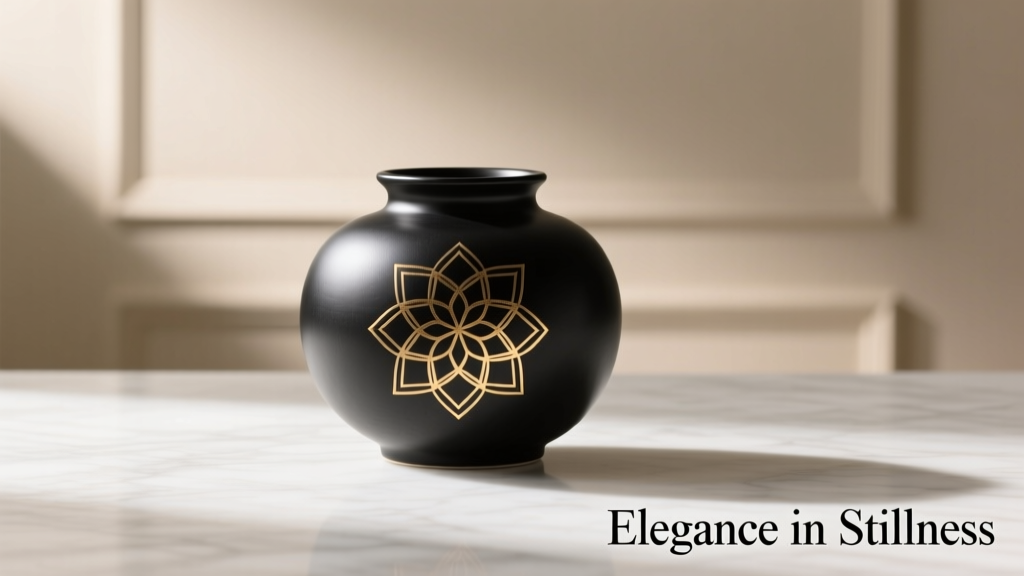
Types of Bowls with White Gold Accents
Bowls accented with white gold blend timeless elegance with functional design, making them a popular choice for both everyday dining and special occasions. These sophisticated pieces enhance table settings with a refined metallic shimmer, often used to elevate the aesthetic of fine dinnerware collections. Available in a range of styles and sizes, white gold-accented bowls serve both practical and decorative purposes across various settings.
Dinner Bowls
Spacious and deep, white gold dinner bowls are ideal for serving main courses such as stews, casseroles, or grain-based dishes. Their generous capacity and elegant rim detailing make them suitable for both casual family meals and formal dining experiences.
Advantages
- Versatile for everyday and formal use
- Complements full dinnerware sets
- Durable construction for frequent use
- Enhances visual appeal of plated meals
Considerations
- Larger size may require more storage space
- White gold trim may require gentle cleaning
- Higher-end versions can be costly
Best for: Main courses, family dinners, formal gatherings
Soup Bowls
Designed with a curved, rounded interior to retain heat, white gold soup bowls are perfect for serving broths, chowders, and creamy soups. Many feature matching saucers that add an extra layer of sophistication and prevent spills.
Advantages
- Excellent heat retention
- Graceful shape enhances presentation
- Saucer options increase elegance
- Adds luxury to simple meals
Considerations
- Saucers may take up additional table space
- Narrow opening can make cleaning tricky
- Delicate trim may wear with abrasive scrubbing
Best for: Appetizers, winter meals, fine dining settings
Fruit Bowls
Available in a variety of diameters and heights, fruit bowls with white gold rims are designed to showcase fresh produce. Their minimalist design highlights the vibrant colors of fruits while the metallic edge adds a touch of opulence to kitchen or dining room decor.
Advantages
- Enhances visual appeal of fresh fruit
- Double function as serving and decorative pieces
- Easy to coordinate with other white gold dinnerware
- Available in multiple sizes and shapes
Considerations
- Fruit juices may require prompt cleaning
- Not suitable for long-term liquid storage
- Prolonged sunlight may fade some finishes
Best for: Centerpieces, kitchen display, brunch settings
Serving Bowls
Larger than standard bowls, white gold serving bowls are crafted for presenting salads, pasta, rice dishes, and side courses. Their ornate detailing and generous capacity make them focal points during buffet-style meals or family-style dining.
Advantages
- Ideal for entertaining guests
- Improves table presentation
- Durable enough for repeated use
- Available in coordinating sets
Considerations
- Heavier due to size and materials
- May not be dishwasher-safe (depending on finish)
- Limited portability for outdoor use
Best for: Buffets, holiday meals, dinner parties
Decorative Bowls
These non-functional bowls are crafted purely for aesthetic appeal. Often displayed on coffee tables, consoles, or shelves, white gold decorative bowls may hold potpourri, scented candles, or ornamental objects—or stand alone as artistic centerpieces.
Advantages
- Adds elegance to home interiors
- Highly versatile in design and placement
- Available in unique shapes and textures
- Perfect for gifting or collecting
Considerations
- Not intended for food use
- May require dusting or polishing
- Can be fragile depending on material
Best for: Interior decoration, accent pieces, luxury gifting
| Type | Primary Use | Size Range | Design Features | Ideal Setting |
|---|---|---|---|---|
| Dinner Bowls | Main courses | 8–10 inches | Deep, wide, gold-trimmed rim | Family dinners, formal meals |
| Soup Bowls | Hot soups & broths | 6–8 inches (with saucer) | Curved interior, matching saucer | Appetizer courses, winter dining |
| Fruit Bowls | Fruit display | 6–12 inches | Shallow to medium depth, sleek rim | Kitchens, brunch tables, centerpieces |
| Serving Bowls | Side dishes, salads | 10–14 inches | Ornate patterns, wide mouth | Buffets, holiday feasts |
| Decorative Bowls | Home decor | 4–16 inches | Artistic shapes, premium finishes | Living rooms, entryways, gifts |
Expert Tip: To preserve the luster of white gold accents, hand wash with mild soap and a soft cloth. Avoid abrasive cleaners or steel wool, which can scratch the metallic finish over time.
Design of White Gold Bowls: Elegance, Craftsmanship, and Timeless Appeal
White gold bowls represent a fusion of luxury, artistry, and fine craftsmanship, making them coveted pieces in both functional and decorative contexts. These exquisite items blend premium materials with meticulous design, creating stunning centerpieces that elevate any interior space. From traditional heirlooms to modern statement decor, white gold bowls are designed to impress with their sophistication and enduring beauty.
Their designs span a wide spectrum—from intricately detailed, vintage-inspired motifs to sleek, minimalist forms—ensuring versatility across diverse aesthetic preferences. Whether used for serving, floral arrangements, or as standalone art objects, white gold bowls combine material excellence with creative expression to deliver unmatched elegance.
Key Design Elements of White Gold Bowls
Material Combinations
White gold is often combined with other high-end materials to enhance both visual appeal and structural integrity. Ceramic or glass bowls are frequently accented with white gold gilding, especially along the rim or as ornamental bands, adding a touch of opulence without overwhelming the base material.
In solid metal designs, white gold plating is commonly applied over durable substrates like stainless steel or sterling silver. This combination preserves the lustrous, hypoallergenic qualities of white gold while improving strength and cost-efficiency. These hybrid constructions allow for greater design flexibility and are ideal for both everyday use and special occasion pieces.
Finishes
The finish of a white gold bowl significantly influences its character and role in interior design. A high-polish finish creates a mirror-like surface that reflects light dramatically, making the bowl a glamorous focal point—perfect for formal settings or luxury displays.
Alternatively, a brushed or matte finish offers a more subdued, contemporary elegance. This softer texture reduces fingerprint visibility and complements modern or minimalist décor, where subtlety and refinement are prized. Some designs even incorporate dual finishes, blending polished and brushed areas for added depth and dimension.
Patterns and Textures
Designers often incorporate intricate patterns to enhance the tactile and visual richness of white gold bowls. These may include engraved floral motifs, geometric latticework, or cultural artistry such as filigree or Art Deco detailing, each contributing to the piece’s uniqueness.
Embossed or repoussé techniques add three-dimensional texture, allowing light to play across raised surfaces and cast subtle shadows. Such craftsmanship not only elevates the aesthetic but also underscores the artisanal value of the bowl, transforming it into a wearable or displayable work of art.
Shape and Size
White gold bowls come in a variety of shapes and dimensions, tailored to both function and style. Classic round or oval forms offer timeless appeal and are ideal for serving or holding arrangements, while angular, asymmetric, or sculptural designs cater to avant-garde tastes and modern interiors.
Sizes range from petite accent bowls—perfect for jewelry or perfumes on a vanity—to large, statement-making centerpieces suitable for dining tables or entryway displays. The proportion and silhouette are carefully considered to balance elegance with practicality.
Functional and Decorative Elements
While many white gold bowls serve practical purposes—such as holding fruit, desserts, or fresh flowers—others are crafted purely for decorative impact. These artistic pieces often feature exaggerated forms, symbolic engravings, or integrated sculptural elements that celebrate craftsmanship over utility.
Even functional bowls are designed with aesthetics in mind, ensuring they enhance table settings or room decor. Whether placed in a living room, dining area, or boutique hotel lobby, a white gold bowl adds a layer of refined sophistication and conveys attention to detail and luxury.
Customization and Personalization
Many artisans and jewelers offer bespoke white gold bowl designs, allowing clients to personalize elements such as size, engraving, shape, and embellishments. Monograms, special dates, or culturally inspired motifs can be incorporated to create meaningful heirloom pieces.
This level of customization ensures that each bowl is not only visually distinctive but also emotionally significant, making it ideal for gifts, commemorations, or legacy collections.
| Design Feature | Impact on Aesthetic | Best Use Case |
|---|---|---|
| White Gold Plating | Provides a lustrous, durable finish with luxurious appearance | Serving bowls, decorative centerpieces |
| Polished Finish | Creates high shine and reflective surface | Formal events, luxury interiors |
| Engraved Patterns | Adds depth, texture, and artistic value | Heirloom gifts, museum-quality decor |
| Geometric or Asymmetric Shape | Modern, bold visual statement | Contemporary homes, art galleries |
| Combined Materials (e.g., glass + white gold) | Enhances contrast and elegance | Vanity trays, wedding displays |
Design Considerations for Buyers and Collectors
Important: When purchasing or commissioning a white gold bowl, always consult with reputable artisans or certified jewelers. Poor plating, weak structural design, or incorrect alloy composition can diminish both beauty and longevity. Proper care, including gentle cleaning and safe storage, will preserve the finish and value of your piece for generations.
Scenarios of White Gold Bowls: Elegance Meets Functionality
White gold bowls are more than just serving pieces—they are a statement of sophistication, blending timeless beauty with practical utility. Whether used in daily life or reserved for special moments, these exquisite bowls elevate any setting. Their lustrous finish and premium craftsmanship make them suitable for a wide range of scenarios, from formal dining to thoughtful gifting. Below is a detailed exploration of how white gold bowls can enhance various aspects of life.
Formal Dining
White gold-accented soup and dinner bowls are a hallmark of refined table settings. Their subtle shimmer complements fine china and crystal glassware, making them perfect for upscale events such as weddings, anniversaries, holiday feasts, and black-tie dinners.
- Ideal for serving gourmet soups, appetizers, or plated entrees with visual flair
- Enhances food presentation, turning meals into curated culinary experiences
- Suitable for both modern minimalist and classic ornate table designs
- Often paired with matching cutlery or charger plates for a cohesive aesthetic
Pro Tip: Use white gold bowls to serve dishes with vibrant colors—like beetroot soup or citrus salads—to create a striking contrast that highlights both the food and the vessel.
Casual Everyday Use
While often associated with luxury, white gold bowls are also designed for practical, everyday enjoyment. They allow individuals to infuse a sense of elegance into routine meals without waiting for a special occasion.
- Perfect for breakfast cereals, yogurt parfaits, oatmeal, or smoothie bowls
- Adds a touch of indulgence to family dinners and weekend brunches
- Durable enough for regular use when cared for properly (hand washing recommended)
- Encourages mindful eating by transforming ordinary meals into aesthetically pleasing moments
Design Insight: Pairing white gold bowls with neutral-toned table linens enhances their luminous appeal in casual settings.
Home Decor & Interior Styling
Beyond their functional role, white gold bowls serve as stunning decorative accents. Their reflective surface catches light beautifully, making them ideal centerpieces or display items in living rooms, dining areas, or entryway consoles.
- Use as a statement centerpiece filled with seasonal florals, candles, or decorative stones
- Display with citrus fruits (like lemons or limes) for a fresh, elegant look
- Can hold potpourri, seashells, or scented crystals to combine beauty with sensory appeal
- Works well in modern, transitional, and glam interior design styles
Styling Tip: Layer your white gold bowl on a mirrored tray with taper candles for an opulent tablescape.
Gift Giving
A white gold bowl is a luxurious and meaningful gift for life’s milestone events. Its dual function as both art and utility makes it a cherished keepsake.
- Perfect for weddings, bridal showers, housewarmings, graduations, and anniversaries
- Symbolizes prosperity, refinement, and enduring value
- Often presented in premium packaging with velvet pouches or wooden gift boxes
- Can be personalized with engraving for added sentimental value
Gift Idea: Pair the bowl with a handwritten recipe card or gourmet ingredients for a truly memorable present.
Festive & Celebratory Events
White gold bowls shine during holidays and celebrations, adding a festive sparkle to themed tables and buffet spreads.
- Excellent for Thanksgiving casseroles, Christmas fruit salads, or New Year’s dessert displays
- Complements winter holiday palettes—especially when paired with silver, ivory, and deep reds or greens
- Great for serving signature cocktails or punch in elegant presentations
- Photogenic appeal makes them ideal for social media-worthy event setups
Event Hack: Use smaller white gold bowls for individual servings at cocktail parties to impress guests with attention to detail.
Specialty & Themed Occasions
These bowls also excel in niche settings such as luxury photoshoots, boutique hotel dining, or high-end catering services.
- Used in editorial photography for food styling and lifestyle shoots
- Featured in luxury wedding flatlays and bridal content
- Chosen by event planners for VIP lounges and exclusive galas
- Popular in boutique restaurants aiming for a refined, Instagrammable aesthetic
Trend Note: The rise of “aesthetic dining” has increased demand for white gold and metallic tableware in influencer culture and hospitality design.
Expert Recommendation: To maximize longevity and brilliance, hand wash white gold bowls with a soft cloth and mild detergent. Avoid abrasive cleaners or dishwashers, which can dull the finish over time. Store them separately to prevent scratching, and occasionally polish with a jewelry-safe cloth to maintain their radiant luster.
| Scenario | Best Use Case | Recommended Style | Pairing Suggestions |
|---|---|---|---|
| Formal Dining | Weddings, Galas, Fine Dining | Ornate rims, engraved details | Crystal glassware, linen napkins, candle centerpieces |
| Everyday Use | Breakfast, Family Meals | Sleek, minimalist design | Ceramic plates, wooden trays, neutral tablecloths |
| Home Decor | Living Room, Entryway Display | Shallow, wide bowls with high polish | Floral arrangements, candles, decorative stones |
| Gift Giving | Anniversaries, Graduations | Engraved or boxed sets | Personalized notes, gourmet treats, luxury packaging |
| Festive Events | Holiday Feasts, Parties | Multi-tiered or nested sets | Seasonal fruits, themed garnishes, LED tea lights |
Additional Considerations
- Material Quality: Look for bowls with genuine white gold plating over stainless steel or ceramic for durability and shine retention
- Maintenance: Regular polishing preserves the reflective finish and prevents tarnishing in humid environments
- Versatility: Choose multi-functional designs—such as stackable or nesting bowls—for space-saving convenience
- Eco-Luxury: Opt for brands that use sustainable plating processes and recyclable packaging
- Investment Value: High-end white gold bowls can appreciate in sentimental and collectible value over time
Specification & Maintenance of White Gold Bowls
White gold bowls are elegant and luxurious additions to any home or collection, prized for their lustrous finish and timeless appeal. Whether used for decorative purposes, ceremonial functions, or special dining occasions, proper understanding of their composition and care is essential. This guide provides detailed specifications and expert maintenance tips to help preserve the beauty, integrity, and longevity of your white gold bowls.
Important Note: "White gold bowl" can refer to either solid white gold items, white gold-plated pieces, or even non-metallic bowls (ceramic, glass, stainless steel) styled to resemble white gold. Always verify the material type before applying care methods, as improper treatment can lead to irreversible damage.
Key Specifications and Material Types
Understanding the construction of your bowl is the first step in proper maintenance. White gold bowls come in several forms, each with distinct characteristics:
- Solid White Gold Bowls
Made from a high-karat gold alloy (typically 14K or 18K) mixed with white metals like palladium, nickel, or manganese to achieve a silvery-white hue. These are the most valuable and durable, but also the most expensive. They may be hallmarked with purity stamps such as "14K," "18K," or "750" (for 18K).
- White Gold-Plated Bowls
Constructed from a base metal (such as brass, copper, or stainless steel) and coated with a thin layer of white gold. More affordable than solid gold, but the plating can wear off over time with improper care. Look for markings like "GP" (gold plated) or "HGE" (heavy gold electroplate).
- Non-Metallic "White Gold Style" Bowls
Often made from ceramic, glass, or polished stainless steel, these are designed to mimic the appearance of white gold. While not actual gold, they require specific care to maintain their finish and structural integrity.
Comprehensive Care and Maintenance Guidelines
Pro Tip: Always test any cleaning method on a small, inconspicuous area first, especially for plated or antique pieces. When in doubt, consult a professional jeweler or conservator.
Cleaning Methods by Material
| Material Type | Recommended Cleaning Method | Avoid | Frequency |
|---|---|---|---|
| Solid White Gold | Warm water, mild dish soap, soft-bristled brush. Dry with lint-free cloth. Use a jewelry polishing cloth for shine. | Harsh chemicals, chlorine, abrasive cleaners, ultrasonic cleaners (if set with stones). | Every 2–4 weeks with use; as needed. |
| White Gold-Plated | Damp soft cloth, mild soap. Wipe gently. Dry immediately. Never soak. | Scrubbing, soaking, polishing pastes, silver dips, or abrasive cloths. | Only when visibly dusty or soiled. |
| Ceramic/Glass (Gold-Finished) | Hand wash with mild detergent. Dry carefully. Avoid submerging if gold trim is present. | Dishwashers, extreme heat, abrasive sponges. | After each use. |
| Stainless Steel (White Gold Look) | Warm soapy water, soft cloth. Can often be dishwasher-safe (check manufacturer guidelines). | Steel wool, bleach, or chloride-based cleaners. | After each use. |
Storage Best Practices
Improper storage is a leading cause of damage to white gold and gold-finished items. Follow these tips to protect your investment:
- Store each bowl individually in a soft, fabric-lined jewelry box or a padded pouch to prevent scratches.
- Keep white gold-plated items separate from solid gold to avoid micro-abrasion from contact.
- Avoid stacking bowls, especially those with delicate plating or decorative elements.
- Store in a cool, dry place away from humidity, which can accelerate tarnishing in base metals beneath plating.
- For long-term storage, wrap in acid-free tissue paper to prevent chemical reactions.
Preventing Tarnish and Discoloration
While solid white gold is highly resistant to tarnish, the alloys used (especially nickel) can sometimes react with sulfur compounds in the air or on skin. Plated bowls are more susceptible due to the base metal underneath.
- Wipe bowls with a dry, soft cloth after handling to remove oils and moisture.
- Use a specialized gold polishing cloth (not silver polish) to restore luster—these cloths contain mild cleaning agents that won’t strip plating.
- Never use toothpaste, baking soda, or DIY pastes—they are abrasive and can scratch or remove gold layers.
- If significant tarnish appears on plated items, professional re-plating may be necessary.
Caution: Exposure to chlorine (in pools, spas, or cleaning products) can permanently damage white gold alloys and cause plating to flake or discolor. Always remove or protect white gold items when near chlorinated environments.
Protecting Against Physical and Chemical Damage
To maintain both appearance and structural integrity:
- Avoid acidic foods (citrus, vinegar, tomatoes) in metal white gold bowls, as they can corrode the surface over time.
- Use non-metallic utensils (wood, silicone, or plastic) to prevent scratches and dents.
- Never expose ceramic or glass bowls to sudden temperature changes (e.g., moving from freezer to oven), as this can cause cracking.
- Do not use in microwaves or ovens unless explicitly labeled as safe—gold trim can spark or overheat.
- Handle with clean hands to minimize oil transfer, which can dull the finish over time.
Expert Tip: Have solid white gold bowls professionally inspected every 1–2 years. A jeweler can check for wear, re-plate if necessary, and restore the rhodium coating (often applied to enhance whiteness and durability).
Summary: Long-Term Preservation
With proper care, white gold bowls—whether solid, plated, or stylistic—can remain beautiful for generations. Key practices include:
- Identifying the exact material composition before cleaning.
- Using only non-abrasive, pH-neutral cleaners.
- Storing items safely and separately.
- Avoiding exposure to harsh chemicals, extreme temperatures, and physical impact.
- Scheduling periodic professional maintenance for high-value pieces.
By following these guidelines, you ensure that your white gold bowls continue to shine with elegance and serve as treasured pieces in your collection or home.
Frequently Asked Questions About White Gold Bowls
Q1: What is a white gold bowl made of?A white gold bowl is not typically made entirely of solid white gold due to cost and practicality. Instead, these luxurious pieces are crafted from a variety of base materials, including ceramic, glass, stainless steel, or sterling silver, and then accented with white gold plating, gilding, or decorative inlays. White gold itself is an alloy composed primarily of gold mixed with white metals such as palladium, nickel, or manganese, giving it a silvery-white luster. The final piece may also be rhodium-plated to enhance its shine and durability, making it resistant to tarnish and scratches.
- Ceramic or Glass Bases: Often used for decorative display bowls, coated or trimmed with white gold finishes.
- Metal Alloys: Stainless steel or silver bowls may feature white gold overlay or engraving for elegance.
- Solid White Gold (Rare): Reserved for high-end collectibles or jewelry-grade serving pieces due to weight and expense.
Understanding the composition helps buyers assess value, care requirements, and authenticity when purchasing or inheriting such items.
Q2: Are white gold bowls expensive?The price of a white gold bowl varies significantly based on its construction, craftsmanship, and materials used. A bowl made entirely of solid white gold, especially when embellished with precious gemstones or intricate hand engraving, can be extremely costly—often reaching thousands or even tens of thousands of dollars. These are typically collector’s items or heirloom-quality pieces.
- Solid White Gold Bowls: High expense due to material density and gold content (e.g., 14K or 18K).
- White Gold Plated Bowls: Much more affordable; feature a thin layer of white gold over a less expensive base metal.
- Handcrafted vs. Mass-Produced: Artisan-made bowls command higher prices due to labor and design uniqueness.
- Additional Embellishments: Diamonds, sapphires, or enamel work further increase value.
For those seeking luxury without the premium cost, white gold-plated or accented bowls offer an elegant alternative suitable for gifting or special occasions.
Q3: Can white gold bowls be used for everyday meals?While white gold bowls are technically safe for food use—especially those made with food-safe plating or non-reactive bases like stainless steel—they are generally considered luxury or decorative items rather than everyday dinnerware. Their primary purpose is often ceremonial, commemorative, or display-based, such as for weddings, anniversaries, or holiday centerpieces.
- Durability Concerns: Frequent use can lead to wear on white gold plating, reducing shine and exposing base metals.
- Scratch Sensitivity: Even minor abrasion from utensils can mar the delicate finish over time.
- Luxury Status: Many owners reserve these bowls for special events to preserve their condition and sentimental value.
- Practical Alternatives: Gold-accented porcelain or polished metal bowls mimic the look while being more durable for daily use.
If used regularly, extra care must be taken during handling and cleaning to maintain the bowl’s appearance and integrity.
Q4: How do you clean and care for white gold bowls?Proper maintenance is essential to preserve the beauty and longevity of white gold bowls. Because white gold plating can wear down and the underlying materials may react to certain substances, gentle cleaning methods are strongly recommended.
- Regular Cleaning: Use a soft, lint-free cloth with warm water and mild dish soap. Rinse thoroughly and dry immediately with a clean towel.
- Polishing: Occasionally restore shine using a jewelry polishing cloth designed for white gold or rhodium-plated surfaces—avoid abrasive pastes.
- Avoid Harsh Chemicals: Steer clear of bleach, chlorine, ammonia, and acidic cleaners, which can damage plating and cause discoloration.
- Food Contact Tips: Do not leave acidic foods (like citrus or tomatoes) in metal-based bowls for extended periods, as they may corrode the surface.
- Storage: Keep in a lined jewelry box or soft pouch to prevent scratches and exposure to humidity.
For solid white gold pieces, professional cleaning and re-plating (rhodium dipping) every few years can help maintain a like-new finish.
Q5: What fruits can be placed in a white gold bowl?A white gold bowl makes a stunning centerpiece when filled with fresh fruit, combining luxury with natural beauty. It can hold a wide variety of fruits, both individually and in mixed arrangements. Popular choices include:
- Tropical Fruits: Mangoes, pineapples, papayas, and bananas add vibrant color and exotic flair.
- Citrus Fruits: Oranges, lemons, and limes provide brightness—though they should not sit in metal bowls for long due to acidity.
- Classic Favorites: Apples, pears, grapes, and kiwis offer a balanced, elegant presentation.
- Berries: Strawberries, blueberries, and raspberries add a pop of color and are perfect for short-term display.
When using a white gold-plated or metal bowl, serve fruit for brief periods and avoid prolonged contact with juice or moisture to protect the finish. For longer displays, consider placing fruit in a removable glass liner inside the bowl. This maintains the aesthetic while preserving the metal’s integrity.









