Pimples aren’t limited to the face—many people experience breakouts on various parts of the body, including the back, chest, shoulders, arms, and buttocks. While often less visible than facial acne, body pimples can be uncomfortable, persistent, and affect self-confidence. Understanding what triggers them, recognizing their different forms, and knowing how to treat them effectively are essential steps toward clearer skin.
What Causes Body Pimples?
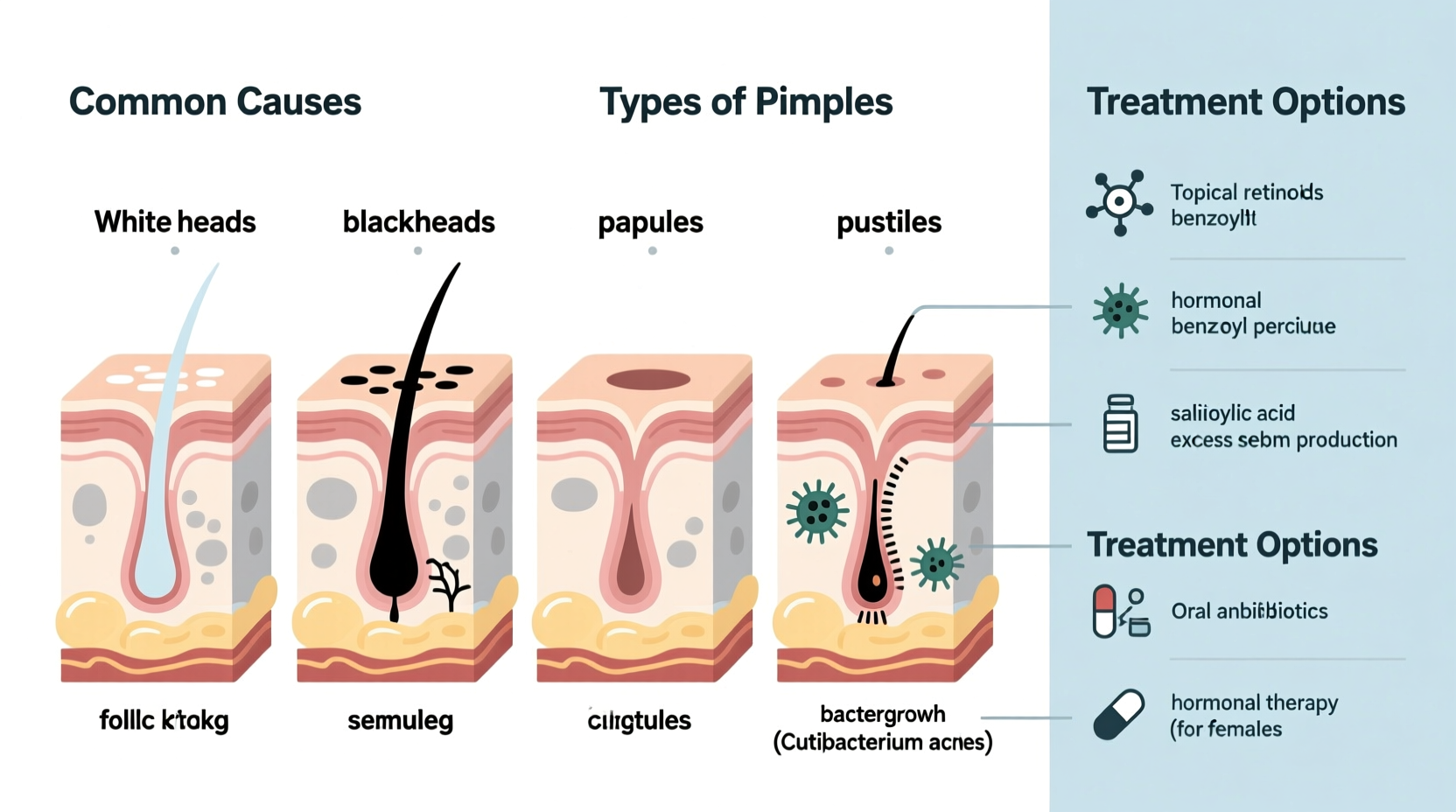
Body acne develops when hair follicles become clogged with oil, dead skin cells, and bacteria. Several factors contribute to this process:
- Excess sebum production: Overactive sebaceous glands produce too much oil, especially during hormonal fluctuations such as puberty, menstruation, or stress.
- Sweat and friction: Tight clothing, sports gear, or prolonged sweating can trap moisture and irritate pores, leading to breakouts—commonly known as \"acne mechanica.\"
- Poor hygiene or infrequent cleansing: Not washing after workouts or allowing dirt and sweat to linger increases the risk of clogged pores.
- Hormonal changes: Androgens stimulate oil production, making teens and adults experiencing hormonal shifts more prone to body acne.
- Diet and lifestyle: Some studies suggest high-glycemic foods (like sugary snacks) and dairy may exacerbate acne in certain individuals.
- Harsh skincare products: Comedogenic lotions, oils, or sunscreens can block pores if not washed off properly.
Common Types of Body Pimples
Not all body breakouts look the same. Recognizing the type helps determine the best treatment approach.
| Type | Description | Common Locations |
|---|---|---|
| Whiteheads (closed comedones) | Small, flesh-colored or white bumps under the skin caused by trapped oil and dead cells. | Chest, back, upper arms |
| Blackheads (open comedones) | Dark spots formed when clogged pores oxidize upon air exposure. | Back, shoulders, neck |
| Papules | Red, inflamed bumps without pus; tender to touch. | Upper back, chest |
| Pustules | Pimples filled with yellow or white pus, often surrounded by redness. | Buttocks, groin, underarms |
| Nodules | Large, hard lumps beneath the skin that can be painful and long-lasting. | Back, chest |
| Cystic acne | Deep, pus-filled lesions that often lead to scarring; require medical treatment. | Lower back, jawline extension to neck |
Effective Treatment Options
Treatment depends on severity and type. Mild cases often respond well to over-the-counter (OTC) solutions, while moderate to severe acne may require prescription medications.
Topical Treatments
- Benzoyl peroxide: Kills acne-causing bacteria, reduces inflammation. Available in washes, gels, and creams (2.5%–10%).
- Salicylic acid: Exfoliates inside pores, preventing clogging. Ideal for blackheads and whiteheads.
- Retinoids (e.g., adapalene): Promote cell turnover and unclog pores. Use at night and apply sunscreen daily due to increased sun sensitivity.
- Sulfur or resorcinol: Less irritating alternatives for sensitive skin types.
Prescription Therapies
- Topical antibiotics: Clindamycin or erythromycin reduce bacterial growth and inflammation, often combined with benzoyl peroxide.
- Oral antibiotics: Doxycycline or minocycline for moderate inflammatory acne; used short-term to avoid resistance.
- Hormonal therapy: For women, oral contraceptives or spironolactone can regulate hormone-related breakouts.
- Isotretinoin (Accutane): Reserved for severe cystic acne; highly effective but requires close monitoring due to potential side effects.
Lifestyle Adjustments
In addition to topical care, daily habits play a crucial role in managing body acne.
Tip: Wash workout clothes and bed linens weekly in hot water to remove accumulated oils and bacteria.Step-by-Step Skincare Routine for Body Acne
A consistent routine improves results over time. Follow these steps daily:
- Shower regularly: Use lukewarm water to avoid stripping natural oils.
- Cleanse with an acne-fighting body wash: Apply a salicylic acid or benzoyl peroxide cleanser, focusing on affected areas. Let it sit for 1–2 minutes before rinsing.
- Exfoliate 2–3 times per week: Use a gentle scrub or chemical exfoliant to remove dead skin cells. Avoid over-scrubbing, which can worsen irritation.
- Moisturize: Even oily skin needs hydration. Choose a non-comedogenic, oil-free moisturizer.
- Wear breathable fabrics: Opt for loose cotton clothing to minimize friction and allow airflow.
- Apply spot treatments: Use leave-on treatments containing benzoyl peroxide or adapalene at night.
“Treating body acne isn’t just about topical products—it’s about consistency and addressing root causes like sweat retention and fabric choice.” — Dr. Lena Torres, Board-Certified Dermatologist
Mini Case Study: Managing Back Acne in Athletes
Jared, a 24-year-old college swimmer, struggled with persistent breakouts across his back and shoulders. Despite frequent showers, new lesions kept forming. A dermatologist evaluated his routine and identified key issues: chlorine residue, tight swimsuits causing friction, and use of a heavy moisturizing lotion post-swim.
The solution included switching to a benzoyl peroxide wash, using a clarifying shampoo to rinse off chlorine, changing into dry clothes immediately after practice, and replacing his lotion with an oil-free alternative. Within eight weeks, Jared saw a 70% reduction in breakouts and reported improved comfort during training.
Do’s and Don’ts of Body Acne Care
| Do’s | Don’ts |
|---|---|
| Use non-comedogenic skincare and laundry products | Pop or pick at body pimples—this increases scarring risk |
| Shower after sweating | Wear tight synthetic fabrics for extended periods |
| Replace loofahs and sponges monthly | Overuse harsh scrubs or multiple active ingredients at once |
| Be patient—most treatments take 4–8 weeks to show results | Ignore worsening symptoms; seek help early for cystic acne |
Frequently Asked Questions
Can stress cause body pimples?
Yes. Stress increases cortisol levels, which can stimulate oil glands and trigger breakouts, particularly on the back and chest. Managing stress through sleep, exercise, and mindfulness may help reduce flare-ups.
Are body pimples contagious?
No, acne is not contagious. However, sharing towels, razors, or unwashed clothing can transfer bacteria and worsen existing acne, so personal hygiene matters.
Why do I get pimples on my buttocks?
This condition, often called “butt acne” or folliculitis, is usually caused by friction from tight jeans, prolonged sitting, or blocked pores from sweat and oils. Wearing breathable underwear and avoiding prolonged pressure can help prevent it.
Conclusion: Take Control of Your Skin Health
Body pimples are common but manageable with the right knowledge and routine. Whether you're dealing with occasional bumps or chronic breakouts, identifying triggers, choosing appropriate treatments, and maintaining consistent hygiene can make a significant difference. Remember that improvement takes time—stick with proven methods and consult a dermatologist if over-the-counter approaches don’t deliver results.
🚀 Start today: Swap one product in your routine for an acne-fighting alternative and track your progress over four weeks. Small changes lead to lasting clarity.








