Dark or black gums can be alarming, especially if the change in color appears suddenly or spreads over time. While black gums are not always a sign of serious illness, they can indicate underlying health issues ranging from harmless pigmentation to severe infections or systemic conditions. Understanding the potential causes, recognizing associated symptoms, and knowing the available treatment options are essential for maintaining oral and overall health.
Gum discoloration varies in appearance—some people have naturally darker gums due to melanin, while others experience acquired changes due to trauma, disease, or medication. The key is distinguishing between benign pigmentation and pathological conditions that require medical attention.
Common Causes of Black Gums
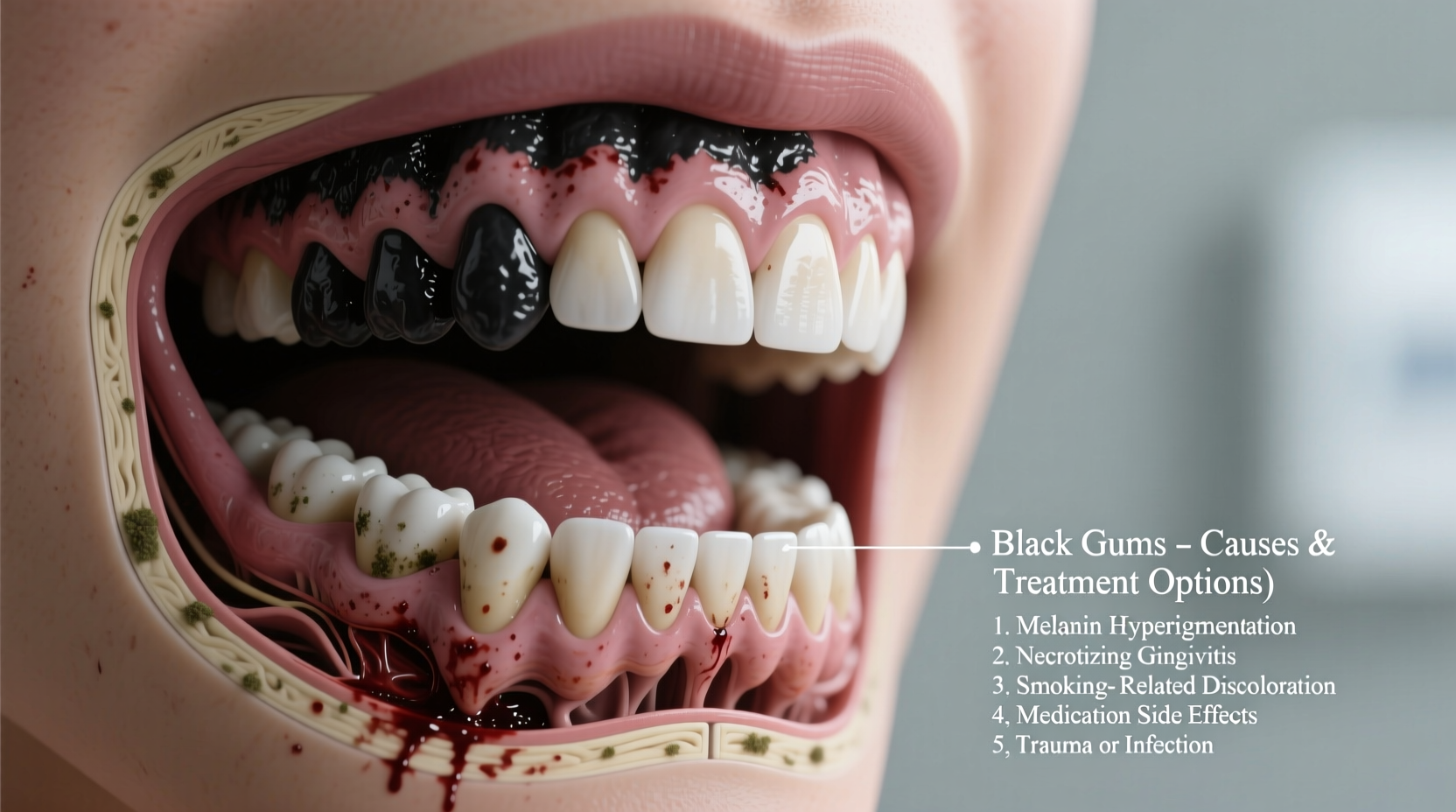
Several factors contribute to the development of black or darkly pigmented gums. These causes fall into two broad categories: physiological (natural) and pathological (disease-related).
- Melanin Hyperpigmentation: One of the most common and harmless reasons for black or brown gums is increased melanin production. This is more prevalent in individuals with darker skin tones and often affects multiple areas of the mouth symmetrically.
- Amalgam Tattoo: A bluish-black discoloration can occur when amalgam (silver-based dental filling material) gets embedded in the gum tissue during dental procedures. It’s painless and stable over time.
- Smoking: Tobacco use stimulates melanocytes, the cells that produce melanin, leading to darkened gums. Smokers may notice patchy or generalized darkening along the gumline.
- Medications: Certain drugs—including antimalarials like hydroxychloroquine, antipsychotics, and some chemotherapy agents—can cause hyperpigmentation as a side effect.
- Oral Diseases: Conditions such as acute necrotizing ulcerative gingivitis (ANUG), also known as \"trench mouth,\" can lead to black or gray pseudomembranes on the gums due to dead tissue and bacterial buildup.
- Systemic Illnesses: Rarely, black gums may signal Addison’s disease (adrenal insufficiency) or Peutz-Jeghers syndrome, both of which involve abnormal pigmentation throughout the body.
- Poor Oral Hygiene: Accumulation of plaque and tartar combined with bacterial overgrowth can result in dark discoloration, especially when accompanied by infection or inflammation.
Symptoms Associated with Black Gums
The presence of black gums alone does not necessarily indicate a problem. However, accompanying symptoms may point to an underlying condition requiring treatment.
“Not all black gums are dangerous, but sudden changes in color, texture, or sensation should never be ignored.” — Dr. Lena Torres, Board-Certified Periodontist
Key symptoms to monitor include:
- Pain or tenderness in the gums
- Swelling or bleeding during brushing
- Bad breath (halitosis) that persists despite hygiene efforts
- Ulcers or sores that don’t heal within two weeks
- Loose teeth or receding gumlines
- Fever or fatigue (if linked to systemic illness)
In cases of ANUG, patients often report a foul taste, rapid onset of pain, and the appearance of a grayish film that wipes off, revealing a bleeding base underneath. This requires immediate care to prevent tissue destruction.
Treatment Options Based on Cause
Effective treatment depends entirely on identifying the root cause of the discoloration. A dentist or periodontist will typically perform a clinical exam, review medical history, and possibly take a biopsy if malignancy is suspected.
| Cause | Treatment Approach | Prognosis |
|---|---|---|
| Melanin Pigmentation | No treatment needed; cosmetic laser therapy available | Benign, lifelong unless treated |
| Amalgam Tattoo | Observation only; removal if near suspicious lesions | Stable, non-progressive |
| Smoking-Related | Smoking cessation, improved hygiene | May improve over months after quitting |
| ANUG / Infection | Antibiotics, debridement, antiseptic rinses | Excellent with prompt treatment |
| Medication Side Effect | Review medications with physician | Variably reversible |
| Systemic Disease | Treat underlying condition (e.g., hormone replacement) | Depends on primary diagnosis |
Laser Gum Depigmentation
For individuals concerned about the aesthetic impact of dark gums, laser depigmentation offers a safe and effective solution. This minimally invasive procedure uses a dental laser to remove the superficial layer of pigmented tissue, revealing lighter tissue beneath. Healing typically takes 1–2 weeks, with minimal discomfort.
While cosmetic, many patients report increased confidence after treatment. Multiple sessions may be required for optimal results, depending on the depth and extent of pigmentation.
Step-by-Step: What to Do If You Notice Black Gums
- Monitor the Area: Note when the discoloration appeared, whether it’s changing in size or shape, and if any other symptoms are present.
- Assess Risk Factors: Consider smoking habits, recent dental work, medications, or family history of pigmentation disorders.
- Improve Oral Hygiene: Brush twice daily with fluoride toothpaste, floss daily, and use an antibacterial mouthwash.
- Avoid Irritants: Stop tobacco use and reduce alcohol-based mouthwashes that may aggravate tissues.
- Schedule a Dental Visit: See your dentist for a thorough examination. They may refer you to a specialist if needed.
- Follow Diagnostic Recommendations: If a biopsy or blood test is advised, comply promptly to rule out serious conditions.
Mini Case Study: Recognizing Early Signs of ANUG
James, a 24-year-old graduate student, noticed a small black spot on his lower gums after several weeks of poor sleep, stress, and irregular brushing. He initially dismissed it, but within days, the area became painful, swollen, and emitted a strong odor. Upon visiting his dentist, he was diagnosed with acute necrotizing ulcerative gingivitis—likely triggered by compromised immunity and inadequate oral care.
After a course of antibiotics, professional cleaning, and instructions for improved hygiene, James recovered fully within two weeks. His case highlights how seemingly minor changes can escalate quickly without intervention.
Prevention and Maintenance Checklist
- Brush teeth twice daily with a soft-bristled brush
- Floss at least once per day to remove interdental plaque
- Use an antimicrobial mouth rinse if prone to infections
- Avoid tobacco in all forms
- Attend routine dental cleanings every 6 months
- Stay hydrated to support healthy saliva flow
- Manage chronic conditions like diabetes that affect gum health
Frequently Asked Questions
Can black gums go away on their own?
In cases related to temporary factors like mild irritation or surface staining, improvement may occur with better oral hygiene. However, true melanin pigmentation or amalgam tattoos do not resolve without intervention. Pathological causes require treatment to see resolution.
Is black gum always a sign of cancer?
No. Oral melanoma is rare and usually presents as a rapidly growing, irregularly shaped lesion that may bleed or ulcerate. Most black gums are benign. However, any new, changing, or symptomatic lesion should be evaluated to rule out malignancy.
Are dark gums more prone to disease?
Pigmentation itself doesn't increase disease risk. However, people with dark gums may overlook early signs of inflammation because redness is harder to detect. Regular checkups are crucial for early detection of gum disease.
Conclusion: Take Action for Healthier Gums
Black gums can stem from a range of causes—some completely normal, others needing urgent care. Ignoring changes in gum color can delay diagnosis of infections, systemic diseases, or precancerous conditions. By staying informed, practicing consistent oral hygiene, and seeking timely professional evaluations, you protect not just your smile but your overall well-being.
💬 Your gums are a window into your health. If you’ve noticed discoloration, don’t wait—schedule a dental appointment today and take control of your oral health journey.








