
Bibimbap is more than a meal—it’s an edible philosophy of balance, color, and harmony. At first glance, it appears deceptively simple: a mound of steamed rice topped with an array of seasoned vegetables, a protein source, and a fiery red swirl of gochujang. But beneath its visual brilliance lies centuries of culinary tradition, regional diversity, and a growing international footprint that has transformed it from a humble Korean farmhouse dish into a globally celebrated icon. For home cooks seeking nutritious, flavorful, and visually stunning meals, bibimbap offers unmatched versatility. Whether served sizzling hot in a stone pot or chilled for summer dining, this mixed rice bowl adapts seamlessly to seasonal ingredients, dietary preferences, and cultural reinterpretations.
Definition & Overview
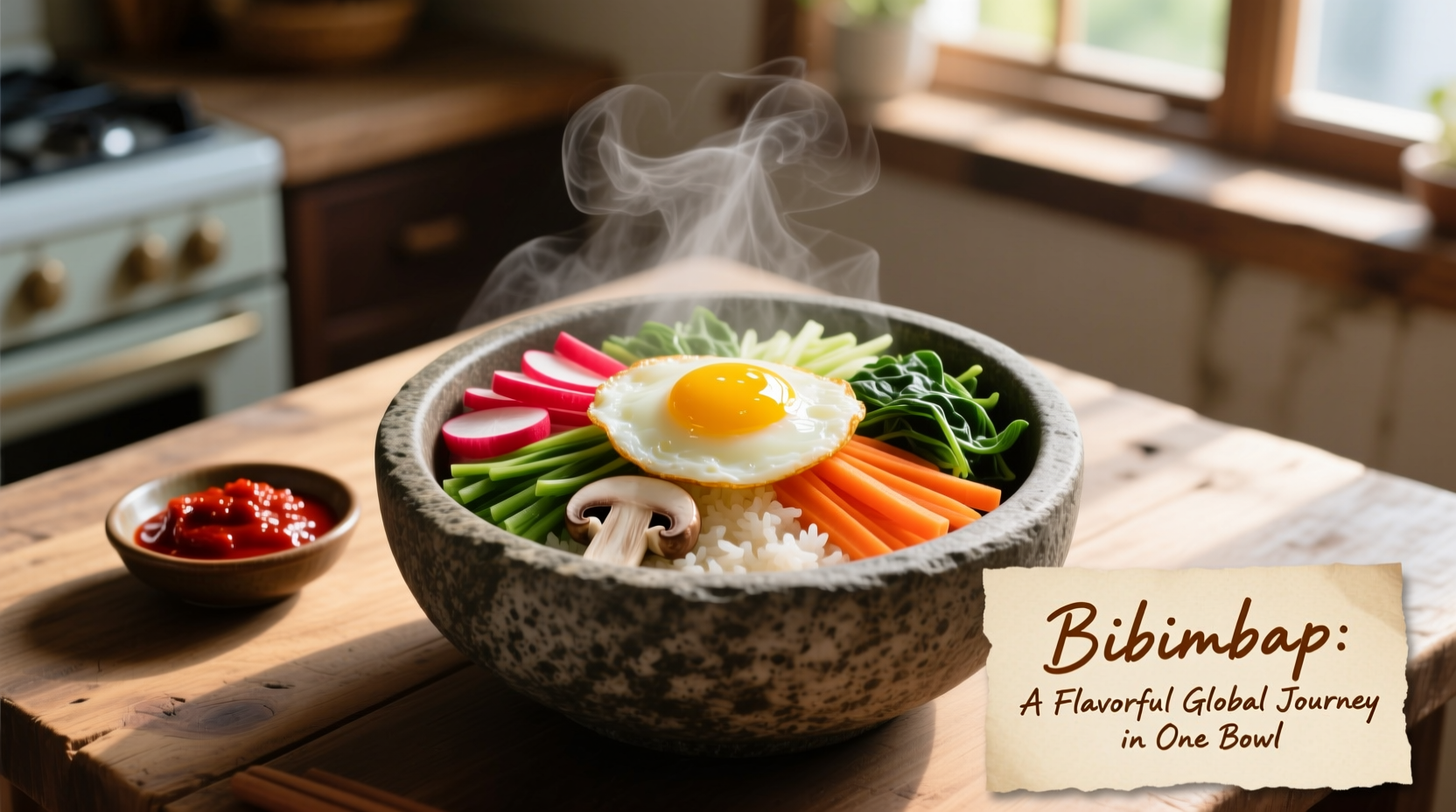
The word *bibimbap* (비빔밥) comes from the Korean verbs *bibim*, meaning “mixing,” and *bap*, meaning “cooked rice.” Literally translated, it means “mixed rice.” The dish originated as a practical way to use leftover side dishes (*banchan*) by combining them over rice, often finished with a fried egg and chili paste. Historically rooted in rural Korea, bibimbap was traditionally eaten during the lunar new year as a symbolic act of unity and abundance, using whatever vegetables were preserved or available.
Today, bibimbap spans a spectrum from home-style preparations to refined restaurant presentations. Its core components remain consistent: a base of rice, an assortment of blanched, sautéed, or pickled vegetables, a protein (commonly beef, tofu, or egg), and a seasoning agent—most often gochujang. The dish is typically served unmixed, encouraging diners to stir everything together before eating, blending flavors and textures into a cohesive whole. This ritual of mixing embodies the Korean culinary ideal of *jeong*, a deep sense of care, intention, and connection expressed through food.
Key Characteristics
| Attribute | Description |
|---|---|
| Flavor Profile | Umami-rich, savory, with spicy, sweet, tangy, and sometimes nutty notes depending on toppings and sauce. |
| Aroma | Toasted sesame oil, garlic, fermented chili, and fresh vegetables create a warm, inviting scent. |
| Color & Presentation | Vibrant and colorful; each vegetable is arranged distinctly to form a rainbow-like pattern. |
| Texture | Varied—crisp vegetables, soft rice, chewy mushrooms, tender meat or tofu, and a runny egg yolk. |
| Heat Level | Moderate to high, primarily from gochujang; adjustable based on preference. |
| Culinary Function | Main course; balanced meal in one bowl; suitable for lunch or dinner. |
| Shelf Life | Best consumed fresh; components can be prepped and stored separately for up to 4 days. |
Practical Usage: How to Make Bibimbap at Home
Creating authentic bibimbap at home is both achievable and rewarding. The key lies in preparation—cooking and seasoning each component individually ensures clarity of flavor and texture. While traditional recipes call for specific vegetables, modern adaptations allow flexibility based on availability and dietary needs.
- Prepare the Rice: Use short- or medium-grain white rice. Rinse until water runs clear, then cook with a 1:1.2 rice-to-water ratio. For enhanced aroma, add a strip of dried kelp (*dashima*) while cooking. Let it rest covered for 10 minutes after cooking.
- Choose & Prep Vegetables: Select 5–7 vegetables for variety. Classic choices include:
- Sprouts (kongnamul): Blanch soybean sprouts, season with garlic, sesame oil, and salt.
- Spinach (spinach namul): Blanch, squeeze dry, then toss with soy sauce, sesame oil, and seeds.
- Shiitake mushrooms: Sauté with soy sauce, sugar, and garlic until glossy.
- Zucchini (aehobak): Julienne and lightly sauté with salt and sesame oil.
- Carrots (danggeun): Julienne and stir-fry briefly to retain crunch.
- Fernbrake (gosari): Rehydrated and sautéed (optional but traditional).
- Add Protein:
- Beef: Thinly sliced ribeye or sirloin marinated in soy sauce, sugar, sesame oil, garlic, and pear juice (for tenderness), then quickly seared.
- Tofu: Pan-fried firm tofu, optionally marinated or glazed with gochujang.
- Egg: Fried sunny-side up with a runny yolk, essential for richness.
- Make the Sauce: Combine 2 parts gochujang, 1 part rice vinegar, 1 part honey or sugar, 1/2 part sesame oil, and a splash of water. Adjust for heat and sweetness. Optional additions: minced garlic, grated ginger, toasted sesame seeds.
- Assemble: Place warm rice in a bowl. Arrange vegetables in distinct sections around the edge. Place protein in the center. Top with egg. Add sauce on the side or drizzle over the top.
- Serve: Mix thoroughly just before eating to distribute flavors evenly.
Pro Tip: For dolsot bibimbap (stone pot bibimbap), heat a stone bowl until very hot, add rice, then layer toppings. The rice forms a crisp, golden crust (*nurungji*) on the bottom—a prized textural element. Serve immediately with caution: the bowl will be extremely hot.
Variants & Types
Bibimbap varies significantly across regions and contexts in Korea, each reflecting local agriculture, climate, and tradition. Understanding these types helps home cooks tailor their approach to seasonality and authenticity.
- Dolsot Bibimbap (Stone Pot Bibimbap): Served in a heated stone bowl, creating a crunchy rice crust. Ideal for colder months and restaurant settings due to equipment needs.
- Jeonju Bibimbap: Originating from Jeonju, South Korea’s unofficial food capital, this version includes raw beef (*yukhoe*), abalone, and yellow pickled radish (*danmuji*). It uses *japchae*-style glass noodles mixed in and is considered the most elaborate form.
- Haemul Bibimbap (Seafood Bibimbap): Features squid, shrimp, and clams instead of meat. Common in coastal areas like Busan.
- Hobak Bibimbap (Pumpkin Bibimbap): Uses mashed pumpkin mixed into the rice for natural sweetness and vibrant orange color. Popular in autumn.
- Namul Bibimbap: A vegetarian version emphasizing wild greens and mountain herbs, historically eaten in temples and rural communities.
- Chilled Bibimbap (Bibim Naengbap): Served cold with icy broth or cucumber water, perfect for summer. Often includes chilled noodles or extra-crisp vegetables.
| Type | Region | Key Features | Best For |
|---|---|---|---|
| Dolsot Bibimbap | National (popularized) | Hot stone bowl, crispy rice | Winter, restaurants |
| Jeonju Bibimbap | Jeolla Province | Raw beef, abalone, danmuji | Festive occasions |
| Haemul Bibimbap | Coastal regions | Seafood-based protein | Summer, seaside cuisine |
| Namul Bibimbap | Mountainous areas | Wild greens, no meat | Vegetarian diets |
| Hobak Bibimbap | Rural farms | Pumpkin-infused rice | Autumn harvest |
Comparison with Similar Dishes
Bibimbap is often compared to other mixed rice or grain bowls globally. While they share structural similarities, key differences lie in seasoning, technique, and cultural context.
| Dish | Origin | Differences from Bibimbap |
|---|---|---|
| Buddha Bowl | Western (health food trend) | Plant-based focus, no standardized ingredients; dressing often vinaigrette-based rather than fermented chili paste. |
| Poke Bowl | Hawaiian (with Japanese influence) | Uses raw fish (typically tuna), soy-based marinade (*shoyu*), and tropical ingredients like seaweed salad and mango. |
| Donburi | Japan | Single topping (e.g., chicken, egg) served over rice; not mixed; sauces are poured over, not stirred in. |
| Salad Niçoise | France | Served cold, composed rather than mixed; features tuna, green beans, potatoes, olives. |
| Bowls (Acai, Grain, etc.) | Global modern trend | Lack fermented elements like gochujang; emphasize superfoods, smooth textures, and cold serving. |
The defining feature of bibimbap is its reliance on *fermented* and *savory-seasoned* components, particularly gochujang and sesame oil, which provide depth and umami absent in many Western interpretations. Unlike donburi or poke, where ingredients are layered or plated without interaction, bibimbap demands active participation—the diner must mix to unlock the full flavor experience.
Practical Tips & FAQs
Can I make bibimbap vegetarian or vegan?
Yes. Omit meat and egg, and use tofu or tempeh as protein. For vegan versions, ensure gochujang is fish-free (some brands contain *sikhae*, fermented seafood). Substitute egg with avocado slices or roasted mushrooms for creaminess.
How do I store bibimbap components?
Store each vegetable and protein separately in airtight containers in the refrigerator for up to 4 days. Rice can be frozen in portions. Reheat rice with a splash of water to restore moisture. Assemble only when ready to eat.
What if I can’t find gochujang?
Gochujang is irreplaceable for authenticity, but a substitute can be made: mix 1 tbsp red miso paste + 1 tsp smoked paprika + 1/2 tsp sugar + 1/4 tsp cayenne + 1/2 tsp sesame oil. This mimics the sweet-spicy-umami profile but lacks fermentation complexity.
Is bibimbap healthy?
When balanced, yes. It provides complex carbohydrates, fiber, plant-based nutrients, and lean protein. Control sodium by reducing soy sauce in vegetable prep and choosing low-sodium gochujang. Use brown rice for added fiber.
Can I use instant rice or microwave veggies?
For speed, yes—but flavor and texture suffer. Pre-cooked rice often becomes mushy, and canned vegetables lack crispness. If using shortcuts, enhance with toasted sesame oil, fresh garlic, and a squeeze of lime.
Why is my bibimbap bland?
Underseasoning is the most common issue. Each vegetable should be individually seasoned—not just tossed with oil, but properly salted, sweetened, and aromatized. Taste each component before assembly. Also, ensure gochujang sauce has balance: too much paste overwhelms, too little leaves it flat.
Storage Checklist:
- Keep rice separate from wet vegetables to prevent sogginess.
- Label containers with dates; consume within 3–4 days.
- Freeze gochujang in ice cube trays for portioned use.
- Revive leftovers with a quick pan-sear to restore texture.
“The beauty of bibimbap is in its imperfection. No two bowls are identical. It reflects the season, the cook’s mood, and what’s available. That’s the essence of Korean home cooking—resourcefulness wrapped in beauty.” — Chef Hooni Kim, New York City restaurateur and author of *My Korea*
Global Adaptations & Culinary Evolution
As Korean cuisine has gained global recognition, bibimbap has evolved beyond its roots. In Los Angeles, chefs pair it with kimchi fried rice bases and bulgogi. In London, it appears with quinoa and roasted beetroot. Tokyo versions may include nori flakes and wasabi mayo. These fusions aren’t dilutions—they’re testaments to the dish’s adaptability.
In school cafeterias across Scandinavia, “rice bowls” inspired by bibimbap serve as healthy lunch options, using local root vegetables and lingonberries for acidity. In Australia, native bush tomatoes and warrigal greens appear in gourmet takes. Even fast-casual chains like Sweetgreen and CAVA offer bibimbap-style bowls, though often missing the fermented soul of the original.
The challenge for purists is preserving authenticity while embracing innovation. The core principles—balance, color, texture, and the act of mixing—should remain intact. Substitutions are acceptable, but the spirit of the dish hinges on umami depth and intentional layering.
Summary & Key Takeaways
Bibimbap transcends its status as a simple rice bowl. It is a dynamic expression of Korean culinary values: balance, seasonality, and mindful preparation. From its rustic origins to its global reinvention, it remains accessible, nutritious, and deeply satisfying.
- Bibimbap means “mixed rice” and centers on combining seasoned vegetables, protein, and gochujang over rice.
- It originated as a practical way to use leftovers and has evolved into a symbol of Korean food culture.
- Key characteristics include vibrant colors, varied textures, umami-rich flavor, and the ritual of mixing.
- Multiple regional variants exist, including dolsot, Jeonju, haemul, and chilled versions.
- Home preparation requires careful seasoning of individual components and proper assembly.
- It differs from similar bowls by its use of fermented gochujang, active mixing, and emphasis on banchan-style sides.
- Adaptable to vegetarian, vegan, gluten-free, and health-conscious diets with thoughtful substitutions.
- Global versions reflect local ingredients but should preserve the dish’s core principles.
Start with a basic version using 5 vegetables, beef or tofu, and homemade gochujang sauce. Master the fundamentals, then experiment with regional styles and seasonal produce. Once you’ve made your first bowl, you’ll understand why bibimbap isn’t just food—it’s an invitation to engage, balance, and savor.









