Black clothing has a timeless elegance—it’s slimming, professional, and effortlessly stylish. But for cat owners, wearing black can quickly become a frustrating experience. Cat hair clings stubbornly to dark fabrics, turning a polished outfit into a magnet for fluff after just minutes with your feline companion. The static charge in synthetic fibers, combined with the contrast between black fabric and light-colored fur, makes the problem even worse.
The good news: you don’t have to choose between loving your cat and looking put-together. With the right strategies—from grooming habits to laundry techniques and fabric choices—you can dramatically reduce or even eliminate cat hair buildup on your favorite black garments. This guide dives deep into proven, practical solutions that actually work in real-life settings.
Why Cat Hair Loves Black Clothes
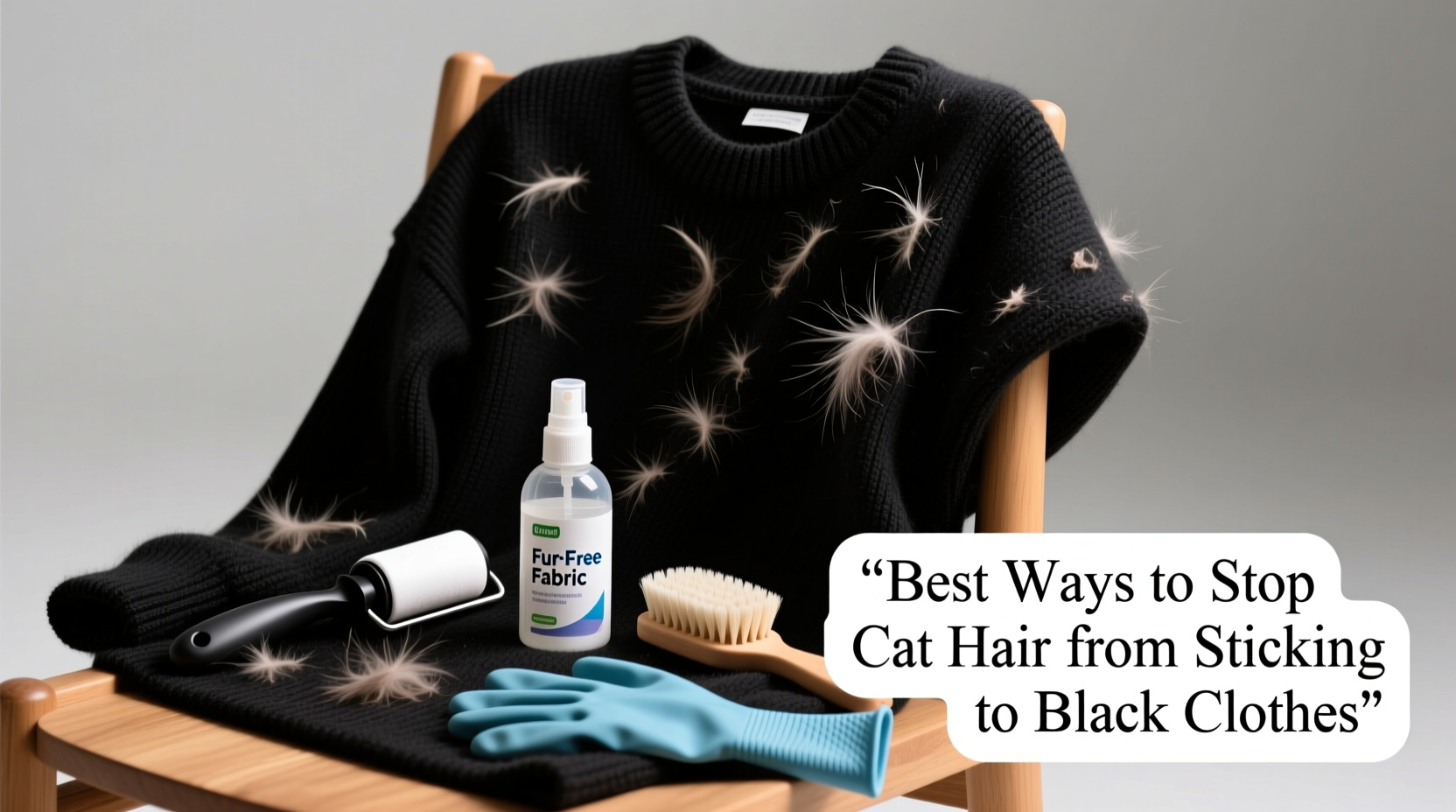
Cat hair doesn't discriminate—but it becomes far more visible on dark surfaces. The issue isn't just aesthetics; it's also physics. Many black clothes are made from synthetic materials like polyester or nylon, which generate static electricity. This static acts like a magnet for lightweight particles, including pet dander and fur.
In addition, cats shed year-round, with increased shedding during seasonal transitions (spring and fall). Their undercoat loosens and spreads through brushing, lounging, and close contact. When they jump onto your lap or rub against your legs, loose hairs transfer instantly to your clothing.
Understanding the root causes helps you target solutions effectively. You're not fighting your cat—you're managing shedding, reducing static, choosing better fabrics, and adjusting care routines.
Tip: Static is your enemy when it comes to pet hair. Combat it early with anti-static sprays or natural fabric softeners.Effective Grooming Techniques for Your Cat
One of the most effective ways to reduce cat hair on clothes starts with your pet—not your wardrobe. Regular grooming removes loose fur before it ends up on your sofa, bed, or blouse.
Daily brushing is ideal, especially for long-haired breeds like Maine Coons or Persians. Even short-haired cats benefit from weekly brushing. Use tools designed specifically for de-shedding, such as the Furminator or slicker brushes, which reach the undercoat where most shedding originates.
Bathing your cat occasionally can also help. While most cats dislike water, a monthly bath with a gentle, moisturizing shampoo reduces loose hair and dander. Always dry thoroughly to prevent matting and discomfort.
“Consistent grooming cuts shedding by up to 80%. It’s the single most impactful step pet owners can take.” — Dr. Lena Patel, Feline Dermatology Specialist
Step-by-Step Grooming Routine
- Choose the right brush based on your cat’s coat type.
- Brush in the direction of hair growth, applying gentle pressure.
- Spend 5–10 minutes per session, focusing on high-shed areas like the back and tail.
- Follow up with a damp microfiber cloth to remove residual loose hairs.
- Consider using grooming wipes between sessions to capture stray fur.
Make grooming a positive experience with treats and calm interaction. Over time, many cats come to enjoy the routine—and you’ll see fewer tumbleweeds of fur rolling across your floor.
Fabric Choices That Resist Cat Hair
Not all black clothes are equally vulnerable. The fabric composition plays a major role in how much hair sticks and how easy it is to remove.
Tightly woven, smooth fabrics like cotton poplin, denim, or certain performance blends tend to attract less hair than fuzzy textures such as wool, fleece, or brushed polyester. Avoid velvety finishes and overly textured weaves if you’re constantly battling fur.
When shopping for black clothing, check the label. Natural fibers like cotton and linen generate less static than synthetics. If you must wear polyester, look for anti-static treated versions or blend them with cotton.
| Fabric Type | Hair Resistance | Static Level | Best For |
|---|---|---|---|
| Cotton | High | Low | Casual shirts, pants |
| Denim | Very High | Very Low | Jackets, jeans |
| Polyester | Low | High | Blazers, dresses |
| Wool | Low | Moderate | Cold-weather wear |
| Linen | Medium-High | Low | Summer outfits |
Leather and vegan leather jackets are surprisingly resistant to cat hair. Their non-porous, smooth surface prevents fibers from embedding, making them excellent outerwear choices for cat owners.
Tip: Carry a travel-sized lint roller in your bag. It’s a quick fix before meetings or social events.Laundry and Fabric Care Strategies
How you wash and dry your black clothes directly affects their tendency to attract cat hair. Poor laundry practices can increase static and leave residues that trap fur.
Use white vinegar instead of chemical fabric softeners. Add half a cup to the rinse cycle—it naturally softens fabric, reduces static, and breaks down detergent buildup without damaging colors. Alternatively, use wool dryer balls instead of dryer sheets. They reduce drying time, soften clothes, and minimize static cling—the perfect combo for fur resistance.
Avoid over-drying. Tumbling clothes too long increases heat-induced static. Remove items while slightly damp and hang or lay flat to finish drying. If using a dryer, set it to low heat and include aluminum foil balls (crumpled) to discharge static electricity.
Do’s and Don’ts of Cat-Friendly Laundry
| Do | Don’t |
|---|---|
| Use vinegar in the rinse cycle | Use conventional fabric softeners |
| Add wool dryer balls | Overload the washing machine |
| Wash black clothes separately | Dry synthetic fabrics on high heat |
| Turn clothes inside out before washing | Use bleach or harsh detergents |
For immediate cleaning between wears, try a damp microfiber cloth. Lightly wipe down pants or jackets to lift surface hair without needing a full wash.
Real-Life Example: Sarah’s Office Dilemma
Sarah, a marketing manager and proud owner of two Norwegian Forest Cats, used to dread wearing black slacks to work. By mid-morning, her trousers were covered in long strands of golden fur. She tried lint rollers daily, but they left sticky residue and didn’t prevent re-accumulation.
She decided to overhaul her approach. First, she began brushing both cats every evening—cutting visible shedding by half within two weeks. Next, she switched her laundry routine: using vinegar and wool dryer balls eliminated the static that had been attracting fur. Finally, she replaced her worst offenders—polyester blazers—with cotton-blend alternatives and invested in a handheld rechargeable lint remover.
Within a month, Sarah went from carrying a lint roller in her purse to barely noticing any fur on her clothes. Her coworkers even asked her secret. “It’s not magic,” she said. “It’s consistency.”
Quick Checklist: Stop Cat Hair in 7 Steps
- ✅ Brush your cat daily with a de-shedding tool
- ✅ Wash black clothes with white vinegar in the rinse cycle
- ✅ Use wool dryer balls instead of dryer sheets
- ✅ Choose tightly woven, low-static fabrics like cotton or denim
- ✅ Keep a lint roller or reusable adhesive roller handy
- ✅ Wipe clothes with a damp microfiber cloth before wearing
- ✅ Limit cat access to your closet or designated clothing areas
FAQ: Common Questions About Cat Hair and Clothing
Does shaving my cat reduce shedding?
Shaving can reduce shedding temporarily, but it’s not recommended for most cats. Their coat regulates body temperature and protects their skin. Shaving may cause stress or uneven regrowth. Regular brushing is safer and nearly as effective.
Can I use an anti-static spray on my clothes?
Yes. Commercial anti-static sprays work well, but you can make a DIY version: mix one part liquid fabric softener with ten parts water in a spray bottle. Lightly mist the inside of garments—never oversaturate. Test on a small area first to avoid staining.
Why does cat hair stick more in winter?
Winter air is dry, increasing static electricity in fabrics. Indoor heating worsens this effect. Using a humidifier at home (ideally between 40–60% humidity) reduces static and helps keep both your skin and clothes more balanced.
Conclusion: Stay Sharp, Stay Fur-Free
Wearing black clothes as a cat owner doesn’t have to mean constant lint rolling or self-consciousness. By combining smart grooming, strategic laundry habits, and thoughtful fabric choices, you can maintain a sleek appearance without sacrificing time with your pet.
The key is consistency. Small daily actions—like brushing your cat or wiping down a jacket—add up to big results. You don’t need expensive gadgets or extreme measures. Just a few adjustments to your routine can transform your relationship with black clothing forever.
💬 Have a tip that changed your game? Share your experience below! Help fellow cat lovers stay stylish, confident, and fur-free.








