A crystal-clear aquarium transforms a simple fish tank into a living work of art. But over time, algae, mineral deposits, and biofilm cloud the glass, obstructing your view and dulling the vibrancy of your underwater world. The challenge isn’t just cleaning—it’s doing so safely, effectively, and without scratching the glass. Many hobbyists reach for household cleaners or abrasive pads, only to damage their tanks or endanger their aquatic life. The truth is, the best method balances safety, efficiency, and long-term clarity.
Cleaning aquarium glass isn’t about brute force; it’s about precision and consistency. Whether you’re managing a 10-gallon nano tank or a sprawling 100-gallon centerpiece, the right approach preserves both aesthetics and ecosystem health. This guide outlines proven techniques, tools, and routines used by professional aquarists to maintain spotless, scratch-free glass—without disrupting water chemistry or stressing your fish.
Understanding What Builds Up on Aquarium Glass
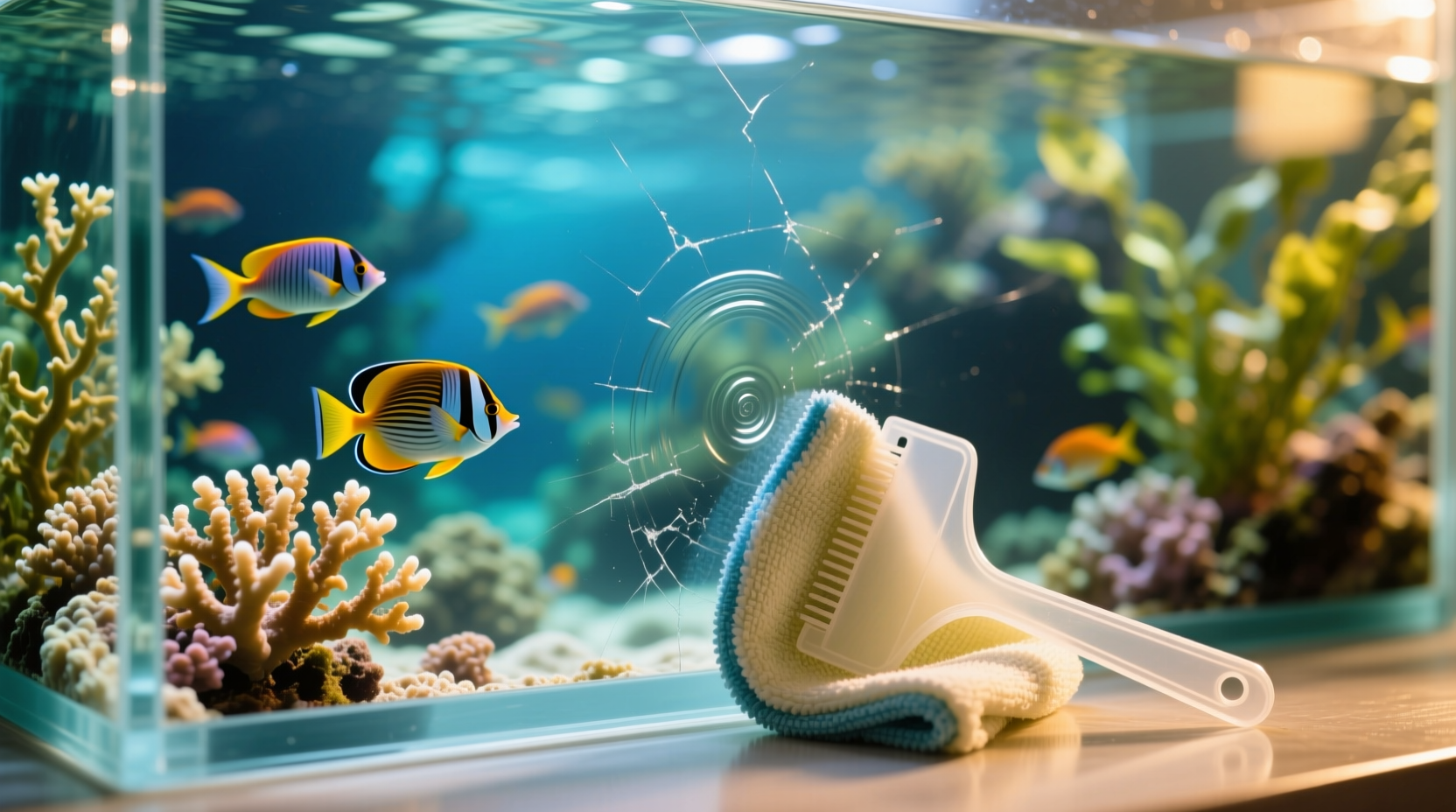
Before selecting a cleaning method, it’s essential to identify what you’re actually removing. Different residues require different approaches:
- Green Algae: Caused by excess light and nutrients, this soft film responds well to mechanical scrubbing.
- Diatoms (Brown Algae): Common in new tanks, these are silica-based and often appear as a dusty brown coating.
- Blue-Green Algae (Cyanobacteria): Actually a bacterial bloom, not algae—requires more than just glass cleaning to resolve.
- Hard Water Stains: White, chalky marks left behind when water evaporates, composed of calcium and magnesium.
- Film from Oils: Surface scum caused by skin oils, food residue, or airborne contaminants.
Using the wrong tool on the wrong deposit can lead to scratches. For example, metal blades may remove hard mineral buildup but will gouge acrylic tanks. Knowing your enemy helps you choose the right weapon.
Tip: Test any cleaning tool on an inconspicuous area first—especially on acrylic or painted tanks.Choosing the Right Tools for Your Tank Type
The material of your aquarium dictates which cleaning tools are safe. A scratched tank not only looks bad but can weaken structurally over time. Here’s a breakdown of common aquarium materials and compatible tools:
| Tank Material | Safe Tools | Tools to Avoid |
|---|---|---|
| Tempered Glass | Razor blades, magnetic cleaners with stainless steel edges, soft algae pads | Steel wool, abrasive sponges |
| Acrylic | Plastic scrapers, soft cloths, acrylic-safe magnetic cleaners | Razor blades, metal scrapers, rough pads |
| Standard Glass | All glass-safe tools including razor blades (with care) | Excessive pressure with metal tools |
Magnetic cleaners are popular for routine maintenance because they allow cleaning without getting hands wet. However, cheaper models may contain embedded sand that causes micro-scratches over time. Invest in a high-quality version with replaceable pads and a protective casing.
“Always match your tool to your tank material. I’ve seen decades-old aquariums ruined in minutes by a misplaced razor blade on acrylic.” — Dr. Lena Torres, Aquatic Systems Biologist
Step-by-Step Guide to Cleaning Aquarium Glass Safely
Follow this sequence for consistent, safe results whether you're doing weekly touch-ups or deep cleaning during water changes.
- Turn Off Equipment: Shut down heaters, filters, and pumps to prevent debris from entering intakes and to protect equipment from dry running.
- Prepare Your Tools: Have a dedicated algae scraper, soft cloth, bucket, and dechlorinated water ready. Never use household cleaners.
- Scrape Interior Surfaces: Use a plastic scraper for acrylic or a razor blade held at a 45° angle for glass. Work in straight lines vertically or horizontally to avoid circular scratches.
- Clean Corners and Hard-to-Reach Areas: Use a cotton swab or soft toothbrush for silicone seams and near decorations.
- Wipe Exterior Glass: Use a microfiber cloth dampened with purified water (not tap) to avoid streaks from minerals.
- Vacuum Debris: During water changes, use a gravel vacuum to remove loosened particles from the substrate.
- Polish for Clarity: Buff exterior glass with a dry microfiber cloth to eliminate smudges and enhance transparency.
Never mix cleaning chemicals or introduce anything not explicitly labeled as aquarium-safe. Even small amounts of soap residue can be toxic to fish and beneficial bacteria.
Real Example: Reviving a Cloudy Community Tank
Mark, a hobbyist in Portland, noticed his 55-gallon community tank had developed a persistent green film despite weekly maintenance. He was using a generic sponge from the kitchen, which left faint streaks and didn’t fully remove the algae. After switching to a dual-sided magnetic cleaner with replaceable felt and blade pads, he reduced cleaning time by half and eliminated the haze. By aligning his cleaning schedule with bi-weekly 25% water changes, he maintained clarity for over three months without scrubbing manually. His key insight? “Consistency beats intensity. Five minutes every week beats a messy hour-long session.”
Preventative Maintenance Tips for Long-Term Clarity
The best way to keep glass clean is to slow down algae growth before it starts. Consider these preventative strategies:
- Limits lighting to 8–10 hours per day using a timer.
- Balances nutrient levels with regular testing and controlled feeding.
- Introduces algae-eating species like nerite snails, otocinclus catfish, or Amano shrimp.
- Performs monthly inspections of filter output and flow patterns to prevent dead zones where algae accumulate.
- Uses reverse osmosis (RO) water for top-offs to reduce mineral buildup on the waterline.
FAQ: Common Questions About Cleaning Aquarium Glass
Can I use vinegar to clean aquarium glass?
Yes—but only on empty tanks during deep cleans. A 1:1 solution of white vinegar and water can dissolve hard water stains. Rinse thoroughly with dechlorinated water and never use vinegar in a tank with fish, plants, or live rock, as it alters pH and harms beneficial bacteria.
Why does my glass get cloudy right after cleaning?
This is often due to microscopic scratches catching light or a thin biofilm reforming quickly. It can also result from using tap water with high mineral content on the exterior. Switch to distilled or RO water for wiping outer surfaces.
How often should I clean my aquarium glass?
For most tanks, a light wipe-down every 7–10 days is sufficient. High-light or nutrient-rich systems may need weekly attention. Observe your tank closely—the moment visibility drops is the signal to act.
Checklist: Safe Aquarium Glass Cleaning Routine
- ☐ Turn off all electrical equipment
- ☐ Identify tank material (glass vs. acrylic)
- ☐ Select appropriate tool (plastic scraper, razor, or magnetic cleaner)
- ☐ Clean interior with straight, overlapping strokes
- ☐ Address corners with soft brush or cotton swab
- ☐ Wipe exterior with microfiber and purified water
- ☐ Reconnect equipment and check function
- ☐ Record cleaning date for future reference
Conclusion: Clarity Begins with Care
A pristine aquarium doesn’t happen by accident—it’s the result of informed choices and consistent habits. The best way to clean aquarium glass isn’t a single product or trick, but a system: knowing your tank’s material, using the right tools, cleaning regularly, and preventing buildup before it starts. When done correctly, glass cleaning becomes a quick, satisfying part of your routine rather than a frustrating chore.
Start today by evaluating your current method. Are you risking scratches? Using unsafe tools? Waiting too long between cleanings? Small adjustments can yield dramatic improvements in clarity and tank health. Share your favorite tips or ask questions in the discussion below—your experience could help another aquarist see their tank in a whole new light.
💬 Have a go-to tool or trick for spotless aquarium glass? Join the conversation and help fellow enthusiasts achieve crystal-clear views!








