At two years old, children are in a critical phase of development—exploring their environment, building language, refining motor skills, and beginning to understand social interactions. The right toys can do far more than entertain; they can lay the foundation for cognitive growth, emotional regulation, and physical coordination. Choosing toys that balance fun with developmental value is essential. This guide highlights the most effective, engaging, and educationally sound toys for toddlers, backed by child development principles and expert insights.
Why Toy Selection Matters at Age Two
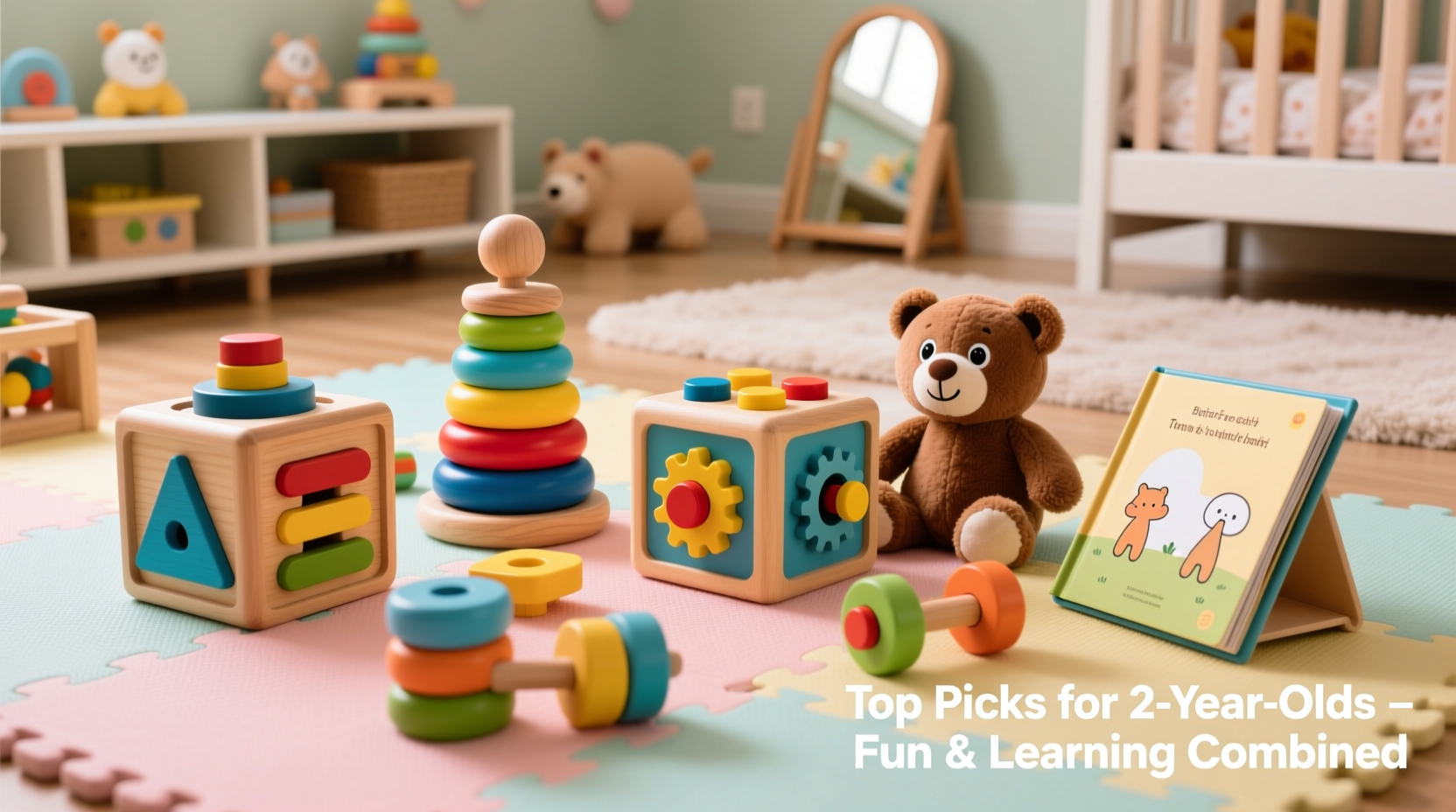
Between 18 months and three years, a child’s brain forms millions of neural connections each second. Play is not just recreation—it's how toddlers learn cause and effect, problem-solving, communication, and self-regulation. At this age, play becomes more symbolic and imaginative. A stick becomes a sword, a box turns into a spaceship. Toys that encourage open-ended play support this cognitive leap.
According to the American Academy of Pediatrics, unstructured, interactive play is vital for healthy brain development. “Play is the work of childhood,” says Dr. Michael Yogman, a pediatrician and researcher on early childhood development. “It fosters creativity, language acquisition, and emotional resilience.”
“Play is the work of childhood.” — Dr. Michael Yogman, Pediatrician & Child Development Researcher
Key Developmental Areas Supported by Quality Toys
Toys should align with the major developmental milestones of two-year-olds:
- Motor Skills: Building hand-eye coordination, fine motor control (pincer grasp), and gross motor movement.
- Language & Communication: Expanding vocabulary, practicing sentence structure, and understanding social cues.
- Cognitive Growth: Learning shapes, colors, numbers, sorting, matching, and problem-solving.
- Social-Emotional Development: Practicing empathy, turn-taking, and emotional expression through pretend play.
- Creativity & Imagination: Encouraging storytelling, role-playing, and inventive thinking.
Top 7 Toy Categories That Deliver Fun and Learning
The best toys for two-year-olds aren’t flashy or electronic—they’re simple, durable, and open-ended. Here are the top categories with specific recommendations.
1. Building and Stacking Toys
Blocks, stacking rings, and interlocking bricks promote spatial awareness, hand strength, and early engineering concepts. Wooden blocks are timeless for a reason: they allow limitless configurations and inspire creative thinking.
2. Pretend Play Sets
Kitchen sets, doctor kits, and dollhouses help children process real-world experiences. Role-playing builds empathy and narrative skills. For example, pretending to feed a baby doll reinforces caregiving behaviors and emotional intelligence.
3. Shape Sorters and Puzzles
These toys teach categorization, problem-solving, and persistence. Look for chunky wooden puzzles with knobs for easy gripping. As children master shape recognition, they gain confidence in their abilities.
4. Musical Instruments
Tambourines, xylophones, and drums develop rhythm, auditory processing, and bilateral coordination. Music also supports memory and language patterns. Even simple shakers can spark joy and movement.
5. Ride-Ons and Push Toys
Wagons, tricycles, and animal scooters enhance balance, leg strength, and coordination. They also encourage outdoor exploration, which is linked to improved attention spans and reduced stress.
6. Art Supplies
Large crayons, washable markers, and finger paints stimulate sensory development and fine motor control. Drawing circles or lines may seem basic, but they’re foundational for future writing.
7. Books with Interactive Elements
Lift-the-flap, touch-and-feel, and rhyming books captivate short attention spans while building vocabulary and listening skills. Reading together strengthens bonding and language exposure.
Comparison: Best Toys by Learning Benefit
| Toys | Motor Skills | Language Boost | Cognitive Focus | Emotional/Social Growth |
|---|---|---|---|---|
| Wooden Blocks | High | Medium | High | Medium |
| Pretend Kitchen Set | Medium | High | Medium | High |
| Chunky Puzzles | High | Low | High | Medium |
| Musical Drum | Medium | Medium | Low | High (self-expression) |
| Interactive Board Books | Low | High | Medium | High |
Real Example: How One Family Used Play to Support Language Growth
Sophie, a 26-month-old with delayed speech, struggled to form full sentences. Her parents introduced a pretend grocery store set with toy fruits, a cart, and cash register. Each day, they played “shopping” together, narrating actions: “I’m putting apples in the basket!” or “How much does the banana cost?” Within six weeks, Sophie began using two-word phrases like “more milk” and “big car.” Her pediatrician noted significant improvement during her next check-up, attributing progress to consistent, playful language modeling.
This case illustrates how themed playsets create natural opportunities for vocabulary expansion in low-pressure settings.
Step-by-Step Guide: Choosing the Right Toy
- Assess developmental stage: Can your child stack five blocks? Speak in two-word phrases? Walk up stairs?
- Identify a goal: Are you supporting fine motor skills, language, or social play?
- Select an open-ended toy: Avoid single-function items. Choose toys with multiple uses (e.g., blocks can be towers, roads, or food).
- Check safety standards: Ensure no small parts, sharp edges, or toxic materials. Look for ASTM F963 or CPSC certification.
- Limit screen-based toys: Avoid flashing lights and automated responses. These reduce imagination and independent thinking.
- Observe play patterns: After introducing a toy, watch how your child engages. Do they explore, imitate, or abandon it?
- Rotate and revisit: Store some toys out of sight and rotate them monthly to renew interest.
Frequently Asked Questions
Are electronic toys bad for two-year-olds?
Most electronic toys offer limited developmental value. Flashing lights and pre-recorded phrases reduce opportunities for imagination and language co-construction. While occasional use is fine, prioritize toys that require active engagement over passive entertainment.
How many toys should a two-year-old have?
Quality over quantity matters. Research suggests children play more creatively when presented with 5–7 carefully chosen toys at a time. Too many options lead to distraction and shorter attention spans. Use rotation to keep play fresh.
What if my child only likes one type of toy?
Preference is normal. If your toddler loves vehicles, expand within that theme: add a ramp (physics), a garage (spatial reasoning), or people figures (social play). Build on interests to introduce new skills gently.
Essential Checklist Before Buying a Toy
- ✔ Is it made from non-toxic, durable materials?
- ✔ Can it be used in multiple ways (open-ended)?
- ✔ Does it encourage physical activity or interaction?
- ✔ Is it appropriate for my child’s current skill level?
- ✔ Does it require adult involvement, or can my child explore independently?
- ✔ Is it easy to clean and store?
- ✔ Will it still be engaging in 3–6 months?
Final Thoughts: Invest in Play, Not Just Products
The best toys for two-year-olds aren’t about brand names or popularity—they’re tools that invite curiosity, movement, and connection. Whether it’s a simple set of nesting cups or a handmade puppet theater, the most impactful toys are those that spark sustained engagement and grow with the child. Remember, the adult’s presence during play is just as important as the toy itself. Narrate, imitate, and celebrate attempts—even imperfect ones. In doing so, you’re not just playing; you’re building confidence, competence, and a lifelong love of learning.
💬 What’s your toddler’s favorite toy—and what has it taught them? Share your story in the comments and inspire other parents looking for meaningful play ideas!








