
As dogs age, joint stiffness and arthritis become increasingly common, especially in larger breeds or those with a history of hip dysplasia or overuse injuries. While reduced mobility is expected, complete inactivity can worsen symptoms by accelerating muscle atrophy and decreasing circulation to affected joints. The key lies in encouraging low-impact, enjoyable movement that supports joint health without causing pain. Thoughtfully chosen toys can play a pivotal role in this balance—stimulating both body and mind while respecting physical limitations.
The right toy doesn’t just entertain; it invites gentle interaction, promotes range of motion, and helps maintain cognitive function. Unlike high-energy fetch toys designed for young, spry dogs, senior-friendly options prioritize ease of use, soft materials, and mental stimulation. This guide explores practical solutions backed by veterinary insight, real-world application, and biomechanical understanding of aging canine bodies.
Understanding Arthritis in Senior Dogs
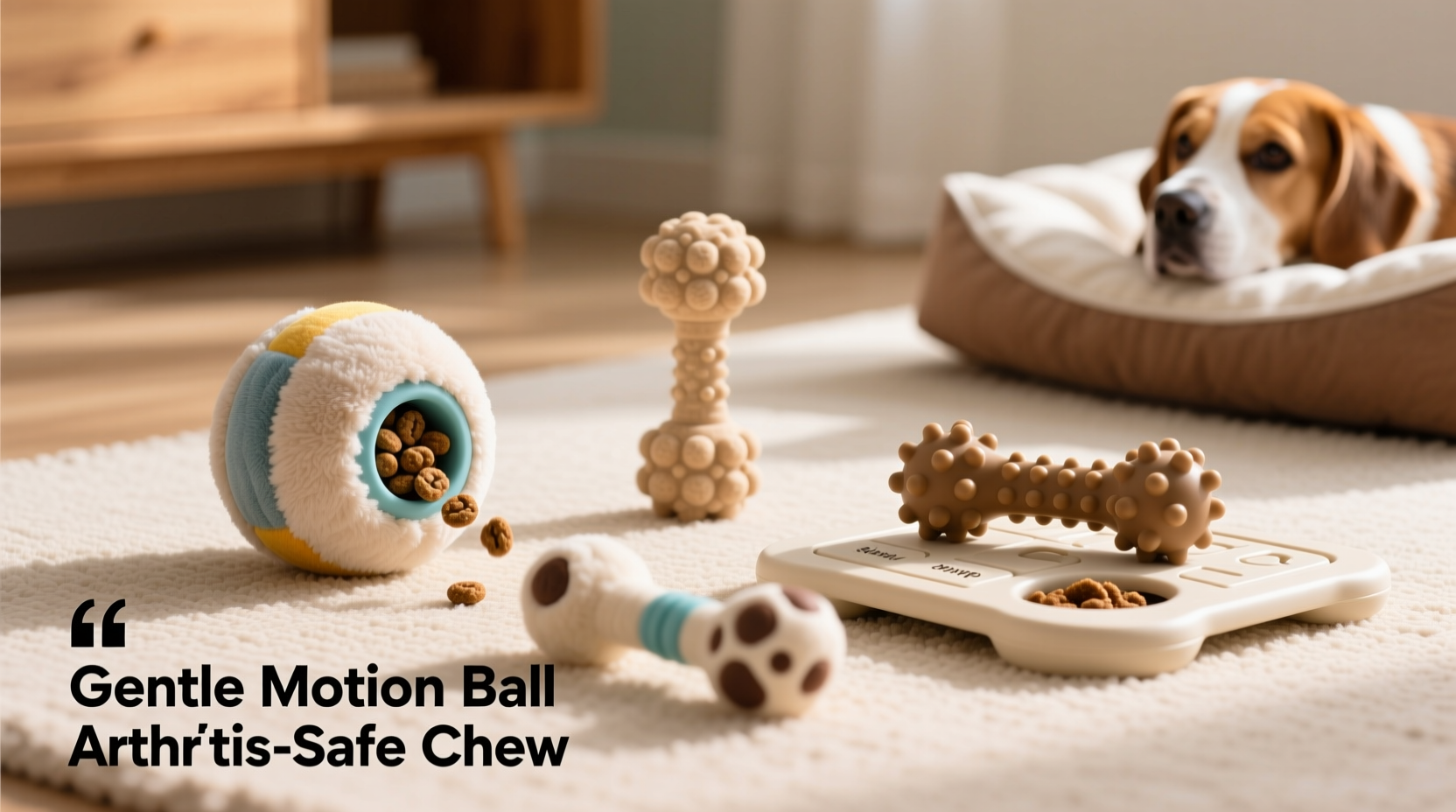
Canine osteoarthritis, also known as degenerative joint disease (DJD), affects an estimated 20% of dogs over the age of seven. It results from the gradual breakdown of cartilage within joints, leading to inflammation, discomfort, and reduced flexibility. Common signs include stiffness after rest, reluctance to jump or climb stairs, limping, and decreased interest in play.
Movement is critical in managing arthritis—not because intense exercise is recommended, but because controlled, gentle activity helps lubricate joints, maintain muscle tone, and support overall well-being. Inactivity leads to further joint deterioration, making even small motions painful over time. The goal isn't vigorous play but consistent, low-stress engagement that keeps the dog mentally alert and physically active within safe limits.
“Maintaining mobility through gentle activity is one of the most effective non-pharmaceutical interventions for arthritic dogs.” — Dr. Laura Chen, DVM, Canine Rehabilitation Specialist
Key Features of Ideal Toys for Arthritic Seniors
Selecting appropriate toys requires shifting focus from durability and excitement to accessibility and sensory engagement. Here are essential characteristics to look for:
- Soft, lightweight construction: Heavy or rigid toys require excessive jaw pressure or body strain to manipulate.
- Easy to grip or nudge: Look for contoured shapes, textured surfaces, or wide bases that allow dogs to interact without needing precise paw control.
- Low-height design: Avoid toys that encourage jumping, stretching upward, or sudden twisting motions.
- Sensory stimulation: Incorporating scent, sound, or treat-dispensing mechanisms engages the brain and motivates gentle physical effort.
- Non-slip base: Prevents sliding during interaction, reducing strain on unstable joints.
Top Toy Categories That Encourage Safe Movement
Not all toys labeled “senior-friendly” deliver on their promise. Below are proven categories with specific examples and usage tips tailored to arthritic dogs.
1. Treat-Dispensing Puzzles (Slow Feeders & Interactive Boards)
Treat puzzles engage a dog’s natural foraging instincts, prompting them to nudge, paw, or nose components into position. These actions stimulate circulation and joint mobility without impact. Models with large openings and minimal resistance are ideal.
Examples: Outward Hound Hide-A-Squirrel (with plush squirrels removed or used individually), Nina Ottosson Dog Brick, or the PetSafe Busy Buddy Bouncy Bone.
2. Soft Plush Toys with Hidden Crinkle or Squeakers
While traditional squeaky toys may encourage aggressive shaking, softer versions with subtle sounds provide auditory feedback that rewards gentle interaction. Choose plush toys filled with recycled fiberfill rather than plastic pellets, which can be noisy and irritating.
Look for models with reinforced seams if your dog still enjoys carrying toys, but avoid those requiring strong chewing.
3. Low-Rolling Balls and Ground Gliders
Instead of standard tennis balls, consider wider-diameter rubber balls with textured surfaces that roll slowly and stop predictably. Some manufacturers produce “senior balls” with flat sides to prevent continuous rolling, encouraging the dog to approach, nudge, and reposition them manually.
Ground gliders—flat, disc-shaped toys made of soft rubber—are excellent for indoor use. They slide easily across floors with a light tap from the nose or paw, promoting forward reach and lateral movement.
4. Scent-Based Toys
Dogs rely heavily on olfaction, and scent games activate multiple areas of the brain. Hide treats or scented cloths under overturned cups or within fabric folds to create DIY sniff mats. Commercial options like the Kong Snuggle Bug or Trixie Activity Mat offer structured challenges without physical demand.
These activities often result in slow walking, head lowering, and careful stepping—ideal forms of therapeutic movement.
5. Floating or Water-Interactive Toys
If your dog enjoys water, floating toys in a shallow pool or bathtub introduce buoyancy-assisted movement. The reduced weight-bearing environment eases joint load while allowing paddling motions that strengthen muscles.
Use soft, floating ropes or duck-shaped toys designed for gentle retrieval. Always supervise and limit sessions to 10–15 minutes to prevent fatigue.
Real-Life Example: Max, the 12-Year-Old Labrador Retriever
Max, a retired field trial Lab, began showing signs of rear limb weakness at age ten. His owner noticed he no longer greeted her at the door and avoided his favorite hillside walks. A vet diagnosis confirmed bilateral hip arthritis. Medication helped, but Max remained lethargic indoors.
His rehabilitation therapist recommended introducing a treat-dispensing puzzle board with adjustable difficulty. Initially, treats were placed loosely in open compartments. As Max grew comfortable, they were moved behind movable sliders requiring slight paw pressure.
Within three weeks, Max was spending 15–20 minutes daily interacting with the toy, getting up multiple times per session. His owner reported improved hind-end awareness and willingness to walk short distances. Over six months, combined with physiotherapy, Max regained enough strength to enjoy brief garden strolls.
This case illustrates how simple, consistent interaction with the right toy can contribute meaningfully to functional improvement—even in moderately advanced cases.
Do’s and Don’ts When Choosing Toys for Arthritic Dogs
| Do | Don’t |
|---|---|
| Choose toys with varied textures to stimulate tactile senses | Avoid hard plastic or metal components that could hurt tender gums or joints |
| Introduce one new toy at a time to monitor response | Don’t overwhelm with complex puzzles that cause frustration |
| Wash toys regularly to prevent bacterial buildup | Avoid stuffed toys with loose threads or detachable parts if your dog tends to pull them apart |
| Use toys as part of a daily routine, like post-nap stimulation | Don’t force play if your dog shows signs of pain or disinterest |
| Pair toy use with praise or gentle massage afterward | Avoid toys that roll unpredictably or require chasing |
Step-by-Step Guide: Introducing a New Toy to an Arthritic Senior Dog
- Assess current mobility: Observe how your dog moves around the house. Note any hesitation on certain surfaces or difficulty lying down/getting up.
- Select a low-friction surface: Introduce the toy on carpet or a yoga mat where slipping is minimized.
- Add scent or food motivation: Rub a treat on the toy or place kibble nearby to draw attention.
- Demonstrate interaction: Gently push the toy with your hand to show it moves or dispenses food.
- Allow investigation: Let your dog approach at their own pace—do not force contact.
- Reinforce gently: Use calm verbal praise when they interact, even minimally.
- Limit initial sessions: Start with 3–5 minutes once or twice daily, increasing only if enthusiasm persists.
- Monitor for discomfort: Watch for limping, panting, or reluctance to move after play.
Frequently Asked Questions
Can my dog still play fetch if they have arthritis?
Traditional fetch involving sprinting and sudden stops is not advisable. However, you can adapt the game using a soft, lightweight toy rolled slowly along the ground within a few feet. Allow your dog to retrieve it at their pace and eliminate throwing altogether. Consider calling it “gentle retrieve” instead to set realistic expectations.
How do I know if a toy is causing pain?
Signs include immediate disengagement, whining, licking a joint after play, or increased stiffness later in the day. If your dog avoids the toy after initial interest or uses only their nose instead of paws, they may find manipulation uncomfortable. Adjust accordingly or try a different type.
Are there toys specifically designed for senior dogs?
Yes, several brands now market lines explicitly for older dogs. Look for labels like “senior,” “gentle play,” or “low impact.” Brands such as West Paw, Outward Hound, and Petstages offer products tested for safety and ease of use in aging pets. Always verify dimensions and material softness before purchase.
Final Checklist: Selecting the Right Toy
- ✅ Is the toy lightweight and easy to nudge with the nose?
- ✅ Does it sit steadily on the floor without rolling away?
- ✅ Can it be used while standing, sitting, or lying down?
- ✅ Does it offer sensory reward (treats, sound, scent)?
- ✅ Is it washable and free of small, swallowable parts?
- ✅ Have I introduced it gradually and observed my dog’s response?
Conclusion: Small Movements, Lasting Benefits
Caring for a senior dog with arthritis involves more than medication and vet visits—it includes thoughtful daily choices that support dignity, comfort, and quality of life. Toys are not frivolous additions; they are tools for maintaining independence and joy. The right ones invite gentle movement, spark curiosity, and reinforce the bond between pet and owner.
By prioritizing accessibility over excitement and consistency over intensity, you give your aging companion the chance to stay engaged with the world around them. Start small, observe closely, and celebrate every nudge, sniff, and soft paw tap as a victory. Your dog may not run like they once did, but they can still thrive—one thoughtful interaction at a time.
💬 Have a favorite toy that helped your senior dog stay active? Share your experience in the comments to inspire other caring pet owners!








