At 18 to 24 months, toddlers are in a golden phase of rapid growth—physically, emotionally, and cognitively. Their curiosity is boundless, their motor skills are improving daily, and they’re beginning to express preferences, often with strong opinions. Choosing a toy that captivates an 18-24-month-old girl isn’t just about fun; it’s about supporting her developmental milestones while sparking genuine delight.
The best gifts at this age aren’t flashy gimmicks but thoughtfully designed toys that encourage exploration, problem-solving, language development, and imaginative play. Whether you're shopping for a birthday, holiday, or “just because,” the right toy can become a cherished companion in her early years.
Why Toy Selection Matters at This Age
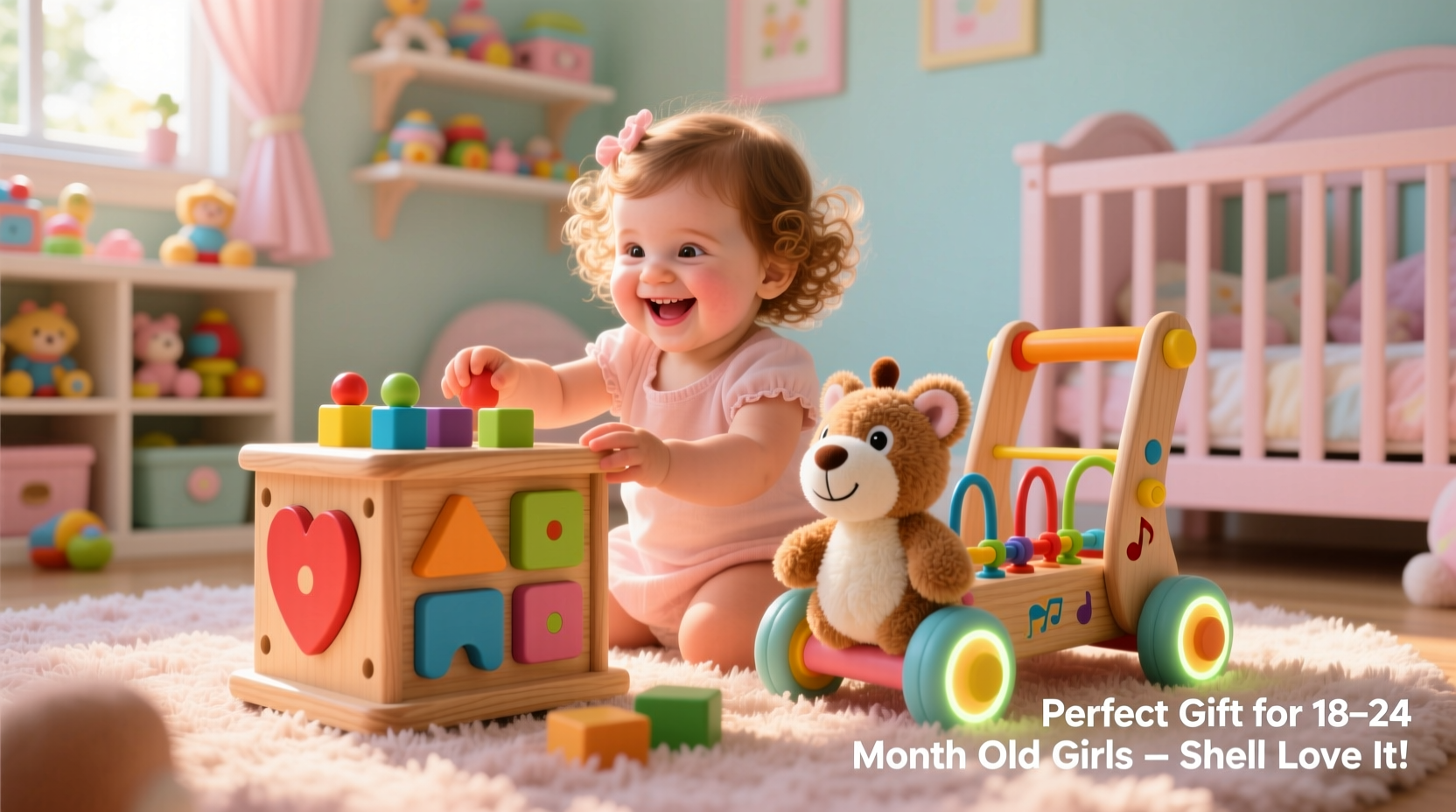
Between 18 and 24 months, children experience a cognitive leap known as the \"toddler explosion.\" Vocabulary expands rapidly—many toddlers go from saying a few words to forming simple sentences. Motor skills develop quickly: stacking blocks becomes more precise, pushing a toy stroller evolves into purposeful pretend play, and hand-eye coordination allows for more complex manipulation of objects.
Toys that align with these changes do more than entertain—they build neural pathways. According to Dr. Laura Jana, pediatrician and co-author of *The Toddler Brain*, “Play is the work of childhood. The toys children interact with shape how they learn to think, solve problems, and relate to others.”
“Play is the work of childhood. The toys children interact with shape how they learn to think, solve problems, and relate to others.” — Dr. Laura Jana, Pediatrician & Early Childhood Development Expert
This means the ideal toy for an 18-24-month-old should be safe, durable, open-ended, and aligned with emerging skills. It should invite repetition (which toddlers love) while offering just enough challenge to keep her engaged.
Top 7 Gift-Worthy Toys She’ll Actually Use
Based on developmental research, parent feedback, and durability testing, here are seven standout toys that consistently earn high marks from both kids and caregivers:
- Stacking Rainbow Blocks (like those from Grimm’s or Melissa & Doug) – These colorful wooden arches encourage fine motor development, color recognition, and creative building. Toddlers love nesting them, lining them up, or using them as bridges for toy cars.
- Push-Along Walker with Activity Panel – Ideal for newly walking toddlers, these walkers combine stability support with sensory buttons, spinning gears, and sound-making elements. Look for models with adjustable heights and smooth-rolling wheels.
- Toy Shopping Cart or Stroller with Groceries – Pretend play takes off around 18 months. A mini grocery cart with removable fruits, vegetables, and play money fosters imagination, language, and social role-playing.
- Shape Sorter with Oversized Pieces – Choose one with large, easy-to-grasp shapes and clear visual cues. Wooden sorters with textured surfaces add tactile learning.
- Bath Toys That Do More Than Float – Squirting whales, stacking cups, and suction-cup puzzles turn bath time into cognitive play. Avoid small parts that trap water.
- Board Books with Real Photos or High-Contrast Illustrations – Titles like *Eating Food* by DK or *Lift-the-Flap First Words* engage short attention spans and build vocabulary. Board books withstand chewing, dropping, and enthusiastic page-turning.
- Doll with Simple Care Accessories – A soft 12-inch doll with a removable hat or blanket encourages nurturing behavior. Pair it with a tiny brush or bottle for role-play without overwhelming complexity.
What to Avoid: Common Toy Pitfalls
Not all brightly colored, noise-making toys are created equal. Some may overstimulate, lack educational value, or pose safety risks. Use this checklist before purchasing:
| Do’s | Don’ts |
|---|---|
| Choose toys with multiple ways to play (e.g., stack, sort, push) | Avoid single-function electronic toys with flashing lights and loud sounds |
| Prioritize natural materials like wood, cotton, and silicone | Avoid plastic toys with strong chemical odors or thin, breakable parts |
| Select toys slightly above current skill level to encourage growth | Don’t buy toys requiring advanced skills (e.g., puzzles with tiny pieces) |
| Opt for washable, easy-to-clean surfaces | Skip toys with small detachable parts that could become choking hazards |
Real-Life Example: How One Toy Transformed Playtime
Sophie, a 20-month-old from Portland, was shy and hesitant to engage in group play at daycare. Her parents gifted her a small wooden toy kitchen with a sink, stove, and two miniature pots. At first, she simply opened and closed the cabinet doors. Within weeks, she began pretending to cook meals, handing imaginary food to her stuffed animals. By 23 months, she was inviting other toddlers to “eat” at her kitchen, using full sentences like “Here’s soup for you!”
Her teacher noted the shift: “That little kitchen gave Sophie a voice. It became her safe space to explore language and connection.”
This illustrates how a well-chosen toy can do more than entertain—it can unlock confidence and communication.
Step-by-Step Guide: Choosing the Perfect Toy Gift
Follow this five-step process to ensure your gift hits the mark:
- Assess Her Current Interests – Does she love animals? Vehicles? Singing songs? Observe what captures her attention during play.
- Check Developmental Fit – Is she walking confidently? Starting to talk? Match the toy to her stage. For example, if she’s mastering walking, a ride-on toy makes sense.
- Prioritize Open-Ended Play – Choose toys with no fixed outcome. A bucket of fabric scraps can become a doll’s blanket, a picnic mat, or a cape—limitless possibilities fuel creativity.
- Verify Safety and Durability – Look for certifications like ASTM F963 (U.S. toy safety standard), non-toxic finishes, and sturdy construction. Read parent reviews for real-world durability insights.
- Wrap with a Personal Touch – Include a handwritten note: “For my favorite explorer! Can’t wait to see what adventures we have together.” Emotional connection enhances the gift’s value.
Frequently Asked Questions
Are electronic toys bad for toddlers?
Not inherently, but balance is key. Excessive screen-like stimulation can reduce attention span and limit imaginative thinking. If choosing an electronic toy, opt for ones that respond to actions (like pressing a button to hear animal sounds) rather than passive entertainment.
How many toys does an 18-24-month-old really need?
Quality over quantity wins. Research shows toddlers engage more deeply with fewer toys. A curated set of 5–7 versatile, rotating toys fosters longer focus and richer play than a room full of clutter.
Is it okay to give hand-me-down toys?
Yes, if they’re clean, safe, and developmentally appropriate. Inspect for recalls, missing parts, or wear that could create hazards. Wash fabric toys, wipe down plastics, and avoid outdated items with lead paint or small magnets.
Final Thoughts: The Best Gifts Grow With Her
The most beloved toys for 18-24-month-old girls aren’t the loudest or shiniest—they’re the ones that meet her where she is and gently nudge her forward. A wooden puzzle builds problem-solving. A push cart supports independence. A board book read at bedtime strengthens emotional bonds.
When you choose a toy that respects her growing mind and spirit, you’re not just giving a gift—you’re investing in her confidence, curiosity, and capacity to learn. And that’s a present that lasts far beyond the unboxing moment.
💬 Found the perfect toy for an 18-24-month-old? Share your favorite in the comments and help other parents discover joyful, meaningful gifts!








