When your dog is suffering from an upset stomach, it’s natural to want to help them feel better quickly. Gastrointestinal discomfort can stem from various causes—dietary indiscretion, sudden food changes, infections, or stress—but one of the most effective ways to support recovery is through careful, strategic feeding. The right diet can soothe irritation, restore digestive balance, and prevent further complications. Knowing what to feed—and what to avoid—is essential for responsible pet owners.
Understanding Canine Digestive Upset
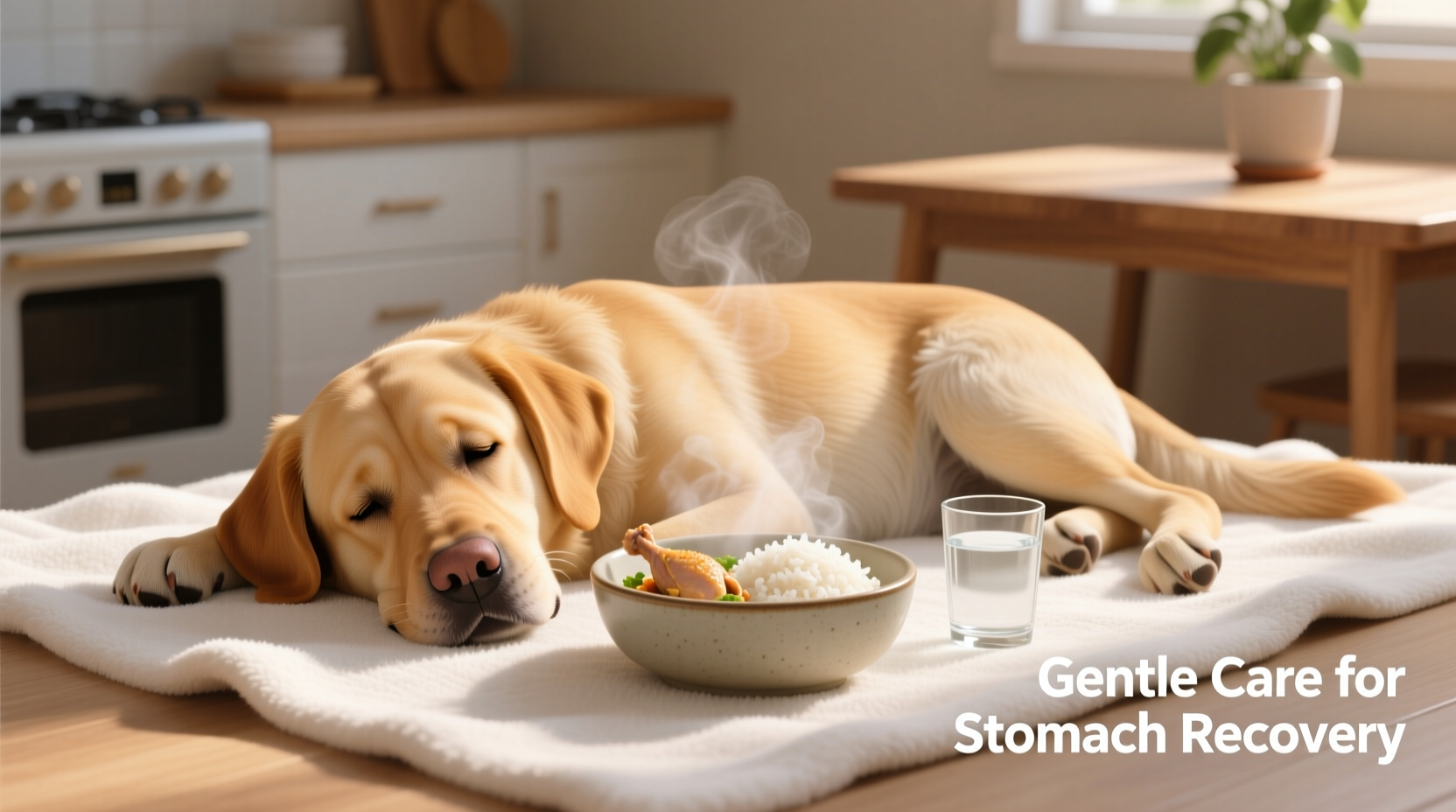
Dogs experience gastrointestinal distress more frequently than many realize. Symptoms like vomiting, diarrhea, gas, bloating, or loss of appetite are common indicators of digestive imbalance. While occasional stomach issues may resolve on their own, persistent symptoms require attention. The digestive tract needs time and the right nutrients to heal. Feeding inappropriate foods during this period can worsen inflammation or delay recovery.
The goal when managing an upset stomach is to provide easily digestible, low-fat, bland foods that minimize irritation while supplying essential nutrients. This approach reduces the workload on the gut, allowing the intestinal lining to repair itself. Veterinarians often recommend a temporary switch to a \"bland diet\" during acute episodes.
Tip: Always withhold food for 12–24 hours after vomiting begins (unless your dog is diabetic or very young), giving the gut time to rest.Best Foods to Feed a Dog with an Upset Stomach
A successful recovery diet focuses on simplicity and digestibility. The ideal meal combines a lean protein source with a bland carbohydrate. These ingredients are gentle on the stomach and less likely to trigger further irritation.
- Boiled white rice – A highly digestible carbohydrate that helps bind loose stools.
- Boiled skinless chicken breast – Lean, unseasoned protein that supports tissue repair without adding fat.
- Pumpkin (plain, canned) – Rich in soluble fiber, which regulates digestion; helpful for both diarrhea and mild constipation.
- Boiled lean ground turkey or beef – Lower-fat options that offer protein without excessive grease.
- Plain cooked oatmeal – Soothing and binding, especially useful for older dogs or those who don’t tolerate rice well.
- Scrambled eggs (cooked without butter or oil) – Easily digested protein source, but use sparingly if fat sensitivity is a concern.
These foods should be served at room temperature in small portions every 3–4 hours initially, then gradually increased as symptoms improve.
“Simple, home-prepared diets like boiled chicken and rice remain one of the most effective first-line nutritional interventions for canine gastroenteritis.” — Dr. Laura Thompson, DVM, Small Animal Internal Medicine Specialist
Step-by-Step Feeding Plan for Recovery
Reintroducing food after a fast requires patience and consistency. Follow this timeline to support a smooth recovery:
- Hours 0–12: Withhold food – Allow the gastrointestinal tract to rest. Offer small sips of water or ice chips every few hours to prevent dehydration.
- Hour 12: Introduce water – If no vomiting occurs, offer a tablespoon of water every 15–20 minutes. Gradually increase if tolerated.
- Hour 24: Begin bland diet – Start with 1–2 tablespoons of boiled chicken and rice (1:2 ratio) per 10 lbs of body weight every 3–4 hours.
- Days 2–3: Monitor response – Continue the bland diet, increasing portion size if symptoms subside. Add 1–2 teaspoons of plain pumpkin for fiber support if needed.
- Day 4 onward: Transition back to regular food – Mix 25% regular dog food with 75% bland diet. Over 3–4 days, gradually increase the proportion of regular food until fully transitioned.
What to Avoid During Recovery
Certain foods and habits can worsen digestive distress. Avoiding these is just as important as choosing the right ones.
| Do’s | Don’ts |
|---|---|
| Feed small, frequent meals | Give large meals that strain the gut |
| Use unseasoned, boiled proteins | Add garlic, onions, oils, or spices |
| Offer fresh water consistently | Allow access to spoiled food or garbage |
| Gradually reintroduce normal food | Switch foods suddenly |
| Monitor stool and energy levels | Ignore persistent vomiting or lethargy |
Garlic and onions are particularly dangerous—they can damage red blood cells and lead to anemia. Even small amounts in leftover human meals pose a risk.
Real Example: Max’s Recovery from Dietary Indiscretion
Max, a 3-year-old Labrador Retriever, developed acute diarrhea and vomiting after scavenging leftovers from a family barbecue. His owner noticed he was lethargic and refused his usual kibble. After consulting a vet, they withheld food for 18 hours and began offering small amounts of water. On day two, Max was given a mix of boiled chicken and white rice. Within 24 hours, his stool firmed up and his appetite returned. Over the next three days, his regular food was slowly reintroduced. By day six, Max was back to normal—no medications required, just proper nutrition and monitoring.
This case illustrates how a simple dietary intervention, guided by veterinary advice, can resolve mild gastrointestinal upset effectively.
When to See a Veterinarian
While many cases of upset stomach resolve within 48 hours with home care, some signs indicate a need for professional evaluation:
- Vomiting or diarrhea lasting more than 24–48 hours
- Blood in vomit or stool
- Severe lethargy or weakness
- Abdominal pain or bloating
- Refusal to drink water
- Pre-existing health conditions (e.g., diabetes, kidney disease)
In such cases, underlying issues like pancreatitis, intestinal blockages, or infections may require diagnostic testing and medical treatment.
FAQ
Can I feed my dog scrambled eggs during an upset stomach?
Yes, plain scrambled eggs (cooked without butter, oil, or seasoning) are generally safe and provide easily digestible protein. However, due to their fat content, they should be fed in moderation—especially to dogs prone to pancreatitis.
Is pumpkin good for dogs with diarrhea?
Yes, plain canned pumpkin (not pie filling) is rich in soluble fiber, which helps absorb excess fluid in the intestines and firm up loose stools. A teaspoon for small dogs or a tablespoon for large dogs mixed into meals can be beneficial.
How long should I keep my dog on a bland diet?
Most dogs do well on a bland diet for 2–4 days. Once symptoms resolve, begin transitioning back to regular food over 3–4 days. Prolonged use of a bland diet is not nutritionally complete and should not replace balanced dog food long-term.
Final Checklist for Managing an Upset Stomach
- Withhold food for 12–24 hours (if appropriate).
- Offer small amounts of water frequently.
- Begin a bland diet of boiled chicken and rice.
- Feed small portions every 3–4 hours.
- Add plain pumpkin if dealing with diarrhea.
- Watch for improvement in stool and energy.
- Gradually reintroduce regular food over 3–4 days.
- Contact a veterinarian if symptoms persist beyond 48 hours or worsen.
Conclusion
Caring for a dog with an upset stomach doesn’t require complicated solutions. Often, the most effective remedy is a return to simplicity—gentle, nourishing foods that support healing without overwhelming the digestive system. With the right approach, most dogs recover quickly and return to their playful selves. Always trust your instincts: if something feels off, consult your vet. Your attentiveness and informed care make all the difference in your pet’s well-being.
💬 Have experience helping your dog recover from stomach issues? Share your tips or questions in the comments to help fellow pet owners navigate tough moments with confidence.








