Choosing a small dog breed as a pet is about more than just size—it's about compatibility. The ideal companion should fit your lifestyle, energy level, and living environment. While compact breeds are often praised for their adaptability to apartments and ease of travel, their personalities vary widely. Some are energetic and vocal; others are calm and affectionate. Understanding the balance between temperament, physical needs, and emotional compatibility ensures a rewarding relationship for both dog and owner.
Why Size Isn’t Everything: Matching Dog Personality to Lifestyle
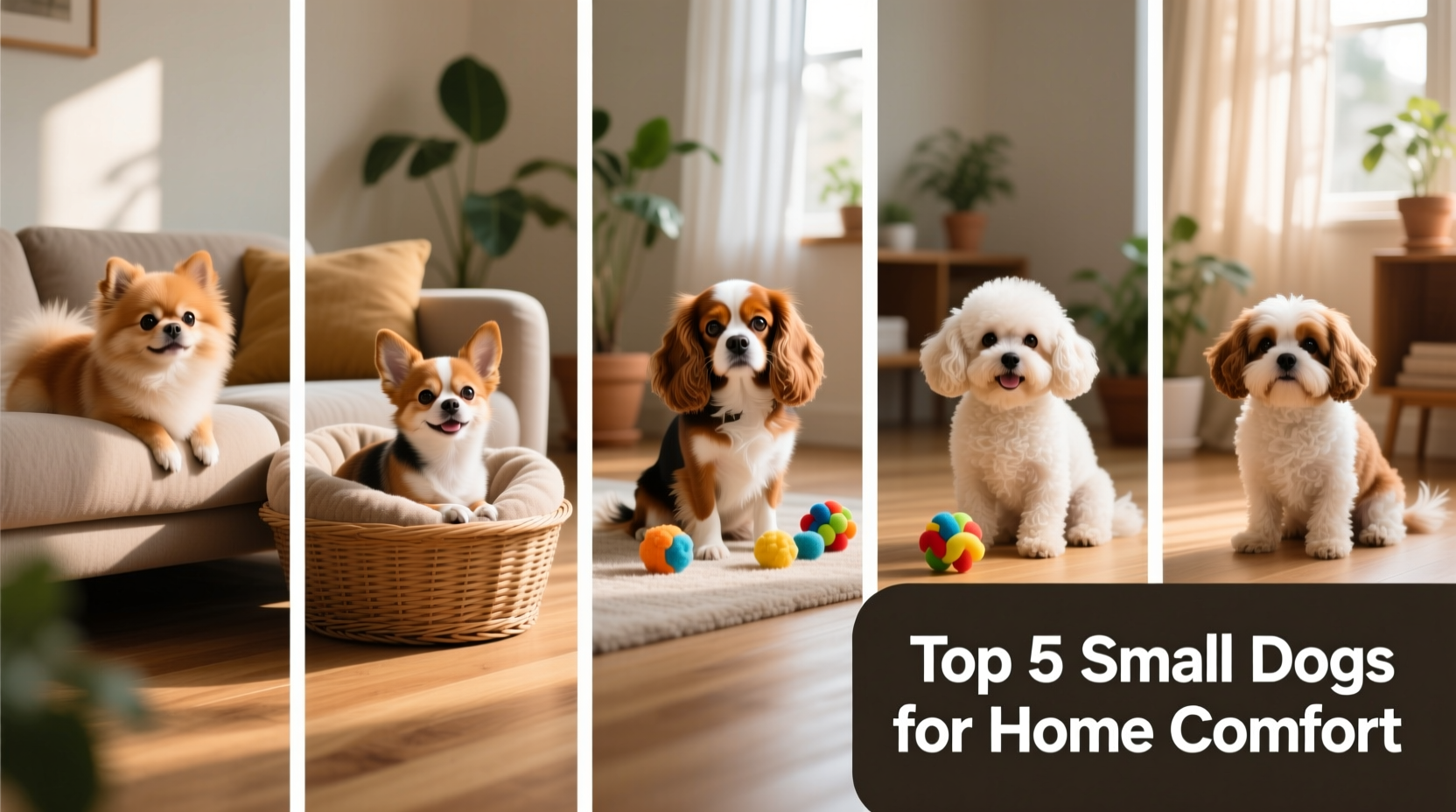
Small dogs typically weigh under 20 pounds, making them ideal for urban dwellers or those with limited space. However, size doesn't determine behavior. A Chihuahua might have a bold, assertive demeanor, while a Cavalier King Charles Spaniel radiates gentleness and patience. Prospective owners must consider not only how much room a dog needs but also how they interact with children, strangers, and other pets.
Breeds like the Pomeranian thrive on attention and can be excellent companions for retirees or single-person households. In contrast, the Bichon Frise is social and playful, fitting well into active families. Ignoring temperament in favor of cuteness alone often leads to mismatched adoptions and behavioral issues down the line.
Tip: Spend time with a breed before adopting—attend dog shows or meetups to observe real-world behavior.Top 5 Small Dog Breeds for Balanced Temperament and Comfort
The following breeds consistently rank high for their combination of manageable size, adaptable personality, and ease of care. Each offers unique benefits depending on your priorities—whether it’s low shedding, child-friendliness, or lap-dog loyalty.
- Cavalier King Charles Spaniel – Known for their gentle nature and expressive eyes, Cavaliers form deep bonds with their owners. They’re patient with children, rarely aggressive, and enjoy moderate walks and quiet evenings indoors.
- Shih Tzu – With a flowing coat and regal bearing, Shih Tzus are affectionate and adaptable. They do well in apartments and get along with other pets. Though they require regular grooming, their calm demeanor makes them ideal for relaxed households.
- Poodle (Toy/Miniature) – Intelligent and hypoallergenic, Poodles excel in obedience and adapt quickly to training. Their curly coats shed minimally, making them a favorite among allergy sufferers. Toy Poodles are especially suited for smaller homes.
- Bichon Frise – Cheerful and resilient, Bichons love to play but are equally happy lounging beside you. Their white, fluffy coat requires frequent brushing, but their joyful attitude wins over even novice owners.
- French Bulldog – Compact, low-energy, and full of charm, Frenchies are perfect for city living. They snore, need climate-controlled environments (due to brachycephalic traits), but offer unmatched companionship and humor.
Comparison Table: Key Traits at a Glance
| Breed | Avg Weight | Temperament | Shedding Level | Lifestyle Fit |
|---|---|---|---|---|
| Cavalier King Charles Spaniel | 13–18 lbs | Gentle, affectionate, sociable | Moderate | Families, seniors, first-time owners |
| Shih Tzu | 9–16 lbs | Easygoing, loyal, playful | Low | Apartment dwellers, multi-pet homes |
| Toy Poodle | 6–9 lbs | Smart, alert, trainable | Very Low | Allergy-sensitive homes, active individuals |
| Bichon Frise | 12–18 lbs | Joyful, friendly, outgoing | Very Low | Families, singles, therapy roles |
| French Bulldog | 16–28 lbs | Playful, stubborn, affectionate | Low | Urban living, laid-back owners |
Expert Insight: What Professionals Look For
“Size is just one factor. I always advise clients to assess energy level, grooming demands, and emotional sensitivity. A tiny dog with high anxiety can be harder to manage than a larger, stable breed.” — Dr. Lena Patel, Veterinary Behaviorist
Dr. Patel emphasizes that small dogs are often inadvertently trained to be overly dependent or reactive due to inconsistent boundaries. She recommends early socialization and consistent rules to prevent “small dog syndrome,” where pets develop outsized aggression or fear due to overprotection.
Real-Life Example: Choosing the Right Fit
Sarah, a freelance graphic designer living in a downtown studio apartment, wanted a dog that wouldn’t disturb her neighbors or require long walks. After researching breeds, she adopted a 7-pound Toy Poodle named Milo. His intelligence made housebreaking easy, and his minimal shedding kept her workspace clean. More importantly, Milo adapted seamlessly to her irregular schedule, napping during work hours and playing quietly when she took breaks. Within weeks, he became a calming presence in her daily routine—proof that matching breed traits to personal habits pays off.
Checklist: Questions to Ask Before Adopting a Small Dog
- Do I have time for daily grooming, especially for long-haired breeds?
- Is my home pet-proofed for a small dog (e.g., no exposed wires, safe flooring)?
- Can I commit to regular vet visits and potential breed-specific health concerns?
- Will this dog tolerate being alone for several hours, or does it need constant company?
- Are there children or other pets in the household? Is the breed known to coexist peacefully?
- Am I prepared to train consistently, even with a small dog that may develop big-dog attitudes?
Common Health Considerations in Small Breeds
While small dogs often live longer than larger breeds—many reaching 14–17 years—they face specific health challenges. Dental crowding is common due to jaw size, requiring regular teeth cleaning. Patellar luxation (slipping kneecaps) affects breeds like Pomeranians and Yorkshire Terriers. Brachycephalic breeds such as Pugs and French Bulldogs are prone to breathing difficulties, especially in heat.
Preventative care is essential. Routine check-ups, proper nutrition, and avoiding obesity (which exacerbates joint and respiratory issues) significantly improve quality of life. Always choose a reputable breeder who screens for genetic conditions or consider adoption from a rescue that provides medical history.
Tip: Use ramps or stairs to help small dogs access beds or couches—jumping strains their joints over time.Frequently Asked Questions
Are small dogs good with kids?
Some are, but supervision is crucial. Breeds like Beagles, Cavalier King Charles Spaniels, and Bichon Frises tend to be patient and tolerant. Smaller, more fragile breeds like Chihuahuas or Toy Poodles may feel threatened by young children’s unpredictable movements.
Do small dogs need as much exercise as large dogs?
They require less intense exercise but still need mental stimulation and daily activity. Most small breeds benefit from two 20-minute walks plus indoor play. Without it, they may develop destructive behaviors from boredom.
Which small dog breeds are best for first-time owners?
The Cavalier King Charles Spaniel, Shih Tzu, and Bichon Frise are excellent starter breeds due to their forgiving temperaments and eagerness to please. Toy Poodles are smart but may challenge inexperienced owners with their sensitivity.
Final Thoughts: Finding Your Perfect Match
Selecting the best small pet dog isn’t about trends or viral videos—it’s about alignment. The right breed will complement your rhythm, enrich your days, and fit comfortably into your world. Whether you seek a cuddly couch companion or a lively partner for weekend adventures, there’s a small dog ready to become part of your story.
💬 Have experience with a small dog breed? Share your insights below and help others make informed, compassionate choices.








