High-energy dog breeds like Border Collies, Australian Shepherds, and Siberian Huskies thrive on activity—both physical and mental. When their minds aren’t engaged, they often resort to chewing furniture, digging up yards, or barking incessantly. These behaviors are rarely about disobedience; they’re symptoms of unmet cognitive needs. Just as a tired body promotes rest, a mentally stimulated dog is calm, focused, and less likely to engage in destructive habits. Puzzle toys offer a powerful solution, transforming idle time into productive play that challenges problem-solving skills and mimics natural foraging instincts.
The right puzzle toy doesn’t just occupy your dog—it teaches patience, builds confidence, and strengthens the bond between pet and owner. With so many options available, choosing the best one depends on your dog’s size, chewing strength, intelligence level, and food motivation. This guide explores top-rated puzzle toys, how to use them effectively, and real-world strategies to maximize mental engagement while curbing unwanted behavior.
Why Mental Stimulation Matters for High-Energy Dogs
Dogs evolved as hunters, scavengers, and problem solvers. Even domesticated breeds retain these instincts, which drive them to explore, sniff, dig, and manipulate objects. Without constructive outlets, this energy turns inward—leading to anxiety, hyperactivity, and property damage. Mental exercise can be more tiring than physical activity; a 20-minute puzzle session may leave a dog more relaxed than a 45-minute run.
Studies show that cognitive enrichment reduces stress markers in dogs. According to Dr. Emily Blackwell, a veterinary behavioral specialist at the University of Bristol, “Dogs given regular access to interactive tasks exhibit lower cortisol levels and improved emotional regulation.” This means fewer reactive outbursts and more resilience during changes in routine or environment.
“Mental fatigue is just as important as physical fatigue for balanced canine behavior. A dog who solves problems daily is less likely to invent destructive ones.” — Dr. Karen Overall, Veterinary Behaviorist
Puzzle toys simulate prey capture and food discovery, satisfying primal drives in a safe context. They also slow down fast eaters, reduce mealtime gulping, and encourage focus over impulsivity. For owners dealing with separation anxiety or home-alone destruction, timed puzzles can become part of a calming departure ritual.
Top Puzzle Toys for High-Energy Dogs
Not all puzzle toys are created equal. Durability, difficulty level, and ease of cleaning vary significantly. Below is a curated list of top-performing models across different categories, based on user feedback, veterinary recommendations, and performance under real-life conditions.
| Toys | Best For | Difficulty Level | Dishwasher Safe | Price Range |
|---|---|---|---|---|
| Nina Ottosson Dog Worker | Beginners to intermediate | Medium | Yes (top rack) | $25–$30 |
| Outward Hound Hide-A-Squirrel | Auditory & tactile learners | Low to Medium | No | $18–$22 |
| Kong Classic with Peanut Butter | Chewers, solo play | Adjustable (via stuffing) | No | $10–$15 |
| Starmark Treat Dispensing Ball | Active rollers, outdoor use | Low | No | $12–$16 |
| Trixie Mad Scientist | Advanced problem solvers | High | Partially | $30–$35 |
| West Paw Zogoflex Tux | Durable chewers, freezer-safe | Medium | Yes | $18–$22 |
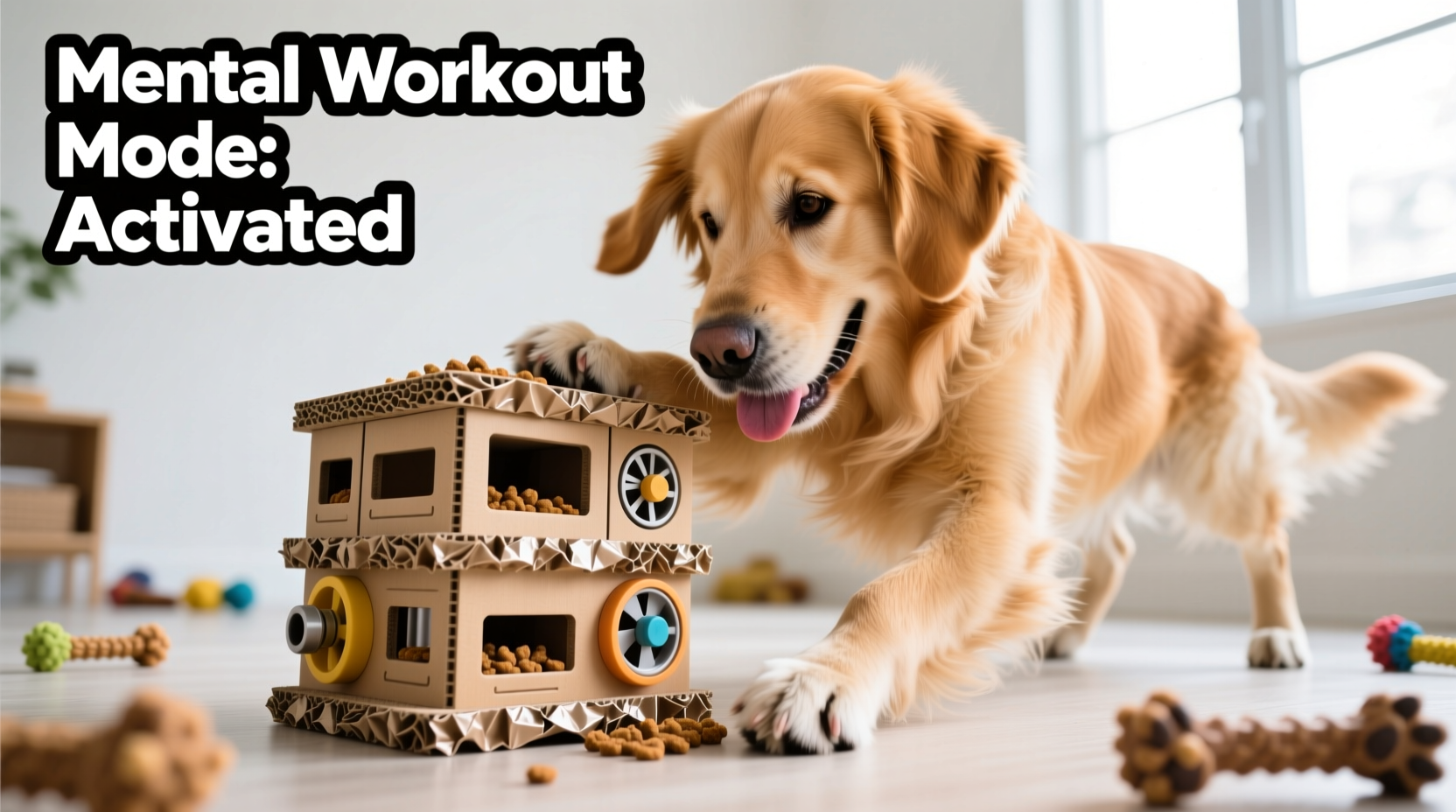
The Nina Ottosson line stands out for its progressive challenge design—many models allow you to lock compartments initially and unlock them as your dog improves. The Trixie Mad Scientist, shaped like lab equipment, requires flipping lids, sliding drawers, and lifting bones, making it ideal for dogs that master simpler puzzles quickly.
Tip: Rotate puzzle toys weekly to maintain novelty. Dogs habituate quickly—what was exciting yesterday may be ignored today if always available.How to Introduce Puzzle Toys Effectively
Even the best toy fails if introduced incorrectly. Many dogs stare blankly at a new puzzle, unsure what to do. Success lies in gradual shaping and positive reinforcement.
- Start easy: Use an open tray with visible treats. Let your dog eat freely while you praise interaction.
- Add movement: Cover treats partially with movable pieces. Reward any nudge or pawing action.
- Increase complexity: Lock one compartment. Help your dog discover the mechanism by guiding their nose or demonstrating briefly.
- Phase out help: Once they solve it independently, wait before offering assistance. Patience encourages persistence.
- Vary rewards: Mix kibble with high-value treats like freeze-dried liver or cheese cubes to maintain interest.
Never force interaction. If your dog walks away, end the session positively and try again later. Short, successful sessions build confidence faster than prolonged frustration.
Real Example: Transforming a Destructive Herding Dog
Milo, a two-year-old Border Collie, chewed baseboards and dug holes whenever left alone. His owner, Sarah, had tried crates, deterrent sprays, and extra walks—but nothing stopped the damage. After consulting a trainer, she began using a Kong filled with frozen peanut butter mixed with kibble each morning before work. Within three days, Milo waited eagerly by the kitchen counter for his “job.” Over two weeks, she added the Outward Hound Pivot and Dog Worker puzzles, rotating them every other day. After one month, the destruction ceased entirely. Video monitoring showed Milo spending 35–45 minutes working through puzzles each morning, then napping calmly afterward.
Sarah noted, “It wasn’t about giving him more exercise—it was about giving him purpose. Now he has a routine, and he feels accomplished instead of restless.”
Creating a Balanced Enrichment Routine
Puzzle toys should be part of a broader enrichment strategy. Relying solely on one type of stimulation leads to diminishing returns. A well-rounded plan includes multiple forms of engagement throughout the day.
- Morning: Feed breakfast via a slow feeder or puzzle toy.
- Midday: Provide a durable chew toy (like a stuffed Kong) if left alone.
- Evening: Engage in training drills or scent games (e.g., hiding treats around the living room).
- Weekends: Visit dog-friendly trails or practice agility obstacles in the yard.
Checklist: Building Your Dog’s Daily Mental Workout
- ✅ Choose 2–3 durable puzzle toys suited to your dog’s size and skill level.
- ✅ Use food-based rewards—never rely only on empty puzzles.
- ✅ Clean toys weekly with warm, soapy water to prevent bacterial buildup.
- ✅ Monitor play to ensure safety—remove broken pieces or loose parts immediately.
- ✅ Track progress: Note how long your dog spends solving each puzzle weekly.
- ✅ Replace or upgrade toys when solutions become too quick (under 2 minutes).
- ✅ Combine puzzles with obedience cues (e.g., “sit” before releasing the toy).
Common Mistakes to Avoid
Even experienced owners make missteps when using puzzle toys. Awareness prevents setbacks and ensures long-term success.
- Setting difficulty too high too soon: Frustration shuts down learning. Always begin with achievable tasks.
- Leaving puzzles accessible 24/7: Constant availability dulls motivation. Treat them like special activities, not permanent fixtures.
- Using unsafe fillings: Never include chocolate, grapes, onions, or xylitol-sweetened peanut butter—these are toxic to dogs.
- Ignoring dental health: Aggressive chewers need rubber rated for strong jaws. Avoid brittle plastics that splinter.
- Skipping supervision: Especially with first-time use, watch for swallowing attempts or destructive chewing.
One often-overlooked error is failing to adjust for life changes. A puppy puzzle may be too easy for an adult dog. Likewise, senior dogs may need simpler versions due to arthritis or cognitive decline. Reassess every few months.
Frequently Asked Questions
Can puzzle toys replace walks or physical exercise?
No. While mental exercise is crucial, physical activity remains essential for joint health, cardiovascular fitness, and overall well-being. Puzzle toys complement—not substitute—daily walks and play sessions.
My dog loses interest after a few minutes. What should I do?
This usually indicates the challenge is too hard or the reward isn’t enticing enough. Simplify the puzzle or upgrade the treat value. Also, consider timing—dogs are more motivated when slightly hungry, such as before meals.
Are puzzle toys safe for dogs left alone?
Some are, but with caveats. Only leave indestructible, non-chokable designs like the Kong Classic or West Paw Tux. Avoid plush components, small moving parts, or flimsy plastic. Always test under supervision first.
Final Thoughts: Turning Energy Into Engagement
Destructive behavior in high-energy dogs is rarely defiance—it’s communication. Your dog is saying, “I need more to do.” Puzzle toys answer that call constructively, turning chaos into concentration. The investment pays off quickly: reduced repair costs, quieter homes, and happier pets. More importantly, these tools deepen understanding between owner and animal, revealing intelligence and perseverance often overlooked in everyday life.
Start simple. Celebrate small wins. Track progress. And remember: every minute your dog spends solving a puzzle is a minute they’re not tearing apart a couch. That’s not just convenience—it’s peace of mind.
💬 Have a favorite puzzle toy that transformed your dog’s behavior? Share your story in the comments and help fellow pet owners find smarter solutions!








