Dogs like Border Collies, Poodles, German Shepherds, and Australian Shepherds aren’t just physically active—they’re mentally wired to solve problems. Left unstimulated, these intelligent breeds often develop destructive behaviors out of boredom. Puzzle toys offer a powerful solution: they engage a dog’s mind, channel their energy productively, and simulate natural foraging instincts. But not all puzzle toys are created equal. The best ones don’t just distract—they demand persistence, logic, and creativity, keeping even the sharpest canines occupied for extended periods.
This guide explores the most effective puzzle toys designed to challenge high-IQ dogs. From multi-stage puzzles to adjustable difficulty models, we break down what makes each toy stand out, how to introduce them effectively, and how to maximize mental engagement over time. Whether you're managing a restless working breed or simply want to enrich your pet’s daily routine, the right puzzle toy can transform idle time into meaningful mental exercise.
Why Smart Dogs Need More Than Chew Toys
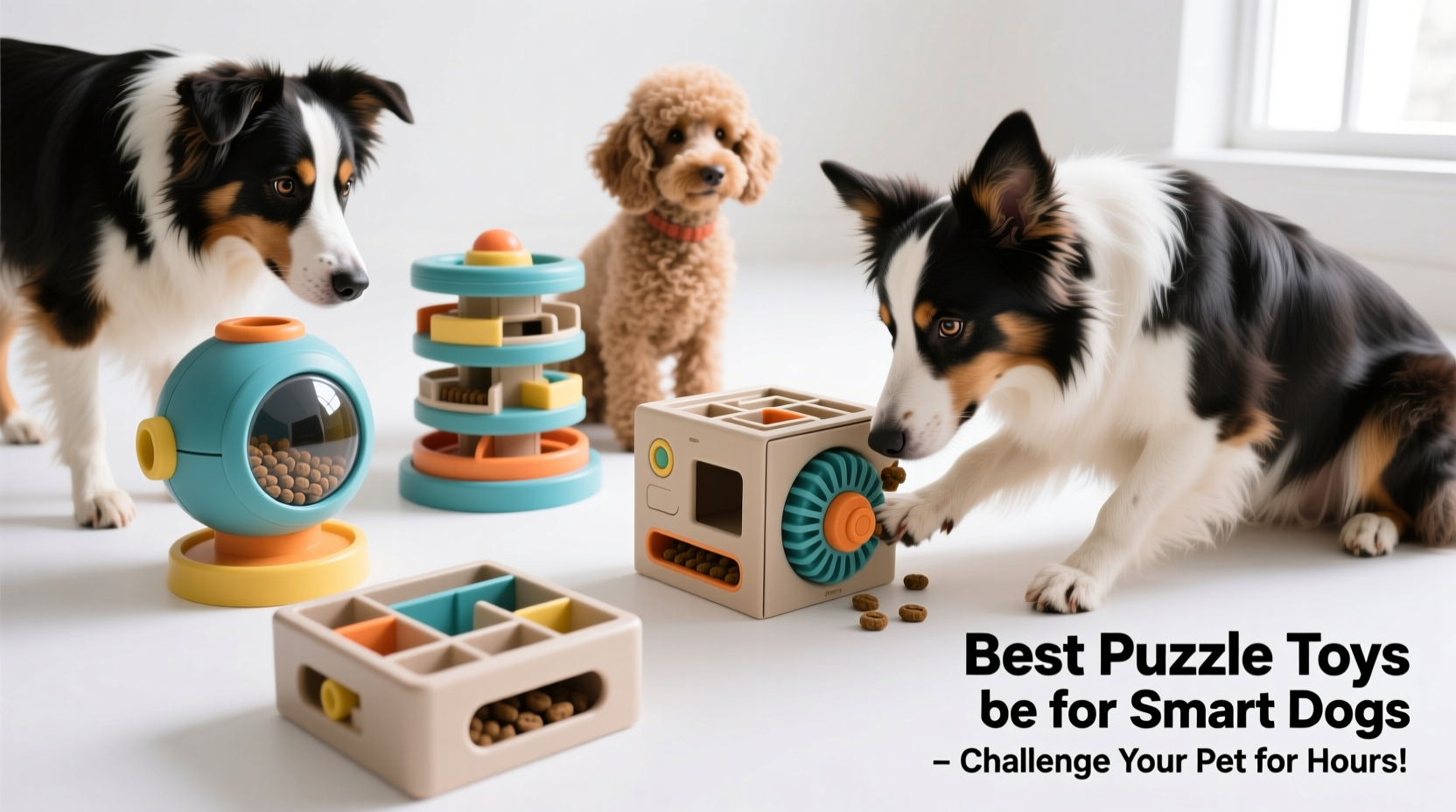
Physical exercise is essential, but for intelligent breeds, it's rarely enough. These dogs thrive on cognitive stimulation—tasks that require decision-making, memory, and problem-solving. Without it, they may resort to digging, barking, chewing furniture, or escaping. Mental fatigue can be just as satisfying as physical tiredness, often leading to calmer behavior at home.
Puzzle toys tap into a dog’s natural instincts. In the wild, canines spend hours searching for food, navigating terrain, and outsmarting prey. Modern domestication has removed much of that challenge, creating a gap between a dog’s capabilities and its daily experiences. Puzzle feeders bridge this gap by turning mealtime into a hunting simulation.
Tip: Rotate puzzle toys weekly to prevent habituation. Dogs adapt quickly—novelty keeps engagement high.Top 5 Puzzle Toys That Challenge Smart Breeds for Hours
The best puzzle toys combine durability, complexity, and adaptability. They should allow progression—starting simple but offering room to increase difficulty. Below are five standout options proven to occupy intelligent dogs for extended periods.
- Nina Ottosson by Outward Hound Dog Worker: A tiered wooden puzzle featuring sliding blocks, removable bones, and hidden compartments. Dogs must lift, slide, and flip pieces to access treats. Its modular design allows owners to adjust the number of challenges, making it suitable for beginners and experts alike.
- Trixie Mad Scientist Fun Activity Set: This multi-compartment toy includes drawers, flip lids, and ball mazes. It’s part of a series that can be combined for custom configurations. Ideal for dogs who master single puzzles quickly.
- Outward Hound Hide-A-Squirrel: While seemingly simple, this plush-based toy encourages scent work. Dogs pull squeaky squirrels from a fabric tree trunk. For advanced users, hide the squirrels around the house to turn it into an indoor search game.
- Starmark Treat Dispensing Bob-A-Lot: Unlike typical roll-to-dispense toys, the Bob-A-Lot wobbles unpredictably and only releases kibble after sustained interaction. Its weighted base prevents tipping, forcing dogs to paw, nudge, and strategize over longer durations.
- West Paw Zogoflex Qwizl: A durable, chew-resistant tube that can be stuffed with treats and frozen. Freezing extends playtime significantly, as dogs must lick and chew slowly. Perfect for high-energy dogs prone to gulping food.
These toys differ in mechanism but share key traits: they require varied motor skills, reward persistence, and resist quick solutions. The most effective ones evolve with the dog’s skill level, preventing frustration while maintaining challenge.
Choosing the Right Puzzle: Features That Matter
Not every puzzle labeled “challenging” delivers long-term engagement. When selecting a toy for a smart breed, focus on specific design elements that promote sustained mental effort.
| Feature | Why It Matters | Best Examples |
|---|---|---|
| Adjustable Difficulty | Allows progression as your dog learns, extending usability | Nina Ottosson Dog Worker, Trixie Mad Scientist |
| Multi-Stage Challenges | Requires sequential problem-solving, increasing cognitive load | Trixie Activity Set, Outward Hound Multi-Puzzle |
| Freezable Design | Slows treat release, especially useful for food-motivated dogs | West Paw Qwizl, Kong Wobbler (frozen) |
| Interactive Elements | Engages paws, nose, and mouth—promotes full-body involvement | Bob-A-Lot, Flip-it boards |
| Durability | Withstands persistent chewing and manipulation without breaking | Zogoflex, Starmark, heavy-duty nylon puzzles |
Avoid toys with single, predictable mechanisms—like basic rolling balls that dispense treats too easily. These may entertain for minutes but fail to sustain interest in intelligent dogs. Instead, prioritize products that require multiple actions or incorporate variability through interchangeable parts.
Step-by-Step Guide to Introducing Puzzle Toys
Even the best puzzle won’t work if introduced incorrectly. Dogs unfamiliar with problem-solving may become frustrated or disinterested. Follow this sequence to build confidence and encourage persistence.
- Start Easy: Begin with the simplest configuration. For example, leave one compartment open on a multi-block puzzle so the dog immediately finds a treat. This creates a positive association.
- Use High-Value Treats: Soft, aromatic rewards like peanut butter (xylitol-free), cheese, or boiled chicken increase motivation. Reserve these exclusively for puzzle time.
- Supervise Initial Sessions: Sit nearby and praise any interaction—nudging, sniffing, pawing. Avoid helping unless the dog shows clear signs of distress.
- Increase Difficulty Gradually: Once your dog masters a level, add one new obstacle. For instance, close an additional drawer or insert a blocking piece.
- Limit Session Time: Start with 10–15 minutes. Overexertion leads to burnout. End on a success when possible.
- Rotate Weekly: After 2–3 uses, store the toy and introduce a different one. Rotation resets novelty and prevents habituation.
Consistency is more important than frequency. Even 10 minutes of daily puzzle play provides significant mental enrichment over time.
Tip: If your dog loses interest, smear a bit of wet food or broth inside the toy to enhance scent appeal.Real Example: Transforming a Bored Border Collie
Milo, a four-year-old Border Collie in Colorado, began digging holes in the backyard and barking at passing cyclists. His owner, Sarah, walked him twice daily and played fetch, but Milo remained restless. A canine behaviorist suggested introducing puzzle toys to address under-stimulated intelligence.
Sarah started with the Outward Hound Dog Brick, loading it with kibble and leaving one slider open. Milo found the first treat within seconds and looked up expectantly. Over the next week, she closed additional compartments and replaced kibble with frozen peanut butter cubes. Within two weeks, Milo spent 20–30 minutes each morning focused on the puzzle.
She then introduced the Trixie Mad Scientist set, combining it with scent games. Hiding components around the living room turned the puzzle into a full search-and-solve mission. After six weeks, the digging stopped, and Milo’s overall energy levels balanced. “It’s like he finally has a job,” Sarah said. “He’s tired in a good way now.”
“Mental exercise is not optional for high-drive breeds. Without it, their intelligence turns inward—leading to compulsive or destructive behaviors.” — Dr. Laura Chang, Veterinary Behaviorist
Checklist: Maximizing Puzzle Toy Effectiveness
- ✅ Choose toys made from non-toxic, durable materials
- ✅ Match complexity to your dog’s current skill level
- ✅ Use high-value, varied treats to maintain motivation
- ✅ Supervise early sessions to reinforce engagement
- ✅ Increase difficulty only after consistent success
- ✅ Rotate toys every 7–10 days to preserve novelty
- ✅ Clean toys weekly to prevent bacterial buildup
- ✅ Combine puzzles with training cues (e.g., “Find it!”)
Remember, the goal isn’t just to pass time—it’s to create a routine where mental challenge becomes a rewarding part of your dog’s day. Over time, many dogs learn to seek out their puzzle toys independently, treating them like personal brain games.
Frequently Asked Questions
How do I know if a puzzle is too hard for my dog?
If your dog walks away within a minute, whines excessively, or resorts to chewing the toy aggressively, it may be too difficult. Scale back to an easier version and rebuild confidence before progressing.
Can puzzle toys replace training or walks?
No. While puzzles provide crucial mental stimulation, they don’t substitute for physical exercise or obedience training. Use them as a complement—ideally during downtime between walks or as part of a structured daily routine.
Are puzzle toys safe for aggressive chewers?
Only if specifically designed for durability. Avoid plastic or soft rubber toys for strong chewers. Opt for reinforced nylon, rubber like Zogoflex, or hardwood puzzles. Always supervise until you’re certain the toy can withstand your dog’s strength.
Final Thoughts: Invest in Your Dog’s Mind
The best puzzle toys for dogs do more than dispense treats—they unlock potential. For intelligent breeds, a well-designed challenge satisfies deep-rooted instincts and fosters emotional balance. What might seem like a simple game is, in fact, a form of cognitive therapy, reducing anxiety, improving focus, and strengthening the human-animal bond.
Start with one high-quality puzzle, introduce it patiently, and observe how your dog responds. Adjust based on their pace, not yours. Over time, you’ll likely notice changes beyond longer play sessions: calmer behavior, better sleep, and increased responsiveness to commands. These are signs of a fulfilled mind.
🚀 Ready to challenge your dog’s intelligence? Pick one toy from this list, introduce it using the step-by-step method, and watch your dog grow sharper, calmer, and more engaged. Share your experience—or your dog’s favorite puzzle—in the comments below.








