Choosing the right gift for a pet isn’t just about what looks cute on the shelf—it’s about what genuinely enhances their well-being, stimulates their senses, and strengthens your bond. Whether you're shopping for your own companion or surprising a fellow pet lover, thoughtful gifting can bring real joy to animals who rely on us for comfort, enrichment, and care. From interactive toys that challenge their minds to cozy upgrades that improve sleep quality, the best pet gifts go beyond novelty and deliver lasting value.
Understanding What Pets Actually Enjoy
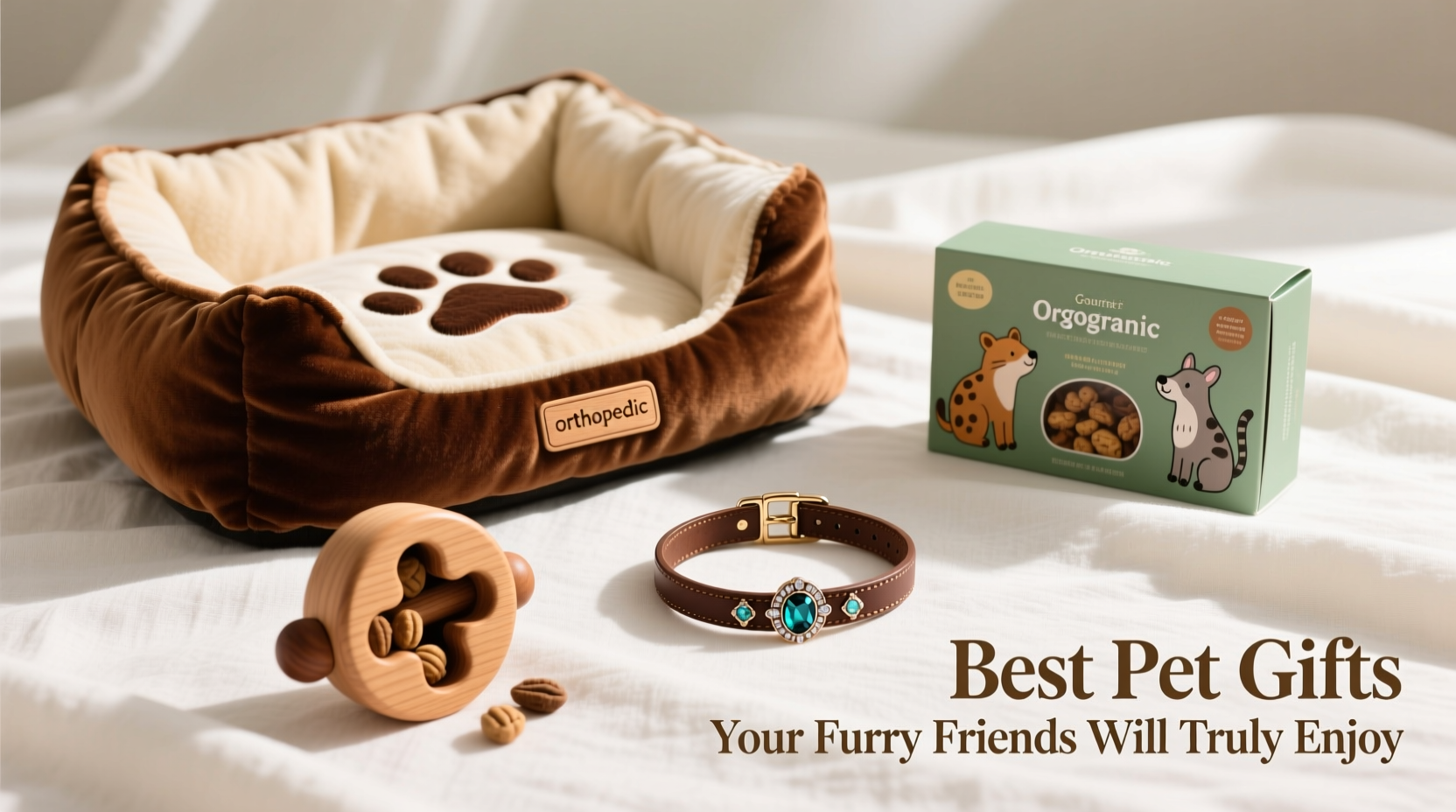
Pets don’t appreciate gifts in the same way humans do. A flashy toy might catch an owner’s eye, but if it doesn’t align with the animal’s instincts or preferences, it will likely be ignored. Dogs thrive on scent, movement, and interaction. Cats are drawn to textures, heights, and opportunities for stealth. Small mammals like rabbits or guinea pigs respond best to safe chewing options and hiding spaces.
The key is matching the gift to species-specific behaviors. For example, puzzle feeders tap into a dog’s natural foraging drive, while cat tunnels mimic the burrows felines would explore in the wild. Gifts that encourage instinctual activity—not just passive entertainment—are more likely to be used consistently.
“Enrichment isn’t a luxury for pets—it’s a necessity. The right toys and accessories support mental health and reduce stress-related behaviors.” — Dr. Lena Torres, Veterinary Behavior SpecialistTip: Observe how your pet interacts with current toys. If they prefer chewing over chasing, prioritize durable rubber items instead of plush squeaky ones.
Top Categories of High-Value Pet Gifts
Not all pet products are created equal. Some provide fleeting excitement; others become staples in daily routines. Focus on these five categories for maximum impact:
- Interactive Toys: Puzzle feeders, treat-dispensing balls, and motion-activated games keep pets mentally engaged.
- Sensory Enrichment: Scent trails for dogs, catnip-infused cushions, or crinkle tubes for small pets stimulate natural curiosity.
- Comfort Upgrades: Orthopedic beds, heated pads (for short-haired breeds), and cooling mats address physical needs tied to age or climate.
- Safety Gear: Reflective harnesses, GPS trackers, and breakaway collars combine function with peace of mind.
- Dietary Treats: Single-ingredient chews, freeze-dried proteins, or homemade treat kits offer healthier alternatives to mass-produced snacks.
A Real Example: How One Toy Changed a Dog’s Routine
Max, a three-year-old Border Collie in Colorado, struggled with separation anxiety. His owner tried several calming aids without success—until introducing a slow-feed puzzle mat. By turning mealtime into a 20-minute search game, Max’s pre-departure stress decreased significantly. Within two weeks, he stopped barking when left alone. This wasn’t magic—it was mental engagement replacing idle anxiety.
Do’s and Don’ts When Choosing Pet Gifts
| Do | Don't |
|---|---|
| Choose size-appropriate toys based on breed and chewing strength | Select small parts that could be swallowed |
| Opt for non-toxic, BPA-free materials | Use cheap plastics that degrade quickly |
| Consider the pet's age and mobility level | Give high-energy toys to senior animals with joint pain |
| Personalize with scent (e.g., a shirt with owner’s smell) | Surprise pets with loud, sudden noises during introduction |
| Rotate toys weekly to maintain interest | Overload a space with too many new items at once |
Step-by-Step Guide to Selecting the Perfect Pet Gift
- Assess the pet’s personality: Is your dog food-motivated? Does your cat love climbing? Use behavioral clues to guide choices.
- Check safety standards: Look for certifications like ASTM F963 (toy safety) or FDA compliance for edible treats.
- Match the gift to lifestyle: Busy owners may benefit from automatic feeders; outdoor cats need secure enclosures.
- Introduce gradually: Present one new item at a time to avoid overwhelming the animal.
- Monitor usage: Track which gifts get attention and which gather dust—this informs future selections.
Gift Ideas by Species
Different animals have vastly different needs. Tailoring your choice increases the likelihood of delight—and long-term use.
Dogs
- Stuffed Kongs with peanut butter (frozen for longer play)
- Snuffle mats for scent work
- Custom ID tags with QR codes linking to emergency contacts
- Durable rope toys made from recycled cotton
Cats
- Cardboard scratchers infused with silvervine
- Window perches with suction cups
- Automatic laser toys (with timers to prevent overstimulation)
- Catios (outdoor enclosures) for indoor-only felines
Small Mammals & Birds
- Willow chew balls for rabbits
- Hanging bird ladders made of natural wood
- Tunnels lined with soft fleece for guinea pigs
- Foraging boxes filled with shredded paper and hidden pellets
Checklist: Before You Buy Any Pet Gift
- ☑ Is this appropriate for the pet’s size and age?
- ☑ Are materials non-toxic and durable?
- ☑ Does it encourage natural behavior (e.g., chewing, scratching, hunting)?
- ☑ Can it be cleaned easily?
- ☑ Is there a risk of entanglement, choking, or ingestion?
- ☑ Will the owner actually use or maintain it?
Frequently Asked Questions
Are expensive pet gifts worth it?
Not always. Price doesn’t guarantee quality or usability. A $50 automatic ball launcher may fail mechanically within months, while a $12 flirt pole provides endless exercise. Focus on design, material integrity, and suitability over brand prestige.
Can I give human food as a pet gift?
Only if it’s specifically safe and recommended. Plain cooked chicken or carrots can be great for dogs, but chocolate, onions, grapes, and caffeine are toxic. When in doubt, consult a vet or choose vet-formulated treats instead.
What if the pet seems uninterested in the gift?
Try pairing it with something familiar—a favorite treat placed inside a puzzle toy, or rubbing a new bed with a worn blanket. Sometimes, acclimation takes time. Rotate unused items out for a few weeks, then reintroduce them fresh.
Making Gifting a Habit That Benefits Everyone
The most meaningful pet gifts aren’t limited to birthdays or holidays. Regularly introducing new stimuli keeps animals mentally sharp and emotionally balanced. Think of enrichment as preventive care: a bored dog is more likely to develop destructive habits; a stressed cat may stop using the litter box. Thoughtful gifting supports wellness year-round.
Even simple additions—like a rotating toy library, seasonal scent games (pine in winter, lavender in summer), or DIY obstacle courses—can transform routine living into dynamic experiences. And when you see your pet eagerly nose a puzzle open or leap onto a newly installed cat shelf, you’re not just giving a gift—you’re deepening connection through understanding.
“The best present you can give a pet is attention wrapped in intention.” — Dr. Arjun Patel, Animal Wellness Advocate
Take Action Today: Give With Purpose
Your pet doesn’t need more clutter—they need things that fulfill their nature. Start small: pick one new enrichment tool this week. Watch how your companion responds. Adjust based on what brings real joy, not just momentary distraction. Share your discoveries with other pet owners. Turn gift-giving from a ritual into a practice of empathy and insight.
💬 Have a favorite pet gift that became an instant hit? Share your story in the comments—your experience could inspire another pet parent to make a difference.








