Leaving your dog alone at home can trigger anxiety—pacing, barking, chewing furniture—behaviors that signal distress. For owners who worry about their pets’ well-being during work hours or travel, modern technology offers a powerful solution: pet cameras with treat-tossing capabilities. These devices go beyond basic monitoring by allowing you to see, speak to, and even reward your dog remotely. The ability to dispense treats on command not only strengthens bonding but also supports positive reinforcement training, helping reduce separation anxiety over time.
This guide explores the top pet cameras designed specifically for anxious dogs, evaluates key features, and provides practical advice on choosing and using them effectively. Whether you're dealing with mild restlessness or full-blown separation anxiety, the right camera can make a measurable difference in your dog’s emotional state—and your peace of mind.
Why Treat-Tossing Cameras Help Anxious Dogs
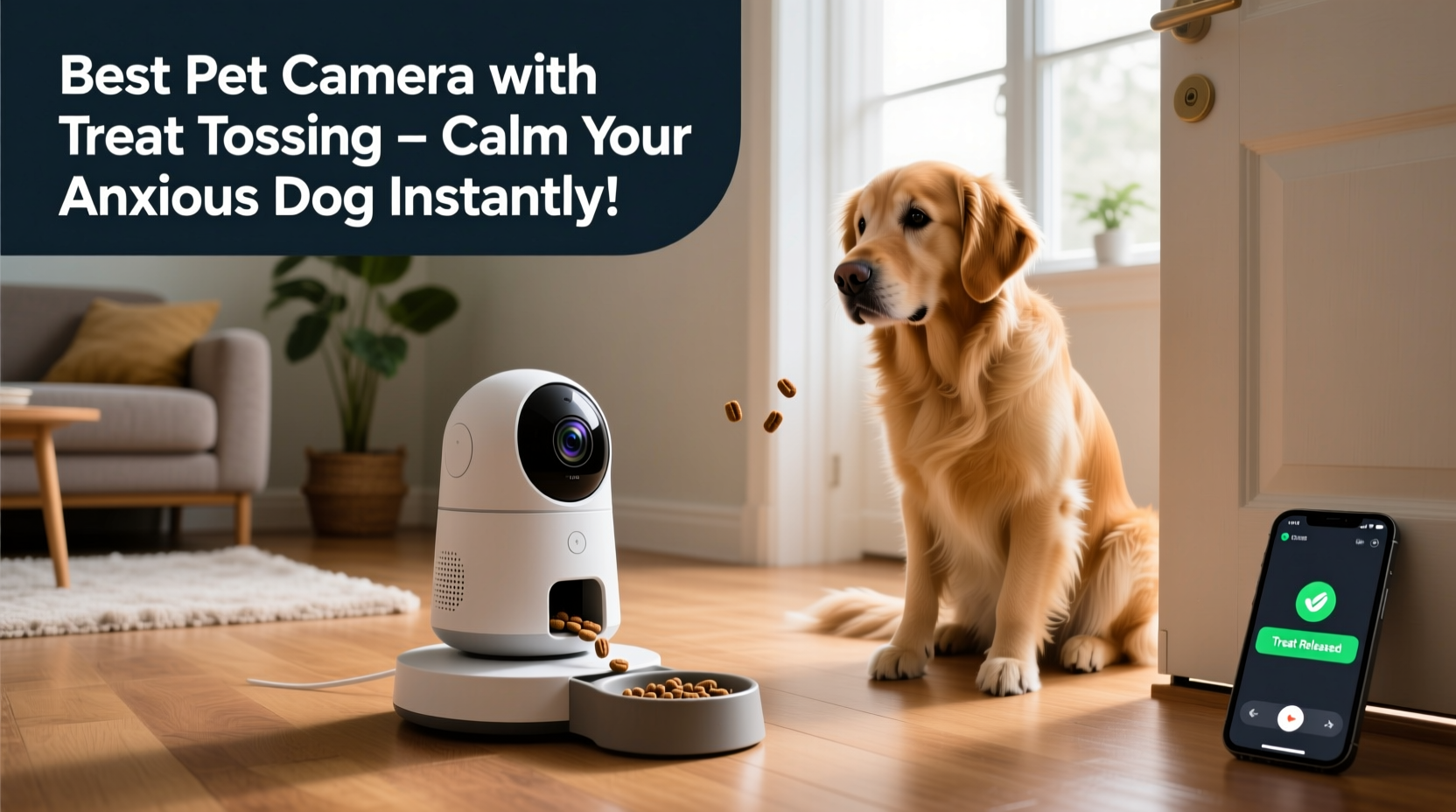
Dogs thrive on routine and social interaction. When left alone, especially for extended periods, many develop signs of stress such as excessive barking, destructive chewing, or house soiling. These behaviors often stem from separation anxiety, a condition recognized by veterinary behaviorists as both common and treatable.
Treat-dispensing cameras serve two critical functions: monitoring and engagement. Real-time video lets you assess your dog’s mood and environment, while two-way audio enables verbal reassurance. But it’s the treat-tossing feature that sets these devices apart. By delivering a snack remotely, you create a positive association with being alone—transforming solitude from a source of stress into an opportunity for reward.
“Pairing remote interaction with food rewards can significantly reduce anxiety-related behaviors in dogs,” says Dr. Lisa Peterson, DVM, and animal behavior consultant. “It’s not just about distraction—it’s about conditioning your dog to feel safe when you’re gone.”
The psychological principle at play is classical and operant conditioning. Each time your dog hears the camera dispense a treat, it begins to associate your absence with something good. Over time, this repeated positive reinforcement helps rewire anxious responses.
Top 5 Pet Cameras with Treat Tossing: Features & Comparison
Not all treat-dispensing cameras are created equal. Factors like treat size compatibility, app reliability, night vision quality, and durability under paw pressure matter greatly—especially for anxious dogs who may react unpredictably. Below is a detailed comparison of the five most effective models currently available.
| Model | Max Treat Size | Video Quality | Two-Way Audio | App Reliability | Durability |
|---|---|---|---|---|---|
| Furbo 360° Dog Camera | 1.5 inches (large kibble) | 1080p + 360° view | Yes | Excellent (iOS/Android) | High (non-tip base) |
| Petcube Bites 2 | 1 inch (small treats only) | 1080p + night vision | Yes | Good (minor lag reported) | Moderate (can be knocked over) |
| Wopet Smart Camera | 1.2 inches | 720p | Yes | Fair (older interface) | Low (lightweight design) |
| Chsoula HD Pet Camera | 1.4 inches | 1080p | Yes | Good | Moderate |
| YI 1080p Home Camera + Feeder Add-on | 1.3 inches | 1080p (separate units) | Limited (speaker-only) | Very Good | High (modular setup) |
The Furbo 360° stands out for its wide-angle lens, robust app, and high-toss mechanism capable of launching treats across a room—ideal for encouraging movement and engagement. Petcube Bites 2 remains popular for its interactive laser feature (on select models), though its smaller treat capacity limits use with larger dogs. Wopet and Chsoula offer budget-friendly options but lack advanced behavioral analytics. YI’s modular system appeals to tech-savvy users who prefer customizable setups.
Tip: Always test treat size before loading. Oversized treats can jam dispensers, causing frustration for both you and your dog.How to Use a Treat-Tossing Camera Effectively
Simply owning a treat-dispensing camera isn’t enough. To truly help an anxious dog, you must use it strategically. Random treat drops provide momentary distraction but don’t address underlying anxiety. A structured approach yields better long-term results.
Step-by-Step Routine for Anxiety Reduction
- Observe Baseline Behavior: Use the camera for 2–3 days without interacting. Note when your dog becomes restless, vocalizes, or seeks attention.
- Introduce Positive Cues: Begin tossing treats when your dog is calm—not when barking or pacing. This reinforces quiet behavior.
- Pair with Verbal Reassurance: Speak soothingly through the speaker as the treat lands. Use a consistent phrase like “Good boy, I’m here.”
- Gradually Increase Absence Duration: Start with short departures (5 minutes), then extend over days. Reward calmness after each return.
- Schedule Surprise Treats: Dispense snacks randomly during the day to build positive anticipation of solitude.
Consistency is key. Aim for daily sessions lasting 10–15 minutes total. Avoid overuse—flooding your dog with treats can lead to weight gain or diminished response over time.
Real-World Example: Reducing Max’s Separation Anxiety
Max, a 3-year-old Border Collie in Portland, Oregon, began chewing door frames and howling within minutes of his owner leaving. His guardian, Sarah, installed the Furbo 360° after consulting her vet. Initially, she used the camera simply to monitor Max’s behavior. She noticed he stayed calm for the first 10 minutes, then became agitated around the 15-minute mark.
She started tossing a small treat at the 12-minute point, pairing it with her voice: “Max, stay cozy. Treat coming!” Over two weeks, she gradually delayed the first treat to 20 minutes, then 30. She also began leaving puzzle toys filled with kibble before departure. Within a month, Max remained relaxed for over an hour. Today, he lies on his bed watching the camera, anticipating a midday surprise.
Sarah credits the combination of environmental enrichment and scheduled treat rewards: “It wasn’t magic overnight, but having that connection—even remotely—made him feel less abandoned.”
What to Look for When Buying a Treat-Tossing Camera
Choosing the right device depends on your dog’s size, temperament, and your technical comfort level. Consider these seven factors before purchasing:
- Treat Capacity: Larger bins (like Furbo’s 100-treat hopper) reduce refill frequency.
- Dispensing Mechanism: High-toss models work better for active dogs; gentle drop systems suit seniors or timid pets.
- Field of View: 360° coverage ensures you won’t miss activity in corners.
- Night Vision: Essential for monitoring evening routines or nighttime anxiety.
- Noise Level: Some motors are loud and may startle sensitive dogs.
- Data Privacy: Choose brands with end-to-end encryption and clear privacy policies.
- Battery Backup: Ensures functionality during power outages (available in select models).
Checklist: Setting Up Your Pet Camera for Success
- Choose a quiet, stable surface away from direct sunlight.
- Test Wi-Fi signal strength in the chosen location.
- Load appropriately sized treats—avoid oily or sticky ones that could clog the dispenser.
- Calibrate the treat toss direction using a soft test throw.
- Practice speaking through the mic to ensure clarity.
- Set up motion and sound alerts in the app.
Frequently Asked Questions
Can a treat-tossing camera cure separation anxiety?
No single device can “cure” separation anxiety, which is a behavioral condition requiring a multi-faceted approach. However, treat-dispensing cameras are valuable tools when combined with training, environmental enrichment, and, if needed, veterinary guidance. They help manage symptoms and support rehabilitation.
Are these cameras safe for puppies or senior dogs?
Yes, most models are safe, but supervision is recommended initially. Puppies may chew cords or bump into the unit, so secure placement is essential. For seniors, choose a model with gentle treat delivery to avoid startling arthritic or hearing-impaired dogs.
Do I need a subscription to use all features?
Some cameras offer free basic features (live video, manual treat toss), but advanced functions like cloud recording, activity alerts, or AI-based behavior analysis require a monthly subscription. Furbo, for example, offers a 30-day free trial of its premium service, which includes bark detection and historical video clips.
Final Thoughts: Bridging the Distance with Care
For anxious dog owners, the guilt of leaving a beloved pet behind can be overwhelming. Modern pet cameras with treat-tossing capabilities offer more than convenience—they provide emotional continuity. Knowing you can check in, soothe with your voice, and deliver a surprise snack brings comfort to both pet and person.
The best cameras do more than dispense treats; they foster trust, reinforce calm behavior, and turn isolation into an opportunity for connection. While no technology replaces physical presence, these tools empower owners to support their dogs’ mental health proactively.
🚀 Ready to ease your dog’s anxiety and gain peace of mind? Explore the top-rated treat-tossing cameras today—and take the first step toward a calmer, happier home for your pet.








