Puppies explore the world with their mouths. For a young dog, chewing is natural, necessary, and often relentless. While this behavior supports teething, jaw development, and mental stimulation, it also exposes them to potentially harmful substances—especially if their toys are made from questionable materials. As pet owners become more aware of environmental toxins in everyday products, demand for non-toxic puppy toys has surged. But what truly makes a toy safe? And which options stand up under enthusiastic puppy jaws without compromising health?
This guide breaks down the science behind safe toy materials, highlights top-rated non-toxic brands, and equips you with practical tools to evaluate any toy before it touches your puppy’s mouth. From organic rubber to food-grade silicone, you’ll learn exactly what to look for—and what to avoid—when choosing playthings for your chew-happy companion.
Why Non-Toxic Matters for Puppies
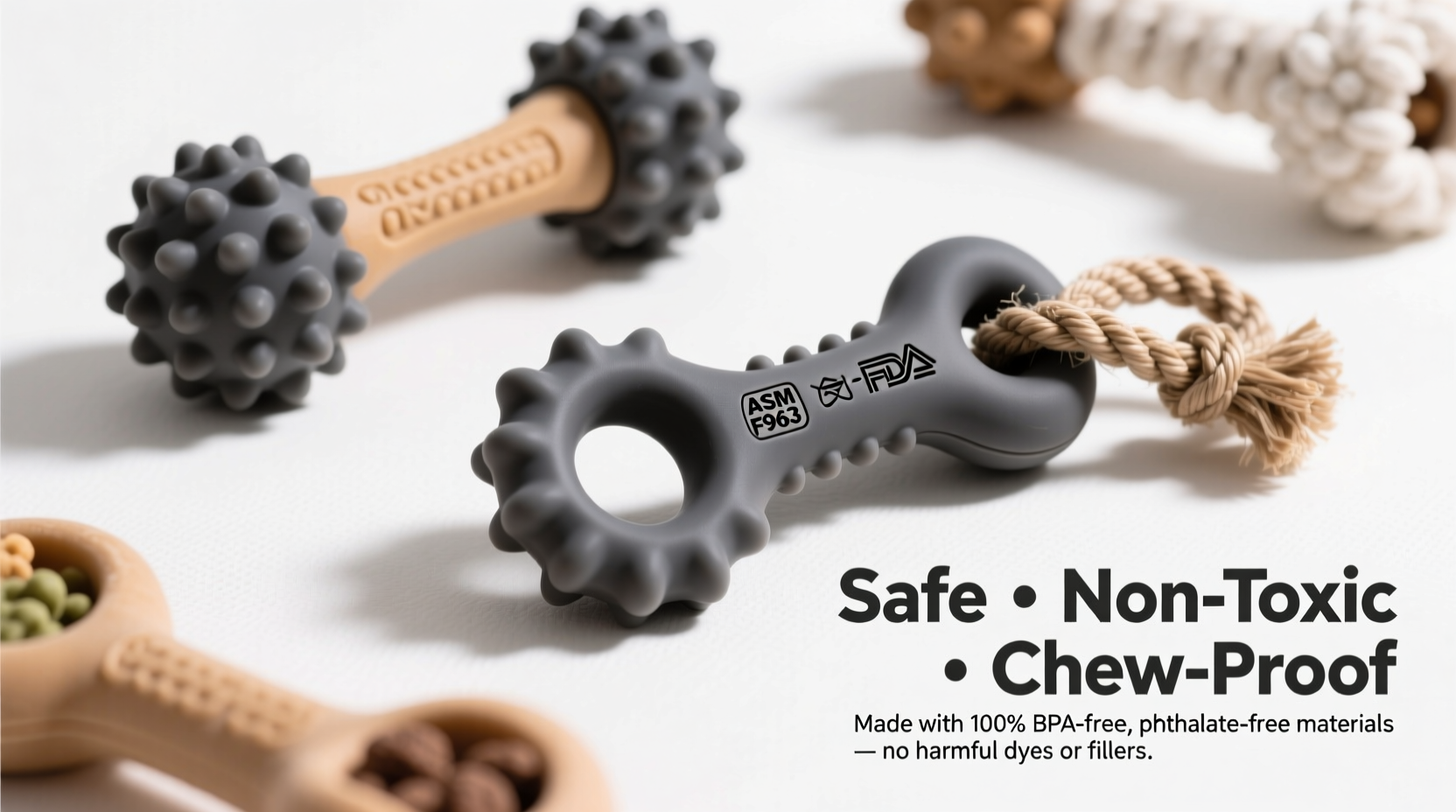
Puppies don’t just chew; they gnaw, drool, lick, and sometimes swallow small fragments. Unlike adult dogs, their developing livers and immune systems are less equipped to process chemical additives. When toys contain phthalates, BPA, lead, or synthetic dyes, these substances can leach into saliva and be ingested over time. Chronic exposure—even in low doses—has been linked to hormonal imbalances, liver stress, and developmental issues in animals.
The risk increases with heavy chewers. A soft plush toy may shed fibers, but a rubber toy degraded by constant biting can release microplastics and embedded chemicals directly into the digestive tract. This makes material integrity as important as ingredient safety.
“Just like with baby products, anything that spends significant time in a puppy’s mouth should meet rigorous safety standards. The absence of smell doesn’t mean the absence of toxins.” — Dr. Lena Torres, DVM, Veterinary Toxicologist
Regulations for pet toys are minimal compared to children’s products. In the U.S., there is no mandatory testing for phthalates or heavy metals in dog toys. That means the burden falls on pet parents to research brands, scrutinize labels, and prioritize transparency.
Safe Materials: What to Look For
Not all “natural” or “eco-friendly” claims hold up under scrutiny. Below is a breakdown of the most trustworthy materials used in non-toxic puppy toys, backed by scientific and veterinary consensus.
Natural Rubber (FSC-Certified Hevea)
Derived from the sap of rubber trees, natural rubber is biodegradable, durable, and free from petroleum-based synthetics. Look for Forest Stewardship Council (FSC) certification to ensure sustainable sourcing. Natural rubber toys are flexible enough for teething but tough enough to resist shredding. Avoid versions mixed with synthetic latex or undisclosed fillers.
Food-Grade Silicone
Commonly used in baby bottles and kitchenware, food-grade silicone is inert, meaning it won’t leach chemicals even when chewed or exposed to heat. It’s especially ideal for teething puppies who need something cold and firm. Ensure the product specifies “platinum-cure” silicone, which lacks the tin catalysts found in lower grades.
Organic Cotton & Hemp
For plush or rope toys, organic cotton and hemp are safer than conventional fabrics treated with pesticides or flame retardants. These fibers are breathable, hypoallergenic, and typically dyed with plant-based pigments. However, they’re not suitable for aggressive chewers unless reinforced with double stitching and non-toxic binding.
Wood (Sustainably Sourced, Untreated)
Hardwoods like maple or birch can make excellent chew toys when sanded smooth and left untreated. Some brands use olive wood or bamboo, both naturally antibacterial. Never use painted or stained wood, as coatings may contain solvents or heavy metals.
Tip: If a toy smells strongly of chemicals or plastic, do not give it to your puppy. Your nose can detect volatile organic compounds (VOCs) that indicate unsafe off-gassing.Materials to Avoid at All Costs
Certain materials are commonly marketed as “durable” or “affordable,” but pose serious health risks when ingested repeatedly. Steer clear of the following:
- PVC (Polyvinyl Chloride): Often labeled as “vinyl,” PVC contains phthalates that soften the plastic. These disrupt endocrine function and have been banned in children’s toys in many countries—but remain unregulated in pet products.
- BPA and BPS: Found in polycarbonate plastics, these synthetic estrogens mimic hormones and accumulate in fat tissue. Even BPA-free labels can be misleading if replaced with equally problematic analogs like BPS.
- Synthetic Dyes (e.g., Red 40, Blue 2): Artificial colors serve no functional purpose and are linked to hyperactivity and allergic reactions in sensitive animals.
- Recycled Plastics with Unknown Origins: While sustainability is admirable, post-consumer plastics may carry contaminants from previous uses, including cleaning agents or motor oils.
“We once treated a 14-week-old Labrador who developed elevated liver enzymes after two weeks of chewing a brightly colored rope toy. Lab analysis revealed cadmium levels above safety thresholds. The toy had no warning label.” — Dr. Alan Perez, Small Animal Clinic, Portland
Top 5 Non-Toxic Toys for Chew-Happy Puppies
Based on material safety, durability, and veterinarian recommendations, here are five standout toys that pass the chew test without compromising health.
| Toy Name | Material | Best For | Notable Feature |
|---|---|---|---|
| West Paw Zogoflex Hurley | Proprietary thermoplastic elastomer (TPR) | Medium to large breed puppies | Dishwasher safe, recyclable through company program |
| Planet Dog Orbee-Tuff Snoop | Non-toxic, FDA-compliant TPR | Aggressive chewers | Made in USA, infused with minty scent from natural oils |
| Harry Barker Eco-Chew Ring | Organic cotton canvas with natural rubber core | Teething phase | Biodegradable, printed with soy ink |
| Petstages Dog IQ Treat Ball (Natural Version) | Food-grade silicone | Mental stimulation + chewing | Fills with kibble, encourages problem-solving |
| Benebone Wishbone (Natural Flavor) | Food-grade nylon with real bacon, peanut butter, or chicken flavoring | Puppies needing strong chew outlet | No artificial flavors or preservatives; dishwasher safe |
While none of these are edible, they are designed to minimize fragmentation. Always supervise early chewing sessions to assess whether your puppy tends to bite off chunks.
How to Evaluate Any Puppy Toy: A Step-by-Step Guide
You don’t need to memorize every brand to make safe choices. Use this decision framework whenever shopping:
- Check the packaging or website for material disclosures. Reputable companies list exact materials, not vague terms like “safe polymer” or “eco-blend.”
- Look for third-party certifications. Examples include FDA compliance, CPSIA (Consumer Product Safety Improvement Act) adherence, or OEKO-TEX Standard 100 for textiles.
- Verify country of manufacture. Toys made in the U.S., Canada, EU, or Australia generally follow stricter safety oversight than those from regions with lax regulations.
- Inspect texture and odor. Run your fingers over seams and joints. Are there rough edges or weak glue points? Does it emit a plasticky smell? Trust your instincts.
- Monitor your puppy’s reaction. After introducing a new toy, watch for signs of irritation—excessive drooling, vomiting, or reluctance to chew. Discontinue use immediately if observed.
Real Example: Choosing Safer Toys After a Health Scare
Sarah Kim, a first-time dog owner in Seattle, adopted a Pembroke Welsh Corgi named Milo at eight weeks old. Eager to support his teething, she bought several colorful rubber toys from a big-box retailer. Within three weeks, Milo became lethargic and began vomiting intermittently. Blood work revealed mild liver enzyme elevation.
After ruling out dietary causes, her vet asked about chew toys. Sarah brought in one of the rings—bright blue with a faint chemical odor. The packaging listed only “rubber” as the material. She switched to an FSC-certified natural rubber toy and discontinued the others. Within ten days, Milo’s energy returned and follow-up labs normalized.
She now checks every product against the Environmental Working Group’s (EWG) database for pet safety and only buys from brands that publish full ingredient lists.
Checklist: Buying Non-Toxic Puppy Toys with Confidence
Before adding any toy to your cart, confirm the following:
- ✅ Material is clearly stated (e.g., “natural rubber,” not just “rubber”)
- ✅ Free from BPA, phthalates, lead, and PVC
- ✅ Made in a country with strong consumer safety laws
- ✅ No artificial dyes or fragrances
- ✅ Durable enough to resist breaking into swallowable pieces
- ✅ Cleanable (toys collect bacteria from saliva and outdoor surfaces)
- ✅ Brand offers transparency—contact customer service if details are missing
Frequently Asked Questions
Can I trust “BPA-Free” labels on puppy toys?
Not always. While BPA-free means bisphenol A is absent, manufacturers may substitute it with BPS or BPF, which have similar endocrine-disrupting effects. Look for toys made from entirely non-plastic materials (like rubber or wood) for greater assurance.
Are homemade toys safe?
It depends. Braided fabric strips from old t-shirts seem harmless, but synthetic fibers like polyester can cause intestinal blockages if swallowed. Cotton bedsheets or denim jeans (undyed, clean) are safer for DIY rope toys. Never use rubber bands, strings, or buttons that could detach.
How often should I replace chew toys?
Inspect toys weekly. Replace them if they show deep grooves, crumbling edges, or loose parts. Even non-toxic materials become hazardous when fragmented. High-chew puppies may need replacements every 4–6 weeks during peak teething (12–24 weeks).
Final Thoughts: Prioritize Health Over Hype
The pet industry thrives on trends—glittery toys, scented plushies, glow-in-the-dark bones—but few prioritize long-term wellness over short-term appeal. As a responsible pet parent, your role is to filter marketing noise and focus on what truly matters: your puppy’s lifelong health.
Choosing non-toxic chew toys isn’t about perfection—it’s about informed progress. Start with one high-quality, safe toy. Observe how your puppy interacts with it. Gradually phase out questionable items. Support brands that value transparency, and don’t hesitate to ask questions about sourcing and testing.
Your puppy’s body is still forming. Every substance they ingest, even in trace amounts, plays a role in that process. By investing in cleaner, safer playthings today, you’re not just preventing illness—you’re nurturing resilience, vitality, and joy that lasts well into adulthood.
🚀 Ready to upgrade your puppy’s toy box? Share this guide with fellow pet owners, tag a brand that publishes its material sources, or leave a comment about your favorite non-toxic find. Together, we can raise awareness and demand better for our furry family members.








