For many people, owning a cat is a dream—soft fur, quiet purrs, and loyal companionship. But for those with allergies, that dream often comes with sneezing, itchy eyes, and sleepless nights. Contrary to popular belief, most allergic reactions aren’t caused by cat hair but by a protein called Fel d 1, found in cat saliva, skin, and urine. While no cat is truly hypoallergenic, certain breeds shed less and produce lower levels of this allergen, making them better suited for sensitive individuals. Choosing the right breed can dramatically improve quality of life for allergy sufferers who still want feline company.
Understanding Cat Allergies and Shedding
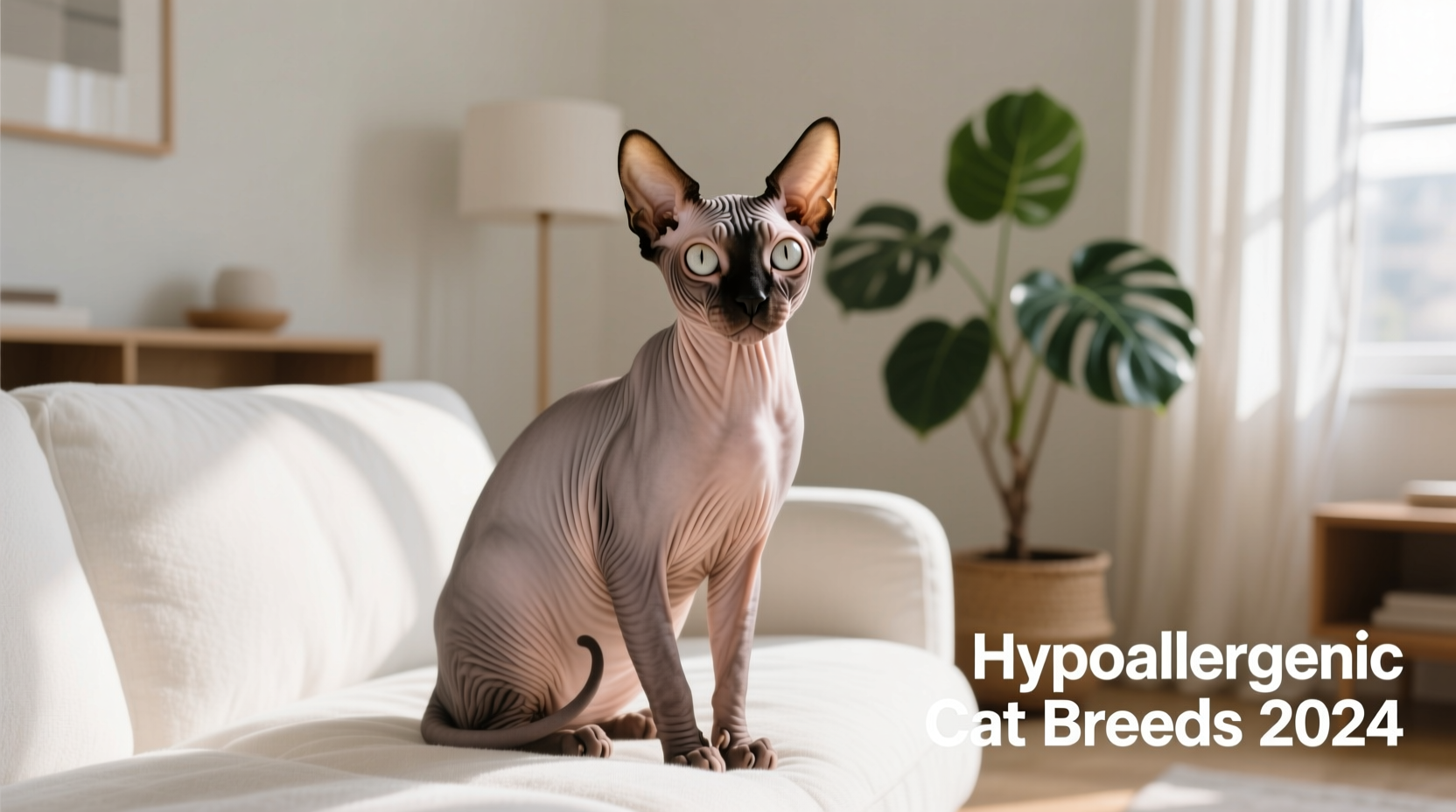
Allergic reactions to cats are triggered primarily by proteins released through sebaceous glands in the skin, saliva, and urine. When cats groom themselves, they spread these allergens onto their fur, which then become airborne or settle on surfaces. Dander—the tiny flakes of dead skin—is the main carrier. Although shedding contributes to the spread of allergens, it's not the root cause. A cat that sheds less tends to release fewer allergens into the environment, especially when combined with regular grooming and cleaning.
Cats that lack an undercoat or have very short, fine coats tend to shed minimally. Some breeds even have hair rather than fur, similar to human hair, which reduces loose particles in the air. These characteristics make them more suitable for homes where someone has mild to moderate cat allergies.
“While no cat is completely hypoallergenic, selecting low-shedding breeds with reduced Fel d 1 production can significantly decrease allergic symptoms.” — Dr. Laura Thompson, Veterinary AllergistTip: Bathe your cat every few weeks using a veterinarian-approved shampoo to reduce surface allergens.
Top 5 Non-Shedding Cat Breeds for Allergy Sensitive Homes
The following breeds are widely recognized for minimal shedding and lower allergen profiles. They are ideal choices for families or individuals managing allergies while seeking a loving pet.
1. Siberian
Despite their long, luxurious coat, Siberians are surprisingly allergy-friendly. Studies suggest many Siberians produce lower levels of Fel d 1 compared to other breeds. Their triple-layered coat does require weekly brushing, but they don’t shed excessively outside of seasonal changes. Regular grooming helps trap dander before it disperses into the air.
2. Balinese
Often called the “long-haired Siamese,” the Balinese has a silky, single-layer coat that resists matting and sheds very little. Unlike double-coated cats, they lack an undercoat, meaning less loose fur around the house. Balinese cats are also social, vocal, and intelligent, forming strong bonds with their owners.
3. Russian Blue
This elegant breed has a dense, plush double coat—but one that sheds minimally. More importantly, Russian Blues are noted for producing less Fel d 1 protein. Their short, close-lying fur traps dander effectively, reducing airborne allergens. They’re calm, gentle, and thrive in quiet homes, making them excellent companions for allergy-prone families.
4. Devon Rex
With wavy, soft hair and large ears, the Devon Rex looks almost alien—but it’s their near-hairless appearance that makes them stand out. They have very little fur, so there’s almost nothing to shed. What little coat they do have requires occasional wiping with a damp cloth to remove oils and dander. Highly energetic and playful, they bond closely with their humans.
5. Sphynx
The most famous non-shedding breed, the Sphynx has no fur at all. Without hair, there’s nothing to trap and spread allergens—on the surface. However, because they lack fur, the oils and dander accumulate directly on their skin. This means they require frequent bathing (weekly or bi-weekly) to stay clean and reduce allergen load. Despite their high-maintenance hygiene needs, Sphynx cats are warm, affectionate, and thrive on attention.
| Breed | Shedding Level | Allergen Production | Grooming Needs | Temperament |
|---|---|---|---|---|
| Siberian | Low (seasonal) | Lower than average | Weekly brushing | Affectionate, playful |
| Balinese | Very Low | Moderate | Bi-weekly combing | Vocal, intelligent |
| Russian Blue | Minimal | Low Fel d 1 | Occasional brushing | Reserved, loyal |
| Devon Rex | Negligible | Moderate | Wipe downs, monthly baths | Playful, curious |
| Sphynx | None | Moderate (on skin) | Weekly bathing | Outgoing, cuddly |
Managing Allergens Beyond Breed Selection
Selecting a low-shedding breed is just the first step. To create a truly allergy-friendly environment, additional measures must be taken to minimize exposure to allergens throughout the home.
Improve Indoor Air Quality
Invest in a HEPA air purifier for rooms where the cat spends the most time. These filters capture microscopic particles, including dander, dust, and pollen. Run the purifier continuously and replace filters as recommended. Also, ensure your HVAC system uses high-efficiency filters and change them every 60–90 days.
Establish Cleaning Routines
Vacuum carpets, rugs, and upholstery at least twice a week using a vacuum with a HEPA filter. Hard floors should be mopped regularly. Wash bedding, curtains, and cat accessories in hot water (at least 130°F) weekly to destroy allergens.
Create Cat-Free Zones
Designate bedrooms and certain furniture as off-limits to your cat. This gives allergy sufferers a sanctuary where allergen levels remain low. Use baby gates or deterrent sprays if needed to enforce boundaries.
Tip: Wipe your cat’s coat with a damp microfiber cloth between grooming sessions to remove surface oils and dander.Step-by-Step Guide to Introducing a Cat to an Allergy-Prone Home
Bringing a new cat into a sensitive household requires careful planning. Follow this timeline to reduce risks and ensure a smooth transition.
- Week 1: Research and Select Breed – Focus on breeds known for low shedding and lower allergen production. Contact breeders or rescues to discuss health history and meet the cat if possible.
- Week 2: Prepare the Home – Install air purifiers, wash all linens, and designate a room for the cat’s initial acclimation. Remove excess fabric items like throw pillows that trap dander.
- Week 3: Trial Visit (if possible) – Spend time with the specific cat you plan to adopt. Observe any allergic reactions over several hours. Some shelters allow foster trials.
- Week 4: Bring Cat Home – Confine the cat to one room initially. Monitor symptoms daily. Begin grooming routines early—brush or wipe the cat gently.
- Month 2–3: Gradual Expansion – Slowly allow the cat access to more areas. Continue strict cleaning and air filtration. Track allergy symptoms in a journal.
- Month 4+: Full Integration – If no severe reactions occur, continue maintenance protocols. Consider allergy shots (immunotherapy) if minor symptoms persist.
Real-Life Example: The Miller Family’s Success Story
The Millers had always wanted a cat, but both parents and their daughter Emma, age 9, suffered from asthma and cat allergies. After extensive research, they adopted a Russian Blue kitten named Luna from a reputable breeder. Before bringing her home, they installed HEPA filters, replaced carpet with hardwood, and set up a grooming station.
They started with a two-week trial, visiting Luna at the breeder’s home three times. No one experienced severe reactions. At home, Luna stayed in the sunroom for the first month. The family wiped her weekly with a damp cloth and vacuumed daily. Within six weeks, Emma was able to sit beside Luna without using her inhaler. Two years later, Luna remains a beloved member of the family, and allergy symptoms are minimal with consistent care.
Essential Checklist for Allergy-Safe Cat Ownership
- ✅ Choose a low-shedding, low-allergen breed (e.g., Russian Blue, Balinese, Siberian)
- ✅ Schedule a trial visit or foster period before adoption
- ✅ Install HEPA air purifiers in main living areas and bedrooms
- ✅ Commit to weekly grooming or wiping (more frequent for Sphynx/Devon Rex)
- ✅ Vacuum and mop floors at least twice a week
- ✅ Designate cat-free zones, especially bedrooms
- ✅ Wash bedding and cat items in hot water weekly
- ✅ Consult an allergist about immunotherapy options if needed
Frequently Asked Questions
Do non-shedding cats still cause allergies?
Yes, because allergens come from saliva, skin, and urine—not just fur. However, non-shedding cats release fewer allergens into the air, making them more tolerable for many sensitive individuals.
Can I adopt a non-shedding cat if I’ve never lived with one before?
You can, but proceed with caution. Start with a foster or trial period. Monitor symptoms closely, and prepare your home in advance with air filters and cleaning supplies.
Are female cats less allergenic than males?
Some studies suggest unneutered male cats produce higher levels of Fel d 1. Spayed females and neutered males generally have lower allergen output. However, individual variation exists across all genders.
Final Thoughts: Living Well with Cats and Allergies
Owning a cat doesn’t have to mean sacrificing comfort or health when you’re allergy-sensitive. With thoughtful breed selection and consistent environmental management, it’s entirely possible to enjoy a close relationship with a feline companion. The key lies in understanding that allergen control is a combination of genetics, grooming, and household hygiene—not just the absence of fur.
Breeds like the Siberian, Russian Blue, and Balinese offer hope to those who thought cat ownership was out of reach. By taking proactive steps—from choosing the right breed to maintaining a clean, filtered home—you can create a balanced, joyful environment where both you and your cat thrive.
🚀 Ready to welcome a low-shedding cat into your life? Start by researching breeders or rescue groups specializing in allergy-friendly cats. Share your journey or ask questions in the comments below—your experience could help another family find their purr-fect match.








