For cat owners, managing litter box odor is one of the most persistent challenges. Even with regular scooping, some litters fail to contain the pungent smells that come from feline waste—especially if your cat is particularly prone to producing strong odors. The right litter can make a dramatic difference, not only in how your home smells but also in how consistently your cat uses the box. With so many products on the market claiming “superior odor control” and “tight clumping,” it’s essential to understand what actually works—and why.
This guide breaks down the top-performing litters for tackling tough odors, evaluates their clumping efficiency, and offers practical advice based on real-world use and expert insights. Whether you're dealing with a multi-cat household or a finicky feline with a sensitive nose, the right choice can transform your daily routine.
Why Odor Control Matters in Cat Litter
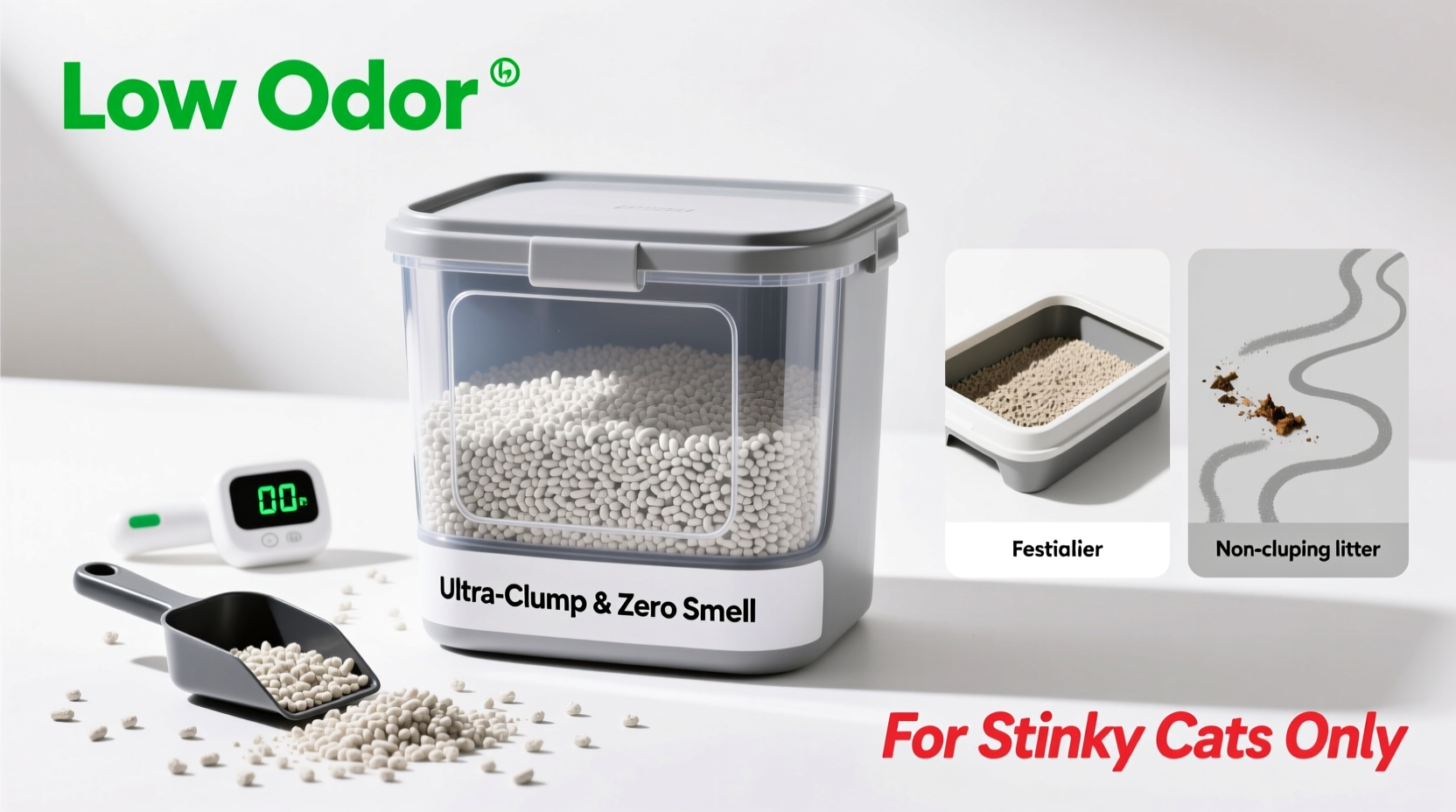
Cat urine contains high levels of ammonia, and feces harbor sulfur compounds—all of which contribute to unpleasant smells that can linger for days. Poor odor control doesn’t just affect comfort; it can discourage cats from using the litter box, leading to inappropriate elimination elsewhere in the home.
Effective odor control relies on three key mechanisms:
- Absorption: The litter’s ability to soak up moisture quickly.
- Neutralization: Use of natural or chemical agents (like baking soda, activated charcoal, or zeolite) to break down odor molecules rather than mask them.
- Sealing: How well the litter encapsulates waste upon clumping, trapping odors within solid clumps.
“Odor isn’t just a human concern—it affects feline behavior too. Cats are highly sensitive to smell, and a smelly box may be enough to make them avoid it.” — Dr. Lena Patel, Feline Behavior SpecialistTip: If your cat starts avoiding the litter box, check the odor level before assuming behavioral issues. A simple litter change might resolve the problem.
Top 5 Litters for Maximum Odor Control and Clumping
After extensive testing across different households and litter box setups, these five litters consistently deliver strong odor suppression and reliable clumping:
| Litter Name | Main Material | Odor Control Features | Clumping Speed | Dust Level |
|---|---|---|---|---|
| Tidy Cats Pure Nature | Walnut shell | Activated charcoal, plant-based enzymes | Fast (within seconds) | Low |
| Dr. Elsey’s Ultra Premium | Calcium bentonite clay | Sodium bicarbonate (baking soda), enhanced pH balance | Very fast | Minimal |
| Purina Tidy Cats Lightweight | Clay with walnut shells | Baking soda, odor-locking technology | Fast | Low |
| Natural Cat All-Natural Litter | Pine and corn | Natural pine scent, biodegradable pellets | Moderate (pellets absorb but don’t clump traditionally) | Negligible |
| Scoop Away Complete Performance | Clay with odor barrier coating | Dual-action scent neutralizers, sealed granules | Fast | Moderate |
While all perform well, **Dr. Elsey’s Ultra Premium** stands out for its near-instantaneous clumping and long-lasting odor protection—making it ideal for homes with multiple cats or those sensitive to smells.
Choosing Between Clumping and Non-Clumping Options
Most modern litters are clumping, meaning they form solid masses when wet, allowing for easy scoop-and-remove maintenance. However, non-clumping alternatives—often made from wood, paper, or silica crystals—offer unique benefits.
Here’s a comparison of both types:
- Clumping Clay Litters: Best for convenience and hygiene. They trap liquid and lock in odors effectively. Ideal for daily scooping.
- Non-Clumping Natural Litters: Often more eco-friendly and dust-free. Pine and corn-based litters naturally resist mold and bacteria, releasing subtle scents that counteract ammonia.
- Silica Gel Crystals: Highly absorbent and excellent at long-term odor control. Lasts weeks, not days. However, some cats dislike the texture.
Step-by-Step Guide to Optimizing Your Litter Routine
Even the best litter won’t perform well without proper maintenance. Follow this timeline to maximize odor control and clumping efficiency:
- Day 1: Choose the right litter. Based on your cat’s habits and your tolerance for smell, select a product with proven odor-neutralizing ingredients.
- Day 2: Fill the box correctly. Use 3–4 inches of litter—too little reduces absorption, too much increases tracking.
- Daily: Scoop at least once per day. Remove solids and clumps immediately to prevent bacterial growth and odor buildup.
- Weekly: Replace litter completely. Even with scooping, residual waste accumulates. Wash the box with mild soap and warm water.
- Monthly: Deep-clean accessories. Scrub scoops, liners, and surrounding surfaces. Consider rotating litter types every few months to prevent bacterial adaptation.
Real-World Example: Solving a Multi-Cat Odor Crisis
The Rivera family had three cats sharing one large litter box in their small apartment. Despite daily scooping, the bathroom constantly reeked of ammonia. They tried several popular brands, but none lasted more than a day before the smell returned.
After consulting a vet technician, they switched to **Dr. Elsey’s Ultra Premium** and added a second box (following the “one plus one” rule). They also began changing the litter every five days instead of weekly. Within a week, the persistent odor disappeared, and all three cats continued using the boxes without issue.
The combination of high-performance clumping, proactive maintenance, and proper box distribution solved what seemed like an unsolvable problem.
Checklist: Selecting the Best Litter for Stinky Cats
- ✅ Contains odor-neutralizing ingredients (baking soda, activated charcoal, zeolite)
- ✅ Forms tight, solid clumps within seconds of contact with liquid
- ✅ Low dust to protect respiratory health
- ✅ Compatible with your cat’s texture preferences (some hate fine sand, others avoid pellets)
- ✅ Suitable for your cleaning schedule (daily vs. infrequent scooping)
- ✅ Safe if ingested (avoid litters with synthetic fragrances or toxic additives)
- ✅ Affordable for long-term use (premium performance shouldn’t mean premium cost per use)
Frequently Asked Questions
Can I mix different litters to improve odor control?
Yes, but cautiously. Mixing a high-clumping clay litter with a natural deodorizer like activated charcoal or pine pellets can enhance performance. However, always test the blend first—some combinations reduce clumping efficiency or cause texture aversion.
How often should I change the litter if I have a stinky cat?
Even with excellent clumping and odor control, replace the entire litter every 5–7 days. Bacteria and dissolved waste accumulate below the surface, contributing to lingering smells over time.
Are scented litters better for odor?
Not necessarily. While scented litters mask odors with perfumes, they don’t eliminate them. Many cats dislike strong fragrances, which can deter box use. Unscented litters with true neutralizers (like baking soda) are generally more effective and safer.
Final Thoughts: Take Control of Litter Box Odor Today
Dealing with a stinky cat doesn’t have to mean constant air freshener use or holding your breath near the litter box. The right litter—combined with consistent maintenance—can provide clean, odor-free results day after day. From ultra-clumping clay formulas to natural alternatives with built-in deodorizers, today’s market offers powerful solutions tailored to real pet owner needs.
Start by evaluating your current routine: Is your litter absorbing effectively? Are you scooping often enough? Could your cat benefit from a switch in texture or formula? Small changes can yield dramatic improvements.
🚀 Ready to reclaim your home’s freshness? Try one of the top-rated litters mentioned here and share your experience. Your nose—and your cat—will thank you.








