Training a puppy is one of the most rewarding yet challenging experiences for any dog owner. The foundation laid in those early months shapes not only behavior but also the strength of your bond. One of the most effective tools in shaping good habits? High-value treats. But not all treats are created equal. What makes a treat “high value” isn’t just about taste—it’s about what motivates your puppy to ignore distractions and lock in on you. Choosing the right reward can mean the difference between a distracted pup and one who’s eager to learn.
High-value treats are essential when teaching new commands, managing distractions, or reinforcing behaviors in stimulating environments. They’re typically more palatable than regular kibble or training biscuits—think soft, aromatic, and quickly consumed. However, selecting the right treat involves more than grabbing the flashiest option off the shelf. It requires understanding your puppy’s preferences, nutritional needs, and training context.
What Makes a Treat \"High Value\"?
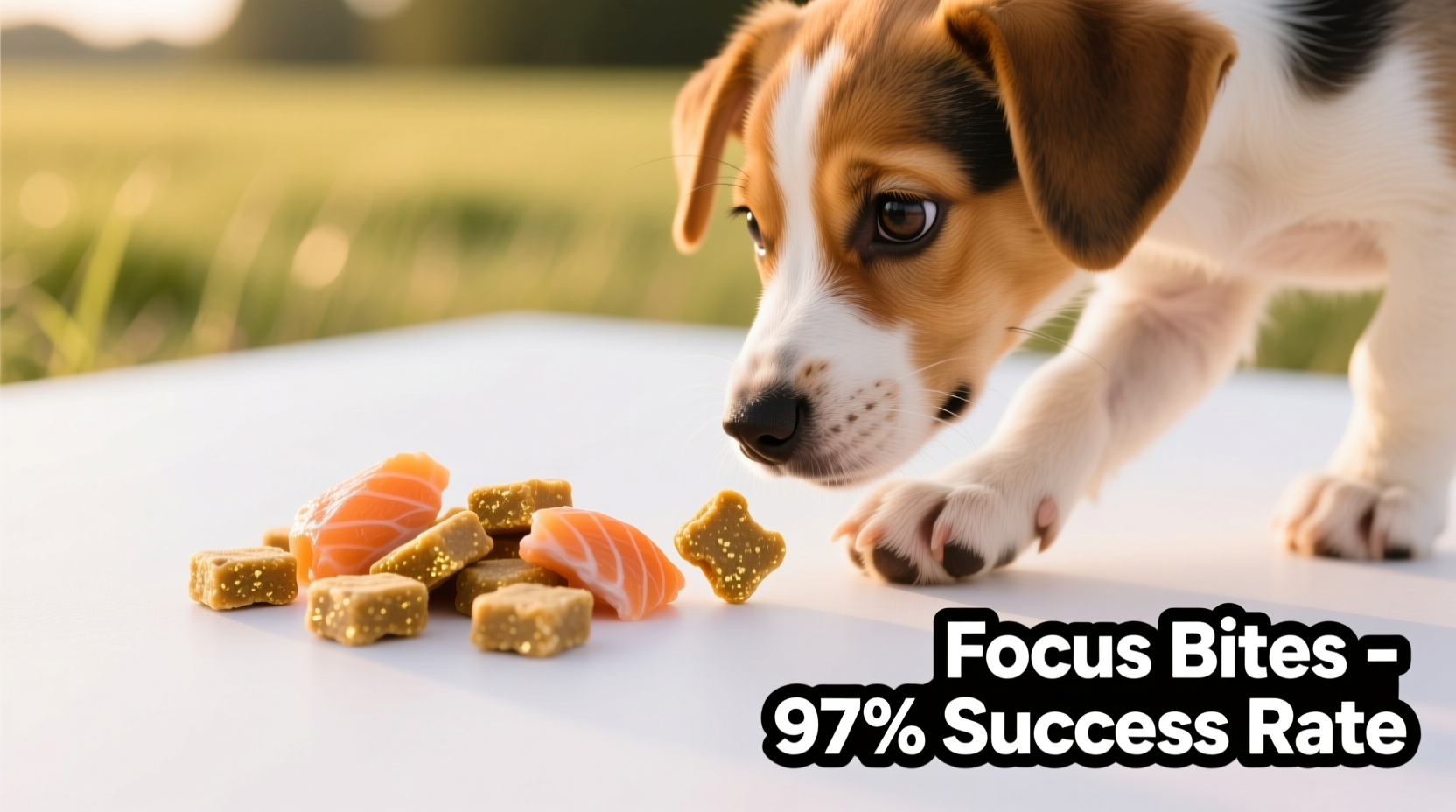
A high-value treat is anything your puppy finds exceptionally motivating. While commercial labels may claim “premium” or “gourmet,” true value is determined by your dog’s response. A treat becomes high value when it consistently captures attention, especially in the presence of competing stimuli like squirrels, other dogs, or loud noises.
The key characteristics of high-value treats include:
- Palatability: Strong smell and rich flavor (often meat-based)
- Texture: Soft and easy to chew or swallow quickly
- Size: Small enough to eat in one bite without breaking focus
- Speed of consumption: Must be eaten fast so training flow isn’t interrupted
- Nutritional balance: Shouldn’t disrupt diet if used frequently
It’s important to distinguish between everyday rewards and high-value incentives. Standard kibble works well for basic obedience at home but often fails during outdoor training. That’s where high-value treats come in—they act as a motivational upgrade when you need maximum engagement.
Tip: Test treat value by offering it during low-distraction and high-distraction scenarios. If your puppy ignores it outside, it’s not high value enough.Top 7 High-Value Treats That Actually Work
After evaluating dozens of options based on trainer recommendations, ingredient quality, and real-world effectiveness, these seven treats consistently stand out for capturing puppy focus.
- Dehydrated Liver Treats – Often considered the gold standard, liver is naturally rich in iron and has an intense aroma that most puppies find irresistible. Choose single-ingredient versions with no additives.
- Freeze-Dried Meat Bites (Chicken, Beef, Turkey) – Lightweight, shelf-stable, and packed with flavor. Brands like Stella & Chewy’s or Vital Essentials offer small cubes ideal for training.
- Cheese Cubes (Low-Salt, Natural Cheddar) – Many puppies go wild for cheese. Use sparingly due to fat content, but it's excellent for short, intense sessions.
- Peanut Butter-Infused Mini Treats – Ensure it’s xylitol-free. Dogs love the sweet-savory combo, and peanut butter can be smeared on a spoon for ultra-high value moments.
- Cooked Chicken Breast (Homemade) – Unseasoned, boiled chicken cut into pea-sized pieces is affordable, safe, and highly motivating. Always cool before use.
- Fish-Based Treats (Salmon or Whitefish) – Ideal for puppies needing novel protein sources. The strong scent cuts through environmental noise.
- Commercial Training Treats with Real Meat First Ingredient – Look for brands like Zuke's Mini Naturals or Wellness Soft Puppy Bites that prioritize meat over fillers.
While variety helps prevent treat fatigue, consistency matters too. Rotate proteins every few weeks to avoid sensitivities, but stick with one type per session to maintain predictability.
How to Use High-Value Treats Effectively
Even the best treat won’t work if used incorrectly. Timing, delivery, and frequency determine whether a reward reinforces behavior or creates confusion.
Follow this step-by-step guide to maximize impact:
- Pair the treat with immediate reinforcement. Deliver within 1–2 seconds of the desired behavior. Delayed rewards weaken association.
- Use the “capture and mark” method. Say “yes!” or click a clicker the moment your puppy performs correctly, then deliver the treat.
- Keep treats small—pea-sized or smaller. Large pieces slow down training and increase calorie intake.
- Vary treat placement. Sometimes place it directly in front of the nose, other times toss it slightly forward to reset position.
- Phase out treats gradually. Once a behavior is reliable, switch to intermittent reinforcement (rewarding only some correct responses).
| Treat Type | Best For | Frequency Limit | Storage Tip |
|---|---|---|---|
| Dehydrated Liver | Distraction-heavy training | Up to 5x/day | Airtight container, cool place |
| Freeze-Dried Meat | Outdoor obedience | 3–7x/day | Reseal package; avoid moisture |
| Cheese | Short focus bursts | 1–2x/session | Refrigerate; use cold |
| Boiled Chicken | Daily training, sensitive stomachs | Up to 10 pieces/day | Refrigerate up to 3 days |
| Commercial Soft Treats | Routine indoor practice | As directed on label | Sealed bag away from heat |
“High-value treats aren’t bribes—they’re communication tools. When timed right, they tell the dog exactly what behavior earned praise.” — Dr. Kendra Pope, Veterinary Behaviorist
Common Mistakes to Avoid
Even experienced trainers sometimes undermine progress with poor treat practices. Here are the most frequent errors—and how to fix them:
- Using treats too large. Big pieces force puppies to stop and chew, breaking momentum. Stick to bite-sized portions.
- Overusing high-value rewards. Reserve them for difficult tasks. Overuse leads to diminished returns and potential weight gain.
- Hiding treats poorly. If your puppy sees you reaching into your pocket, they’ll focus on your hand instead of your cues. Practice discreet carrying with a treat pouch.
- Not adjusting for environment. A treat that works in the living room may fail at the park. Always assess distraction level and adjust treat value accordingly.
- Feeding table scraps as rewards. Human food can encourage begging and cause digestive issues. Stick to vet-approved training-specific items.
Real-World Example: Turning Distraction Into Focus
Sophie, a 14-week-old Border Collie, struggled with recall during neighborhood walks. She’d chase birds, ignore calls, and pull toward squirrels. Her owner, Mark, used kibble for training but saw little improvement. After consulting a local trainer, he switched to freeze-dried beef liver treats stored in a fanny pack.
The change was dramatic. During the next session near a busy sidewalk, Mark waited until Sophie glanced back at him—then marked “yes!” and tossed a liver cube near his feet. Within three sessions, she began checking in regularly, even when birds fluttered nearby. By pairing high-value rewards with precise timing, Mark transformed her focus from scattered to responsive.
The breakthrough wasn’t just the treat—it was using it strategically. He didn’t give it freely; he made it contingent on eye contact or a step toward him. Over time, he reduced frequency and introduced verbal praise, cementing reliability.
Checklist: Choosing & Using High-Value Treats
Before your next training session, run through this checklist to ensure you're set up for success:
- ✅ Identify 2–3 treat options your puppy responds strongly to
- ✅ Cut treats into uniform, pea-sized pieces
- ✅ Store them in a secure, odor-proof container or treat pouch
- ✅ Match treat value to task difficulty (higher stakes = higher value)
- ✅ Practice delivering treats smoothly without breaking posture
- ✅ Monitor daily caloric intake to avoid overfeeding
- ✅ Rotate proteins monthly to prevent allergies
- ✅ Gradually reduce treat frequency as behavior becomes consistent
Frequently Asked Questions
Can I use human food as high-value treats?
Yes, but selectively. Plain cooked meats like chicken, turkey, or lean beef are safe and effective. Avoid toxic foods like onions, garlic, grapes, chocolate, and anything with xylitol. Always check with your vet if unsure.
How many high-value treats should I give per session?
Aim for 10–20 treats per 10-minute session, depending on size and intensity. Adjust based on your puppy’s age, breed, and dietary needs. Remember: treats should make up no more than 10% of daily calories.
My puppy isn’t interested in treats. What should I do?
Some puppies are toy-motivated rather than food-driven. Try incorporating a favorite ball or tug toy as a reward. You can also warm treats slightly to enhance aroma or try fish-based options for stronger scent appeal.
Final Thoughts: Building Focus One Treat at a Time
Selecting the best high-value treats for puppy training isn’t about indulgence—it’s about strategy. The right reward transforms training from a struggle into a joyful exchange of communication and trust. When your puppy chooses to look at you instead of chasing a leaf, it’s not magic. It’s the result of smart reinforcement, impeccable timing, and treats that genuinely matter to them.
Start by testing different options in low- and high-distraction settings. Pay attention not just to eagerness, but to sustained focus. Combine great treats with consistent technique, and you’ll build a foundation of obedience that lasts a lifetime.
🚀 Ready to transform your puppy’s focus? Pick one high-value treat today, carry it in a pouch, and practice five short sessions this week. Small steps lead to big results.








