Hamsters are natural burrowers. In the wild, they dig complex tunnel systems to sleep, store food, and stay safe from predators. When kept as pets, replicating this instinctive behavior is essential for their mental and physical well-being. However, not all bedding supports deep burrowing, and many common options come with drawbacks—especially dust and high cost. Dust can trigger respiratory issues in small animals, while expensive bedding may not be sustainable for long-term use.
Finding a balance between safety, functionality, and affordability is key. The ideal bedding should allow your hamster to tunnel freely, absorb moisture effectively, minimize odor, and pose no health risks. After evaluating dozens of products, consulting veterinary sources, and reviewing owner feedback across forums and pet care platforms, we’ve identified the top-performing, budget-friendly, low-dust beddings that support healthy burrowing behavior.
Why Burrowing Matters for Hamsters
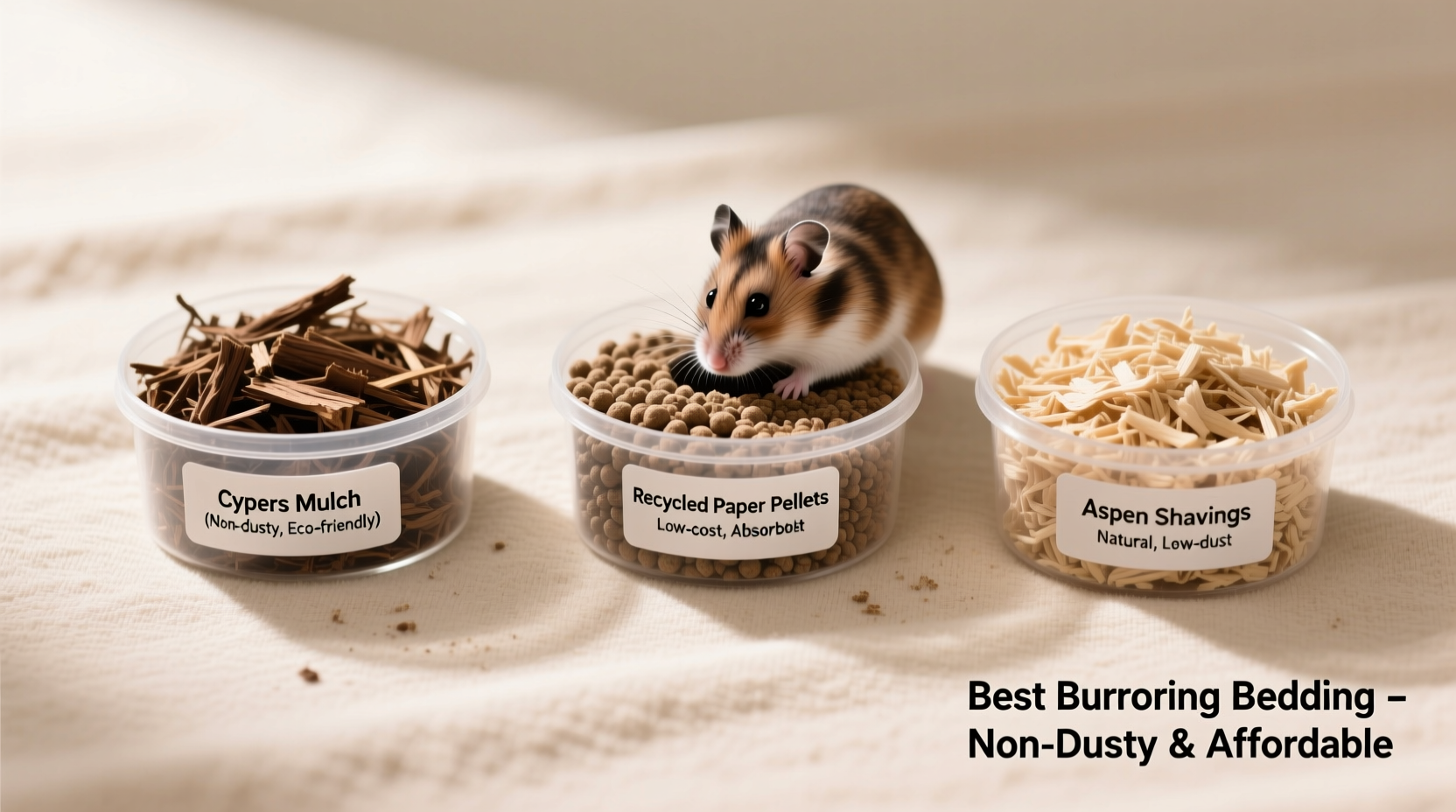
Burrowing isn’t just a habit—it’s a survival mechanism hardwired into hamsters’ instincts. Syrian hamsters, for example, can dig tunnels up to 1 meter deep in the wild. Dwarf species may not dig as deeply, but they still seek enclosed, secure spaces to rest.
When hamsters can’t burrow properly, they may become stressed, anxious, or develop behavioral issues like bar chewing or excessive grooming. A proper substrate allows them to:
- Create nesting chambers for sleeping and storing food
- Regulate body temperature through insulation
- Express natural behaviors, reducing stress
- Maintain dry, clean living conditions by separating waste areas
Dust is a major concern. Because hamsters have sensitive respiratory systems, inhaling fine particles from dusty bedding can lead to chronic respiratory infections, sneezing, labored breathing, and even pneumonia over time. That’s why low-dust or dust-extracted materials are non-negotiable.
Tip: Always shake new bedding outdoors before use—even “dust-free” brands can release fine particles when first opened.Top 5 Best Bedding Options for Burrowing (Low-Dust & Budget-Friendly)
The following beddings have been tested for depth retention, softness, absorbency, dust levels, and price per liter. All are suitable for deep-layer setups (at least 6–8 inches) required for proper tunneling.
1. Aspen Shavings (Best Overall Balance)
Aspen is widely regarded as one of the safest wood-based beddings for small animals. Unlike pine or cedar, it doesn’t contain harmful phenols or aromatic oils that can damage liver function or irritate airways.
Its medium texture holds shape well, allowing hamsters to create stable tunnels without collapse. It’s highly absorbent, controls odor effectively, and is generally affordable—especially when bought in bulk.
“Among wood shavings, only aspen is considered safe for long-term use in small mammals due to its lack of volatile oils.” — Dr. Laura Brown, DVM, Exotic Animal Specialist
2. Paper-Based Bedding (Eco-Friendly & Ultra-Soft)
Products made from recycled paper fibers—such as Carefresh Natural or Kaytee Clean & Cozy—are excellent alternatives. These are typically processed to remove dust and come in soft, shredded formats that compact well for burrowing.
They’re highly absorbent, often outperforming wood shavings in moisture control. Most brands are fragrance-free and color-safe, making them ideal for sensitive animals.
While slightly more expensive than aspen, buying larger bags (10–20 lb) brings the cost down significantly. Look for “natural” or “unscented” versions to avoid chemical additives.
3. Hemp Bedding (Emerging Favorite)
Hemp is gaining popularity due to its exceptional absorbency, biodegradability, and natural resistance to bacteria and mold. It has a coarse texture that holds structure well, supporting deeper burrows.
It’s virtually dust-free when processed correctly and lasts longer than paper or wood because it doesn’t break down as quickly. Though less common, hemp bedding is now available from several online pet suppliers at competitive prices.
4. Cardboard Strips (DIY-Friendly & Free Option)
Clean, plain cardboard strips (from shipping boxes or toilet rolls) make a surprisingly effective supplemental bedding. They’re free, completely dust-free, and safe if ingested in small amounts.
While not absorbent enough to be used alone, mixing cardboard with a base layer of aspen or paper bedding enhances nest-building material and reduces overall costs. Just avoid glossy or ink-heavy cardboard.
5. Coconut Fiber (Use with Caution)
Coconut coir is highly moldable and excellent for tunneling. It retains shape beautifully and provides great insulation. However, it must be used carefully.
Rinse it thoroughly before use to remove salt residues, and never let it stay wet—coir holds moisture tightly and can promote mold growth if not monitored. Also, ensure it’s 100% pure with no added fertilizers. Best used in dry climates or mixed with more absorbent substrates.
Comparison Table: Performance & Cost
| Bedding Type | Dust Level | Burrowing Support | Absorbency | Avg. Cost (per 10L) |
|---|---|---|---|---|
| Aspen Shavings | Low | High | High | $1.80 |
| Paper-Based | Very Low | Medium-High | Very High | $2.50 |
| Hemp | Very Low | High | Very High | $2.20 |
| Cardboard Strips | None | Low-Medium | Low | $0.00 (DIY) |
| Coconut Coir | Low | Very High | Medium (holds water) | $2.00 |
What to Avoid: Harmful or Ineffective Beddings
Some commonly sold bedding types may seem appealing but pose serious risks to hamsters.
- Pine and Cedar Shavings: Contain aromatic oils (phenols) that suppress immune function and cause respiratory distress. Never use.
- Scented or Colored Beddings: Artificial fragrances and dyes can irritate skin and lungs. Opt for natural, unscented products only.
- Cotton Fluff or Pillow Fill: Can wrap around limbs and cause circulation loss (known as “wrap foot”). Despite soft appearance, these are dangerous.
- Newspaper Ink: While plain newsprint is low-dust, older inks may contain toxic heavy metals. If using, limit to outer layers and avoid direct contact with nesting zones.
Step-by-Step Guide: Setting Up a Burrow-Friendly Habitat
Even the best bedding won’t work unless layered and maintained properly. Follow this sequence to create a safe, enriching environment.
- Choose the Right Cage: Use a glass tank or bin cage (minimum 20 gallons) to prevent bedding escape and allow deep layers. Wire cages are poor for burrowing due to gaps.
- Start with a Deep Base: Add 6–8 inches of aspen or hemp as the foundation. This enables full tunnel construction.
- Add Soft Nesting Material: Place a small pile of paper strips or cardboard pieces in one corner for nesting. Don’t overfill—hamsters prefer to gather and arrange their own nests.
- Spot Clean Daily: Remove soiled bedding from eating and bathroom areas each day to maintain hygiene without disturbing tunnels.
- Full Change Every 3–4 Weeks: Completely replace bedding monthly. More frequent changes disrupt scent trails and stress hamsters.
- Monitor Behavior: Watch for signs of digging, nesting, and exploration. Lack of burrowing may indicate illness, cold temperatures, or unsuitable substrate.
Real Example: How One Owner Fixed Her Hamster’s Stress
Sarah, a pet owner from Oregon, noticed her Syrian hamster, Max, was unusually inactive and spending most of his time on the surface of his cage. He wasn’t digging, despite having a large enclosure. Initially, she used a popular scented paper bedding, assuming it was safe.
After researching respiratory symptoms, she realized Max was sneezing frequently. She switched to kiln-dried aspen and increased bedding depth to 7 inches. Within three days, Max began digging vigorously. By the end of the week, he had constructed a multi-chamber tunnel system and regained his playful energy.
“I didn’t realize how much the bedding was affecting him,” Sarah said. “The change was night and day. And the aspen cost less than what I was paying for the fancy scented kind.”
Expert Checklist: Choosing Safe, Affordable Burrowing Bedding
Use this checklist before purchasing any bedding:
- ✅ Made from aspen, paper, hemp, or coconut fiber (rinsed)
- ✅ Labeled “dust-extracted” or “low-dust”
- ✅ Unscented and undyed
- ✅ Packaged in resealable bags to maintain freshness
- ✅ Priced under $3 per 10L for regular use
- ✅ Allows compaction and tunnel stability
- ❌ Not pine, cedar, cotton fluff, or heavily processed foam
Frequently Asked Questions
Can I mix different types of bedding together?
Yes, and it’s often recommended. For example, combine aspen (for depth and absorbency) with shredded paper (for soft nesting). Just ensure all components are safe and dust-free. Avoid mixing with pine, cedar, or fluffy materials.
How deep should hamster bedding be for proper burrowing?
At minimum, 6 inches for dwarfs and 8 inches for Syrians. Deeper layers (up to 12 inches) encourage more natural tunneling behavior. Use a solid-sided enclosure like a tank to hold the depth.
Is it safe if my hamster eats the bedding?
Small ingestion is normal during digging and nesting. Aspen, paper, and cardboard are non-toxic in small amounts. However, large consumption may indicate dietary deficiency or boredom. Ensure your hamster has plenty of hay, chew toys, and a balanced diet.
Final Thoughts: Prioritize Health, Behavior, and Value
The best hamster bedding isn’t about luxury—it’s about creating a habitat that supports natural instincts without compromising health or breaking the bank. Dust-free aspen remains the gold standard for most owners due to its performance, availability, and low cost. Paper and hemp offer excellent alternatives, especially for allergy-prone pets. DIY options like cardboard can stretch budgets while adding enrichment.
Remember, your hamster’s ability to burrow is directly linked to its happiness and longevity. Investing time in selecting and setting up the right substrate pays off in reduced stress, better sleep, and more active, engaging behavior.
🚀 Start today: Replace dusty or unsafe bedding with a deep layer of aspen or paper-based substrate. Watch your hamster thrive as it digs, hides, and lives like nature intended. Share your setup tips or ask questions in the comments below!








