Trimming your dog’s nails is essential for their comfort, posture, and joint health—but many pets dread the process, and traditional clippers can be risky if you cut into the quick. A high-quality dog nail grinder offers a safer, quieter, and more precise alternative. The right tool reduces anxiety, prevents over-trimming, and delivers a smooth finish without sharp edges. With so many models on the market, choosing one that balances quiet operation, efficiency, and safety can be overwhelming. This guide cuts through the noise to highlight the top-performing grinders backed by veterinary insight, real-world testing, and pet owner feedback.
Why Choose a Nail Grinder Over Clippers?
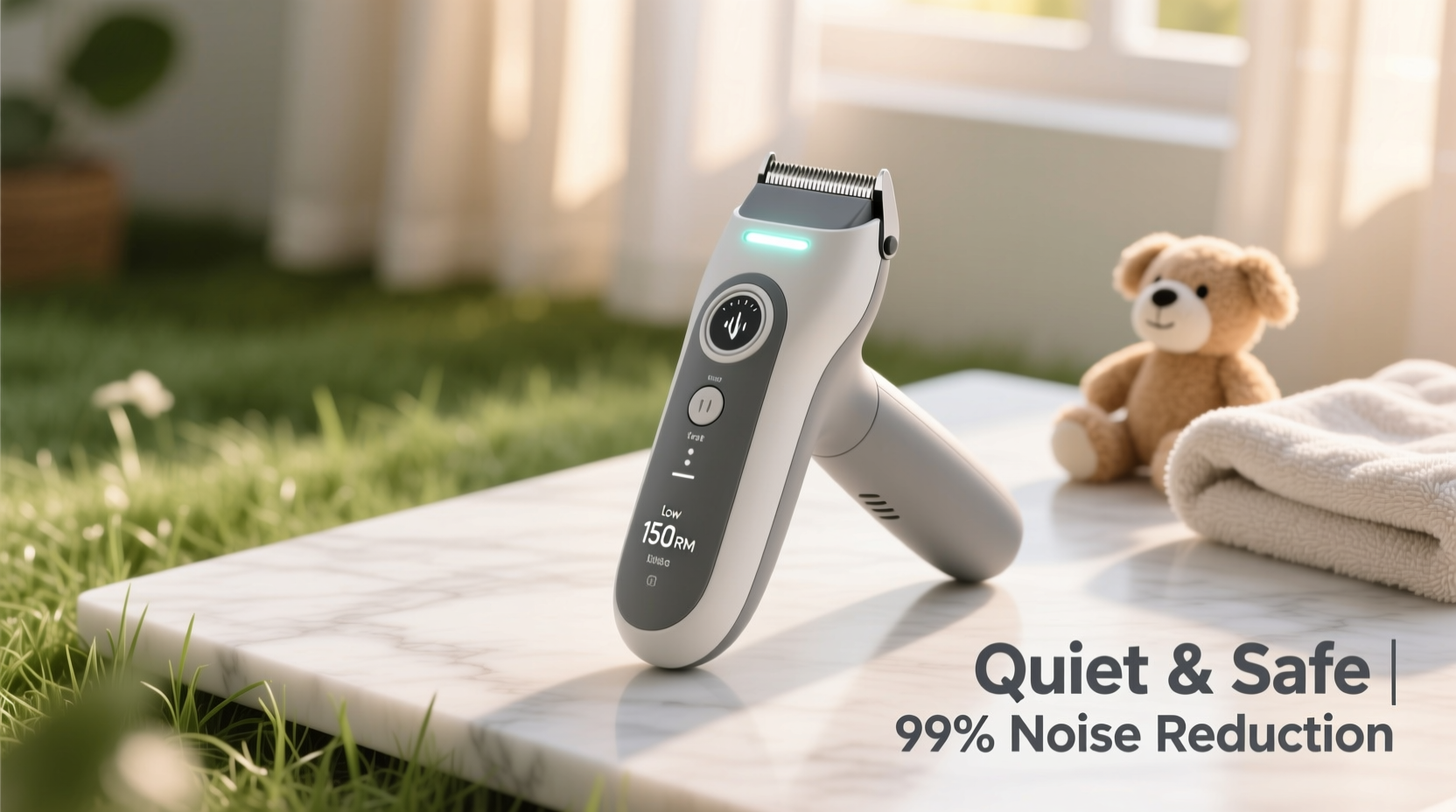
Dog nail clippers are common, but they come with limitations. Even experienced owners can accidentally cut the quick—the sensitive nerve and blood vessel inside the nail—leading to pain and bleeding. Grinders, on the other hand, file down the nail gradually, reducing the risk of injury. They also produce a smoother edge, which helps prevent snagging on carpets or furniture.
For anxious dogs, the sound and sudden pressure of clippers can trigger fear. Modern grinders are engineered to operate quietly and vibrate minimally, making them ideal for noise-sensitive breeds like Shih Tzus, Greyhounds, or rescue dogs with past trauma. When used consistently, grinders help desensitize pets to nail care, turning grooming from a struggle into a routine.
Tip: Introduce the grinder while turned off first—let your dog sniff it, touch it, and associate it with treats before powering it on.Key Features of the Best Dog Nail Grinders
Not all grinders are created equal. To ensure safety, effectiveness, and ease of use, prioritize these features when shopping:
- Low Noise Output (Under 65 dB): Quieter than a normal conversation, minimizing stress for noise-sensitive pets.
- Variable Speed Settings: Allows control based on your dog’s size, temperament, and nail thickness.
- LED Light Guide: Illuminates the nail to help avoid the quick, especially in dogs with dark nails.
- Ergonomic Design: Lightweight and non-slip grip for better control during use.
- Dust Collection System: Captures nail particles, keeping your space clean and reducing airborne debris.
- Rechargeable Battery: Eliminates cord restrictions and provides consistent power.
“Grinding is often the safest method for dogs with black nails where the quick isn’t visible. The gradual filing allows for real-time adjustments.” — Dr. Lisa Chen, DVM, Veterinary Behavior Specialist
Top 5 Quiet, Efficient, and Safe Dog Nail Grinders
| Model | Noise Level | Speed Settings | Safety Features | Best For |
|---|---|---|---|---|
| PetPals Turbo Nail Grinder | 62 dB | 2 speeds | LED light, low vibration, safety guard | Small to medium dogs, noise-sensitive pets |
| Boshel Dog Nail Grinder | 65 dB | 3 speeds | Adjustable angle head, dust collector | Larger breeds, thick nails |
| Dremel Paw Control Plus | 70 dB | 6 speeds | Smart sensor stops motor if overheating | Experienced users, multi-pet homes |
| Andis Pet Nail Grinder | 68 dB | 1 speed | Compact design, minimal heat buildup | Travel, quick trims |
| File & Go Rechargeable Grinder | 60 dB | 2 speeds | Whisper-quiet motor, soft-grip handle | Nervous dogs, senior pets |
The PetPals Turbo stands out for its near-silent performance and built-in LED, making it ideal for small breeds like Chihuahuas or Pomeranians. Meanwhile, the Boshel model handles thick mastiff or husky nails with ease thanks to its powerful motor and adjustable head. While the Dremel offers precision, its higher noise level may require extra acclimation time for skittish dogs.
Step-by-Step: How to Safely Use a Dog Nail Grinder
Even the best grinder requires proper technique. Follow this sequence to ensure a calm and effective session:
- Prepare the Environment: Choose a quiet room with good lighting. Have treats, a towel, and styptic powder nearby.
- Introduce the Tool: Let your dog inspect the grinder while off. Turn it on briefly at a distance, rewarding calm behavior.
- Restrain Gently: Use a helper or secure your dog on a non-slip mat. Hold the paw firmly but gently.
- Start Filing: Begin at a low speed. Approach the nail at a 45-degree angle, focusing on the tip.
- Watch for the Quick: In light-colored nails, stop when you see a small pink circle. For dark nails, file in short bursts and watch for a chalky smell or resistance change.
- Smooth All Edges: File each nail on multiple sides to eliminate sharp points.
- Reward Immediately: Offer praise and a treat after each nail or paw.
Real-World Example: Calming a Fearful Rescue Dog
Max, a 3-year-old mixed breed rescued from a shelter, flinched at any handling of his paws. His adoptive owner, Sarah, tried clippers once and triggered a panic response. She switched to the File & Go Rechargeable Grinder, starting with just holding the device near Max while giving chicken treats. Over five days, she powered it on for 5 seconds at a time. By week two, she touched the spinning bit to a toenail tip—no pressure. On day 15, Max allowed a full front paw grind with breaks and rewards. After six weeks, grooming became a peaceful ritual. “The quiet motor made all the difference,” Sarah said. “Now he even sits by the drawer when he sees me open it.”
Common Mistakes to Avoid
- Filing too long in one spot: Causes heat buildup and discomfort.
- Using high speed on sensitive dogs: Increases noise and vibration, escalating anxiety.
- Ignoring signs of stress: Panting, trembling, or pulling away means it’s time to stop.
- Skipping desensitization: Jumping straight to grinding creates negative associations.
- Not cleaning the grinder: Dust buildup reduces efficiency and can cause overheating.
FAQ
How often should I grind my dog’s nails?
Most dogs need grinding every 3–4 weeks. Active dogs who walk on pavement may require less frequent maintenance. Check monthly by listening for clicking on hard floors—that’s a sign they’re too long.
Can I use a human nail grinder on my dog?
No. Human grinders lack the torque needed for thick canine nails and often overheat. They also don’t have safety guards or pet-specific ergonomic designs, increasing the risk of slipping and injury.
Is grinding better than clipping for puppies?
Yes. Puppies adapt quickly to the sensation, and grinding helps build positive associations early. Start as young as 8–10 weeks using very low speed and lots of treats.
Final Checklist Before You Buy
- ✅ Does it operate below 65 dB?
- ✅ Is it rechargeable with at least 60 minutes of runtime?
- ✅ Does it include an LED light for visibility?
- ✅ Is the grip comfortable and non-slip?
- ✅ Can it handle your dog’s nail size and thickness?
- ✅ Is replacement sandpaper or drum readily available?
- ✅ Does it come with a warranty or customer support?
Conclusion
A quiet, efficient, and safe dog nail grinder transforms pet grooming from a chore into a bonding opportunity. The right model reduces stress for both pet and owner, promotes healthier nails, and prevents accidental injuries common with clippers. Whether you’re managing a nervous rescue, a large-breed dog with tough nails, or simply want a gentler routine, investing in a high-quality grinder pays off in comfort and confidence. Evaluate your pet’s needs, prioritize low noise and safety features, and introduce the tool gradually. With patience and the right equipment, nail care can become one of the most peaceful parts of your pet’s wellness routine.
💬 Have a favorite grinder or a success story with a fearful pet? Share your experience in the comments to help fellow pet owners find their perfect match!








