For pet owners balancing the needs of dogs and cats, a well-chosen dog door can make all the difference. While dogs benefit from the freedom to go outside independently, many cat owners worry about their feline companions sneaking out—or unwanted animals entering through the same access point. The solution lies in selecting a dog door that not only accommodates your dog’s size and habits but also includes secure locking mechanisms to keep cats safely inside and intruders out. This guide explores top models, key security features, and real-world strategies to help you make an informed decision.
Why Secure Dog Doors Matter for Multi-Pet Households
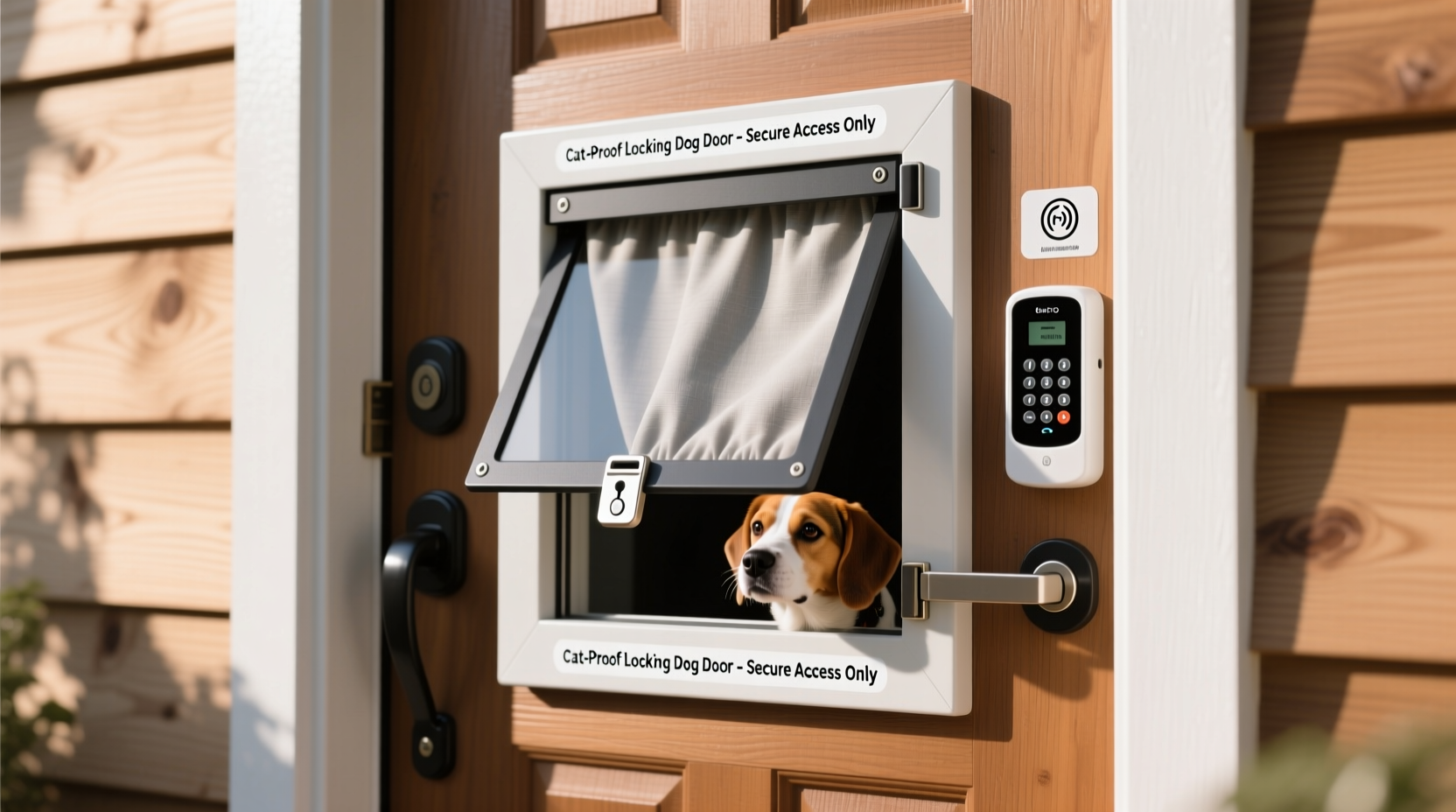
In homes with both dogs and cats, a standard dog door can become a vulnerability. Cats are naturally curious and may attempt to slip outside when the flap is open. Worse, neighborhood strays or wildlife could exploit a poorly secured entry. A high-quality dog door with advanced locking options prevents these risks while still offering convenience for your dog.
The ideal model balances accessibility and control. It should allow your dog to pass freely during designated times but lock securely at night or when supervision isn’t possible. Some doors even offer programmable access, ensuring only pets with compatible collars can trigger entry—keeping cats confined without physical barriers.
Tip: If your cat is prone to following your dog outside, choose a dog door with a full-locking mechanism rather than a simple sliding cover.Top 5 Dog Doors That Keep Cats Inside
Not all dog doors are created equal when it comes to containment and security. Below is a comparison of five leading models designed with pet separation and safety in mind.
| Model | Locking Type | Cat Containment? | Smart Features | Best For |
|---|---|---|---|---|
| PetSafe SmartDoor | Four-position lock + RFID access | Yes (locks fully) | Microchip/RFID recognition | High-security homes |
| Endura Flap Thermo Panel 3e | Magnetic + manual slide lock | Yes (when locked) | Weather-resistant design | Cold climates |
| SureFlap Dual Access Cat & Dog Door | Programmable lock + microchip ID | Yes (blocks non-registered pets) | Bi-directional pet control | Families with mixed pets |
| High Tech Pet Electronic Dog Door | Electronic lock + collar sensor | Yes (only unlocks for dog) | Auto-locks after use | Urban environments |
| Freedom Pet Pass Large Dog Door | Manual lock + optional electronic upgrade | Yes (with full lock) | Compatible with smart systems | Large breeds needing flexibility |
The PetSafe SmartDoor stands out for households prioritizing automation and precision. Its RFID technology reads your dog’s collar tag and opens only for authorized pets, automatically closing and locking afterward. This ensures cats cannot exit and stray animals cannot enter—even if they push against the flap.
Key Security Features to Look For
When evaluating dog doors for cat containment, focus on specific locking and operational features that enhance control.
- Four-way locking system: Allows open, in-only, out-only, and fully closed positions. Full closure is essential for keeping cats inside at night.
- Electronic access control: Uses collar-mounted sensors or microchip scanning to grant entry only to designated pets.
- Reinforced flaps: Durable, weather-resistant materials resist tampering by curious cats or external animals.
- Adjustable sensitivity: Prevents false triggers from wind or small animals pressing against the door.
- Audible alerts: Some models notify you via app when the door is used, helping monitor pet activity.
“Electronic pet doors with selective access have reduced escape incidents by over 70% in multi-pet homes.” — Dr. Lena Torres, Veterinary Behavior Specialist
Step-by-Step: Choosing and Installing the Right Door
Selecting and setting up a secure dog door involves more than just picking a model. Follow this sequence to ensure optimal performance and safety.
- Assess your pets’ behavior: Observe whether your cat shows interest in exiting. If so, prioritize full-lock or electronic models.
- Measure your dog: Choose a door height and width that allows comfortable passage without excess gap space.
- Determine installation location: Glass doors, walls, and exterior doors each require different mounting kits. Wall installations often provide better insulation and stability.
- Test locking mechanisms: Before finalizing, manually operate the lock to confirm it fully seals the opening.
- Train your dog: Use treats and repetition to teach your dog how to use the new door, especially if it’s electronic.
- Monitor initial use: Watch interactions between pets during the first few days to prevent cats from learning to follow closely behind.
Real Example: How the Johnson Family Regained Control
The Johnsons in suburban Denver struggled with their indoor cat, Luna, repeatedly escaping through the dog door meant for their Labrador, Max. After two close calls with traffic, they researched solutions and installed the SureFlap Dual Access Door. They programmed it to recognize Max’s microchip, blocking Luna automatically. At night, they engaged the full manual lock. Within a week, Luna stopped approaching the door entirely, having learned it no longer led outside. Max adapted quickly, and the family regained peace of mind.
This case illustrates how combining technology with behavioral consistency leads to lasting results. The initial investment paid off in reduced anxiety and eliminated vet visits related to outdoor exposure.
Checklist: Selecting a Cat-Safe Dog Door
Use this checklist before purchasing to ensure your choice meets all household needs:
- ✅ Has a full-closure locking option
- ✅ Compatible with your dog’s size and mobility
- ✅ Offers electronic or selective access (recommended)
- ✅ Made from durable, weatherproof materials
- ✅ Easy to clean and maintain long-term
- ✅ Includes warranty and customer support
- ✅ Suitable for your door or wall type (glass, wood, etc.)
FAQ
Can I train my cat not to use the dog door?
While possible, training isn’t always reliable. Cats are persistent, and visual cues like a moving flap can trigger instinctive exploration. A physically secure or electronically controlled door is a more dependable solution.
Will a locked dog door still protect against raccoons or other animals?
Yes—if the lock is fully engaged. Models like the Endura Flap with rigid panels and strong frames resist prying by wildlife. Avoid soft, single-flap designs in areas with frequent animal activity.
Are electronic dog doors safe for dogs with thick fur or sensitive necks?
Most modern collar sensors are lightweight and designed for comfort. However, check fit and monitor your dog for irritation during the first week of use. Some systems allow handheld activation as an alternative.
Final Thoughts and Next Steps
Finding the best dog door to keep cats inside with secure locking features doesn’t mean sacrificing convenience for your dog. With advancements in pet door technology, you can enjoy the best of both worlds: independence for your canine and safety for your feline. Prioritize models with proven locking systems, consider electronic access options, and install thoughtfully to match your home’s layout and pet dynamics.
💬 Have questions about securing your pet door? Share your experience or ask for advice in the comments below—we’re here to help every pet owner create a safer, smarter home.








