Guinea pigs are more than just adorable pets—they’re sensitive herbivores with specific nutritional needs that directly impact their longevity and quality of life. Unlike many small animals, they cannot synthesize vitamin C on their own, making proper diet not just important, but critical. A poorly balanced diet leads to dental issues, scurvy, digestive disorders, and even premature death. Understanding what to feed—and what to avoid—can transform your pet’s health.
The Foundation: What Guinea Pigs Must Eat Daily
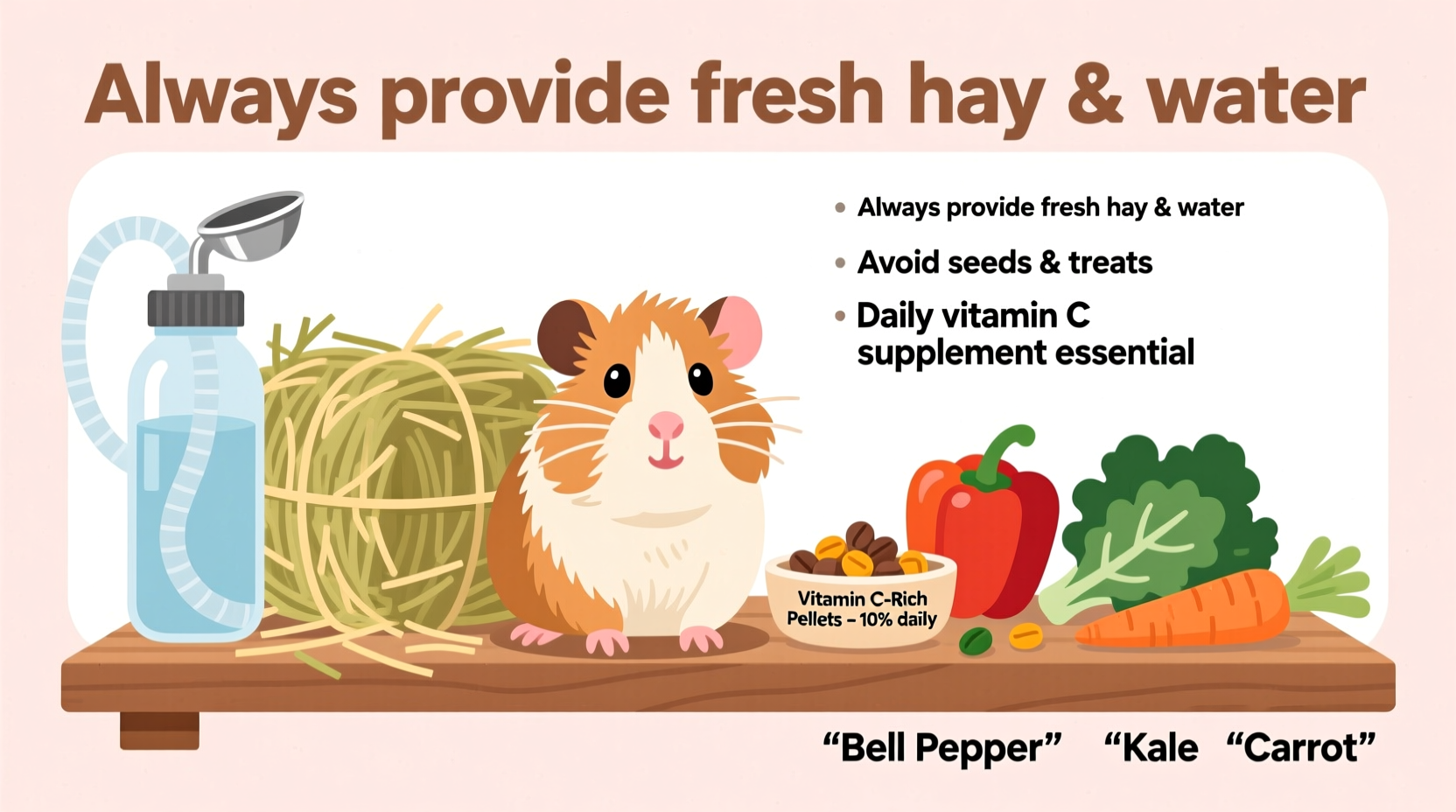
A guinea pig's diet should be based on three core components: hay, fresh vegetables, and a limited amount of fortified pellets. Water must always be available, clean, and refreshed daily.
- Hay (80% of diet): Timothy hay is the gold standard. It supports digestion, wears down continuously growing teeth, and provides essential fiber.
- Fresh vegetables (10–15%): Leafy greens like romaine lettuce, cilantro, and red or green bell peppers supply vital nutrients, especially vitamin C.
- Pellets (5% or less): Choose high-fiber, timothy-based pellets without seeds, nuts, or colorful additives. Limit to 1/8 cup per day per pig.
- Water: Fresh, filtered water in a sipper bottle or bowl, changed daily.
Vitamin C: The Lifeline Nutrient
Guinea pigs, like humans, cannot produce vitamin C. Without sufficient intake, they develop scurvy within weeks. Symptoms include lethargy, joint swelling, poor coat condition, and bleeding gums.
The recommended daily intake is 10–50 mg of vitamin C for adults, and up to 50 mg for pregnant, young, or ill guinea pigs. This must come from diet—not supplements, unless prescribed.
“Vitamin C deficiency is one of the most common causes of illness in captive guinea pigs. Prevention through diet is far more effective than treatment.” — Dr. Rebecca Sanders, Exotic Animal Veterinarian
| High Vitamin C Vegetables (per 100g) | Vitamin C (mg) | Recommended Serving |
|---|---|---|
| Red Bell Pepper | 127 mg | 1 small slice daily |
| Green Bell Pepper | 80 mg | 2–3 slices daily |
| Kale | 120 mg | 1 small leaf, 2–3 times/week |
| Broccoli (floret) | 89 mg | 1 small floret, 2 times/week |
| Romaine Lettuce | 24 mg | Daily base green |
Note: While kale and broccoli are rich in vitamin C, they also contain calcium and may contribute to bladder stones if fed too frequently. Rotate them into the weekly plan rather than offering daily.
Foods to Avoid: The Hidden Dangers
Many common human foods are toxic or harmful to guinea pigs. Even seemingly harmless items can disrupt gut flora or cause blockages.
| Food | Why It’s Harmful |
|---|---|
| Onions, garlic, leeks | Cause hemolytic anemia—damage to red blood cells |
| Avocado | High fat and contains persin, which is toxic |
| Iceberg lettuce | Low nutrition, high water—leads to diarrhea |
| Beans, peas, corn | Hard to digest, risk of bloating and gas |
| Sugary fruits (apple, banana) | Only as rare treats; high sugar causes obesity and dental issues |
| Processed foods (bread, crackers) | No nutritional value, may contain salt, sugar, preservatives |
Daily Feeding Routine: A Step-by-Step Guide
Maintaining consistency in feeding times and portions helps regulate digestion and prevents picky eating.
- Morning: Refresh hay supply. Offer 1/8 cup timothy pellets. Provide a measured portion of fresh vegetables (about 1 cup total).
- Midday: Check water bottle flow. Top off hay if needed.
- Evening: Remove any uneaten vegetables to prevent spoilage. Refill hay and inspect droppings for changes in size or consistency.
- Weekly: Rotate vegetable types to provide variety and balance. Weigh your guinea pig monthly to track health trends.
Always wash vegetables thoroughly under running water—even organic ones—to remove residues and bacteria.
Real-Life Example: Turning Around Poor Health
Sophie adopted two guinea pigs, Daisy and Clover, from a shelter. Both were underweight, had dull fur, and moved stiffly. After a vet visit, Clover was diagnosed with early-stage scurvy. Sophie switched their diet immediately: unlimited timothy hay, daily red bell pepper and romaine, and discontinued alfalfa-based pellets. Within three weeks, both pigs gained weight, became more active, and Clover’s mobility improved significantly. Bloodwork six weeks later confirmed recovery.
This case highlights how quickly dietary changes can reverse health decline when guided by accurate nutritional knowledge.
Essential Care Checklist
Use this checklist weekly to ensure your guinea pig receives optimal food care:
- ✅ Unlimited access to fresh timothy hay
- ✅ 1/8 cup timothy-based pellets per day
- ✅ 1 cup mixed fresh vegetables daily (include vitamin C source)
- ✅ Clean, fresh water available at all times
- ✅ Uneaten veggies removed after 12 hours
- ✅ No toxic or sugary foods offered
- ✅ Monthly weight check using a kitchen scale
- ✅ Diet rotated weekly to prevent boredom and nutrient imbalance
Frequently Asked Questions
Can guinea pigs eat fruit?
Yes, but only occasionally—as a treat once or twice a week. Small portions of apple, pear, or berries are safe. Avoid citrus fruits, which can irritate their mouths. Always remove seeds, which are toxic.
How do I know if my guinea pig isn’t getting enough vitamin C?
Signs include reluctance to move, swollen joints, rough coat, loss of appetite, and bleeding gums. If you suspect deficiency, consult a veterinarian immediately. Early intervention prevents irreversible damage.
Is alfalfa hay good for guinea pigs?
Only for young, pregnant, or recovering guinea pigs due to its high calcium and protein content. For adults, alfalfa can lead to bladder stones and obesity. Stick with timothy hay for long-term health.
Conclusion: Nourish for a Lifetime of Vitality
The best diet for guinea pigs isn’t complicated—but it is precise. By prioritizing hay, delivering consistent vitamin C through fresh vegetables, avoiding dangerous foods, and maintaining routine care, you give your pet the foundation for a vibrant, energetic life that can span 5 to 8 years—or longer. These small creatures depend entirely on their caregivers for survival. Every meal is an opportunity to support their well-being.
🚀 Take action today: Audit your guinea pig’s current diet using the checklist above. Swap out unsafe foods, add a vitamin C-rich veggie, and watch their energy and coat improve within days. Share your journey with fellow owners—your insight could save another pig’s life.








