
German Shepherds are powerful, intelligent dogs with strong jaws and a natural instinct to chew. Providing them with appropriate chew bones isn't just about keeping them occupied—it's essential for their dental health, mental stimulation, and overall well-being. However, not all bones are created equal. The wrong choice can lead to broken teeth, digestive issues, or even life-threatening obstructions. This guide focuses on identifying the best bones for German Shepherd dogs: options that are both durable enough to withstand their powerful bite and safe enough to prevent harm.
Dental Health and Chewing Behavior in German Shepherds
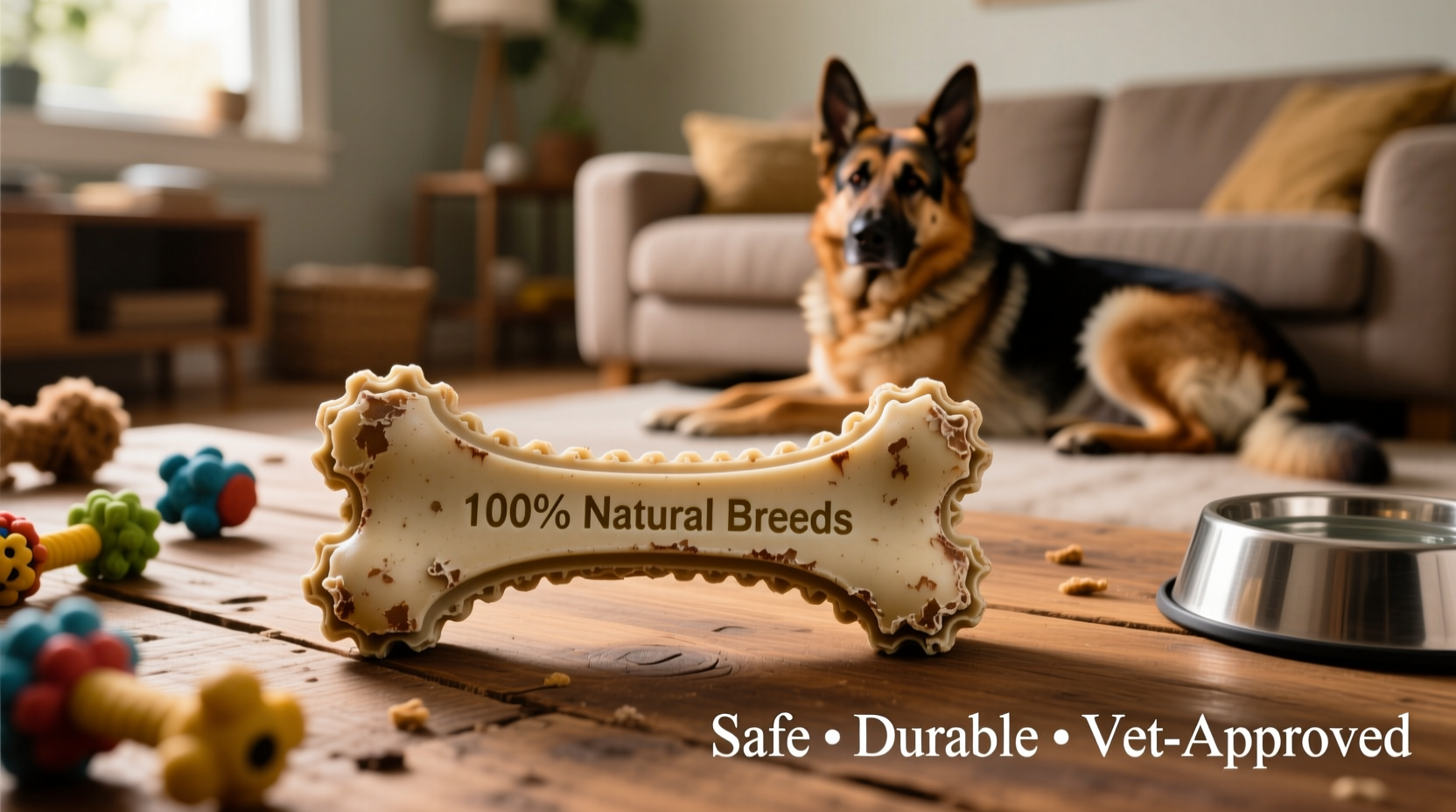
Chewing is more than a pastime for German Shepherds; it’s a biological necessity. Regular chewing helps reduce plaque and tartar buildup, which is especially important for large breeds prone to periodontal disease. In addition, the act of gnawing stimulates endorphin release, helping dogs manage stress and anxiety.
German Shepherds typically weigh between 50 and 90 pounds and possess a bite force exceeding 230 PSI—stronger than many other breeds. This means they can easily splinter raw bones or destroy low-quality synthetic chews. The ideal bone must resist fracturing while offering a satisfying texture and long-lasting engagement.
“Choosing the right chew is as critical as selecting proper nutrition. A poor choice can result in emergency vet visits.” — Dr. Laura Simmons, DVM, Canine Dental Specialist
Types of Chew Bones: Pros, Cons, and Safety
Bones fall into three main categories: natural, processed, and synthetic. Each has benefits and risks, particularly when used by a large, aggressive chewer like a German Shepherd.
| Type | Examples | Pros | Cons | Safety Rating |
|---|---|---|---|---|
| Natural Raw Bones | Beef femur, knuckle, marrow bones | Nutrient-rich, satisfying texture | Can splinter, risk of choking or intestinal blockage | Moderate (supervised use only) |
| Processed Animal-Based | Pizzle sticks, bully sticks, tendons | Digestible, high-protein, less likely to splinter | Can be too soft for heavy chewers | High |
| Synthetic/Plastic | Nylabone DuraChew, Kong Extreme | Extremely durable, reusable, designed for power chewers | Not edible; must be monitored for flaking | High (if non-toxic materials) |
| Antlers & Hooves | Elk antler, cow hooves | Virtually indestructible | Very hard—risk of tooth fractures | Low to Moderate |
Top 5 Recommended Bones for German Shepherds
- Beef Femur Bone (Raw, Uncooked): Dense and thick, this bone resists cracking under pressure. Choose a size larger than your dog’s mouth to prevent swallowing. Best served frozen or refrigerated to reduce bacterial risk.
- Bully Sticks (Thick, 12-inch+): Made from dried bull penis, these are highly digestible and long-lasting. Opt for single-origin, grass-fed varieties to avoid additives.
- Kong Extreme Rubber Toy: Not a bone per se, but an excellent chew alternative. Fill with peanut butter or yogurt and freeze for extended engagement. Resistant to punctures and safe for daily use.
- Beef Tendons: Naturally tough connective tissue that cleans teeth while being fully digestible. Less odor than bully sticks and less likely to stain carpets.
- Nylabone DuraChew Textured Ring: Designed specifically for power chewers. Infused with flavor to encourage use and made from non-toxic, flexible nylon that mimics real bone texture.
Real Example: Managing a Heavy Chewer
Max, a 3-year-old male German Shepherd from Colorado, had destroyed multiple rubber toys and once required surgery after ingesting a piece of cooked chicken bone. His owner, Sarah, consulted her veterinarian and switched to a rotation system: raw beef femurs twice a week, thick bully sticks on alternate days, and a Kong filled with frozen banana and yogurt for mental stimulation. Within a month, Max’s destructive behavior decreased, his breath improved, and his annual dental checkup revealed significantly less tartar buildup. The key was consistency, supervision, and choosing chews that matched his strength and digestion needs.
Step-by-Step Guide to Introducing New Chew Bones
Introducing a new chew safely ensures your German Shepherd benefits without risk. Follow this timeline:
- Day 1: Offer the chew for 10–15 minutes under direct supervision. Watch for aggressive biting or attempts to swallow large fragments.
- Day 2–3: Extend session to 20–30 minutes. Inspect the chew afterward for sharp edges or breakage.
- Day 4–7: Gradually increase duration if no issues arise. Store the chew in the refrigerator between uses if organic.
- Weekly: Replace natural chews every 5–7 days or sooner if worn. Synthetic chews should be retired if flaking or cracked.
Checklist: Selecting a Safe and Durable Chew
- ✅ Appropriate size—larger than the dog’s mouth
- ✅ No small parts that can be bitten off and swallowed
- ✅ Free from artificial preservatives, colors, or chemicals
- ✅ Suitable hardness—not so hard it risks tooth damage
- ✅ Easily cleanable (for reusable synthetic options)
- ✅ Sourced from reputable manufacturers with transparency
- ✅ Vet-approved for large, aggressive chewers
Frequently Asked Questions
Are antlers safe for German Shepherds?
While elk or deer antlers are extremely durable, they are also very hard—harder than a dog’s tooth enamel. Frequent use can lead to fractured molars or gum injuries. If used at all, limit sessions to 15–20 minutes and inspect regularly for sharp points.
Can I give my German Shepherd cooked bones?
No. Cooked bones, especially poultry or pork, become brittle and splinter easily. These shards can cause internal lacerations, blockages, or perforations. Only offer raw bones, and even then, with caution and supervision.
How often should my German Shepherd chew?
Daily chewing is beneficial, but limit each session to 30–60 minutes to prevent overuse injuries or gastrointestinal upset. Use chews as part of a balanced routine that includes exercise and training.
Final Recommendations and Precautions
The best bones for German Shepherd dogs balance durability, safety, and dental benefits. Prioritize natural, digestible chews like thick bully sticks or beef tendons for everyday use, and reserve raw beef femurs for supervised weekend treats. For indestructible options, trusted brands like Kong and Nylabone offer specially engineered products for power chewers.
Avoid anything that can splinter, is overly dense, or contains harmful additives. Always match the chew to your dog’s size, age, and chewing habits. Puppies need softer options, while adults require more resistance.
“The goal isn’t to find the toughest chew, but the smartest one—one that satisfies the dog without compromising safety.” — Dr. Alan Reeves, Veterinary Behaviorist
Take Action Today for a Healthier, Happier Dog
Your German Shepherd deserves chews that support their health, not endanger it. Start by auditing what you currently offer. Replace risky items like cooked bones or hooves with safer, vet-recommended alternatives. Implement a rotation system to keep things interesting and monitor your dog closely during chew time. Small changes today can prevent emergencies tomorrow and promote a lifetime of strong teeth and joyful gnawing.
💬 Have a favorite chew that survived your German Shepherd’s jaws? Share your experience in the comments and help fellow owners make smarter choices!








