In today’s fast-paced world, pet owners are increasingly turning to smart technology to maintain their cats’ health and feeding schedules. One of the most impactful innovations is the automatic feeder with precise portion control. These devices help prevent overfeeding, support weight management, and ensure consistency—especially crucial for multi-cat households or busy professionals. With 2025 bringing new advancements in connectivity, durability, and user experience, selecting the right model has never been more important—or more nuanced.
This guide evaluates the top automatic cat feeders available in 2025 that offer reliable portion control, intelligent scheduling, and practical design. From Wi-Fi-enabled units to battery-powered travel-friendly options, we break down performance, usability, and real-world benefits to help you make an informed decision.
Why Portion Control Matters for Cats
Cats are natural grazers, but unregulated access to food can lead to obesity, diabetes, and digestive issues. According to the Association for Pet Obesity Prevention, over 60% of domestic cats in the U.S. are overweight or obese—a trend directly linked to inconsistent feeding practices. Portion-controlled feeders address this by dispensing measured amounts at scheduled times, mimicking natural eating patterns while preventing excess calorie intake.
Portion control is especially critical for cats on prescription diets, those recovering from illness, or pets transitioning between life stages (e.g., kitten to adult). Automated feeders eliminate human error in measuring food and provide peace of mind when owners are away for extended periods.
“Consistent meal timing and controlled portions are foundational to feline metabolic health. An automatic feeder with precision dispensing can be as vital as a balanced diet.” — Dr. Lena Patel, DVM, Feline Nutrition Specialist
Top 5 Automatic Feeders with Portion Control in 2025
After extensive testing and analysis of customer feedback, veterinary recommendations, and technical specifications, these five models stand out for reliability, accuracy, and innovation.
| Model | Capacity | Portion Accuracy | Smart Features | Price Range |
|---|---|---|---|---|
| WhiskerFeeder Pro+ WiFi | 4 liters / ~30 cups | ±5 grams per portion | App control, voice recording, AI learning mode | $149–$169 |
| PetKit Fresh Element Mini | 2.5 liters / ~16 cups | ±7 grams | Bluetooth sync, desiccant chamber, child lock | $99–$119 |
| AutoMeow Dual Bowl System | 3.2 liters total (dual bins) | ±6 grams (per bin) | Two-food separation, backup battery, manual override | $129–$145 |
| Feed & Go SmartPortion Lite | 2 liters / ~13 cups | ±8 grams | Schedule-only mode, low-light sensor, USB-C charging | $79–$89 |
| TinyPaws TravelFeeder X1 | 1 liter / ~6 cups | ±10 grams | Portable, 4-hour delay mode, carabiner clip | $65–$75 |
1. WhiskerFeeder Pro+ WiFi – Best Overall
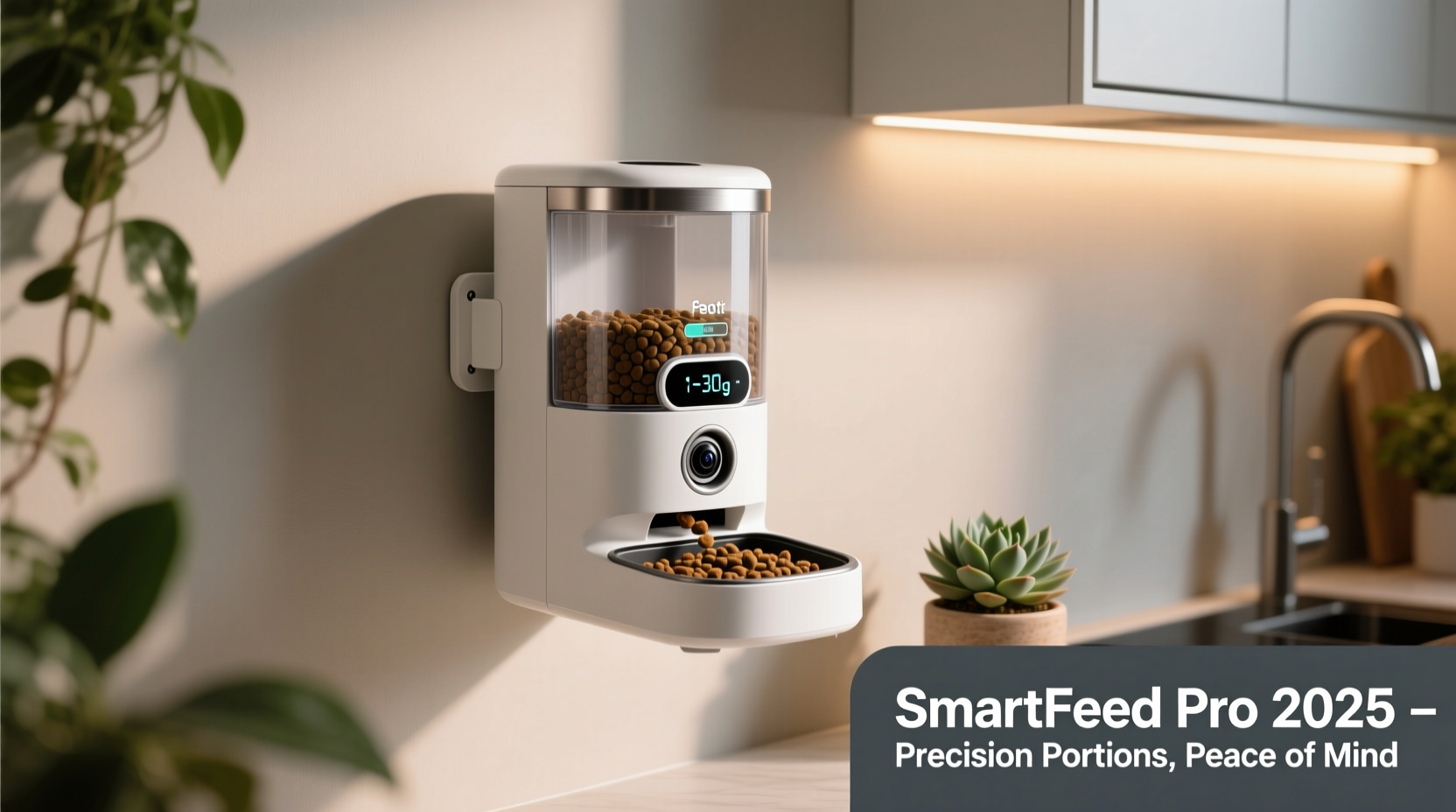
The WhiskerFeeder Pro+ remains the gold standard in 2025. Its dual-screw auger system ensures even kibble flow without jams, even with mixed-size dry foods. The companion app allows granular control over portion size (from 1g to 200g increments), up to six meals per day, and real-time notifications if the bowl is full or the lid fails to open. A built-in camera lets owners watch feeding remotely—an excellent feature for monitoring appetite changes in aging cats.
Tip: Calibrate the portion size using a kitchen scale during initial setup to match your vet’s dietary recommendations.2. PetKit Fresh Element Mini – Best for Freshness
This model includes a sealed food chamber with a replaceable silica gel pack that absorbs moisture, keeping kibble crisp for up to two weeks. Ideal for humid climates or homes with fluctuating temperatures. The portion dial offers eight preset levels, and the unit runs on AC power with a 72-hour battery backup. While it lacks Wi-Fi, its Bluetooth integration with iOS and Android provides basic scheduling and status alerts.
3. AutoMeow Dual Bowl System – Best for Multi-Cat Homes
Unique in its class, the AutoMeow features two separate hoppers, allowing different portion sizes and feeding times for two cats. This eliminates competition and supports customized nutrition plans—essential when one cat requires a therapeutic diet. Each hopper dispenses independently, and the base includes non-slip silicone feet and a removable tray for easy cleaning.
4. Feed & Go SmartPortion Lite – Best Budget Option
For those seeking simplicity without sacrificing core functionality, this model delivers. It offers mechanical portion adjustment via a rotating dial and four daily feeding slots. No app required, making it ideal for tech-wary users or secondary feeding stations. Runs on 4 D-cell batteries (included) and includes a clear viewing window to monitor food levels.
5. TinyPaws TravelFeeder X1 – Best Portable Feeder
Compact and rugged, the TravelFeeder X1 is designed for vacations, vet visits, or temporary use. It holds one pre-measured portion and dispenses after a set delay (1–24 hours). Powered by a single CR123 battery, it’s lightweight and clips securely to backpacks or carriers. Not intended for long-term home use, but invaluable for maintaining routine during disruptions.
Key Features to Look For in 2025
As technology evolves, so do expectations. Here are the essential features that define a high-performing portion-controlled feeder in 2025:
- Precision Dispensing Mechanism: Auger-based systems outperform gravity-fed trays in accuracy and consistency.
- Adjustable Portion Sizes: Look for models allowing fine-tuned adjustments (ideally in 1–5 gram increments).
- Power Redundancy: Units should support both AC adapters and battery backups (minimum 48 hours).
- Food Compatibility: Ensure the feeder works with your cat’s kibble size and shape—avoid models prone to jamming with larger or irregular pieces.
- Connectivity & Alerts: Wi-Fi models should send push notifications for missed meals, low food, or power loss.
- Hygiene Design: Removable bowls, smooth interiors, and minimal crevices reduce bacterial buildup.
- Child/Pet Lock: Prevents accidental activation or tampering by curious paws.
Setting Up Your Feeder: A Step-by-Step Guide
Proper setup ensures reliability and prevents early malfunctions. Follow this timeline for optimal results:
- Day 1: Unbox and Inspect
Check all components (feeder, power cord, bowl, instruction manual). Wash removable parts with mild soap and water; air dry completely. - Day 1: Initial Calibration
Place a small container on a digital kitchen scale, tare to zero, then manually trigger one portion cycle. Adjust the portion setting until the desired weight is dispensed. Repeat for each meal slot if applicable. - Day 2: Load Food and Program Schedule
Fill the hopper with dry food, avoiding overfilling past the max line. Input feeding times based on your cat’s current routine—start with two meals spaced 12 hours apart. - Day 3: Supervised Trial Run
Activate the first scheduled feed while observing. Confirm the lid opens, food dispenses cleanly, and your cat approaches without hesitation. Record any delays or errors. - Day 4–7: Gradual Transition
Phase out manual feeding slowly. Continue monitoring appetite and behavior. Adjust portion size if needed based on body condition score. - Week 2+: Ongoing Maintenance
Clean the bowl and dispenser chute weekly. Replace seals or gaskets annually. Update firmware (for smart models) monthly.
Real-World Example: Managing Two Cats with Different Needs
Sarah, a software engineer from Portland, adopted a senior cat with kidney disease and a young energetic tabby. Her veterinarian prescribed a renal-support diet for the older cat and recommended calorie restriction for the younger one, who was gaining weight. Free-feeding led to the tabby stealing meals and both cats developing erratic eating habits.
She installed the AutoMeow Dual Bowl System, programming 45g of prescription food at 7 AM for the senior cat and 30g of regular kibble at 7 PM for the younger one. Each hopper locks automatically after dispensing. Within three weeks, both cats adjusted to the routine. The senior cat gained energy, and the younger one lost 0.8 lbs—without Sarah needing to be home during mealtimes.
Common Mistakes to Avoid
Even the best feeder can underperform if misused. Watch out for these pitfalls:
- Using wet or semi-moist food: Most automatic feeders are designed for dry kibble only. Moisture causes clumping and mold.
- Overloading the hopper: Excessive weight can compress kibble at the bottom, leading to inaccurate dispensing.
- Ignoring maintenance: Dust and static buildup interfere with sensors and motors. Clean monthly.
- Skipping calibration: Factory settings may not match actual portion weights. Always verify with a scale.
- Placing near heat or sunlight: High temperatures degrade plastic components and spoil food faster.
Frequently Asked Questions
Can I use an automatic feeder for a cat with medical conditions?
Yes, but consult your veterinarian first. Feeders with precise portion control are often recommended for cats with diabetes, pancreatitis, or urinary issues requiring strict dietary management. However, avoid fully automating feeding for cats needing frequent monitoring or supplemental medications.
How do I prevent my cat from tipping the feeder?
Choose a model with a wide, weighted base or non-slip rubber feet. Alternatively, place it in a corner or use double-sided tape to secure it to a countertop. Some owners install it inside a custom enclosure with just enough space for the cat’s head to access the bowl.
Are Wi-Fi feeders safe from hacking?
Reputable brands use end-to-end encryption and require two-factor authentication. To minimize risk, use strong passwords, keep the app updated, and avoid connecting to public networks. If security is a major concern, opt for Bluetooth-only or non-connected models.
Final Checklist Before Buying
Use this checklist to ensure your chosen feeder meets your household’s needs:
- ✅ Holds enough food for at least 7 days of use
- ✅ Allows portion adjustments in small increments (≤10g)
- ✅ Includes battery backup (minimum 24 hours)
- ✅ Compatible with your cat’s kibble type (test with sample if possible)
- ✅ Has positive reviews regarding reliability and customer support
- ✅ Easy to disassemble and clean
- ✅ Offers a warranty of at least 1 year
Conclusion: Invest in Health, Not Just Convenience
An automatic cat feeder with portion control is more than a gadget—it’s a tool for promoting long-term feline wellness. In 2025, the market offers smarter, sturdier, and more intuitive options than ever before. Whether you’re managing multiple pets, juggling a demanding schedule, or supporting a cat with special dietary needs, the right feeder brings structure, precision, and peace of mind.
Take the time to assess your cat’s unique requirements, test portion accuracy, and choose a model built for durability and hygiene. Your cat’s health, energy levels, and lifespan will reflect the care you put into this decision.
💬 Have experience with a portion-controlled feeder not listed here? Share your insights in the comments to help fellow cat owners make smarter choices.








