
In multi-cat homes, managing mealtime can quickly become a logistical challenge—especially when each cat requires a different diet due to age, health conditions, or weight management needs. Free-feeding often leads to overeating, food theft, and nutritional imbalances. The solution? Automatic cat feeders designed specifically for multiple cats with customized feeding schedules and portion control.
The right feeder doesn’t just dispense food—it enforces dietary boundaries, reduces stress around mealtimes, and gives pet owners peace of mind when traveling or working long hours. However, not all feeders are created equal. For households where one cat needs grain-free kibble while another eats prescription formula, choosing a reliable, intelligent system is essential.
Why Standard Feeders Fall Short in Multi-Cat Homes
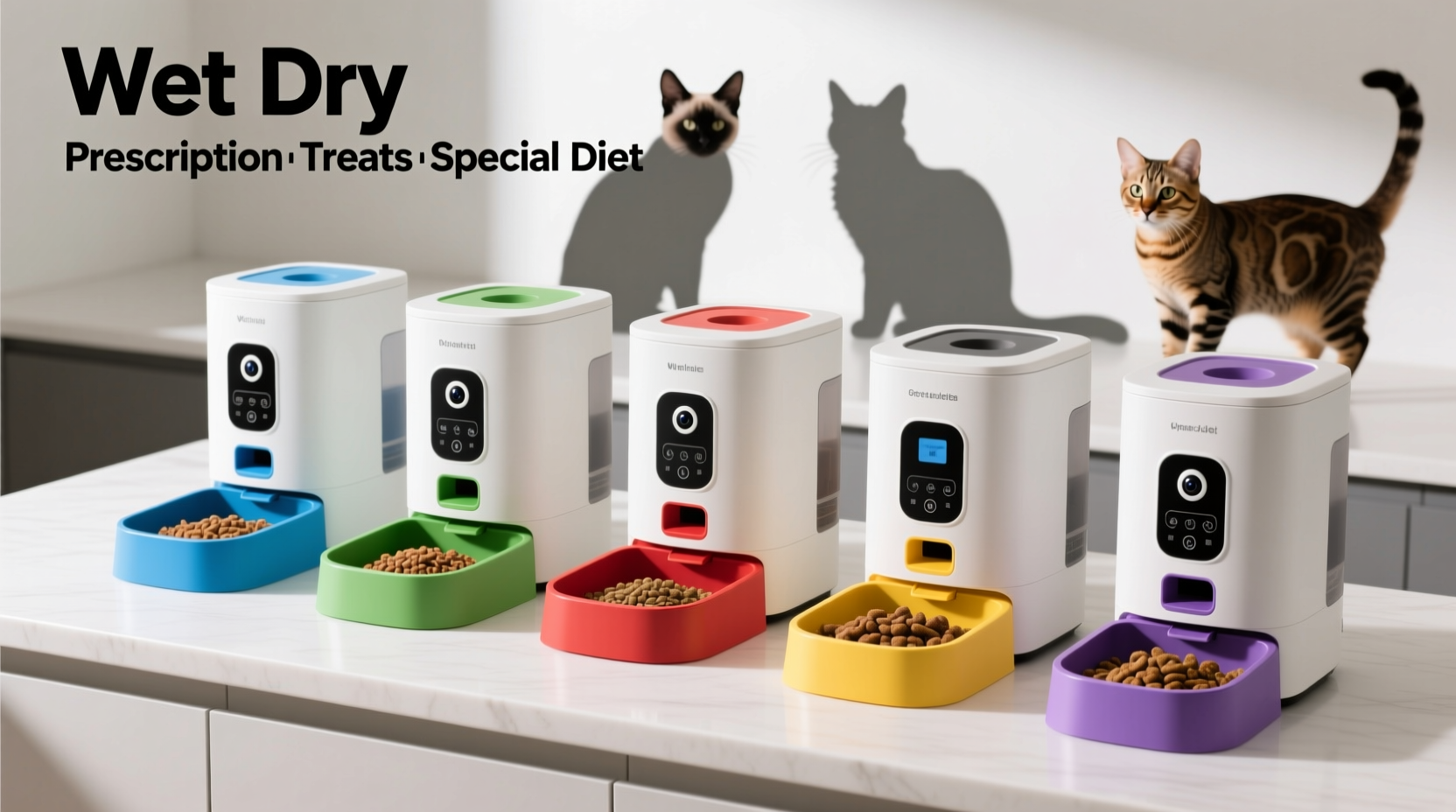
Generic automatic feeders typically operate on a set timer and dispense the same food to all nearby cats. This one-size-fits-all approach fails in homes where:
- Cats have medical conditions like diabetes, kidney disease, or allergies requiring specific diets.
- One cat is overweight and needs portion control while others eat freely.
- Kittens, adults, and seniors live together, each needing age-appropriate nutrition.
- Food guarding or competitive eating behaviors create tension at mealtimes.
Without safeguards, dominant cats may consume multiple portions, leaving underfed or shy eaters malnourished. Over time, this imbalance contributes to obesity in some and muscle wasting in others.
“Cats are solitary hunters by nature. When forced to share food resources, even well-socialized cats experience stress that affects digestion and behavior.” — Dr. Lena Patel, Feline Behavior Specialist
Key Features to Look for in a Multi-Cat Feeder
Selecting the right automatic feeder means prioritizing precision, security, and flexibility. Here’s what matters most:
1. RFID or App-Based Port Control
The gold standard for multi-cat households is a feeder equipped with RFID (Radio-Frequency Identification) technology. Each cat wears a microchip-enabled collar tag or has a chipped ID that unlocks only their designated feeder port. This prevents cross-feeding and ensures strict diet adherence.
2. Dual or Multi-Compartment Design
Some advanced models feature two separate hoppers, allowing you to load different kibble types simultaneously. One side can hold urinary health formula while the other dispenses high-protein kitten food—all within a single unit.
3. Mobile App Integration
A robust app lets you schedule meals remotely, monitor feeding history, receive low-food alerts, and adjust portions in real time. Ideal for adjusting routines during travel or vet-recommended diet changes.
4. Battery Backup & Power Stability
Power outages happen. A good feeder includes battery backup (typically 4–6 AA batteries) to maintain operation and prevent missed meals.
5. Voice Recording Capability
Many cats respond to auditory cues. Feeders with built-in voice recording allow you to play a personalized call (“Dinner time, Whiskers!”), reducing anxiety and helping each cat identify their meal moment.
Tip: Introduce new feeders gradually. Let cats explore the device with treats before activating timed or RFID modes to reduce fear-based avoidance.Top 5 Automatic Cat Feeders for Multi-Cat Households
| Feeder Model | Key Feature | Diet Flexibility | Smart Connectivity | Best For |
|---|---|---|---|---|
| PetKit Fresh Element Mini | RFID collar tags + dual compartments | ★★★★★ | Wi-Fi app control, feeding logs | Homes with 2 cats on different diets |
| Whiscat Feeder Pro | AI-powered facial recognition | ★★★★☆ | App scheduling, real-time alerts | 3+ cat households avoiding collars |
| Vidafit SmartFeeder Dual | Two independent dispensing units | ★★★★★ | Bluetooth + app, voice message | Cats needing completely separate setups |
| Arf Pets AutoMeal Duo | Timer-based dual hopper | ★★★☆☆ | Limited app support | Budget-conscious owners with simple splits |
| MeowMate AI Feeder X3 | RFID + camera + treat dispenser | ★★★★☆ | Full app suite, video monitoring | Owners wanting surveillance & control |
PetKit Fresh Element Mini – Best Overall
This compact yet powerful feeder supports up to two cats via RFID tags. Each compartment holds 4 liters and dispenses precise amounts based on individual profiles. The app tracks every meal and sends push notifications if a cat skips eating—critical for monitoring health changes.
Whiscat Feeder Pro – Most Innovative
Using facial recognition instead of collars, this model identifies each cat approaching the unit. It's ideal for cats that resist wearing tags or lose them frequently. While slightly pricier, its AI learning improves accuracy over time.
Vidafit SmartFeeder Dual – Maximum Diet Separation
Essentially two smart feeders fused into one chassis, this model allows entirely independent programming. Perfect when one cat needs medicated food and another eats raw kibble. No risk of mechanical crossover.
Step-by-Step: Setting Up an RFID Feeder for Multiple Cats
Proper setup ensures smooth adoption and accurate feeding. Follow this timeline:
- Day 1: Unbox and place the feeder in a quiet, familiar area. Leave it powered but inactive. Let cats investigate freely.
- Day 2: Load dry food into the hopper(s). Manually open the tray several times with treats inside to build positive association.
- Day 3: Program each cat’s RFID tag into the app. Assign names, weights, and meal plans. Start with manual dispensing using the app button.
- Day 4–5: Activate scheduled feeding. Begin with one daily meal to observe interactions. Watch for attempts by non-approved cats to access food.
- Day 6–7: Add second meal. Adjust portion sizes based on consumption and vet recommendations. Review app logs for missed meals or errors.
- Ongoing: Clean trays weekly, replace desiccant packs monthly, and update feeding plans as health needs evolve.
Real Example: Managing Diabetes and Weight in a 3-Cat Home
Sarah from Portland lives with three cats: Miso (diabetic), Tofu (overweight), and Soba (healthy adult). Before getting a PetKit feeder, she struggled with Miso stealing Tofu’s prescription food and Soba hoarding treats.
She programmed the dual-compartment PetKit with Miso’s low-carb kibble on one side and Tofu’s calorie-controlled blend on the other. Each cat was assigned an RFID tag. Now, Miso eats precisely at 7 AM and 7 PM, Tofu gets smaller portions twice daily, and Soba enjoys free feeding from a separate puzzle bowl.
Within six weeks, Miso’s glucose levels stabilized, Tofu lost 0.8 lbs, and mealtime aggression dropped by 90%. Sarah says, “It’s the first time I’ve felt confident leaving them alone for 48 hours.”
Checklist: Choosing & Using Your Multi-Cat Feeder
- ☐ Confirm each cat can wear an RFID collar tag or accept facial scanning.
- ☐ Measure your cats’ current food intake to program accurate portions.
- ☐ Choose a location with stable Wi-Fi signal (for app-connected models).
- ☐ Test battery backup function during initial setup.
- ☐ Schedule staggered feeding times if cats are anxious about proximity.
- ☐ Set up maintenance reminders for cleaning and desiccant replacement.
- ☐ Share app access with family members or pet sitters.
Frequently Asked Questions
Can automatic feeders handle wet food?
No mainstream model reliably dispenses wet food due to spoilage and clogging risks. These feeders are designed for dry kibble only. If your cat requires wet food, consider timed warming trays used alongside dry feeders, but supervise closely.
What if my cat loses their RFID tag?
Most systems allow temporary override via the app or manual release. Keep spare tags on hand and train your cat to recognize voice cues so you can guide them during transitions. Some apps let you temporarily disable RFID for troubleshooting.
Are these feeders safe for kittens?
Yes, but ensure the portion size is appropriate and the mechanism doesn’t pose a paw-trapping hazard. Kittens need frequent meals—some feeders allow up to six daily servings. Always consult your vet before automating a kitten’s diet.
Final Recommendations and Next Steps
For multi-cat households with diverse dietary needs, investing in a smart, secure automatic feeder isn’t a luxury—it’s a necessity for long-term feline wellness. The PetKit Fresh Element Mini stands out for its balance of affordability, reliability, and true dual-diet capability. For tech-forward homes, the Whiscat Feeder Pro offers collar-free convenience through facial recognition.
Start by evaluating your cats’ individual nutritional requirements and behavioral tendencies. Then match those needs to a feeder with proven controls against food theft and scheduling flexibility. Introduce the device slowly, track results, and adjust as needed.
🚀 Ready to bring peace back to your pet’s mealtimes? Research one of the top-rated feeders today, read verified owner reviews, and take the first step toward stress-free, personalized feeding for every cat in your home.








