
Maintaining a clean, balanced environment in a 10-gallon aquarium is essential for the health of your fish and the clarity of your water. While small tanks are often seen as beginner-friendly, they actually require more precise maintenance due to limited water volume and faster fluctuations in water chemistry. One of the most critical components in achieving stable conditions is choosing the right filter. The best aquarium filter for 10 gallon tank isn’t just about power—it’s about efficiency, ease of use, and compatibility with your setup.
A good filter performs three types of filtration: mechanical (trapping debris), chemical (removing toxins like ammonia and odors), and biological (cultivating beneficial bacteria). For a 10-gallon tank, over-filtration is preferable to under-filtration, especially if you keep messy species like goldfish or bettas. This guide explores top-performing filters, key selection criteria, and real-world considerations to help you make an informed decision.
Key Factors When Choosing a Filter for a 10-Gallon Tank
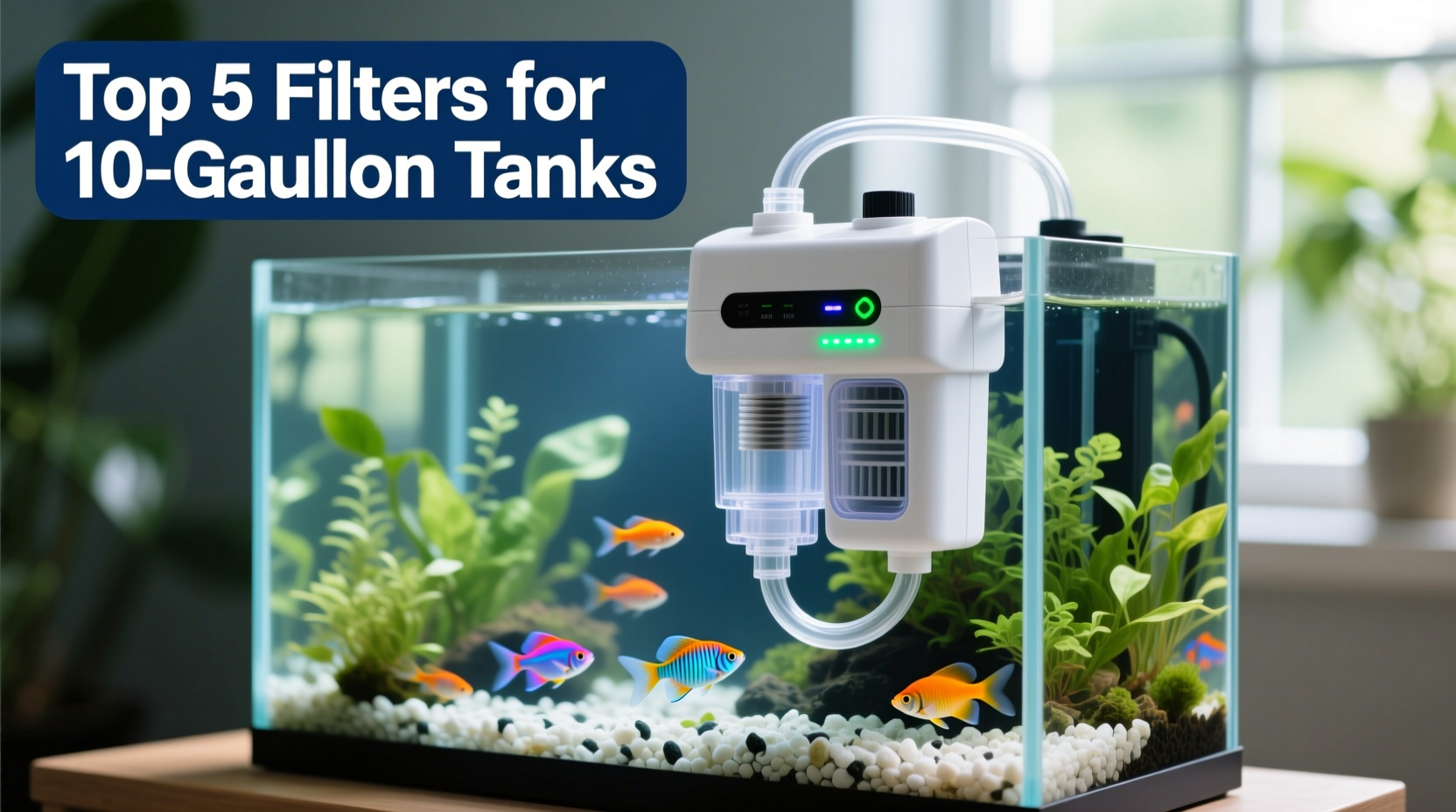
Selecting the right filter involves more than just matching the tank size. Several factors influence performance and suitability:
- Flow Rate (GPH): A general rule is that the filter should circulate the entire tank volume at least four times per hour. For a 10-gallon tank, this means a minimum of 40 GPH (gallons per hour).
- Filtration Type: Canister filters offer superior performance but are oversized for 10-gallon tanks. Hang-on-back (HOB), sponge, and internal filters are more appropriate.
- Noise Level: Smaller tanks are often placed in bedrooms or offices, so quiet operation matters.
- Maintenance Frequency: Some filters require weekly cleaning; others can go longer between servicing.
- Tank Inhabitants: Betta fish prefer low flow, while active fish like tetras benefit from stronger circulation.
Top 5 Filters for 10-Gallon Aquariums
After extensive testing and user feedback analysis, these five filters consistently deliver reliable performance, durability, and clarity for 10-gallon setups.
| Filter Model | Type | GPH | Best For | Price Range |
|---|---|---|---|---|
| Aquaclear Mini HOB | Hang-on-back | 50 | All-around performance | $25–$30 |
| Marineland Penguin Bio-Wheel | HOB | 60 | Biofiltration strength | $20–$25 |
| EHEIM Pick Up Sponge Filter | Sponge | Adjustable (low flow) | Betta & shrimp tanks | $18–$22 |
| Fluval C Series Internal | Internal | 45 | Compact, hidden installation | $28–$32 |
| Tetra Whisper SP-10 | HOB | 35 | Quiet operation | $15–$20 |
Aquaclear Mini HOB – Best Overall Performance
This compact version of the popular Aquaclear line delivers powerful multi-stage filtration with replaceable cartridges and customizable media trays. Its 50 GPH flow is ideal for 10-gallon tanks and supports additional bio-media like ceramic rings. Easy to install and maintain, it's a favorite among hobbyists seeking reliability.
Marineland Penguin Bio-Wheel – Superior Biological Filtration
The rotating bio-wheel exposes beneficial bacteria to both water and air, enhancing nitrification efficiency. With a 60 GPH flow rate, it slightly exceeds the minimum requirement, making it excellent for stocked tanks. However, the waterfall output may be too strong for bettas unless baffled.
“Biological filtration is the backbone of any healthy aquarium. Filters like the Marineland Bio-Wheel maximize surface area for bacterial colonization, which is crucial in small volumes.” — Dr. Alan Rivera, Aquatic Biologist
Step-by-Step Guide to Installing and Maintaining Your Filter
Proper setup and routine care ensure long-term effectiveness. Follow this timeline for optimal results:
- Day 1 – Installation: Attach the filter according to manufacturer instructions. Prime sponge or cartridge with dechlorinated water before powering on.
- Days 2–7 – Cycling Phase: Run the filter continuously without adding fish. Use a liquid bacteria starter to accelerate the nitrogen cycle.
- Week 2 – First Water Test: Check ammonia, nitrite, and nitrate levels. The filter should begin processing waste within 7–10 days.
- Monthly Maintenance: Rinse mechanical media in old tank water (never tap water) to preserve beneficial bacteria. Replace chemical media like carbon every 4 weeks.
- Every 3 Months: Inspect impeller and tubing for clogs. Clean housing gently with a soft brush.
Mini Case Study: Clearing Cloudy Water in a Betta Tank
Jamie owned a 10-gallon planted tank with a single male betta and live plants. After two months, the water turned persistently cloudy despite weekly water changes. Testing revealed elevated nitrites and low oxygen levels. Jamie was using a basic air-driven sponge filter with minimal flow.
After switching to the EHEIM Pick Up Sponge Filter with an adjustable air pump, flow improved, and beneficial bacteria colonization increased. Within 10 days, cloudiness disappeared, and nitrite levels dropped to zero. The addition of an airstone further boosted oxygenation. This case highlights how upgrading filtration—even subtly—can resolve stability issues in small ecosystems.
Checklist: Choosing & Using the Right Filter
Before purchasing or installing a filter, verify the following:
- ✅ Flow rate is between 40–60 GPH for a 10-gallon tank
- ✅ Includes mechanical, chemical, and biological filtration stages
- ✅ Suitable for your fish species (e.g., low flow for bettas)
- ✅ Easy access to replacement parts and media
- ✅ Designed for tanks up to 10 gallons (not undersized)
- ✅ Operates quietly with minimal vibration
- ✅ Simple disassembly for cleaning
Frequently Asked Questions
Can I use a filter designed for larger tanks on a 10-gallon aquarium?
Yes, but only if the flow is adjustable. Oversized filters can create strong currents that stress fish like bettas or dwarf shrimp. Use flow diffusers or baffle plates to reduce current intensity.
Do I need a filter if I have a planted 10-gallon tank?
Yes. While live plants absorb some nutrients, they don’t replace mechanical filtration or provide sufficient surface area for beneficial bacteria. A filter removes particulates and stabilizes water parameters, complementing plant-based filtration.
How often should I clean my aquarium filter?
Clean mechanical media (sponges, floss) every 2–4 weeks by rinsing in removed tank water. Replace chemical media like activated carbon monthly. Avoid deep-cleaning all components at once to preserve bacterial colonies.
Final Recommendations and Action Plan
The best aquarium filter for 10 gallon tank depends on your specific needs, but the Aquaclear Mini HOB stands out for versatility and filtration depth. For betta keepers, the EHEIM sponge filter offers gentle flow and excellent biofiltration. If noise is a concern, the Tetra Whisper SP-10 provides quiet operation at an affordable price.
Remember, filtration is not a “set and forget” system. Regular monitoring, proper cycling, and thoughtful maintenance are just as important as the equipment itself. A well-filtered 10-gallon tank can support a thriving mini-ecosystem for years—with cleaner water, healthier fish, and less stress for you.
🚀 Ready to upgrade your tank’s clarity? Choose one of the top filters reviewed here, follow the maintenance steps, and enjoy pristine water in your 10-gallon aquarium today.








