Cellulitis in horses is a serious bacterial infection of the skin and underlying soft tissues, often affecting the lower limbs. It can develop rapidly, leading to severe lameness, swelling, heat, and pain. If left untreated, it may result in permanent tissue damage or systemic illness. Prompt diagnosis and effective antibiotic therapy are critical for recovery. While multiple antibiotics are available, not all are equally effective against the pathogens commonly responsible for equine cellulitis. This article outlines the top veterinarian-recommended antibiotics, supported by clinical evidence and expert consensus, to help horse owners and caretakers make informed decisions in collaboration with their veterinarians.
Understanding Cellulitis in Horses
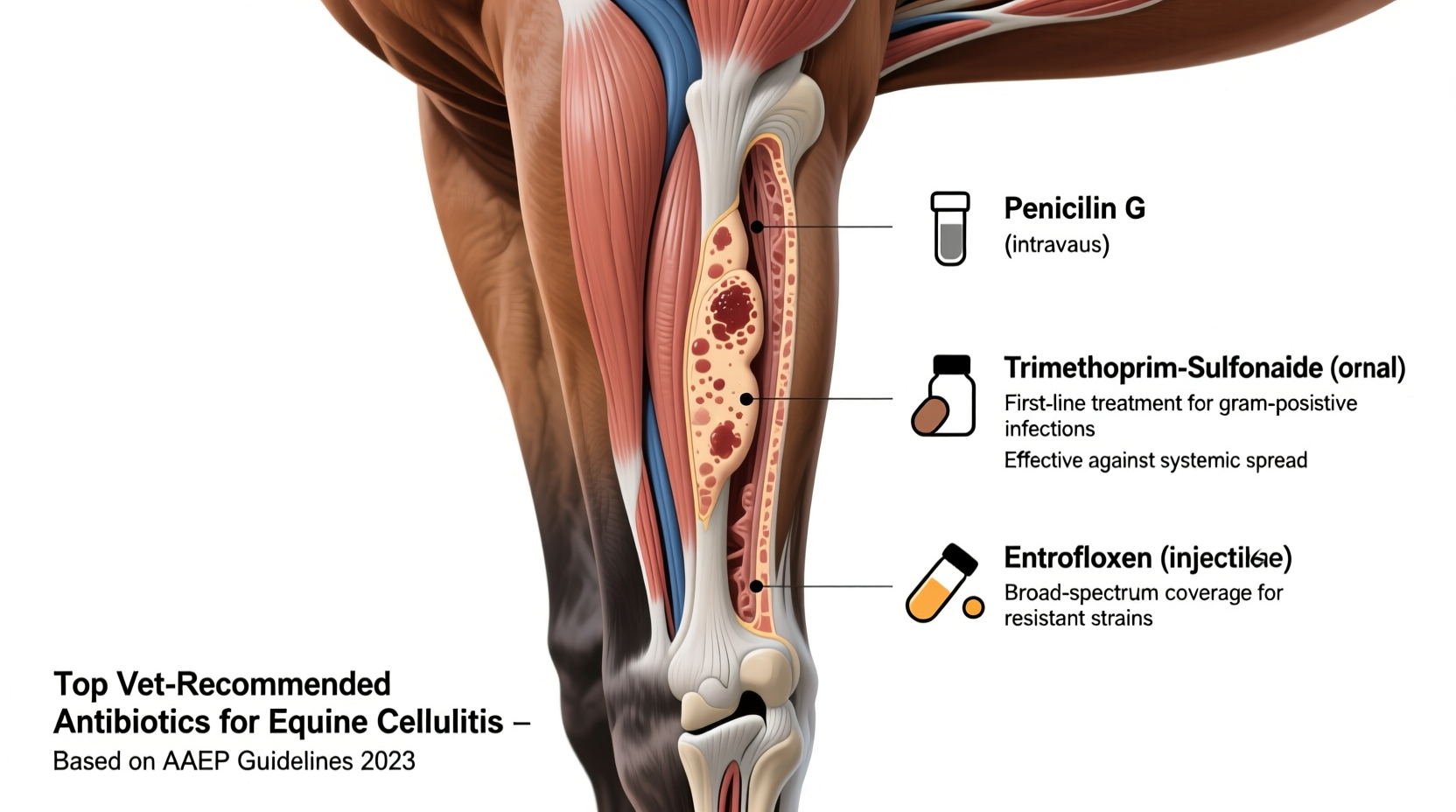
Cellulitis typically occurs when bacteria—most commonly *Streptococcus* spp., *Staphylococcus aureus*, or mixed anaerobic organisms—gain access through a small wound, abrasion, or insect bite. The infection triggers an inflammatory response that leads to profound swelling, often in one hind limb. Unlike bilateral edema caused by systemic issues like heart failure or hypoalbuminemia, cellulitis is usually unilateral and progressively worsens without intervention.
Early signs include:
- Sudden onset of limb swelling
- Increased skin temperature
- Pain on palpation
- Lameness ranging from mild to non-weight-bearing
- Fever and lethargy in advanced cases
Diagnosis is primarily clinical but may be supported by ultrasound (to assess soft tissue involvement), bloodwork (elevated white blood cell count), and occasionally culture of drainage if present. However, culturing is often challenging due to low yield or contamination.
Tip: Monitor your horse daily for subtle changes in limb size. Use a tape measure weekly during high-risk seasons to catch early swelling.Top Veterinarian-Recommended Antibiotics
The choice of antibiotic depends on spectrum of activity, tissue penetration, safety profile, and route of administration. Based on current veterinary guidelines and peer-reviewed studies, the following antibiotics are most frequently recommended for treating cellulitis in adult horses:
| Antibiotic | Typical Dose (Adult Horse) | Route | Target Pathogens | Notes |
|---|---|---|---|---|
| Penicillin G (Potassium or Procaine) | 22,000–44,000 IU/kg IM every 12 hours | Intramuscular (IM) | *Streptococcus*, some *Staphylococcus* | First-line choice; cost-effective and well-tolerated |
| Sulfadiazine/Trimethoprim (Sulfate-TMP) | 30 mg/kg PO every 12 hours | Oral (PO) | Broad-spectrum including gram-positive and some gram-negative | Excellent tissue penetration; good alternative for penicillin-allergic horses |
| Ceftiofur Sodium (Naxcel®, Excenel®) | 2.2 mg/kg IM every 24 hours | IM or IV | Broad-spectrum, including resistant strains | Reserved for severe or refractory cases; limited duration use due to resistance concerns |
| Doxycycline | 10 mg/kg PO every 24 hours | Oral | Atypical bacteria, some resistant staph | Useful in chronic or recurrent cases; avoid in young horses due to tooth staining |
“Penicillin remains the cornerstone of treatment for equine cellulitis because of its efficacy against *Streptococcus equi* subspecies *ruminatorum* and excellent safety margin.” — Dr. Laura Brown, DVM, DACVIM, Equine Internal Medicine Specialist
Step-by-Step Treatment Protocol
Effective management of cellulitis involves more than just antibiotics. A comprehensive approach increases recovery speed and reduces recurrence risk. Follow this clinically tested timeline:
- Day 1–2: Immediate Veterinary Assessment
Confirm diagnosis, start appropriate antibiotic, and initiate supportive care. Bloodwork helps rule out systemic involvement. - Day 3–7: Aggressive Supportive Therapy
Implement strict stall rest with hand-walking twice daily. Use compression bandaging (with proper padding) to reduce edema. Administer NSAIDs like phenylbutazone (2.2–4.4 mg/kg PO BID) to control inflammation and pain. - Day 8–14: Monitor Response and Adjust
Reassess limb circumference daily. If swelling plateaus or decreases, continue current protocol. No improvement? Consider switching antibiotics or adding regional limb perfusion with antimicrobials under veterinary guidance. - Week 3–4: Gradual Rehabilitation
Begin controlled turnout or walking under supervision. Continue antibiotics for a minimum of 14–21 days, even if clinical signs resolve earlier, to prevent relapse. - After Week 4: Prevent Recurrence
Address contributing factors such as poor conformation, lymphatic damage, or environmental hazards like muddy paddocks.
Common Mistakes to Avoid
Even with correct antibiotic selection, treatment failure can occur due to improper management. Be mindful of these pitfalls:
- Stopping antibiotics too early: Symptoms may improve before the infection is fully cleared.
- Inadequate movement: Prolonged stall rest without short walks reduces lymphatic drainage, worsening edema.
- Over-reliance on oral antibiotics alone: In severe cases, injectable forms achieve higher serum concentrations faster.
- Neglecting hygiene: Dirty stalls or unclean wraps introduce new pathogens.
- Ignoring concurrent wounds: Always inspect the entire limb for entry points.
Mini Case Study: Recovery of a Performance Gelding
A 10-year-old Warmblood gelding presented with acute swelling of the right hind leg after returning from a trail ride. The owner noticed heat, lameness, and reluctance to move. The attending veterinarian diagnosed cellulitis based on physical exam and elevated fibrinogen levels. Treatment began immediately with penicillin G (30,000 IU/kg IM q12h), phenylbutazone, and compression wraps.
By day five, swelling had reduced by 40%. Hand-walking was introduced, and wraps were changed daily. On day ten, the horse was weight-bearing comfortably. Antibiotics continued for three weeks total. By week four, full function returned with no residual edema. The owner implemented daily leg checks and improved pasture drainage to prevent recurrence. This case highlights the importance of early intervention and adherence to full treatment duration.
Prevention Checklist
Reduce the risk of cellulitis with these proactive steps:
- ✅ Inspect legs daily for cuts, insect bites, or swelling
- ✅ Keep stalls clean and dry
- ✅ Use protective boots during turnout if prone to trauma
- ✅ Clip excess feathering on draft breeds to allow better drying
- ✅ Practice good wound hygiene—clean and monitor any injury
- ✅ Maintain regular farrier care to avoid hoof cracks that can track infection
- ✅ Avoid shared water troughs in barns with recent infection history
Frequently Asked Questions
Can I treat cellulitis at home without a vet?
No. Early signs may mimic less serious conditions, but misdiagnosis can lead to complications like laminitis or sepsis. Only a veterinarian can confirm cellulitis and prescribe appropriate antibiotics.
How long does it take for a horse to recover from cellulitis?
Mild cases may improve within 7–10 days, but full recovery often takes 3–6 weeks. Severe or chronic cases can require months of management and may leave residual scarring or lymphatic dysfunction.
Is cellulitis contagious to other horses?
Not directly, but the causative bacteria can spread via contaminated equipment, hands, or flies. Isolate affected horses and disinfect grooming tools, wraps, and stalls thoroughly.
Conclusion: Act Fast, Treat Fully, Prevent Relapse
Choosing the best antibiotic for cellulitis in horses starts with understanding the disease and acting decisively. Penicillin G and trimethoprim-sulfonamide combinations remain the gold standard for most cases, while ceftiofur and doxycycline serve as valuable alternatives in complex situations. But medication alone isn’t enough—successful outcomes depend on diligent nursing, consistent monitoring, and a structured rehabilitation plan.
If you suspect cellulitis in your horse, contact your veterinarian immediately. Delaying treatment increases the risk of long-term complications. Share this information with fellow horse owners to promote early recognition and better outcomes across the equine community.
💬 Have experience managing cellulitis in horses? We welcome your insights—comment below to help others navigate this challenging condition.








