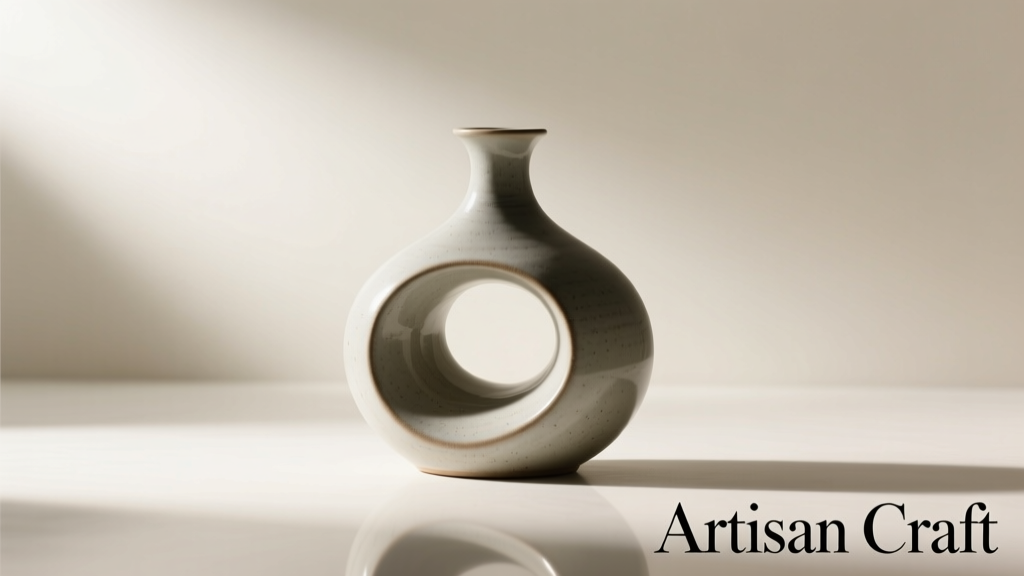
Types of Avocado-Shaped Bowls
An avocado-shaped bowl is a trendy and functional kitchen accessory that combines whimsical design with practical utility. Inspired by the iconic fruit, these bowls are not only eye-catching but also serve a variety of culinary and decorative purposes. From casual dining to elegant entertaining, avocado bowls come in a range of materials—each offering unique benefits in terms of durability, aesthetics, and usability.
Ceramic Avocado Bowl
Made from high-fired clay, ceramic avocado bowls are among the most popular choices for both home cooks and collectors. Available in a wide array of colors, glazes, and finishes—from matte to glossy—they blend seamlessly into modern, rustic, or bohemian kitchen decor.
Advantages
- Durable and long-lasting
- Safe for microwave and dishwasher use
- Retains temperature well (ideal for hot and cold dishes)
- Smooth, non-porous surface resists staining
- Stylish and versatile for everyday or display use
Limitations
- Can chip or crack if dropped
- Heavier than plastic or resin alternatives
- May require hand washing if hand-painted or antique
Best for: Daily kitchen use, serving warm dishes, farmhouse or eclectic decor
Wooden Avocado Bowl
Crafted from natural hardwoods like acacia, teak, or walnut, wooden avocado bowls exude warmth and organic charm. Each piece showcases unique wood grain patterns, making every bowl a one-of-a-kind work of art. Often finished with food-safe oils or sealants, they are both functional and decorative.
Advantages
- Natural, eco-friendly material
- Beautiful grain patterns enhance visual appeal
- Gentle on cutlery and non-slip base
- Lightweight yet sturdy construction
- Perfect for rustic, Scandinavian, or minimalist interiors
Limitations
- Not dishwasher safe—requires hand washing
- Can absorb odors or moisture over time
- Needs occasional oiling to maintain finish
- Not suitable for hot foods or liquids
Best for: Serving salads, fruits, bread, or as a decorative centerpiece
Glass Avocado Bowl
Elegant and transparent, glass avocado bowls add a touch of sophistication to any table setting. Available in clear, frosted, or tinted finishes, these bowls highlight the vibrant colors of the food they hold. Often made from tempered glass for added strength, they are both durable and visually striking.
Advantages
- Transparent design showcases food beautifully
- Resistant to staining and odor absorption
- Dishwasher and microwave safe (depending on type)
- Easy to clean and maintain
- Ideal for formal dining and entertaining
Limitations
- Potentially fragile—can break if dropped
- May feel cold or slippery to handle
- Limited insulation for hot foods
- Can show fingerprints and water spots
Best for: Desserts, fruit displays, salads, and special occasions
Plastic Avocado Bowl
Lightweight and budget-friendly, plastic avocado bowls are perfect for casual use and outdoor events. Made from food-grade polypropylene or melamine, they are shatterproof and come in a rainbow of colors and patterns—ideal for themed parties or family-friendly kitchens.
Advantages
- Unbreakable and safe for kids
- Extremely lightweight and portable
- Affordable and widely available
- Dishwasher safe and easy to clean
- Great for picnics, camping, and travel
Limitations
- Can scratch or fade over time
- May retain odors or stains from strong foods
- Not suitable for hot foods or microwave use (unless specified)
- Less eco-friendly (depending on material)
Best for: Outdoor gatherings, children’s meals, casual dining, and party decor
Resin Avocado Bowl
Resin avocado bowls are a modern favorite, known for their artistic flair and durability. Crafted from high-quality synthetic resins, they can mimic natural materials like stone or wood—or feature bold, colorful designs, metallic finishes, and embedded elements like glitter or botanicals.
Advantages
- Highly customizable with unique finishes
- Shatterproof and impact-resistant
- Lightweight yet sturdy
- Waterproof and easy to clean
- Perfect for statement pieces and artistic decor
Limitations
- May not be food-safe unless explicitly labeled
- Lower heat resistance—avoid hot foods
- Premium pricing for designer styles
- Can yellow over time with UV exposure
Best for: Decorative displays, artistic homes, gift items, or serving cold foods (if food-safe)
| Type | Durability | Food Safety | Aesthetic Appeal | Best Use Case |
|---|---|---|---|---|
| Ceramic | High | Excellent | High | Daily meals, family dinners, kitchen decor |
| Wooden | Medium | Good (with proper care) | Very High | Rustic dining, fruit displays, natural interiors |
| Glass | Medium-High | Excellent | Very High | Formal events, dessert presentation, modern decor |
| Plastic | Medium | Good (food-grade only) | Medium | Outdoor use, kids' meals, casual settings |
| Resin | High | Varies (check labeling) | Exceptional | Decorative use, artistic spaces, gifts |
Expert Tip: When purchasing a resin or plastic avocado bowl, always verify that it is labeled as food-safe if intended for serving. For wooden bowls, periodically apply food-grade mineral oil to prevent drying and cracking.
Design of Avocado-Shaped Bowl: Functionality, Aesthetics, and Versatility
The avocado-shaped bowl is more than just a serving dish—it's a harmonious blend of functional innovation, natural aesthetics, and material versatility. Inspired by one of nature’s most beloved fruits, this uniquely designed bowl combines practical food presentation with artistic flair, making it a standout addition to modern kitchens and dining experiences. Whether used for everyday meals or special occasions, the avocado bowl enhances both utility and ambiance.
Functional Design: Smart Compartmentalization for Better Serving
The avocado-shaped bowl is thoughtfully engineered to maximize usability. Its moderately spacious cavity provides ample room for serving salads, fruits, snacks, or appetizers, while the shallow sides make it easy for guests to access food without utensils slipping or ingredients spilling.
A defining feature is the central pit compartment, which mimics the seed of a real avocado. This clever design acts as a built-in separator, allowing users to serve dips, dressings, sauces, or condiments alongside main ingredients without them mixing. This separation helps preserve freshness and texture—ideal for dishes like chip-and-guacamole platters, deconstructed salads with toppings, or charcuterie-style presentations.
By preventing cross-contamination of flavors and textures, the avocado bowl supports cleaner, more enjoyable dining experiences, especially in shared settings such as buffets, picnics, or family dinners.
Aesthetic Appeal: Nature-Inspired Elegance
The visual charm of the avocado bowl lies in its lifelike representation of the fruit’s form and color. With a smooth outer shell resembling the avocado’s textured skin and a vibrant inner cavity that mirrors the creamy green flesh, the bowl brings a refreshing touch of nature into the home.
Available in rich emerald greens, warm beige pits, and realistic gradients, the bowl evokes a tropical, organic vibe that enhances kitchen decor. Whether crafted from ceramic, glass, or resin, the attention to detail—from subtle surface ridges to color layering—adds depth and authenticity.
This playful yet sophisticated design fits seamlessly into various interior styles, from bohemian and farmhouse to modern minimalist. It’s equally at home on a casual brunch table or a formal dinner setting, where its whimsical shape can spark conversation and elevate the overall dining atmosphere.
Material Variation: Design Flexibility for Every Need
The avocado bowl comes in a range of materials, each offering unique aesthetic and functional benefits:
- Ceramic: Offers a polished, durable finish with excellent heat retention—perfect for serving warm dishes or as a decorative centerpiece.
- Wood (e.g., acacia or bamboo): Provides a rustic, earthy feel that enhances the organic theme. Naturally antimicrobial and lightweight, wooden versions are ideal for casual or outdoor use.
- Glass or Resin: Delivers a modern, translucent look with vivid color effects. Glass bowls are easy to clean and showcase layered dishes beautifully, while resin options are shatter-resistant and great for themed events.
- Plastic (BPA-free): Lightweight and unbreakable, plastic avocado bowls are excellent for children’s meals, poolside snacks, or travel-friendly picnics without sacrificing the iconic design.
This material diversity ensures that the avocado bowl can be tailored to specific needs—whether prioritizing durability, elegance, portability, or eco-friendliness.
Versatility in Usage: From Tabletop to Décor
One of the greatest strengths of the avocado-shaped bowl is its multifunctionality. It transcends the role of a mere serving dish and becomes a versatile tool in both culinary and decorative contexts.
Culinarily, it’s perfect for:
- Serving fruit salads or vegetable medleys with dressing on the side
- Holding tortilla chips with guacamole or salsa in the central pit
- Presenting appetizers like nuts, olives, or cheese cubes with dips
- Organizing sushi rolls or poke bowls with soy sauce compartmentalized
When not in use, the bowl doubles as a stylish decorative object. Display it on a countertop, shelf, or dining table to add a pop of color and a natural motif to your space. Some versions even double as planters for small succulents or air plants, further blurring the line between utility and art.
Its appeal extends to themed parties—think Mexican fiestas, healthy eating events, or eco-conscious gatherings—where the bowl reinforces the event’s aesthetic and message.
| Design Feature | Functional Benefit | Ideal Use Case |
|---|---|---|
| Central Pit Compartment | Separates sauces/dips from main food items | Chips & guacamole, salad with dressing, charcuterie |
| Shallow, Wide Rim | Easy access and sharing | Buffets, family meals, party platters |
| Natural Color Palette | Enhances food presentation and room ambiance | Dining décor, themed events, wellness spaces |
| Multiple Material Options | Adaptable to indoor/outdoor, casual/formal settings | Everyday use, outdoor dining, gift items |
Note: When selecting an avocado-shaped bowl, consider both the intended use and care requirements. Hand-washing is recommended for ceramic, wood, and resin varieties to preserve finish and color. Avoid extreme temperature changes with glass or ceramic to prevent cracking. Choosing the right material ensures long-term enjoyment and performance of this innovative and charming design.
Scenarios of Avocado-Shaped Bowls
Avocado-shaped bowls are more than just functional tableware—they’re a creative fusion of form and function that elevate dining experiences across a wide range of settings. Inspired by nature’s favorite superfood, these uniquely shaped bowls bring charm, conversation, and visual appeal to any meal. Whether crafted from ceramic, glass, wood, or eco-friendly bioplastics, their distinctive silhouette makes them ideal for enhancing food presentation while promoting mindful, enjoyable eating.
From casual weeknight dinners to themed soirées, avocado bowls adapt beautifully to diverse occasions. Below is a comprehensive guide to their most effective and stylish uses, helping you or your customers make the most of this trendy yet practical kitchen essential.
Casual Family Meals
Infuse everyday dining with a touch of whimsy and warmth by serving meals in avocado-shaped bowls. Their organic shape softens the look of the dinner table, making meals feel more inviting and enjoyable for both adults and children.
- Ideal for hearty portions of pasta, rice bowls, stir-fries, or grain-based dishes like quinoa or couscous
- Encourages family interaction—uniquely shaped bowls spark conversation and make dinnertime more engaging
- Available in durable stoneware or melamine, making them safe for kids and dishwasher-friendly
- Helps portion control by offering a naturally sized cavity that fits a single serving perfectly
Design tip: Pair with earth-toned tableware to enhance the natural aesthetic.
Outdoor Picnics & Barbecues
Lightweight and portable, avocado bowls made from BPA-free plastic, bamboo fiber, or silicone are perfect companions for outdoor adventures. Their fun design complements the relaxed vibe of picnics, beach outings, or backyard cookouts.
- Great for serving guacamole, salsa, chips, or fresh-cut vegetables—foods that align with the bowl’s theme
- Stackable and shatter-resistant options make them easy to pack and transport
- Adds a playful, thematic flair to snack spreads and appetizer trays
- Eco-conscious materials (like bamboo composite) support sustainable outdoor dining
Pro tip: Use matching avocado-shaped serving trays for a cohesive, eye-catching picnic setup.
Tropical-Themed Parties
For luau nights, summer garden parties, or island-inspired gatherings, avocado bowls reinforce the tropical ambiance while serving complementary cuisine. Their vibrant green hues and organic curves evoke a lush, natural atmosphere.
- Perfect for presenting fruit salads with mango, pineapple, kiwi, and, of course, diced avocado
- Can double as mini serving platters for sushi, ceviche, or poke bowls—dishes that naturally pair with the theme
- Use as decorative centerpieces when filled with faux fruit or floral arrangements
- Available in glossy ceramic or hand-painted finishes for added elegance
Creative idea: Label each bowl with a playful name like “Island Bounty” or “Green Goddess” to enhance guest experience.
Formal Dinner Parties
Don’t underestimate the avocado bowl’s elegance. High-end versions made from handcrafted ceramic, tempered glass, or artisanal stoneware can elevate a sophisticated tablescape with modern, nature-inspired design.
- Excellent for plated appetizers like goat cheese and beet salads, heirloom tomato stacks, or microgreen garnishes
- Adds a contemporary twist to minimalist table settings without overpowering the cuisine
- Translucent glass avocado bowls with green tinting can create a stunning visual effect under ambient lighting
- Complements organic, farm-to-table menus and plant-forward dining trends
Stylistic note: Pair with matte black cutlery or gold-rimmed plates for a luxe contrast.
Daily Snack or Fruit Bowl
Keep healthy eating habits front and center by using an avocado bowl as a dedicated snack or fruit display. Placed on the kitchen counter or dining table, it acts as a visual reminder to choose nutritious options.
- Perfect for holding mixed nuts, dried fruit, popcorn, or candy in a fun, portion-controlled way
- Encourages children to eat fruits by making them visually appealing and easily accessible
- Can be used to prep avocado toast toppings—keep sliced radishes, cherry tomatoes, or seeds ready to go
- Available in small sizes ideal for individual servings or kids’ snacks
Wellness benefit: Studies show that visible, attractively stored food increases consumption of healthy items by up to 40%.
Gift & Lifestyle Use
Avocado bowls have transcended tableware to become lifestyle icons, often featured in home decor, gifting, and wellness spaces.
- Packaged as part of gourmet gift baskets with artisanal dips, olives, or spice blends
- Used in wellness centers or yoga studios to serve smoothie bowls or acai mixes
- Serve as quirky desk organizers for pens, succulents, or jewelry in home offices
- Popular among influencers and eco-conscious consumers due to their Instagram-worthy appeal
Trend insight: The “avocado aesthetic” continues to dominate lifestyle branding and sustainable living campaigns.
Pro Styling Tip: Mix and match avocado bowls with other nature-inspired tableware—like leaf-shaped plates or mango-colored mugs—for a harmonized, biophilic dining experience. This not only enhances visual appeal but also supports the growing consumer preference for organic, earth-connected design.
| Scenario | Recommended Material | Ideal For | Style Benefit |
|---|---|---|---|
| Casual Family Dinners | Stoneware or Melamine | Pasta, Rice Bowls, Stir-Fries | Warm, Inviting Atmosphere |
| Outdoor Events | Bamboo Fiber or Silicone | Snacks, Dips, Salads | Playful & Portable |
| Tropical Parties | Hand-Painted Ceramic | Fruit Platters, Sushi, Ceviche | Thematic & Vibrant |
| Formal Gatherings | Tempered Glass or Artisan Ceramic | Appetizers, Gourmet Salads, Desserts | Elegant & Modern |
| Daily Snacking | Eco-Plastic or Wood Composite | Fruit, Nuts, Popcorn | Functional & Encouraging |
Additional Considerations
- Durability: Check if the bowl is microwave-safe, dishwasher-safe, and resistant to chipping—especially important for everyday use
- Sustainability: Opt for bowls made from renewable resources like bamboo, cork, or recycled materials to appeal to eco-aware customers
- Size Variants: Available in mini (4”), standard (6”), and large (8”) diameters—choose based on portion needs
- Cultural Appeal: Resonates with millennial and Gen Z audiences who value aesthetics, wellness, and sustainability
- Brand Potential: Customizable with logos or messages, making them excellent promotional items for health food brands or cafes
Specification & Maintenance of Avocado-Shaped Bowls: A Complete Guide
An avocado-shaped bowl combines functional design with natural aesthetic appeal, making it a popular choice for serving food in both casual and formal settings. Whether crafted from ceramic, wood, glass, resin, or plastic, proper specification and care are essential to preserving its beauty, functionality, and longevity. This guide provides detailed insights into selecting the right avocado bowl and maintaining it according to material-specific needs.
Important Note: Always verify manufacturer guidelines before using your avocado bowl in the microwave, oven, or dishwasher. Not all materials are suitable for high heat or machine washing, and improper use can lead to cracking, warping, or discoloration.
Key Specifications When Choosing an Avocado-Shaped Bowl
Understanding the technical and functional aspects of avocado bowls helps you make an informed decision based on your intended use, lifestyle, and kitchen setup.
- Size and Capacity
Avocado-shaped bowls vary significantly in size, typically ranging from 4 to 12 inches in length. Smaller bowls (4–6 inches) are ideal for individual servings such as dips, salsa, guacamole, or condiments. Medium-sized bowls (7–9 inches) work well for side salads, fruit servings, or appetizers. Larger models (10–12 inches) are perfect for main dishes like pasta, grain bowls, or sharing platters at gatherings.
Consider the bowl’s volume (measured in ounces or milliliters) if precise portion control is important. A typical large avocado bowl holds between 32–64 fl oz (1–2 quarts), making it suitable for family-style dining.
- Material Options and Their Characteristics
The choice of material affects not only the visual style but also durability, weight, and usability. Here's a breakdown of common materials:
- Ceramic: Offers a smooth, polished finish with excellent heat retention. Ideal for both hot and cold dishes. Often microwave and oven-safe (check manufacturer instructions). Heavy and less portable but highly resistant to scratches.
- Wood (e.g., acacia, bamboo, olive): Provides a warm, organic look that complements rustic or modern décor. Naturally antimicrobial but not suitable for liquids or prolonged moisture exposure. Best for dry or room-temperature foods.
- Glass (tempered preferred): Elegant and transparent, allowing food presentation to shine. Resistant to stains and odors. Microwave-safe and easy to clean. However, susceptible to thermal shock if exposed to sudden temperature changes.
- Resin (including melamine or composite): Lightweight and highly durable, often used for outdoor or children’s tableware. Can mimic wood, stone, or ceramic textures. Not heat-resistant—avoid hot foods and direct sunlight to prevent warping or fading.
- Plastic (BPA-free preferred): Affordable, unbreakable, and lightweight. Great for picnics, kids’ meals, or travel. Some are dishwasher-safe, but lower-quality plastics may degrade over time with frequent washing or exposure to oils.
- Heat Resistance and Temperature Tolerance
If you plan to serve warm dishes like roasted vegetables, quinoa, or soups, ensure the bowl is rated for heat. Ceramic and tempered glass are generally safe for microwave use and can withstand moderate oven temperatures (up to 350°F/175°C unless otherwise specified).
Caution: Never place cold glass or ceramic bowls directly into a hot oven—this can cause thermal cracking. Always preheat the oven with the bowl inside or allow the bowl to reach room temperature first.
Wood, resin, and most plastic bowls should be reserved for cold or room-temperature foods only. Exposure to hot food can cause warping, cracking, or release of harmful chemicals in low-grade materials.
Maintenance and Care Tips by Material
Proper maintenance ensures your avocado bowl remains hygienic, visually appealing, and functional for years. Follow these best practices based on material type.
- Cleaning Guidelines
Regular cleaning prevents staining, odor absorption, and bacterial growth. Always remove food residue promptly.
- Ceramic & Glass: Usually dishwasher-safe (top rack recommended). For hand washing, use warm water, mild dish soap, and a soft sponge. Avoid abrasive scrubbers that can scratch glossy finishes.
- Wood: Hand wash only with a damp cloth and mild soap. Never soak or submerge in water. Dry immediately with a soft towel and allow to air-dry completely before storage.
- Resin & Melamine: Hand wash preferred. Dishwasher use may be acceptable for some brands, but repeated cycles can dull the surface. Use non-abrasive cleaners to preserve color and finish.
- Plastic: Can often be washed in the dishwasher (top rack), but hand washing extends lifespan. Avoid bleach and harsh degreasers that can cause clouding or brittleness.
Pro Tip: For stubborn stains in ceramic or glass bowls, create a paste of baking soda and water, apply gently, and rinse thoroughly.
- Storage Recommendations
Improper storage can lead to chipping, warping, or discoloration.
- Store ceramic and glass bowls upright or with protective padding between stacked items to prevent chipping.
- Keep plastic bowls away from direct sunlight to avoid UV-induced fading and material degradation.
- Wooden bowls should be stored in a cool, dry cabinet—avoid humid areas like under the sink or near dishwashers, which can promote mold or splitting.
- Resin bowls should be kept flat and not stacked under heavy objects to prevent warping.
- Specialized Care for Longevity
Some materials benefit from routine conditioning to maintain their appearance and structural integrity.
- Wooden Bowls: Apply food-grade mineral oil every 4–6 weeks. Pour a small amount onto a soft cloth, rub evenly over the surface (inside and out), let sit for 15–30 minutes, then wipe off excess. This helps prevent drying, cracking, and enhances grain visibility.
- Resin Bowls: Polish occasionally with a microfiber cloth to restore shine. Avoid placing near heat sources or sharp objects that could scratch the surface.
- Ceramic & Glass: Inspect regularly for hairline cracks or chips, especially around the rim. Discontinue use if damage is present, as bacteria can accumulate in crevices.
- All Materials: Avoid using metal utensils that can scratch surfaces. Opt for wood, silicone, or plastic utensils to preserve finish quality.
| Material | Dishwasher Safe | Microwave Safe | Oven Safe | Special Care Needs |
|---|---|---|---|---|
| Ceramic | Yes (check glaze) | Yes (most) | Yes (low to moderate heat) | Avoid thermal shock; inspect for cracks |
| Glass (Tempered) | Yes | Yes | Limited (check rating) | Do not expose to sudden temperature changes |
| Wood | No | No | No | Oil regularly; hand wash and dry immediately |
| Resin / Melamine | Sometimes (hand wash recommended) | No | No | Protect from heat and sunlight; polish occasionally |
| Plastic (BPA-free) | Yes (top rack) | Only if labeled microwave-safe | No | Avoid harsh chemicals; store away from heat |
Expert Tip: Label your avocado bowls by material if you own multiple types. This makes it easier to follow correct care instructions and prevents accidental misuse (e.g., placing a wooden bowl in the microwave).
Additional Usage & Maintenance Recommendations
- Use coasters or trivets when placing hot ceramic or glass bowls on sensitive surfaces to prevent heat damage.
- Avoid cutting food directly in the bowl, especially with ceramic or resin, to prevent scratches and chips.
- For decorative use, consider rotating bowls to minimize UV exposure and maintain color vibrancy.
- Inspect bowls quarterly for signs of wear, such as deep stains, warping, or loose finishes, and retire damaged pieces to avoid contamination risks.
- When gifting, include a care card outlining cleaning and usage tips to help recipients maintain the bowl properly.
By carefully selecting the right avocado-shaped bowl for your needs and following material-specific maintenance routines, you can enjoy both its functional benefits and aesthetic charm for many years. Whether used daily or reserved for special occasions, a well-cared-for bowl enhances every meal with a touch of nature-inspired design.
Frequently Asked Questions About Avocado-Shaped Bowls
Q1: What is the best material for an avocado-shaped bowl?Choosing the ideal material for an avocado-shaped bowl depends on your intended use, aesthetic preferences, and maintenance expectations. These whimsical yet functional pieces come in a variety of materials, each offering distinct advantages:
- Ceramic: Known for its durability and timeless charm, ceramic bowls are excellent for everyday use and special occasions. They retain their color and shape well over time and are often dishwasher and microwave safe, making them highly practical.
- Wood: Crafted from hardwoods like acacia or walnut, wooden avocado bowls add a warm, organic touch to your kitchen. They’re perfect for serving fruit, snacks, or bread but require more care to prevent drying or cracking.
- Glass: Transparent or tinted glass bowls offer a sleek, modern appearance and are easy to clean. They’re great for showcasing colorful foods and are typically safe for both microwave and dishwasher use.
- Resin: Made from high-quality, food-safe resins, these bowls allow for vibrant colors and intricate detailing that mimic the texture and look of real avocados. They’re lightweight and shatter-resistant but not suitable for high heat.
- Plastic: Ideal for outdoor use or households with children, plastic avocado bowls are affordable, unbreakable, and lightweight. However, they may scratch over time and are less eco-friendly than other options.
Ultimately, the best choice balances style, durability, and ease of care based on how and where you plan to use the bowl.
Q2: Can the avocado-shaped bowl be used in the microwave?Microwave safety varies significantly depending on the bowl’s construction material. It's crucial to know what your bowl is made of before heating it:
- Safe for Microwave:
- Ceramic: Most ceramic avocado bowls are microwave-safe unless they have metallic paint or trim.
- Glass: Tempered or borosilicate glass varieties are generally heat-resistant and safe for microwave use.
- Not Recommended:
- Plastic: Even if labeled "microwave-safe," prolonged heating can cause warping or leaching of chemicals into food. Use with caution and avoid high temperatures.
- Wood: Natural wood absorbs moisture and heat, which can lead to cracking, drying, or splitting when exposed to microwave radiation.
- Resin: Synthetic resins may soften, deform, or emit fumes when heated and should never be placed in the microwave.
Always check for a microwave-safe label on the product or packaging. When in doubt, transfer food to a known microwave-safe container to avoid damage or safety hazards.
Q3: How do I prevent my wooden avocado bowl from drying out?Proper maintenance is essential to preserve the beauty and longevity of a wooden avocado-shaped bowl. Wood is a natural material that can dry out, crack, or warp without regular care. Follow these steps to keep it in excellent condition:
- Apply Food-Safe Mineral Oil: Every 4–6 weeks (or more often with frequent use), apply a thin layer of food-grade mineral oil using a soft cloth. Let it soak in for several hours or overnight, then wipe off any excess.
- Avoid Water Soaking: Never submerge the bowl in water or leave it to soak. Hand wash gently with a damp cloth and mild soap, then dry immediately.
- Dry Thoroughly: After washing, allow the bowl to air dry completely in an upright position before storing or oiling.
- Store Properly: Keep the bowl in a cool, dry area away from direct sunlight, radiators, or humid environments like near the stove or sink.
- Use Occasionally for Oily Foods: Natural oils from foods like nuts, olives, or avocados can help condition the wood slightly during use, but don’t rely on this as a substitute for proper oiling.
With consistent care, your wooden avocado bowl can remain a beautiful, functional centerpiece in your kitchen for years.
Q4: Is the avocado-shaped bowl dishwasher safe?Dishwasher compatibility depends entirely on the material of the bowl. While convenience is important, improper cleaning can shorten the lifespan of your decorative piece:
| Material | Dishwasher Safe? | Care Recommendations |
|---|---|---|
| Ceramic | ✅ Yes (typically) | Most glazed ceramic bowls can withstand dishwasher cycles. Avoid models with hand-painted details or metallic accents. |
| Glass | ✅ Yes (if tempered) | Heat-resistant glass bowls are generally dishwasher-safe. Check manufacturer instructions to confirm. |
| Plastic | ⚠️ Sometimes | Only if labeled dishwasher-safe. Place on the top rack to reduce exposure to high heat from the heating element. |
| Wood | ❌ No | Hand wash only with a damp cloth. Never soak or run through the dishwasher, as water exposure causes swelling and cracking. |
| Resin | ❌ No | Hand wash gently with mild soap and water. Dishwasher heat and detergents can degrade the finish and cause discoloration. |
To ensure long-term durability, always refer to the manufacturer’s care instructions. When in doubt, hand washing is the safest method for preserving your avocado-shaped bowl’s appearance and structural integrity.









