
As temperatures drop with the changing seasons, many pet owners reach for their dog’s wardrobe. But here's a question that comes up every fall: Do you actually need different clothing for your dog in autumn versus winter? With overlapping months and fluctuating weather, it’s easy to wonder whether investing in two separate seasonal wardrobes is practical—or just overkill.
The answer isn’t always black and white. It depends on your location, your dog’s breed, age, health, and even daily routine. Understanding the differences between autumn and winter conditions—and how they affect your dog—can help you make smarter decisions about what to buy, when to use it, and when to skip it altogether.
Understanding Seasonal Temperature Differences
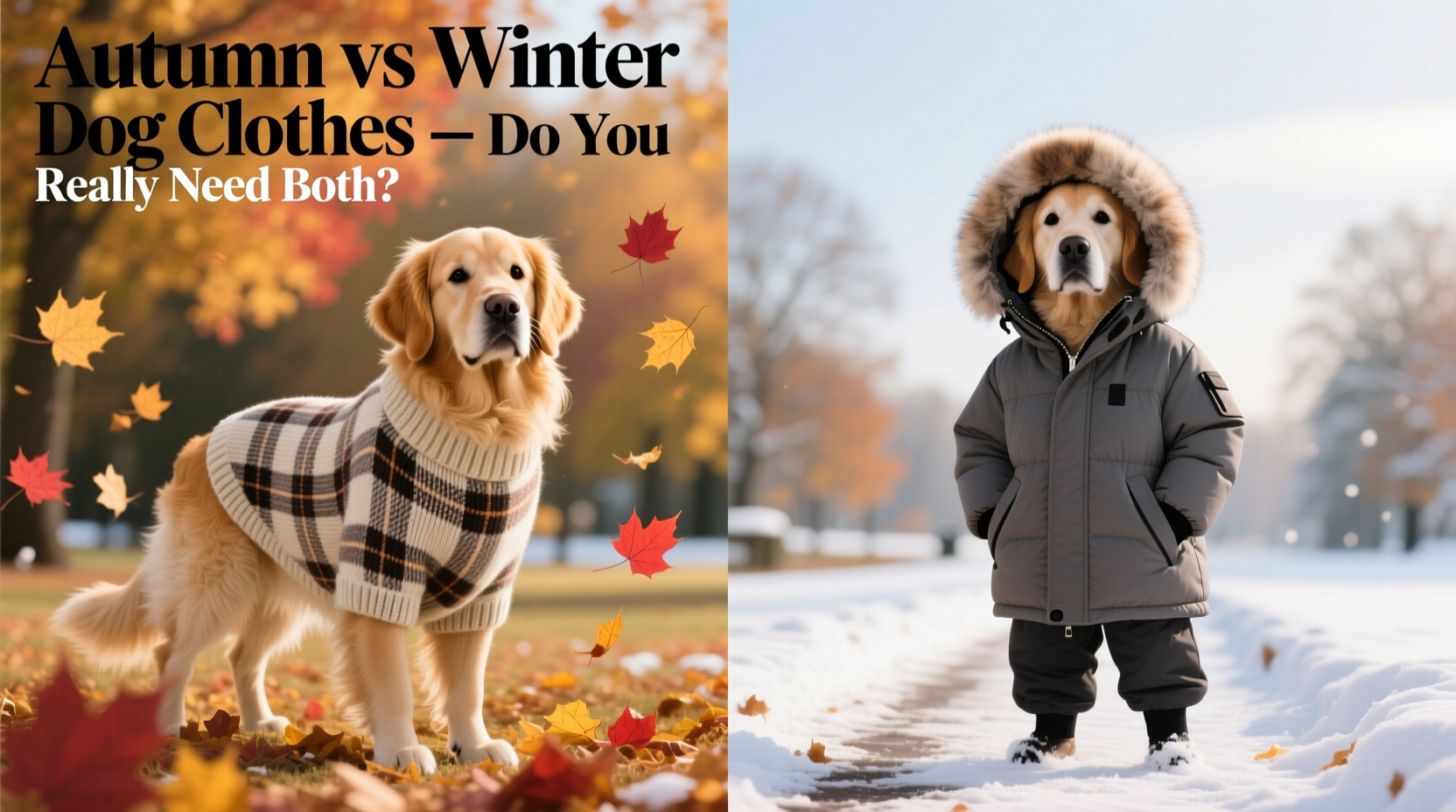
Autumn and winter represent distinct phases of cooling. Autumn typically brings mild to cool temperatures, ranging from 45°F to 65°F (7°C to 18°C) in many regions. The weather is often damp due to rain, but snow is rare. Winter, on the other hand, brings sustained cold—often below 40°F (4°C), with frequent freezing temperatures, wind, and precipitation like snow or sleet.
Dogs react differently to these shifts. Short-haired breeds like Greyhounds or Boxers begin feeling the chill as early as late autumn, while thick-coated Huskies or Malamutes may not need outerwear until deep winter. However, older dogs, puppies, and those with medical conditions such as arthritis can be sensitive even at milder temperatures.
Tip: Monitor your dog’s behavior—shivering, lifting paws, or reluctance to go outside are clear signs they’re feeling cold.Key Differences Between Autumn and Winter Dog Clothes
Not all dog apparel is created equal. The design, material, and insulation level vary significantly between garments marketed for autumn and those built for winter. Here’s a breakdown of what sets them apart:
- Material Thickness: Autumn gear tends to use lighter fabrics like cotton blends, soft fleece, or water-resistant nylon. Winter coats add thermal linings, heavier polyester fills, or even down insulation.
- Coverage: Autumn sweaters may leave the belly exposed; winter jackets often extend further under the body for full protection.
- Weather Resistance: While autumn clothes might repel light rain, true winter gear is designed to resist snow, ice, and wind with sealed seams and durable water-repellent (DWR) coatings.
- Fit and Mobility: Autumn wear prioritizes comfort and breathability for moderate activity. Winter gear focuses on trapping heat, sometimes at the expense of flexibility.
When One Layer Isn’t Enough
In transitional climates, layering can eliminate the need for two full wardrobes. A lightweight autumn sweater can be paired with a waterproof winter shell when temperatures plunge. This approach is cost-effective and space-saving—especially for urban dwellers with limited storage.
“Many pet owners don’t realize that layering works for dogs just like it does for humans. A moisture-wicking base plus a windproof outer can outperform a single bulky coat.” — Dr. Lena Patel, Veterinary Behaviorist
Do You Really Need Both? A Practical Checklist
Before purchasing separate autumn and winter outfits, ask yourself these questions:
- Does your region experience a sharp temperature drop between November and January?
- Does your dog spend more than 15 minutes outside during walks in winter?
- Is your dog short-haired, small (under 20 lbs), elderly, or medically compromised?
- Do you live in an area with snow, icy sidewalks, or high winds?
- Have you noticed your dog showing discomfort (shivering, tucking tail, lifting paws) in cold weather?
If you answered “yes” to three or more, investing in both autumn and winter-specific clothing makes sense. If most answers are “no,” a single mid-weight, water-resistant jacket may suffice for both seasons.
Comparison Table: Autumn vs Winter Dog Apparel
| Feature | Autumn Clothing | Winter Clothing |
|---|---|---|
| Temperature Range | 45°F – 65°F (7°C – 18°C) | Below 40°F (4°C), especially with wind/snow |
| Typical Materials | Fleece, cotton blend, light nylon | Thermal polyester, down, insulated shells |
| Water Resistance | Light splash protection | Full waterproofing with sealed seams |
| Coverage | Chest and back, sometimes open belly | Full torso, often with belly wrap or high neck |
| Best For | Short walks, cool mornings, light rain | Snowy walks, extended outdoor time, windy days |
| Average Price Range | $15–$30 | $30–$70+ |
Real Example: Max the Miniature Schnauzer
Max lives in upstate New York, where autumn nights dip into the 40s by October, and winter regularly hits -10°F (-23°C). His owner, Sarah, initially bought only a light fleece sweater for fall. By December, Max was shivering after five minutes outside—even with booties.
She upgraded to a winter-rated parka with a windproof shell and thermal lining. The difference was immediate: Max now enjoys 30-minute walks without hesitation. In spring and fall, she reverts to the original sweater. For Sarah, owning both types was necessary—not because of the calendar, but because of real changes in her dog’s comfort and mobility.
Tip: Always dry wet dog clothes completely before storing. Damp fabric breeds mildew and weakens fibers over time.Step-by-Step Guide: Choosing the Right Gear for Your Dog
- Assess your local climate: Track average low temperatures from September through February in your area.
- Evaluate your dog’s needs: Consider breed, size, age, and health. Small, thin-coated, or senior dogs need more protection.
- Test one transitional piece first: Try a mid-weight, water-resistant jacket that can handle late autumn and early winter.
- Monitor your dog’s response: Watch for signs of discomfort during walks—hesitation, shivering, or lifting paws.
- Add specialized gear if needed: If the transitional coat isn’t enough in deep winter, invest in a heavy-duty jacket. Keep the lighter one for shoulder seasons.
- Consider layering: Pair a breathable base layer with a weatherproof outer shell for maximum versatility.
Frequently Asked Questions
Can I use my dog’s autumn sweater in winter?
Possibly, but only in mild winter climates or for very short outings. Most autumn sweaters lack the insulation and weather resistance needed for prolonged exposure to snow or freezing temperatures. Layering can help, but don’t rely on a single light garment in harsh conditions.
Are dog boots necessary in both seasons?
They’re more critical in winter. Snow, ice, and road salt can irritate paw pads and lead to cracking or chemical burns. In autumn, boots may be useful during rainy periods to keep feet dry and reduce indoor mess, but they’re less essential unless your dog has sensitive paws.
How do I know if my dog is too hot in winter clothes?
Overheating signs include excessive panting, restlessness, licking paws, or trying to remove the garment. Remove the coat indoors immediately. Avoid using heavy winter gear indoors or during active play—even in cold weather, exertion generates body heat.
Final Thoughts: Smart Choices Over Seasonal Hype
You don’t automatically need both autumn and winter dog clothes—but you should be prepared for the realities of your environment and your pet’s needs. Rather than buying based on marketing labels, focus on functionality. A well-chosen, versatile jacket can bridge the gap between seasons. For extreme climates or vulnerable dogs, having both types ensures comfort, safety, and peace of mind.
The goal isn’t to build a closet full of doggy fashion—it’s to support your pet’s well-being through thoughtful, informed choices. Whether you opt for one adaptable piece or a layered system, the right clothing keeps your dog healthy, happy, and ready to enjoy the crisp air safely.
🚀 Take action today: Check your dog’s current outerwear. Does it truly protect them in freezing rain or deep snow? If not, consider upgrading—because warmth isn’t just comfort, it’s care.








