Feeding a bearded dragon properly is one of the most critical aspects of responsible reptile care. These diurnal lizards thrive on a balanced diet that includes both plant matter and animal protein—especially during their juvenile growth phase. As owners seek ways to streamline care, especially around feeding schedules, two primary methods have emerged: live food feeding and the use of automatic reptile feeders. While live prey has long been the gold standard for providing essential nutrients, technological advances now offer automated alternatives promising consistency and convenience. But when it comes to maintaining optimal nutrition, which approach truly wins?
This article examines the nutritional implications, practical realities, and long-term sustainability of using automatic reptile feeders versus traditional live food diets for bearded dragons. By analyzing digestibility, nutrient retention, behavioral impact, and expert recommendations, we aim to equip pet owners with the knowledge needed to make informed decisions about their reptile’s dietary needs.
Nutritional Needs of Bearded Dragons
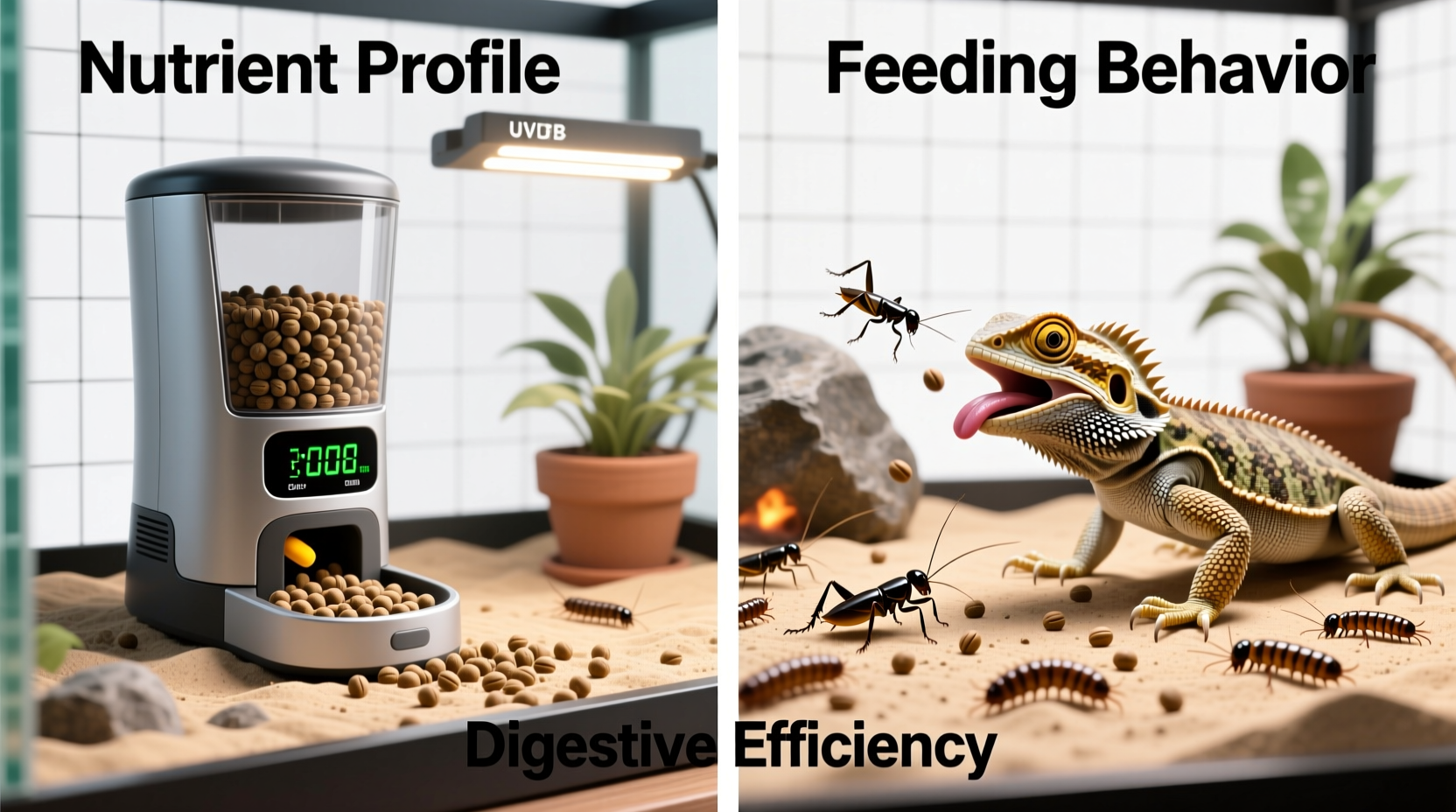
Bearded dragons are omnivores with shifting dietary requirements as they age. Juveniles require a higher proportion of animal protein—up to 80% of their diet—to support rapid growth and development. Adults transition toward a more herbivorous pattern, with insects making up only 20–30% of total intake. Regardless of life stage, the quality of animal protein matters significantly.
Live insects such as crickets, dubia roaches, black soldier fly larvae, and silkworms provide not just protein but also hydration, movement-based stimulation, and essential amino acids. Crucially, these prey items can be gut-loaded (fed nutrient-rich foods before being offered) and dusted with calcium and vitamin supplements—practices that directly influence the nutritional value passed on to the dragon.
In contrast, processed or pre-killed insect options available in some automatic feeders often lack moisture content and may degrade in nutritional quality over time due to storage conditions. Freeze-dried insects, while convenient, do not replicate the hydration benefits of live prey and may reduce palatability and digestive efficiency.
“Live prey offers a complete package: hydration, movement-induced hunting behavior, and maximal nutrient transfer through proper gut-loading.” — Dr. Laura Jenkins, DVM, Exotic Animal Nutrition Specialist
How Automatic Reptile Feeders Work
Automatic reptile feeders are mechanical devices designed to dispense food at scheduled intervals. Most models consist of a rotating carousel or hopper system that holds individual portions of food—typically freeze-dried or pre-killed insects—and releases them into the enclosure via timer settings. Some advanced units integrate humidity sensors or remote control via smartphone apps.
These feeders are marketed primarily for convenience, especially useful for owners who travel frequently or maintain multiple reptiles. They aim to prevent overfeeding by portioning meals and reducing human error in scheduling. However, functionality does not automatically equate to nutritional adequacy.
The core limitation lies in the type of food compatible with these systems. Because moving parts cannot handle live organisms, automatic feeders rely exclusively on preserved insects. These are typically dehydrated, which strips away natural moisture—a key component in hydration for species like bearded dragons that may not drink from standing water consistently.
Tip: If using an automatic feeder, always supplement with fresh greens and mist the enclosure regularly to compensate for lost hydration from dry insect diets.Comparative Analysis: Live Food vs. Automatic Feeder Output
To assess which method better supports sustained nutrition, consider the following factors:
| Factor | Live Food | Automatic Feeder (Preserved Insects) |
|---|---|---|
| Nutrient Retention | High – especially when gut-loaded and supplemented | Moderate to low – nutrients degrade over time |
| Hydration Contribution | Significant – live insects contain 70–80% water | Negligible – freeze-dried insects are nearly moisture-free |
| Digestibility | Excellent – natural chitin and enzymes aid digestion | Reduced – dehydration alters exoskeleton structure |
| Behavioral Enrichment | High – promotes natural hunting instincts | Low – no movement or interaction |
| Convenience & Consistency | Requires daily effort; risk of missed feedings | High – programmable and reliable |
| Risk of Impaction | Low if appropriately sized and hydrated | Potentially higher due to dry texture and reduced motility post-consumption |
While automatic feeders excel in reliability and ease of use, they fall short in delivering the full spectrum of nutritional and physiological benefits that live food provides. The absence of movement reduces mental engagement, potentially leading to lethargy or decreased appetite over time. Moreover, studies suggest that reptiles fed motionless prey exhibit slower gastric emptying rates, possibly affecting overall nutrient absorption.
Real-World Case Study: A Balanced Approach in Practice
Mark Thompson, a herpetology enthusiast and owner of three adult bearded dragons in Portland, Oregon, experimented with switching entirely to an automatic feeder during a six-week business trip. He programmed the device to release freeze-dried crickets twice daily and supplemented with automated misting and UVB timers.
Upon return, he noticed two of his dragons had reduced fecal output and appeared less active. One showed mild signs of dehydration despite misting. Blood tests revealed slightly lower plasma protein levels and borderline calcium saturation. After reintroducing live dubia roaches and increasing fresh vegetable offerings, all three dragons regained normal activity and bowel function within ten days.
Thompson concluded: “The feeder kept them fed, but not truly nourished. It was a lesson in understanding the difference between sustenance and optimal health.”
Today, he uses the automatic feeder only for emergency backup during short absences, relying primarily on hand-fed live prey and daily greens rotation.
Best Practices for Maintaining Nutrition Across Feeding Methods
For owners seeking both convenience and high nutrition, a hybrid strategy often proves most effective. Below is a step-by-step guide to integrating automatic feeders without compromising dietary quality.
Step-by-Step: Hybrid Feeding Protocol
- Evaluate your schedule: Determine how many days per week you can personally supervise feeding. Even 3–4 days of live feeding can maintain baseline health.
- Select a high-quality automatic feeder: Choose one compatible with soft-bodied dried insects (e.g., dried silkworms) rather than hard-shelled varieties that increase impaction risk.
- Pre-gut-load and dust before loading: Treat dried insects with a light mist of water and nutrient spray before placing them in the feeder to rehydrate and enrich.
- Set feeding times during peak activity: Program dispensing for mid-morning and early afternoon, aligning with the dragon’s natural basking and hunting rhythm.
- Supplement daily with fresh produce: Offer collard greens, dandelion leaves, squash, and berries every day, regardless of insect source.
- Monitor droppings and behavior weekly: Watch for changes in stool consistency, appetite, or energy levels—early indicators of nutritional imbalance.
- Rotate live feeding at least three times weekly: Prioritize gut-loaded crickets or roaches on non-feeder days to ensure hydration and enrichment.
Expert Recommendations and Industry Trends
Veterinary associations such as the Association of Reptilian and Amphibian Veterinarians (ARAV) emphasize that no current automatic feeder can fully replace the biological and psychological benefits of live prey. While technology improves, the consensus remains firm: live food should form the foundation of a juvenile bearded dragon’s diet, with preserved options reserved for supplementation or temporary use.
Dr. Alan Perez, a board-certified exotic veterinarian, explains: “We’re seeing more cases of subclinical malnutrition in pets fed exclusively on processed diets. The dragons survive, yes—but they don’t thrive. Their immune response is weaker, shedding cycles are disrupted, and bone density suffers over time.”
Manufacturers are beginning to respond. Emerging prototypes include refrigerated compartments for storing live micro-crickets and timed release mechanisms using biodegradable pods. However, these remain niche and unproven in long-term use.
Frequently Asked Questions
Can I use an automatic feeder for a baby bearded dragon?
No. Juvenile bearded dragons require frequent feeding (2–3 times daily) with highly nutritious, hydrating live prey. Automatic feeders typically dispense inadequate portions and inappropriate food types for this life stage. Hand-feeding live insects ensures proper intake and monitoring.
Are freeze-dried insects safe for regular use?
In moderation, yes—but they should never be the primary protein source. Always rehydrate them briefly with water or nutrient solution before offering, and pair with calcium-rich vegetables to offset their low moisture and mineral content.
What’s the best way to transition from live food to an automatic feeder?
Do not transition completely. Instead, use the feeder for one meal every other day while continuing live feeding for the remainder. Monitor weight, hydration, and defecation patterns closely. If any decline occurs, revert to full manual feeding immediately.
Checklist: Ensuring Nutritional Integrity in Any Feeding System
- ☑ Gut-load all live insects for at least 24 hours before feeding
- ☑ Dust insects with calcium (without D3) 3–4 times weekly; add multivitamin once weekly
- ☑ Provide fresh vegetables daily—even when using automatic feeders
- ☑ Ensure access to clean water via misting or shallow dish, especially with dry diets
- ☑ Limit feeder use to no more than 3 days consecutively without live prey reintroduction
- ☑ Clean feeder mechanism weekly to prevent bacterial buildup
- ☑ Observe your dragon eating at least once per week to confirm appetite and swallowing ability
Conclusion: Prioritizing Health Over Convenience
Automatic reptile feeders represent a compelling innovation in pet care technology, offering real benefits in consistency and time management. However, when it comes to maintaining the full nutritional profile necessary for a thriving bearded dragon, live food remains unmatched. Its combination of hydration, bioavailable nutrients, and behavioral stimulation supports holistic health in ways that preserved alternatives cannot yet replicate.
The smartest path forward is not choosing one method over the other, but integrating them wisely. Use automatic feeders as tools for support—not substitutes for active care. Reserve them for vacations, busy weeks, or supplemental feedings, while keeping live prey at the center of your dragon’s diet. With thoughtful planning, you can enjoy the peace of mind that comes with automation without sacrificing the vitality that only real food can provide.
💬 Have experience with automatic feeders or live feeding? Share your insights below. Your story could help another reptile owner make a healthier choice today.








