
For cat owners, cleaning the litter box ranks among the least enjoyable parts of pet ownership. It’s time-consuming, unpleasant, and often leads to lingering odors. Enter the automatic litter box: a high-tech solution promising hands-free waste management. Marketed as a luxury for both cats and their humans, these devices claim to detect when your cat uses the box, sift out clumps, and deposit them into a sealed compartment—leaving behind clean litter. But with price tags ranging from $200 to over $700, many pet parents are left wondering: Are automatic litter boxes actually worth it, or are they just an expensive, malfunction-prone gimmick?
This article dives deep into the functionality, benefits, drawbacks, and long-term value of automatic litter boxes. By examining real-world performance, expert insights, and owner feedback, we’ll help you determine whether this modern convenience is a smart upgrade or a costly misstep.
How Do Automatic Litter Boxes Work?
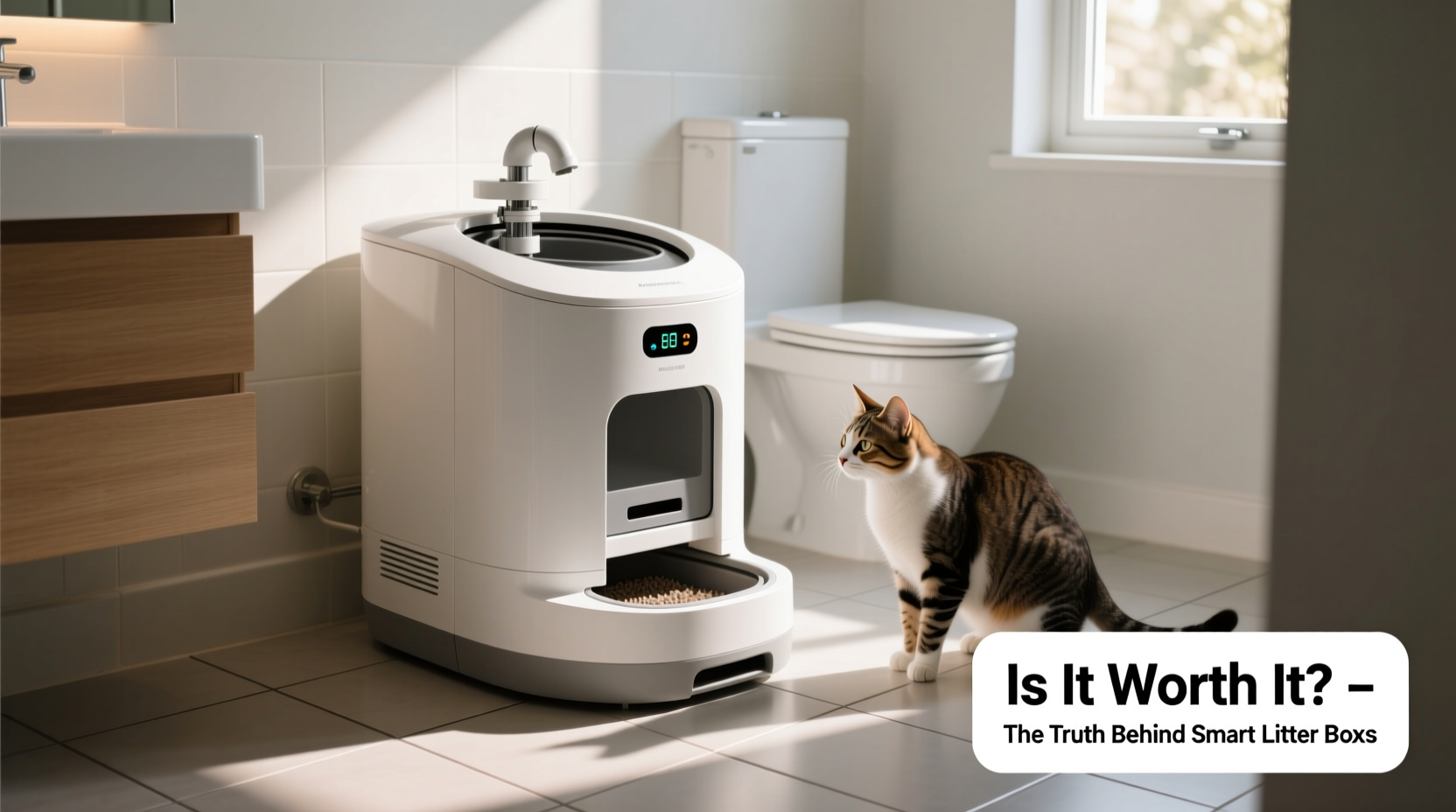
Automatic litter boxes use sensors, timers, or motion detection to identify when a cat has finished using the box. Once the cat exits, the system activates a cleaning cycle. Most models operate on one of two mechanisms:
- Raking Systems: A motorized rake moves through the litter after a delay (usually 7–15 minutes), separating clumped waste and depositing it into a sealed drawer or bag.
- Rolling or Sifting Mechanisms: The entire tray rotates or vibrates, allowing clean litter to fall back into the main chamber while waste rolls into a collection bin.
The waste is typically stored in a disposable liner or cartridge that can be sealed and removed without direct contact. Some advanced models connect to smartphone apps, sending notifications when the waste drawer is full or maintenance is needed.
Tip: Always allow a transition period when introducing an automatic litter box—many cats need time to adjust to the noise and movement.Pros: Why Owners Love Them
Despite their cost, automatic litter boxes have developed a loyal following. For many, the convenience outweighs the price tag. Here’s what users consistently praise:
- Reduced Daily Maintenance: No more scooping every morning. With an automatic system, the daily chore is replaced by emptying the waste drawer every few days.
- Better Odor Control: Sealed waste compartments significantly reduce ammonia and urine smells compared to open litter boxes.
- Larger Capacity: Most automatic models hold more litter than standard boxes, reducing refill frequency.
- Multi-Cat Compatibility: Certain brands, like Litter-Robot and PetSafe ScoopFree, support multiple cats with adjustable settings.
- Health Monitoring: Some owners report noticing changes in their cat’s habits—such as frequency or volume of waste—thanks to consistent tracking features.
“Automatic litter boxes aren’t just about convenience—they’re about consistency. Cats thrive on routine, and a clean box every time supports better urinary health.” — Dr. Lena Patel, DVM, Feline Wellness Specialist
Cons: Where They Fall Short
Despite their promise, automatic litter boxes come with notable downsides. These issues often stem from design limitations, mechanical failures, or feline behavior.
Mechanical Failures and Reliability Issues
No machine is immune to breakdowns. Common complaints include jammed rakes, sensor malfunctions, and motor burnout—especially in older models. Repair costs can exceed half the price of a new unit, and replacement parts may be hard to find.
Litter Compatibility Limitations
Most automatic systems require specific types of clumping litter. Crystal litter, lightweight formulas, or eco-friendly options may not work properly, limiting your choices and sometimes increasing long-term costs.
Cat Resistance and Noise Sensitivity
Not all cats adapt well. The sound of the cleaning cycle, sudden movements, or enclosed spaces can scare some cats away. This is especially true for older cats, shy personalities, or those with past trauma.
Size and Space Requirements
These units are significantly larger than traditional boxes. In small apartments or tight spaces, finding room can be a challenge. Additionally, tall cats or large breeds may struggle to enter or turn around comfortably.
Tip: Test the entry height with your cat before purchasing. If they hesitate at the threshold, they likely won’t use it regularly.Cost Analysis: Are They Worth the Investment?
To evaluate value, consider both upfront and ongoing expenses. Below is a comparison between manual and automatic litter management over a three-year period.
| Expense Type | Manual Litter Box (3 Years) | Automatic Litter Box (e.g., Litter-Robot 4) |
|---|---|---|
| Initial Cost | $20 (box + scoop) | $600 |
| Litter (Clumping, Monthly) | $25 x 36 = $900 | $25 x 36 = $900 |
| Replacement Parts/Maintenance | $0 | $100 (liners, rake replacements) |
| Total Estimated Cost | $920 | $1,600 |
At first glance, the automatic option nearly doubles the cost. However, this calculation doesn’t account for intangible benefits: saved time (roughly 15 minutes per day, or 135 hours over three years), reduced physical strain, and improved indoor air quality.
For individuals with mobility issues, busy professionals, or multi-cat households, the time and effort saved may justify the premium. But for budget-conscious owners or those with finicky cats, the return on investment is less clear.
Real User Experience: A Case Study
Sarah Thompson, a software engineer and owner of two rescue cats (Miso and Nori), purchased a Litter-Robot 3 Connect after struggling with litter tracking and odor in her studio apartment.
“I was spending 20 minutes a day scooping, and the smell still bothered me. After reading reviews, I decided to take the plunge. The first week was rocky—Nori was terrified of the noise. I covered the top with a blanket and used treats to create positive associations. By week three, both cats were using it confidently.”
Sarah now empties the waste drawer every four to five days and receives app alerts when maintenance is due. She estimates she’s saved over 100 hours of labor in the past year. While she admits the device is “not silent,” she says it’s been “a game-changer” for her mental load as a pet owner.
However, when the rake mechanism jammed after eight months, customer service took three weeks to ship a replacement part. “It wasn’t a dealbreaker,” she says, “but it reminded me that this is a machine, not magic.”
Choosing the Right Model: A Buyer’s Checklist
Before investing, ask yourself the following questions to determine if an automatic litter box fits your lifestyle:
- ✅ Do I have space for a large, semi-enclosed unit?
- ✅ Am I willing to pay a premium for convenience and time savings?
- ✅ Do my cats tolerate noise and movement near their litter area?
- ✅ Am I prepared for occasional maintenance or repairs?
- ✅ Will I commit to regular cleaning of sensors and moving parts?
- ✅ Do I own one cat or multiple? (Some models handle multi-cat homes better.)
- ✅ Can I afford the initial cost plus ongoing supplies (special liners, compatible litter)?
If most answers are “yes,” an automatic litter box could be a worthwhile upgrade. If not, a high-quality self-cleaning pan or double-box system might offer a middle ground.
Alternatives and Hybrid Solutions
For those hesitant about going fully automatic, consider these alternatives:
- Top-Entry Self-Cleaning Boxes: Combine privacy with basic raking functions at lower prices (e.g., PetSafe Simply Clean).
- Dual-Box Setup: Rotate between two traditional boxes, cleaning one while the other is in use.
- Odor-Control Litters: Brands like Dr. Elsey’s or Purina Tidy Cats Breeze reduce smell and tracking without electronics.
- Litter Box Furniture: Enclose a standard box in a stylish cabinet with carbon filters to manage odor discreetly.
These options deliver many benefits of automation—like reduced odor and easier cleanup—without relying on motors or apps.
Frequently Asked Questions
Can kittens or senior cats use automatic litter boxes?
Kittens under 6 months may be too light to trigger sensors reliably. Similarly, arthritic or elderly cats might struggle with high entry thresholds. Supervised testing is recommended before full adoption.
Do automatic litter boxes reduce litter tracking?
Yes, many models include built-in mats or enclosed entries that trap litter. However, tracking isn’t eliminated—especially if your cat kicks vigorously. Regular mat cleaning is still necessary.
Are there health risks if the box fails to clean properly?
A malfunctioning unit can leave waste sitting for hours, increasing ammonia exposure and raising the risk of urinary tract infections. Regular inspection and timely maintenance are crucial to prevent health issues.
Final Verdict: Gimmick or Game-Changer?
Automatic litter boxes are neither universally miraculous nor inherently flawed. Their value depends entirely on your household dynamics, expectations, and willingness to troubleshoot.
For tech-savvy owners with adaptable cats and the budget to absorb both upfront and repair costs, these devices offer genuine improvements in hygiene, convenience, and quality of life. They eliminate a daily chore, reduce odor, and provide peace of mind—especially during travel or illness.
On the other hand, they are not a “set and forget” solution. They require maintenance, compatible supplies, and behavioral patience. For cats that resist change or homes with limited space, the drawbacks may outweigh the perks.
In essence, automatic litter boxes are not a gimmick—but they’re also not for everyone. When matched with the right user and pet, they can transform a tedious task into a seamless part of pet care. When mismatched, they become expensive furniture gathering dust in the corner.
🚀 Ready to make a decision? Start by observing your cat’s current litter habits, measuring your available space, and setting a realistic budget. Then, test one model with a return policy—or try a rental program if available. Your perfect balance of convenience and practicality is within reach.








