For cat owners juggling busy schedules, the promise of a self-cleaning litter box is undeniably appealing. No more scooping daily, no more holding your breath while cleaning, and fewer trips to replace clumping litter—just let the machine handle it. But behind the sleek design and high-tech claims lies a persistent question: Is an automatic litter box truly worth the money, or is it just another expensive appliance waiting to clog, malfunction, and leave you knee-deep in waste?
The answer isn’t straightforward. While some users swear by their automatic boxes as life-changing tools, others recount stories of motor failures, false triggers, and unhygienic messes that manual scooping could have avoided. To help you decide, we’ll examine performance, reliability, cost implications, and real-world experiences—so you can determine whether this gadget earns its place in your home or belongs on the shelf of overpriced pet gadgets.
How Automatic Litter Boxes Work
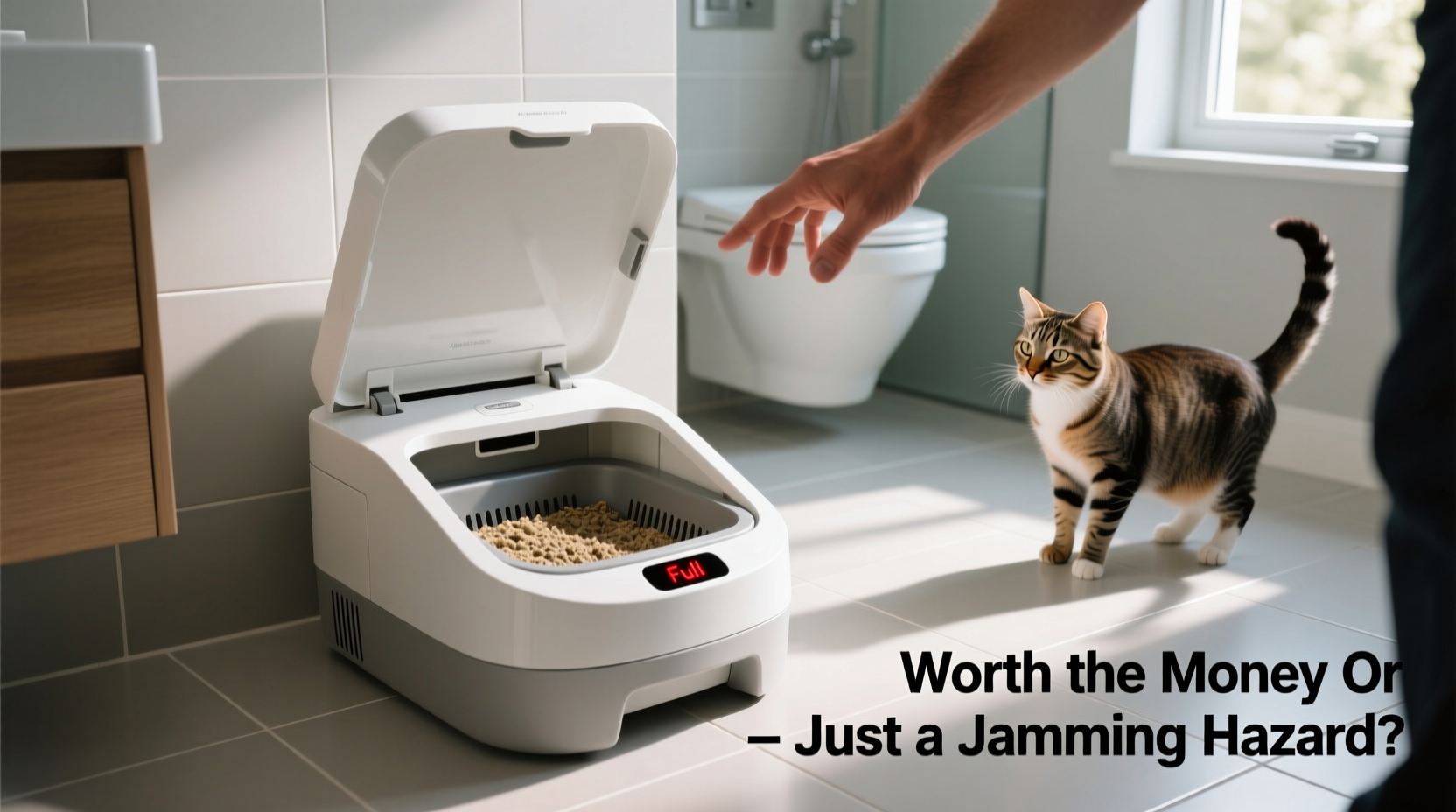
Most automatic litter boxes operate on a similar principle: after your cat uses the box, sensors detect when they’ve left, triggering a mechanical rake or sifting system to separate solid waste from clean litter. The waste is then deposited into a sealed compartment or disposable bag, minimizing odor and contact.
There are two primary mechanisms:
- Clumping Sensor Rakes: These use infrared sensors to detect when a cat exits the box. After a delay (usually 7–15 minutes), a rake moves across the litter bed, filtering out clumps and depositing them into a waste drawer.
- Sifting & Rotating Systems: Some models, like the Litter-Robot, use a rotating globe. Once triggered, the globe spins slowly, allowing clean litter to fall back through a sieve while waste remains trapped inside.
Advanced models include app connectivity, usage tracking, carbon filters, and even voice alerts for maintenance. But complexity brings risk—more moving parts mean more potential points of failure.
Tip: Always allow a 3–5 day acclimation period when introducing your cat to an automatic litter box. Many issues stem from stress, not mechanics.Pros: Where Automatic Boxes Shine
When they work properly, automatic litter boxes offer tangible benefits—especially for specific households.
Time and Effort Savings
Daily scooping adds up. For multi-cat homes, it’s not uncommon to spend 10–15 minutes per day managing litter. An automatic system reduces this to emptying a waste drawer every few days and refilling litter monthly. Over a year, that’s 60+ hours saved.
Better Odor Control
Sealed waste compartments with carbon filters significantly reduce ammonia and fecal odors. Because waste is isolated immediately, smells don’t linger like they do in open trays or even covered boxes.
Improved Hygiene
Less direct contact with waste means lower exposure to bacteria and parasites. This is particularly valuable for immunocompromised individuals or households with young children.
Monitoring Capabilities
Premium models track usage frequency, which can alert owners to changes in bathroom habits—a key early indicator of urinary tract infections, constipation, or kidney issues. Some apps even send notifications if your cat hasn’t used the box in over 48 hours.
“Automatic litter boxes can be early warning systems for health problems. A sudden drop in usage often precedes a vet visit.” — Dr. Lena Torres, DVM, Feline Wellness Specialist
Cons: The Jamming Hazard and Beyond
No technology is flawless—and automatic litter boxes come with well-documented downsides.
Mechanical Failures and Jams
This is the most common complaint. Rakes can snag on oversized clumps, foreign objects (like toys or hair ties), or tangled fur. When this happens, the mechanism may stall, grind, or stop entirely. In worst-case scenarios, the motor burns out or the rake becomes misaligned.
One Reddit user reported their $700 unit failing after three months due to a single hairball clogging the sifter. Another described waking up to a “litter explosion” after the rake reversed unexpectedly mid-cycle.
Litter Compatibility Issues
Not all litters work. Most manufacturers require clumping clay or plant-based clumping formulas. Silica crystals, lightweight litters, or non-clumping varieties often fail to form proper clumps, leading to incomplete separation and residual waste left behind.
Cat Rejection
Some cats dislike the noise, movement, or confined space. The spinning motion of a Litter-Robot or the sound of a motorized rake can startle sensitive animals. Others refuse to use a box that “attacks” them after exiting—even with delayed activation.
High Upfront and Ongoing Costs
Prices range from $300 to over $700. Replacement parts (rakes, filters, liners) add $50–$150 annually. If your model uses proprietary waste bags, those can cost $1–$2 each, adding up fast.
Size and Space Requirements
These units are large. The Litter-Robot alone measures 28” x 22” x 27”. They won’t fit under most furniture and can dominate small rooms. Multi-cat homes may need multiple units, doubling both cost and footprint.
Who Should Buy One? A Practical Checklist
Before investing, ask yourself these questions. Check any that apply:
Checklist: Is an Automatic Litter Box Right for You?- ✅ I have at least one cat who tolerates new environments well
- ✅ I’m willing to monitor and maintain the unit weekly
- ✅ I live in a space where odor control is critical (e.g., studio apartment)
- ✅ I travel frequently and want consistent litter management
- ✅ I have mobility issues or chronic pain that makes scooping difficult
- ✅ I can absorb a $300–$700 initial cost without strain
- ✅ I have space for a large, permanent fixture near a power outlet
If you checked four or more, an automatic box may be a worthwhile investment. If not, consider sticking with high-quality manual solutions or semi-automatic hybrids.
Real-World Case Study: The Johnson Family’s Two-Year Test
The Johnsons, a family of three in Portland, adopted two rescue cats in 2022. With long commutes and limited energy after work, daily scooping became a point of tension. They invested in a Litter-Robot 4 at $699.
First 6 Months: Smooth sailing. The cats adapted quickly. Odors diminished, and the parents appreciated the app alerts. Waste drawer was emptied every 4–5 days.
Month 8: The unit began making a grinding noise. Upon inspection, a buildup of damp clumps had warped the sieve. Customer support sent a replacement part, but shipping took 10 days. During that time, they reverted to a temporary tray.
Month 14: One cat started avoiding the box. A vet visit revealed no medical issue, but observation showed the cat feared the rotation sound. They adjusted the sensitivity and added a second manual box in a quieter room.
Month 24: Motor failed completely. Despite regular cleaning, debris had worn internal components. Repair quote: $180. They opted not to fix it and returned to manual scooping with a top-entry hooded box.
Verdict: “It was amazing while it lasted,” said Sarah Johnson. “But for us, the maintenance and stress outweighed the convenience. I’d recommend it for single-cat homes with low-anxiety pets, but not for everyone.”
Comparison Table: Top Models vs. Key Factors
| Model | Price | Jam Risk | Litter Type | App Features | Best For |
|---|---|---|---|---|---|
| Litter-Robot 4 | $699 | Medium-High | Clumping only | Yes (usage tracking, alerts) | Tech-savvy owners, odor control |
| PetSafe ScoopFree Ultra | $250 | Low-Medium | Crystal trays (non-clumping) | No | Renters, low-maintenance preference |
| Omega Paw Roll’n Clean | $40 | Very Low | All clumping | No | Budget buyers, manual but efficient |
| Tidy Cats Breeze System | $60 | Low | Pellets + absorbent pad | No | Urinary issue monitoring, seniors |
| Self-Cleaning Kit (DIY retrofit) | $100–$150 | High | Varies | Limited | Hobbyists, tinkerers |
Note: Higher price doesn’t always mean higher reliability. The Omega Paw, though manual, offers 90% of the efficiency of automated models at a fraction of the cost and failure rate.
Step-by-Step Guide to Maximizing Success
If you decide to try an automatic litter box, follow these steps to minimize issues:
- Choose the Right Model: Research reviews focused on durability, not just features. Prioritize brands with accessible customer service.
- Introduce Gradually: Place the new unit beside the old one. Let your cat explore it empty for 2–3 days before activating.
- Use Compatible Litter: Stick to manufacturer-recommended types. Avoid scented or additive-heavy formulas.
- Set Sensitivity Correctly: Adjust weight thresholds so small pets or children don’t trigger cycles.
- Clean Weekly: Wipe down sensors, check for clump buildup, and vacuum around moving parts.
- Monitor Usage: Watch for avoidance behavior. If a cat stops using it, revert temporarily and reintroduce slowly.
- Have a Backup Plan: Keep a spare litter box ready in case of malfunction.
Frequently Asked Questions
Do automatic litter boxes really save money over time?
Generally, no. High upfront cost and ongoing expenses for bags, filters, and repairs typically exceed the lifetime cost of a quality manual box and litter. However, they may save *time* and *effort*, which some users value more than direct savings.
Can I use my own litter with these systems?
Only if it meets specifications. Most require medium-grain clumping litter (4–7mm). Lightweight or dusty litters may not sift properly and can damage motors. Always test in small batches first.
Are there quieter models available?
Yes, but none are silent. The PetSafe ScoopFree operates with a soft scraping sound, while the Litter-Robot has a noticeable hum during rotation. Placing the unit on a rug or in a laundry room can help reduce perceived noise.
Conclusion: Weigh Convenience Against Reliability
An automatic litter box isn’t inherently a waste of money—but it’s not a universal solution either. It excels in specific contexts: single-cat homes with adaptable pets, owners with physical limitations, or situations where odor and hygiene are paramount. For others, especially those with anxious cats, tight budgets, or minimal space, the risks of jamming, cost, and rejection may outweigh the perks.
Technology continues to improve. Future models may feature smarter sensors, modular parts, and better durability. But today’s buyer must go in with eyes open: this is a high-maintenance convenience tool, not a “set and forget” appliance.
If you proceed, treat it like any major purchase—research thoroughly, read long-term reviews, and have a fallback plan. And remember: no gadget replaces attentive pet care. Whether you scoop manually or rely on automation, your cat’s health and comfort depend on consistent observation and love.
💬 Have experience with automatic litter boxes—good or bad? Share your story in the comments. Your insights could help another pet owner avoid a costly mistake or discover a game-changing tool.








