
For cat owners, managing litter box maintenance is one of the most consistent — and often unpleasant — responsibilities of pet ownership. The daily scooping, the lingering smells, the awkward timing when your cat decides to use the box mid-conversation: these are all too familiar. Enter the automatic litter box — a high-tech solution promising hands-free cleaning and superior odor control. But with price tags often exceeding $300, many pet parents are left wondering: are automatic litter boxes actually worth it? And more specifically, do they really control odor better than traditional or even premium manual boxes?
The answer isn’t a simple yes or no. It depends on your lifestyle, your cat’s temperament, the model you choose, and how well you maintain the system. This article dives deep into the mechanics of automatic litter boxes, evaluates their odor-fighting capabilities, and provides real insights from users and experts to help you make an informed decision.
How Automatic Litter Boxes Work
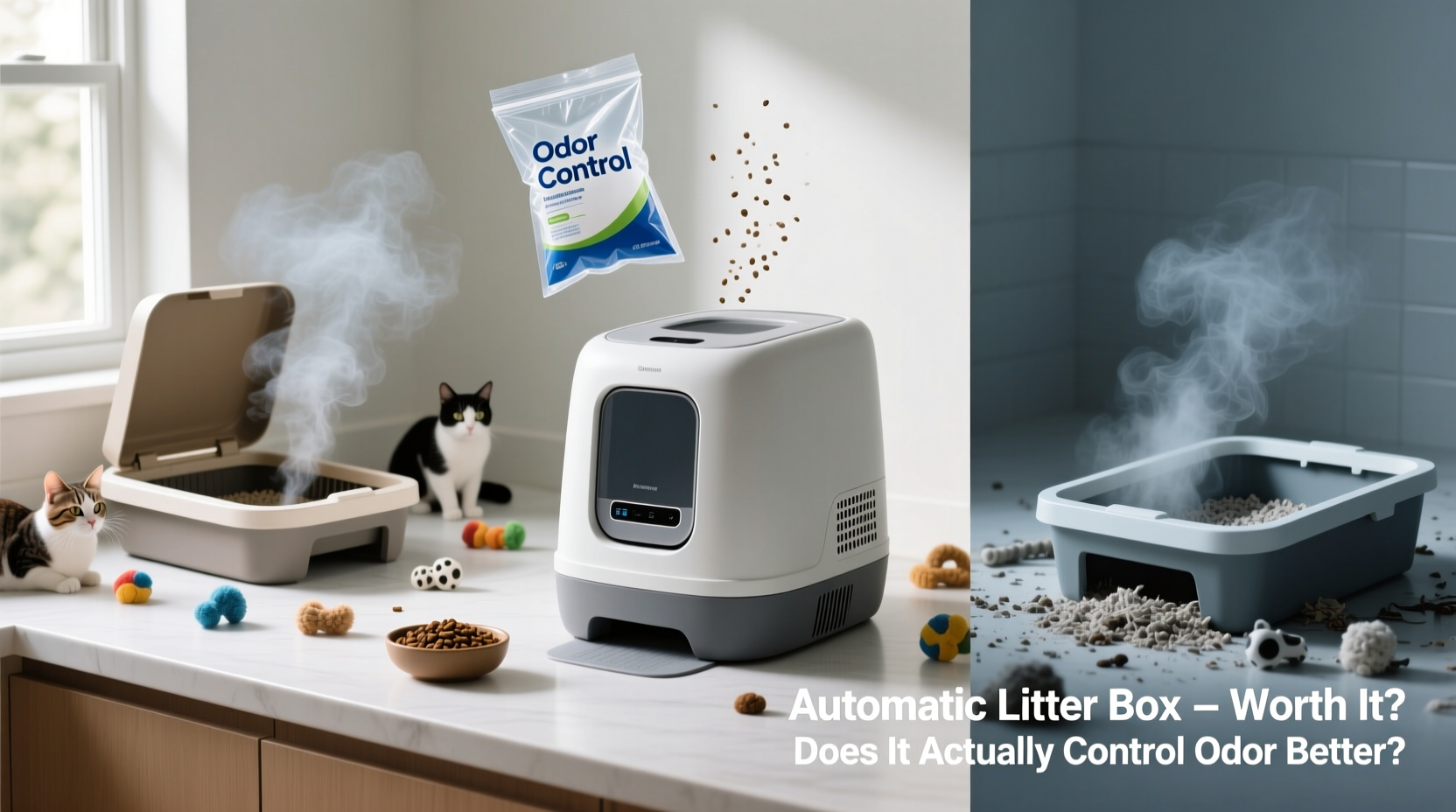
Automatic litter boxes use sensors, timers, or motion detection to identify when a cat has finished using the box. After a short delay (usually 7–15 minutes), the unit activates a cleaning cycle that sifts out waste and deposits it into a sealed compartment or waste drawer. Most models separate clumps from clean litter using rotating rakes, sifting grids, or oscillating trays.
There are two primary types:
- Fully automatic self-cleaning boxes: These handle the entire process without user intervention after setup. Examples include the Litter-Robot, PetSafe ScoopFree Ultra, and CatGenie.
- Smart-connected boxes: These integrate with apps, allowing remote monitoring, cycle adjustments, and usage tracking. Some can send alerts when the waste drawer is full or if your cat hasn’t used the box in a while.
The sealed waste compartments in many models are designed to trap odor by isolating waste immediately after use. Some also include carbon filters, deodorizing pods, or fragrance dispensers to further reduce smell.
Tip: Always allow your cat time to adjust to a new automatic box—some may be startled by noise or movement at first.Do They Actually Control Odor Better?
Odor control is one of the biggest selling points for automatic litter boxes. To assess whether they deliver, we need to compare them to traditional methods under real conditions.
In a standard litter box, waste sits exposed until manually scooped. Even with high-clumping, odor-controlling litter, ammonia and sulfur compounds begin releasing within minutes. In multi-cat households, this becomes exponentially worse. Frequent scooping helps, but few people manage it multiple times per day.
Automatic boxes aim to close that gap by removing waste shortly after use. Because waste is isolated in a sealed container, airborne odor is significantly reduced. Many users report a noticeable decrease in ambient litter box smell—especially when compared to a neglected manual box.
“Automatic litter boxes don’t eliminate odor—they manage it more efficiently. Immediate waste removal is key.” — Dr. Lena Patel, DVM, Feline Behavior Consultant
However, effectiveness varies by model. Units with poor sealing mechanisms or inadequate filtration can still emit odors, particularly as the waste drawer fills up. Additionally, some designs stir the entire litter bed during cleaning, temporarily aerosolizing trapped smells before filtering them.
Key Factors That Influence Odor Control
- Sealing mechanism: Airtight waste drawers with rubber gaskets perform better than open bins.
- Filter quality: Replaceable carbon filters absorb volatile compounds more effectively than basic mesh screens.
- Cleaning frequency: Even automatic systems require regular emptying. A full waste drawer will eventually leak odor regardless of design.
- Litter type: Not all litters work with every system. Using non-recommended litter can lead to clumping issues and increased odor.
Comparative Analysis: Automatic vs. Manual Litter Boxes
| Feature | Automatic Litter Box | Manual Litter Box |
|---|---|---|
| Odor Control | High (when maintained) | Moderate to Low (depends on scooping frequency) |
| Daily Maintenance | Minimal (empty waste drawer weekly) | Required (scooping 1–2x daily) |
| Upfront Cost | $300–$700 | $20–$50 |
| Ongoing Costs | Replacement filters, specialty litter, liners | Litter only |
| Space Requirements | Larger footprint | Compact options available |
| Cat Acceptance | Varies (some cats fear noise/movement) | Generally high |
While automatic boxes excel in convenience and consistent waste removal, they aren’t foolproof. Their odor advantage is most apparent in homes where manual scooping is inconsistent. For diligent scoopers who use premium litter and change it weekly, the difference may be less dramatic.
Real-World User Experience: A Mini Case Study
Sarah Thompson, a software engineer and owner of two adult cats (Miso and Nori), switched to a Litter-Robot 4 after years of daily scooping. Living in a small apartment with limited ventilation, she found the persistent smell overwhelming despite using top-tier clumping litter.
“I was skeptical at first,” Sarah admits. “The price was steep, and I worried my cats wouldn’t adapt. But within three days, both cats were using it without hesitation. The biggest change? I stopped dreading walking into the bathroom. The sealed waste drawer makes a huge difference. I empty it once a week, and there’s zero smell unless I open it.”
She notes one drawback: occasional ‘false cycles’ triggered by her larger cat brushing against the side. Still, she says the trade-off is worth it. “I’ve regained about 15 minutes a day. Over a year, that’s over 90 hours saved. And my partner doesn’t complain about the ‘cat corner’ anymore.”
Sarah’s experience reflects a common trend: users who value time, space, and air quality tend to rate automatic boxes highly—especially in shared living environments.
What Experts Say About Long-Term Use
Veterinarians and feline behaviorists generally support automatic litter boxes as long as they meet basic hygiene and usability standards. However, they caution against assuming these devices replace oversight.
“These systems can improve litter box hygiene, but they’re not set-and-forget. Owners still need to monitor litter levels, clean the unit monthly, and ensure their cats are using it consistently.” — Dr. James Holloway, Veterinary Advisor at CatWell Clinic
One concern is mechanical failure. If a rake jams or a sensor fails, waste can accumulate unnoticed for days—leading to worse odor and potential litter box avoidance. Regular inspection is essential.
Additionally, not all cats adapt easily. Older cats or those with anxiety may be frightened by the noise or movement. Introducing the box gradually—leaving it on standby mode for several days—can ease the transition.
Step-by-Step Guide to Maximizing Odor Control
To get the best performance from your automatic litter box, follow this routine:
- Choose the right model: Prioritize units with strong sealing, replaceable carbon filters, and quiet operation.
- Use recommended litter: Avoid scented or low-dust alternatives unless approved by the manufacturer. Clumping silica or crystal litters often work best.
- Perform weekly maintenance: Empty the waste drawer, wipe down surfaces, and check for debris in the rake or sifter.
- Replace filters monthly: Carbon loses effectiveness over time. Mark your calendar or set app reminders.
- Clean the entire unit monthly: Disassemble and wash components with mild soap and water. Let dry completely before reassembling.
- Monitor your cat’s usage: Sudden avoidance could signal a mechanical issue or health problem.
Cost-Benefit Breakdown: Are They Worth It?
Let’s break down the financial and practical equation.
An average automatic litter box costs between $400 and $600. Add $10–$20 per month for replacement filters, liners, and specialty litter. Over three years, that’s roughly $800–$1,000 in total investment.
Compare that to a manual box: $30 upfront, $15–$25 monthly for litter, and daily scooping labor. Total cost: ~$600–$800 over the same period. The automatic option is slightly more expensive—but saves significant time and effort.
The real value lies in intangible benefits:
- Improved indoor air quality
- Reduced physical strain (for elderly or disabled owners)
- Greater consistency in cleanliness
- Better integration into small or shared living spaces
If you travel frequently, work long hours, or simply dislike scooping, the convenience factor alone may justify the cost. But if you’re already on top of litter maintenance and have a single, low-volume cat, the upgrade might offer diminishing returns.
FAQ
Can automatic litter boxes handle multiple cats?
Yes, many models are designed for multi-cat households. However, you’ll need to empty the waste drawer more frequently—every 3–5 days instead of weekly. Ensure the unit has a large capacity and reliable sensors to prevent missed cycles.
Do they work with kittens or senior cats?
Most manufacturers recommend waiting until kittens are at least 6 months old or weigh over 5 pounds to prevent entrapment. Senior cats may struggle with high entry points or loud noises. Look for models with low thresholds and quiet operation.
Are there any health risks for cats?
No direct health risks have been proven, but poor maintenance can lead to bacterial buildup. Also, some cats develop aversion due to noise or vibration. Always monitor your cat’s behavior after introducing a new system.
Final Verdict and Call to Action
Automatic litter boxes are not magic solutions, but they are powerful tools for modern cat owners seeking cleaner, more convenient pet care. When it comes to odor control, they outperform traditional boxes in most real-world scenarios—provided they’re properly maintained and suited to your household.
Their ability to isolate waste quickly and contain smells in sealed compartments gives them a clear edge over manual scooping, especially in busy or compact living environments. While the upfront cost is high, the long-term savings in time, effort, and indoor air quality can make them a worthwhile investment.
Before buying, consider your cat’s habits, your budget, and your tolerance for maintenance. Read reviews, watch unboxing videos, and check return policies. And remember: technology supports good pet care—it doesn’t replace it.
🚀 Ready to reclaim your time and breathe easier? Research top-rated automatic litter boxes today—and take the first step toward a cleaner, quieter, more pleasant home for you and your cat.








