
Living in a small apartment means every square foot—and every scent—matters. For cat owners, managing litter box odor is more than just comfort; it’s essential to coexistence. As space shrinks, so does the margin for unpleasant smells. This has led many urban pet parents to consider whether upgrading to an automatic litter box is worth the investment, especially when it comes to controlling odor.
While traditional litter boxes have served feline families for decades, modern automatic models promise hands-free cleaning, reduced tracking, and superior odor control. But do they deliver on that promise in tight living spaces? This article breaks down the science, mechanics, and real-world performance of both systems to help you make an informed decision based on your lifestyle, budget, and tolerance for smell.
How Odor Forms in Cat Litter Boxes
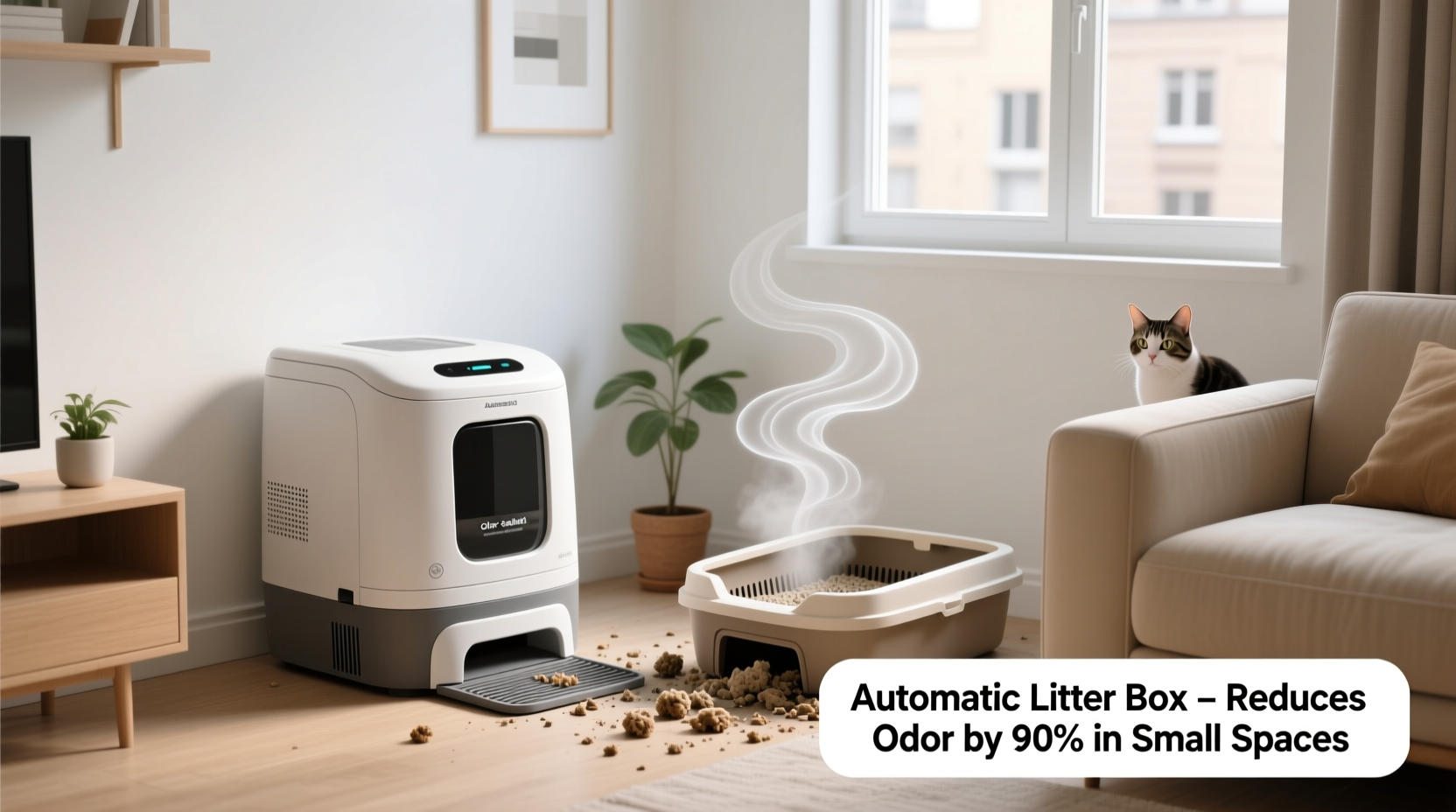
Cat waste produces ammonia and sulfur-based compounds as it decomposes. These gases are the primary source of litter box odor. Moisture accelerates bacterial growth, intensifying the smell. In a small apartment, poor ventilation and proximity to living areas amplify the issue. Even minor lapses in scooping can lead to lingering odors that permeate curtains, upholstery, and air vents.
The type of litter used—clay, silica, pine, or plant-based—affects how well moisture and odor are contained. However, even high-performance litters degrade over time without regular maintenance. The key factor isn’t just the material but how quickly waste is removed and isolated from clean litter.
“Ammonia buildup from urine not only creates strong odors but can also affect respiratory health in both cats and humans, especially in confined spaces.” — Dr. Lena Torres, DVM, Feline Health Specialist
Traditional Litter Boxes: Simplicity with Limitations
Traditional litter boxes are simple: a plastic tray filled with absorbent litter. They require daily scooping to remove solid waste and clumps of urine-soaked litter. When maintained diligently, they can keep odor under control. However, consistency is everything.
In small apartments, placement becomes critical. Many owners tuck the box into bathrooms, closets, or laundry rooms. While this hides it from view, these areas often lack airflow, trapping odors. Without a daily scooping routine, the situation deteriorates quickly.
Tip: Use unscented, clumping litter with baking soda layers beneath to neutralize odors naturally. Avoid heavily perfumed litters—they can irritate cats’ sensitive noses.Traditional boxes are affordable and widely available. Most cats adapt to them easily. However, their effectiveness in odor control depends almost entirely on owner discipline. Miss one day of scooping, and the entire apartment may notice.
Automatic Litter Boxes: Engineering Smell Out
Automatic (or self-cleaning) litter boxes use sensors, rakes, and waste compartments to remove excrement shortly after the cat leaves. Most models separate waste from clean litter within minutes, sealing it in a closed drawer or bag. This rapid isolation drastically reduces exposure time for odor-causing bacteria.
High-end models like the Litter-Robot, PetSafe ScoopFree, or CatGenie integrate carbon filters, deodorizers, and sealed containment systems. Some even send mobile alerts when waste drawers need emptying. Because waste is removed and enclosed quickly, the concentration of airborne ammonia remains low—even in poorly ventilated rooms.
These systems reduce human contact with waste, making them ideal for busy or hygiene-conscious owners. They also minimize litter tracking by using top-entry designs or covered mechanisms that contain particles.
Key Features That Reduce Odor in Automatic Models
- Timed waste removal: Waste is sifted and sealed within 3–7 minutes after use.
- Sealed waste compartments: Prevents gas leakage into the room.
- Carbon or charcoal filters: Absorb volatile organic compounds before they disperse.
- Deodorizing gels or sprays: Some models release fragrance-neutralizing agents automatically.
- Top-entry design: Limits airflow from the litter surface, reducing odor plume.
“In clinical observation, households using sealed automatic litter systems report up to 60% fewer odor complaints, particularly in compact living environments.” — Dr. Alan Pierce, Urban Pet Wellness Researcher
Comparative Analysis: Odor Control in Small Spaces
To evaluate real-world performance, several factors must be weighed beyond marketing claims. The table below compares core attributes relevant to odor reduction in apartments.
| Feature | Traditional Litter Box | Automatic Litter Box |
|---|---|---|
| Waste Removal Speed | Manual, typically once per day | Automatic, within minutes |
| Odor Containment | Low; open exposure unless covered | High; sealed compartments and filters |
| Maintenance Frequency | Daily scooping required | Empty waste drawer every 5–7 days |
| Upfront Cost | $10–$30 | $300–$700 |
| Litter Efficiency | Moderate; frequent disturbance increases dust and waste | High; precise sifting preserves clean litter |
| Noise Level | Silent | Audible motor cycle (~10–15 seconds) |
While automatic boxes excel in odor suppression, they aren’t perfect. Their motors can startle noise-sensitive cats. Some models require proprietary litter trays or liners, increasing long-term costs. And if not cleaned regularly, the internal mechanisms themselves can become sources of odor.
Real-World Example: Two Apartments, Two Choices
Consider two cat owners in identical studio apartments in downtown Seattle.
Maria uses a traditional covered box with premium clumping litter. She works from home and scoops twice daily—morning and night. She places the box in a corner behind a folding screen and runs an air purifier nearby. Despite her diligence, guests occasionally comment on a faint ammonia smell, especially in summer when windows stay shut.
Jamal, on the same floor, uses a Litter-Robot 4. He empties the waste drawer every six days and replaces the carbon filter monthly. His unit sits near a bookshelf, visible but unobtrusive. Visitors rarely detect any odor. Jamal admits the initial cost was steep, but he values the “set and forget” aspect. His cat adapted within three days.
Both setups work, but Jamal’s requires less daily effort and delivers better odor control. Maria’s method is effective only because she maintains strict discipline. For someone with an irregular schedule, her system might fail quickly.
Step-by-Step Guide to Minimizing Litter Odor in Small Apartments
Whether you choose traditional or automatic, follow this timeline to keep smells at bay:
- Day 1: Select a low-traffic, well-ventilated area. Avoid kitchens and bedrooms. Bathrooms with exhaust fans are acceptable if space allows.
- Day 2: Choose a high-clumping, low-dust, unscented litter. Add a half-inch layer of baking soda beneath the litter for extra absorption.
- Day 3: Position an activated carbon air purifier within three feet of the box, running continuously.
- Ongoing (Daily): If using a traditional box, scoop solids and clumps every 12 hours. For automatic models, ensure the rake moves freely and the waste bin isn’t full.
- Weekly: Replace all litter and wash the box with mild soap and water. Do not use bleach or ammonia-based cleaners.
- Monthly: Clean surrounding floors and walls. Vacuum nearby fabrics. Replace carbon filters in automatic units or standalone purifiers.
Checklist: Choosing the Right System for Your Apartment
Use this checklist to decide which option suits your needs:
- ✅ Do you have consistent time to scoop daily? → Traditional may suffice.
- ✅ Is your apartment under 600 sq ft? → Prioritize sealed, automatic systems.
- ✅ Are you sensitive to smells or have respiratory concerns? → Automatic is strongly recommended.
- ✅ Is your cat elderly, arthritic, or anxious? → Test compatibility with top-entry automatic models.
- ✅ Can you invest $300+ upfront? → Automatic offers long-term convenience.
- ✅ Do you travel frequently? → Automatic reduces risk during absences.
- ✅ Do you have multiple cats? → Automatic boxes handle higher usage better, but verify capacity.
Frequently Asked Questions
Do automatic litter boxes eliminate odor completely?
No system eliminates odor entirely, but high-quality automatic boxes significantly reduce it by isolating waste quickly and using built-in filtration. With proper maintenance, most users report no noticeable smell in their living space.
Can I use regular litter in an automatic litter box?
It depends on the model. Some, like the Litter-Robot, work with standard clumping litter. Others, such as ScoopFree, require crystal litter trays. Always check manufacturer guidelines to avoid damaging internal mechanisms.
Are automatic litter boxes safe for cats?
Yes, when used correctly. Modern units have weight sensors that prevent activation while the cat is inside. Introduce the unit gradually, using treats and positive reinforcement. Monitor your cat for signs of hesitation or stress.
Final Verdict: Which Wins for Odor Control?
In small apartments, where space and air circulation are limited, **automatic litter boxes are superior for odor reduction**. Their ability to remove and seal waste within minutes gives them a decisive advantage over manual systems that rely on human timing and diligence.
That said, a traditional box managed meticulously can still perform adequately. But life in a city apartment is unpredictable—work trips, fatigue, or illness can disrupt routines. An automatic system acts as a safeguard, maintaining hygiene even when attention wavers.
The higher initial cost pays off in convenience, air quality, and peace of mind. For renters, those sharing space with roommates, or anyone who values a fresh-smelling home, the upgrade is often justified.
“The best litter solution isn’t just about cleanliness—it’s about sustainability. If a system fits your life, you’ll stick with it. And that’s what keeps odors away.” — Rachel Kim, Urban Pet Lifestyle Consultant
Take Action Today for a Fresher Home Tomorrow
Your cat deserves a clean bathroom, and you deserve a home that smells like home—not a litter box. Evaluate your current setup honestly. Are you keeping up with scooping? Does the smell linger despite your efforts? If the answer is yes, it may be time to consider automation.
Start by researching models compatible with your cat’s size and behavior. Read verified reviews from other apartment dwellers. Try a rental or refurbished unit if cost is a concern. Small changes in litter management can yield big improvements in daily comfort.
💬 Have experience with automatic litter boxes in tight spaces? Share your story in the comments and help fellow cat owners make smarter choices!








