For cat owners, few chores are as universally dreaded as scooping the litter box. It’s messy, time-consuming, and often unpleasant. As technology advances, automatic litter boxes have emerged as a promising alternative—promising cleaner homes, less effort, and happier cats. But with higher price tags and mechanical components, many pet parents wonder: are these machines truly reliable? And how do they stack up against the decades-old method of daily scooping? This article dives deep into the realities of both options, weighing convenience against consistency, cost against long-term value, and innovation against practicality.
The Evolution of Cat Litter Management
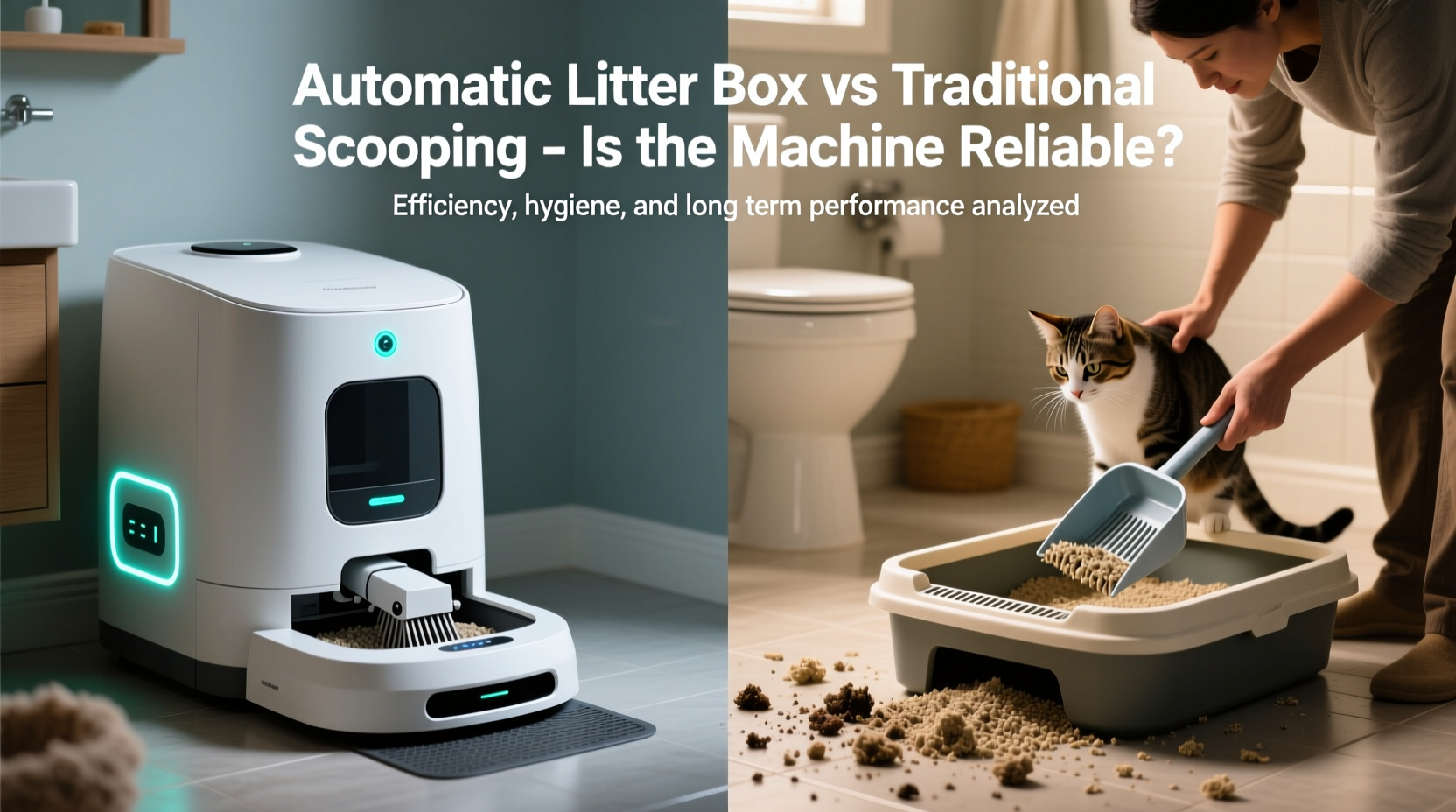
Cat ownership has evolved significantly over the past few decades, especially in how we manage waste. Traditional clay or clumping litter, paired with manual scooping, has been the gold standard for generations. It’s simple, inexpensive, and effective when done consistently. However, it demands routine maintenance—often twice daily—to keep odors at bay and cats satisfied.
In contrast, automatic litter boxes use sensors, rakes, or rotating systems to detect when a cat has used the box and automatically sift out waste within minutes. Some models even seal waste in disposable bags or cartridges, minimizing odor and contact. Brands like Litter-Robot, PetSafe Scooper, and CatGenie dominate the market, each offering unique mechanisms and features. While the promise is clear—less labor, better hygiene—the question remains: can these machines be trusted day after day?
How Automatic Litter Boxes Work
Most automatic litter boxes operate on one of three principles:
- Sifting Systems: After your cat exits, a sensor triggers a rake or sifting mechanism that combs through the litter, separating clumps and depositing them into a sealed drawer.
- Rotating Trays: Found in models like the Litter-Robot, a globe-shaped unit rotates slowly after use, allowing clean litter to fall back while waste remains trapped inside a liner.
- Flushable Systems: Devices like the CatGenie wash and flush waste down a drain, using reusable granules instead of traditional litter.
Each system reduces human interaction with waste, but introduces mechanical complexity. That complexity raises concerns about breakdowns, false triggers, and compatibility with multiple cats or certain litter types.
Tip: Always use the litter type recommended by your automatic box manufacturer—using non-clumping or lightweight litter can cause malfunctions.Reliability: The Core Question
Reliability isn’t just about whether a machine turns on—it’s about consistent performance over months or years. A reliable litter box should:
- Detect usage accurately without false starts
- Remove all waste without leaving residue
- Operate quietly enough not to scare cats
- Minimize clogs and mechanical jams
- Last beyond the warranty period without costly repairs
Based on user reviews and third-party testing, high-end models like the Litter-Robot 4 boast strong reliability, with over 85% of users reporting satisfaction after one year of use. However, cheaper models frequently suffer from sensor errors, incomplete cleaning cycles, or motor failures within six months.
“Automatic litter boxes can be game-changers for multi-cat households, but only if they’re built with durable components and smart design.” — Dr. Rebecca Tran, DVM, Feline Behavior Consultant
Common Failure Points
Even premium devices aren't immune to issues. The most common problems include:
- False triggering: Movement nearby (like a dog walking past) causes the cycle to start unnecessarily.
- Jamming: Large clumps or excess litter can block the rake or rotation mechanism.
- Odor leakage: If waste bins aren’t sealed properly, smells escape between emptying.
- Power dependency: Most units require electricity, so outages render them useless unless manually reset.
These flaws don’t make automatic boxes inherently unreliable—but they do mean owners must remain vigilant with maintenance and troubleshooting.
Traditional Scooping: Simplicity With Trade-offs
Manual scooping remains the most widely used method for good reason. It’s affordable, doesn’t rely on electronics, and gives owners full control over cleanliness. A quality scoop and clumping litter can remove waste effectively in under two minutes per session.
However, the drawbacks are well-known:
- Daily (often twice-daily) commitment is required
- Direct contact with waste increases exposure to bacteria and odors
- Some cats are sensitive to lingering scents and may avoid a poorly cleaned box
- Over time, full litter changes are needed every 2–4 weeks
Despite its simplicity, traditional scooping places a recurring burden on pet owners—one that automatic systems aim to eliminate.
Cost Comparison Over Time
While automatic litter boxes require a significant upfront investment, their long-term cost varies depending on usage and maintenance. Below is a comparison based on a 3-year ownership period.
| Expense Type | Traditional Scooping | Automatic Litter Box (e.g., Litter-Robot) |
|---|---|---|
| Initial Cost | $15 (litter box + scoop) | $599 (unit + initial supplies) |
| Litter (3 years) | $360 ($10/month) | $360 (same litter type) |
| Replacement Parts/Bags | $0 | $180 (liner rings, carbon filters) |
| Electricity | $0 | $15 (minimal draw) |
| Potential Repairs/Replacement | $0 | $100 (estimated) |
| Total Estimated 3-Year Cost | $375 | $1,254 |
As shown, the automatic option costs nearly three times more over three years. For budget-conscious owners, this makes traditional scooping far more economical—even if it requires more effort.
Real-World Performance: A Mini Case Study
Sarah M., a software engineer from Portland, adopted two rescue cats last year and quickly became overwhelmed with litter maintenance. “I was scooping twice a day, but my apartment still smelled,” she said. “One cat would urinate outside the box if it wasn’t cleaned immediately.”
After researching options, Sarah invested in a Litter-Robot 4. “The first week was rocky—we had a jam because I used the wrong litter. But once I switched to their recommended brand, it ran flawlessly.”
Now, nine months later, she empties the waste drawer only once every 7–10 days. “It’s quiet, it works every time, and my cats use it without hesitation. Yes, it was expensive. But for my sanity and schedule, it was worth every penny.”
Her experience reflects a common trend: success often depends on correct setup and willingness to adapt. When used properly, high-end automatic boxes can deliver consistent, reliable performance.
Choosing What’s Right for Your Home
There’s no one-size-fits-all answer. The decision hinges on several factors unique to each household. Consider the following checklist before making a purchase.
Automatic Litter Box Buyer’s Checklist
- Do you have at least $500–$600 for an initial investment?
- Are you willing to perform weekly maintenance (cleaning sensors, checking for jams)?
- Do you own one or two cats (not ideal for 3+ unless using dual units)?
- Can you commit to using specific litter types recommended by the manufacturer?
- Is noise a concern? Test sound levels—some models run at 50+ decibels.
- Do you have access to a nearby electrical outlet?
- Are your cats older or mobility-impaired? Some automatic boxes have high entry points.
If most answers are “yes,” an automatic system could be a reliable upgrade. If not, traditional scooping may still be your best bet.
Expert Tips for Maximizing Reliability
Whether you choose automated or manual cleaning, these tips help ensure consistent performance and cat satisfaction.
Tip: Clean the entire litter box (manual or automatic) thoroughly every 4–6 weeks to prevent bacterial buildup and odor saturation. Tip: Place the automatic box on a hard, level surface—carpet can interfere with weight sensors. Tip: Introduce your cat gradually. Let them explore the unit before turning it on to reduce fear of movement or noise.Frequently Asked Questions
Can automatic litter boxes handle multiple cats?
Yes, but with limitations. High-end models like the Litter-Robot 4 are designed for 2–3 cats, but frequent use increases the risk of jams and requires more frequent waste drawer emptying. For homes with 3+ cats, consider using two units or sticking with manual scooping for better reliability.
Do cats prefer automatic or traditional litter boxes?
Cats vary by personality. Many adapt well to automatic boxes, especially if introduced slowly. However, some are startled by the noise or movement. In contrast, traditional boxes offer familiarity and predictability. Observing your cat’s behavior during a trial period is the best way to determine preference.
Are automatic litter boxes hygienic?
They can be more hygienic than manual scooping because they reduce human contact with waste and seal it away quickly. However, hygiene depends on regular maintenance—failure to clean internal components can lead to bacteria growth and stronger odors over time.
Final Verdict: Are They Reliable?
The answer isn’t binary. High-quality automatic litter boxes, when used correctly, are reliable for many households. They reduce labor, improve odor control, and can enhance litter box consistency—especially for busy owners or those with physical limitations. However, they are not foolproof. Mechanical parts fail, sensors misfire, and costs add up.
Traditional scooping, while labor-intensive, remains the most predictable and affordable method. It requires no learning curve, no special parts, and no power source. For owners who prioritize control and cost, it continues to be the gold standard.
Ultimately, reliability depends on expectations. If you view an automatic litter box as a convenience tool—not a magic solution—you’re more likely to be satisfied. Pair it with diligent maintenance, proper litter choice, and realistic expectations, and it can deliver consistent performance for years.
Conclusion
The debate between automatic litter boxes and traditional scooping isn’t about which is objectively better—it’s about what fits your lifestyle, budget, and relationship with your cat. Technology has made impressive strides, but it hasn’t replaced the need for thoughtful pet care. Whether you’re automating your routine or sticking to the scoop, the goal remains the same: a clean, inviting space that keeps your cat healthy and your home fresh.
💬 Have experience with automatic litter boxes? Share your story—what worked, what didn’t—and help fellow cat owners make informed decisions.








