For cat owners, few chores are as universally dreaded as scooping the litter box. It’s time-consuming, unpleasant, and something most people would rather avoid. Enter the automatic litter box—a sleek, tech-forward solution promising hands-free waste management with the push of a button or even automatically after your cat leaves. But at prices ranging from $200 to over $600, many pet owners wonder: is the self-cleaning feature really worth the steep cost compared to the humble, reliable traditional scoop?
The answer isn’t simple. While automatic litter boxes offer undeniable convenience, they come with trade-offs in reliability, maintenance, and long-term costs. Meanwhile, traditional scooping remains low-cost and effective but demands daily effort. To help you make an informed decision, we’ll break down the pros and cons, examine real-world usage, and explore whether upgrading to automation truly delivers value.
How Automatic Litter Boxes Work
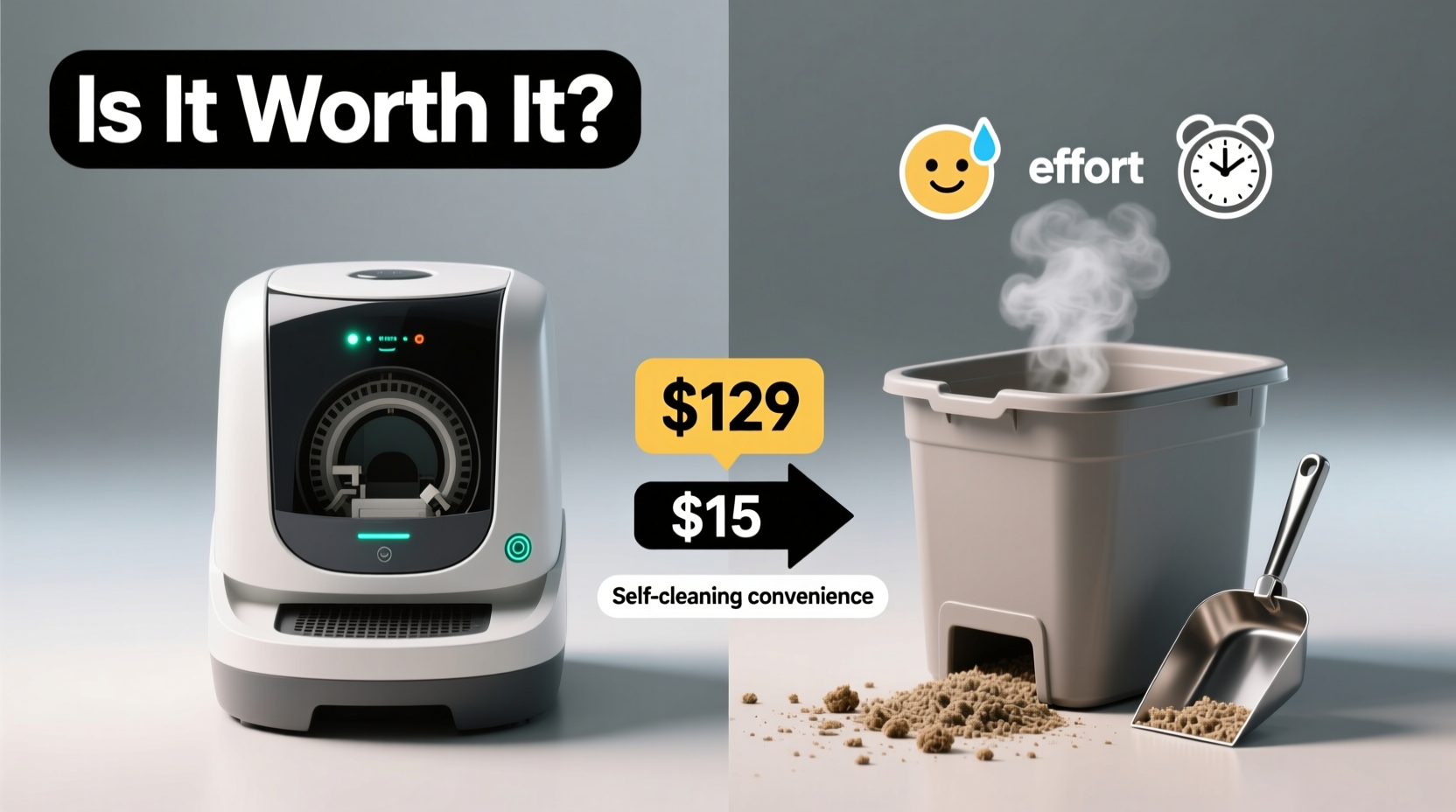
Self-cleaning litter boxes use sensors, motors, and mechanical rakes to detect when a cat has used the box and then separate waste from clean litter. Most models follow a similar process:
- A motion sensor detects when the cat enters and exits the box.
- After a delay (usually 7–15 minutes), the system activates.
- A rake or sifting mechanism moves across the litter, capturing clumps.
- Clumps are deposited into a sealed waste compartment or drawer.
- The clean litter is left behind, ready for the next use.
Some advanced models connect to Wi-Fi, send app notifications, track usage patterns, and even allow remote cleaning activation. Brands like Litter-Robot, PetSafe Scooper, and CatGenie dominate the market, each offering slightly different mechanisms and features.
Tip: Always introduce your cat to a new automatic litter box gradually—many cats are sensitive to noise and movement.Advantages of Automatic Litter Boxes
Despite their high upfront cost, automatic litter boxes offer several compelling benefits, particularly for busy households or multi-cat homes.
- Time savings: No daily scooping means reclaiming several minutes each day—adding up to hours per month.
- Better odor control: Waste is sealed away quickly, reducing ammonia buildup and lingering smells.
- Consistent cleanliness: The box resets itself, so your cat always steps into relatively clean litter.
- Helpful for mobility-limited owners: Seniors or those with physical limitations benefit from reduced bending and lifting.
- Data tracking: Some models log bathroom habits, which can help detect early signs of urinary issues.
“Automatic litter boxes can be a game-changer for monitoring feline health. Changes in usage frequency often signal medical concerns before other symptoms appear.” — Dr. Alicia Monroe, DVM, Feline Wellness Specialist
Drawbacks and Hidden Costs
While the promise of a self-cleaning litter box sounds ideal, real-world performance reveals several drawbacks that impact long-term satisfaction.
High initial investment: Entry-level models start around $200, while premium versions exceed $500. That’s enough to buy a year’s supply of premium litter and scoops ten times over.
Ongoing expenses: Many systems require proprietary litter, liners, or waste cartridges. For example, the CatGenie uses washable granules but needs special cleaning cartridges and plumbing connections. Over five years, these consumables can add hundreds of dollars to ownership costs.
Mechanical failures: Moving parts break. Sensors malfunction. Rakes jam. Users report issues within months—sometimes requiring customer service delays or out-of-warranty repairs costing $100+.
Cat resistance: Not all cats adapt well. The noise, movement, or confined space deters some, leading to inappropriate elimination elsewhere.
Larger footprint: These units are significantly bulkier than standard trays, making them difficult to fit in small apartments or closets.
Mini Case Study: The Thompson Family’s Experience
The Thompsons, a family of four in Portland, adopted two kittens and purchased a Litter-Robot 4 to manage cleanup. At first, it worked flawlessly. They appreciated the app alerts and no longer had to scoop daily. But by month six, the rake began missing clumps. After a power surge, the unit stopped responding. Customer support required a $120 repair kit. One cat also developed anxiety around the machine’s spinning motion and started avoiding it entirely. Within 10 months, they reverted to a top-entry traditional box with daily scooping—and admitted they felt more in control.
Their takeaway? “It was convenient while it lasted, but not reliable enough for two active cats. We saved time for half a year, but the stress wasn’t worth it.”
Traditional Scoop: Simplicity That Still Works
The traditional litter box and scoop method hasn’t changed much in decades—and for good reason. A basic plastic tray, quality clumping litter, and a sturdy scoop remain the most affordable and dependable way to manage cat waste.
Daily scooping takes 2–5 minutes. Weekly litter changes and box washing keep odors and bacteria at bay. With minimal equipment, this method avoids mechanical failure and compatibility issues.
Moreover, traditional boxes are easier to customize. You can experiment with litter types, add carbon filters, or use liners without worrying about voiding warranties. Placement is flexible—you’re not limited by electrical outlets or floor space.
Tip: Use a sifting scoop to separate clean litter from clumps efficiently and reduce litter waste.When Traditional Scooping Falls Short
Despite its advantages, traditional scooping isn’t ideal for everyone. Households with multiple cats may need to scoop 3–5 times per day to maintain hygiene. Elderly or disabled owners may struggle with the physical demands. And let’s be honest—some people simply won’t stay consistent, leading to dirty boxes and unhappy cats.
In such cases, automation offers a practical compromise: higher cost for guaranteed daily cleaning, regardless of human motivation.
Comparison Table: Automatic vs. Traditional Litter Management
| Feature | Automatic Litter Box | Traditional Scoop |
|---|---|---|
| Upfront Cost | $200–$600+ | $15–$40 |
| Monthly Operating Cost | $15–$40 (litter, cartridges, replacements) | $10–$25 (litter only) |
| Daily Time Commitment | 0–2 minutes (monitoring/refilling) | 3–7 minutes (scooping) |
| Odor Control | Excellent (sealed waste) | Good (with frequent scooping) |
| Reliability | Moderate (mechanical parts can fail) | High (no moving parts) |
| Cat Acceptance | Varies (noise/space sensitivity) | Generally high |
| Maintenance Effort | Weekly waste drawer emptying, monthly cleaning | Daily scooping, weekly full change |
| Best For | Busy owners, mobility issues, single-cat homes | Budget-conscious, multi-cat homes, simplicity seekers |
Step-by-Step Guide: Deciding Which System Fits Your Home
Choosing between automatic and traditional litter management shouldn’t be based on hype or price alone. Follow this logical process to determine the best fit:
- Assess your lifestyle: Are you gone all day? Do you travel frequently? Automation excels when consistency is hard to maintain.
- Evaluate your cats: Are they skittish? Do they dig aggressively? Large or heavy cats may trigger false sensors or damage mechanisms.
- Calculate total cost of ownership: Factor in the device, litter, replacement parts, and potential repairs over 3–5 years.
- Check space and power access: Most automatic boxes require a nearby outlet and at least 3x3 feet of floor space.
- Test compatibility: Try a rental or returnable model first. Many brands offer 30–90 day trial periods.
- Have a backup plan: Keep a traditional box ready in case the automated unit fails or your cat rejects it.
FAQ: Common Questions About Self-Cleaning Litter Boxes
Do automatic litter boxes work with all types of litter?
No. Most manufacturers recommend specific clumping litters. Using non-recommended litter can cause clumping issues, sensor errors, or damage. Some models, like the CatGenie, require specially formulated washable granules.
Can multiple cats use the same automatic litter box?
Yes, but with caveats. High-traffic use increases the risk of missed cleanings or jams. The Litter-Robot recommends one box per two cats. For three or more cats, consider multiple units or stick with traditional boxes.
How often do I need to replace parts?
Most units require waste drawer cleaning every 1–2 weeks. Carbon filters last 1–3 months. Rakes and gears may need replacement every 1–3 years depending on usage. Check manufacturer guidelines for specific timelines.
Checklist: Is an Automatic Litter Box Right for You?
Before purchasing, ask yourself the following:
- ✅ Do I spend at least 10 minutes per week scooping litter?
- ✅ Am I willing to invest $200+ upfront?
- ✅ Can I dedicate space near an electrical outlet?
- ✅ Do I have a cat that’s calm and not easily startled?
- ✅ Am I comfortable troubleshooting mechanical issues or paying for repairs?
- ✅ Will I commit to regular maintenance (emptying waste drawer, cleaning sensors)?
If you answered “yes” to most, an automatic box could be a worthwhile upgrade. If not, traditional scooping remains a smart, reliable choice.
Final Verdict: Is the Self-Cleaning Feature Worth It?
The self-cleaning feature of automatic litter boxes offers genuine convenience and can improve litter hygiene—especially for single-cat households or owners with physical limitations. However, the high price tag includes more than just the device: ongoing costs, potential repairs, and the risk of cat rejection must all be factored in.
For many, the traditional scoop remains the most practical, economical, and reliable option. It requires effort, yes, but that effort is predictable, low-risk, and fully within your control. Automation trades labor for cost and complexity. Whether that trade-off is worth it depends on your individual circumstances.
Ultimately, the best litter system is the one that keeps the box clean consistently—whether through technology or routine. Convenience has value, but so does simplicity. Choose the method that aligns with your budget, lifestyle, and your cat’s comfort.
💬 Have experience with automatic or traditional litter boxes? Share your story in the comments—your insights could help another cat owner make a smarter choice today.








