For many cat owners, scooping litter is the least enjoyable part of pet ownership. The clumps, the odor, the timing—especially when your cat seems to use the box the moment you sit down to dinner. Enter the automatic cat litter box: a high-tech solution promising hands-free cleaning, reduced odors, and more convenience. But with prices ranging from $200 to over $700, are these self-cleaning boxes truly worth the investment? Or do they simply trade daily scooping for expensive breakdowns, strange noises, and unexpected messes?
This article dives deep into the reality of automatic litter boxes—not just marketing claims, but real-world performance, maintenance demands, and long-term value. Whether you're a busy professional, someone with mobility issues, or just tired of the daily scoop, this guide will help you weigh the benefits against the risks and decide if automation is right for your home and your feline.
The Promise of Automation: What These Boxes Claim to Do
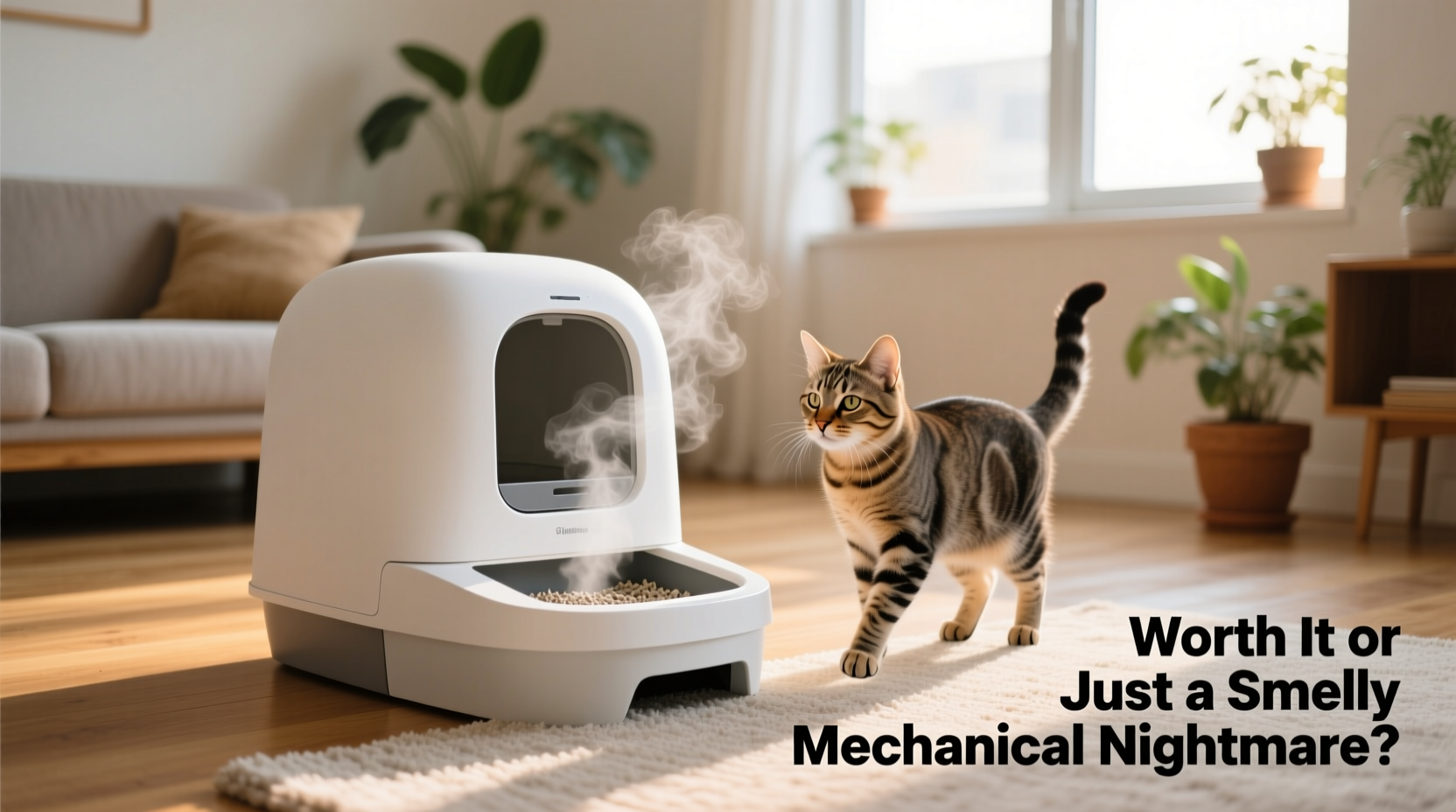
Automatic litter boxes are designed to eliminate the need for manual scooping by using sensors, rakes, or rotating mechanisms to detect when a cat has used the box and automatically separate waste from clean litter. Most models work on a timer or motion detection system, initiating a cleaning cycle within minutes after the cat exits.
Key features promoted by manufacturers include:
- Hands-free cleaning: No more daily scooping; waste is deposited into a sealed compartment.
- Odor control: Sealed waste drawers and carbon filters aim to minimize smells.
- Real-time monitoring: Some smart models send app alerts when the waste drawer is full or the cat has used the box.
- Litter efficiency: Claims of using less litter over time due to precise sifting.
- Multicat household support: Certain models claim to handle two or three cats reliably.
On paper, these benefits sound transformative. But how do they hold up in practice?
The Reality Check: Common Issues and User Complaints
Despite their sleek design and advanced features, automatic litter boxes have earned mixed—and often polarized—reviews. While some users swear by them, others describe them as unreliable, noisy, and prone to malfunctions that turn into messy disasters.
Here are the most frequently reported downsides:
1. Mechanical Failures
These are complex machines with motors, sensors, and moving parts—all operating in a dirty, dusty environment. Over time, litter dust can clog gears, sensors can misfire, and rakes can jam. When this happens, the result isn’t just inconvenience—it’s a full litter box that doesn’t get cleaned, leading to hygiene issues and frustrated cats.
Tip: Regularly wipe down internal sensors and check for litter buildup around moving parts to prevent jams.2. Noise and Cat Anxiety
Many automatic boxes make loud grinding, whirring, or clicking sounds during cleaning cycles. Cats are sensitive to sudden noises, and some react by avoiding the box altogether. This is especially common in multi-pet homes or with shy or older cats.
3. Incomplete Cleaning
Some models struggle with larger waste or clumps that don’t sift properly. Urine clumps can stick to the bottom tray, and feces may be pushed into corners instead of collected. This defeats the purpose of automation and still requires manual intervention.
4. High Litter and Supply Costs
Most automatic systems require specific types of clumping litter—often fine-grained and low-dust—to function correctly. Off-brand or cheaper litters may cause clogs or poor performance. Additionally, proprietary waste bags or liners can be expensive and difficult to source.
5. Size and Space Constraints
These units are significantly larger than standard litter boxes. They need space not just for the unit itself, but clearance for the mechanism to operate. In small apartments or tight bathrooms, placement can be a challenge.
“Automated litter boxes can be fantastic for the right household, but they’re not a plug-and-forget solution. They require maintenance, patience, and a cat that adapts well to change.” — Dr. Lisa Marasco, DVM, Feline Behavior Consultant
Who Benefits Most from an Automatic Litter Box?
Not every cat owner will benefit equally from automation. Success often depends on lifestyle, household dynamics, and individual cat behavior.
Ideal Candidates Include:
- People with physical limitations: Arthritis, back problems, or mobility issues can make daily scooping painful or difficult.
- Busy professionals: Those with long hours or unpredictable schedules appreciate reduced litter maintenance.
- Multi-cat households (with caution): If the model is rated for multiple cats and waste capacity is sufficient.
- Smart-home enthusiasts: Users who want app notifications or integration with other devices.
Potential Red Flags:
- Cats that are noise-sensitive or easily stressed.
- Households with kittens or very large cats: Some boxes have weight or size limits.
- Renters or those in small spaces: Limited room for large units or concerns about damage deposits.
- Budget-conscious owners: Initial cost plus ongoing supply expenses add up.
Comparison: Top Models and Their Trade-offs
| Model | Price Range | Best For | Common Complaints |
|---|---|---|---|
| Litter-Robot 4 | $649 | Large cats, quiet operation, app integration | Expensive, occasional sensor errors, bulky |
| Omega Paw Roll'n | $40 | Budget buyers, simple mechanics | Manual roll required, no automation |
| SureLitter Self-Cleaning Box | $249 | Mid-range option, compact design | Noisy, frequent jamming reports |
| PetSafe ScoopFree Ultra | $160 + crystal trays ($30/month) | Low maintenance, disposable trays | Non-clumping crystals, higher long-term cost |
| Tidy Cats Breeze System | $50 + pads ($15/month) | Odor control, easy cleanup | Requires specific pellets, not fully automatic |
Note: True “automatic” boxes use motorized cleaning cycles. Manual roll-style or tray-based systems offer partial convenience but aren’t fully self-cleaning.
Mini Case Study: The Johnson Family’s Experience
The Johnsons, a family of four in Portland, adopted two rescue cats and quickly became overwhelmed by litter duty. With two young kids and both parents working full-time, scooping twice daily was a constant chore. They invested in a Litter-Robot 3 Connect, hoping for relief.
Initially, it worked beautifully. The cats adapted quickly, and the app notifications helped track usage. But after five months, the unit began making a grinding noise and occasionally failed to reset. A firmware update fixed the issue temporarily, but six months later, the rake mechanism jammed completely, requiring a $90 repair.
They now run it on a strict maintenance schedule—cleaning sensors weekly and replacing parts proactively. While they still consider it worthwhile, they admit it’s not the “set it and forget it” solution they expected.
Their takeaway? “It saves time, but only if you’re willing to invest effort into upkeep. It’s not magic—it’s a machine that needs care.”
Step-by-Step Guide: How to Decide If an Automatic Box Is Right for You
- Assess your cat’s temperament. Is your cat skittish? Do they startle easily? Observe their reaction to vacuums or loud appliances.
- Evaluate your space. Measure the area where the box will go. Most units require at least 30” x 30” of clear floor space.
- Calculate long-term costs. Factor in the initial price, replacement parts, proprietary litter, and potential repairs over 2–3 years.
- Read verified user reviews. Focus on reviews from households with similar cat numbers and lifestyles.
- Consider a trial period. Some brands offer 90-day return policies. Use this window to test compatibility.
- Have a backup plan. Keep a traditional litter box ready in case the automated unit fails.
Checklist: Before Buying an Automatic Litter Box
- ✅ Confirm the weight limit matches your heaviest cat.
- ✅ Check if your preferred litter is compatible.
- ✅ Verify waste drawer capacity for your cat count.
- ✅ Ensure power outlet access near the location.
- ✅ Research warranty and customer support responsiveness.
- ✅ Read recent reviews focusing on reliability after 6+ months.
- ✅ Confirm return policy in case of cat rejection or malfunction.
Frequently Asked Questions
Can automatic litter boxes handle multiple cats?
Some can, but with caveats. Models like the Litter-Robot 4 are rated for up to four cats, but frequent use can fill the waste drawer quickly and increase mechanical strain. For two or more cats, empty the waste drawer every 2–3 days and perform regular maintenance to avoid jams.
Do automatic litter boxes reduce odor better than manual ones?
They can, but not always. Sealed waste compartments and carbon filters help contain smell, but if waste sits for days or the filter isn’t replaced, odors can build up. In contrast, daily scooping of a traditional box with high-quality clumping litter often controls smell just as effectively.
Are there health monitoring benefits?
Yes—some smart boxes track usage frequency and duration, which can signal early signs of urinary issues or digestive problems. While not a diagnostic tool, consistent data can alert owners to changes worth discussing with a vet.
Conclusion: Weighing Convenience Against Reliability
An automatic cat litter box isn’t inherently worth it—or a guaranteed nightmare. Its value depends entirely on your unique situation. For the right owner—one with the budget, space, and a cat that adapts well—it can significantly improve quality of life. It reduces daily chores, supports independence for those with physical challenges, and offers peace of mind through usage tracking.
But it’s critical to go in with realistic expectations. These are complex machines operating in harsh conditions. They require maintenance, occasional troubleshooting, and a willingness to intervene when things go wrong. They’re not a replacement for attention to your cat’s habits or litter hygiene.
If you’re considering one, treat it like any major pet product investment: research thoroughly, prioritize reliability over bells and whistles, and have a backup plan. The goal isn’t to eliminate responsibility—it’s to manage it more efficiently.
🚀 Ready to simplify your routine? Start by observing your cat’s behavior, calculating long-term costs, and reading real-user feedback. Share your experience or questions below—your insights could help another cat owner avoid a costly mistake or discover the perfect solution.








